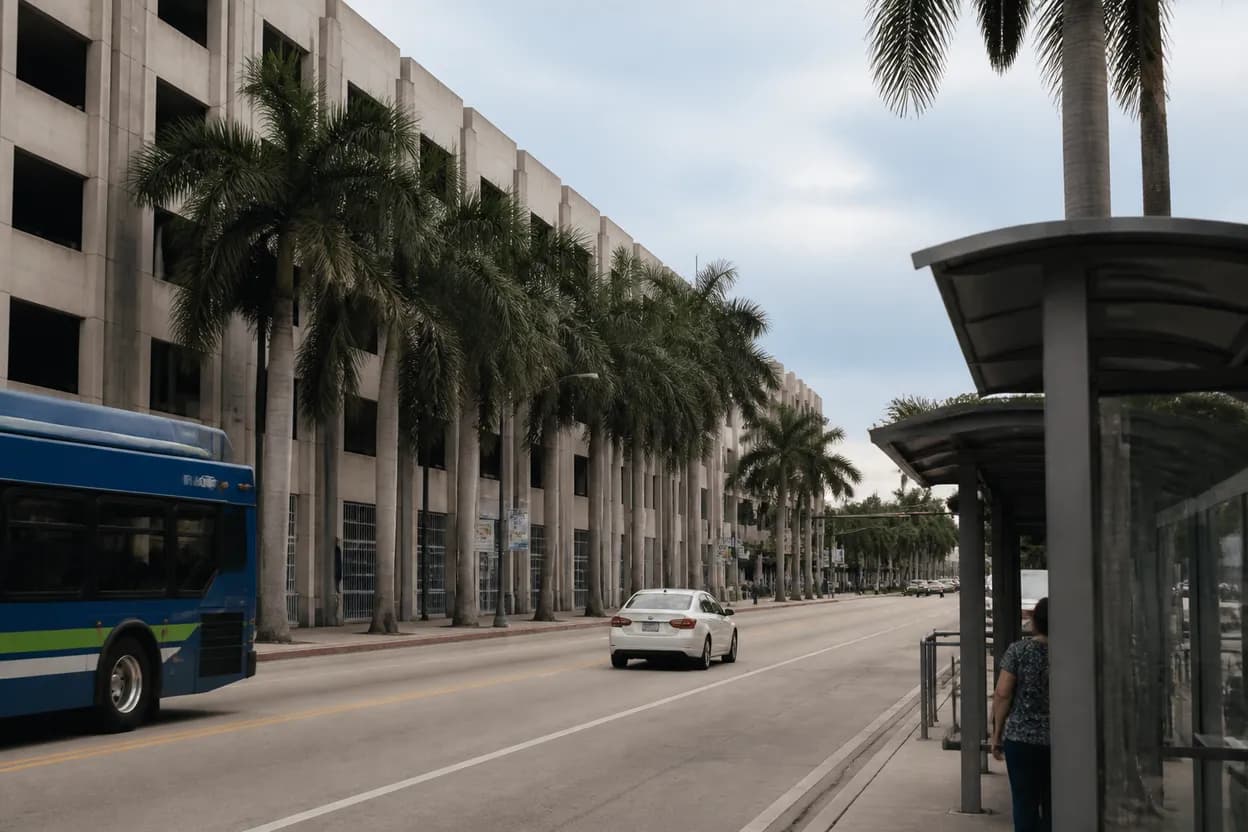
Miami’s back-to-school season rewards families who can separate a useful lead from a noisy headline. If your student has seen princess eugenie in searches this week, treat it as a source-checking exercise, not a reason to chase rumors around the city. There is no need to assume a Miami appearance, special access, school connection, endorsement, or event. The better move is practical: turn the name into a research prompt, verify information against public sources, choose a study stop that is actually accessible today, and build a transit-aware plan before anyone leaves home. On Friday, August 7, 2026, the safest local route is simple: library first, official transportation checks second, backup option always.
Want a quick pre-trip check before your student heads out? Text Karpo with the library branch, transit route, and backup plan you are considering, and ask what still needs verification.

Turn curiosity into a research question
Start by making the search useful. A student looking up princess eugenie can ask three concrete questions: What is the original source? What is confirmed by a public institution or primary publisher? What is only commentary, reposting, or speculation? That keeps the assignment grounded and avoids turning a back-to-school errand into a rumor hunt.
For a Miami family, the local goal is not to prove a celebrity connection. The goal is to practice verification in a city where events, traffic, transit conditions, and access details can change quickly. Write the question at the top of the notes page, then separate facts from claims. A fact should point back to an official page, a library resource, or another identifiable primary source. A claim without that support belongs in the “check later” column.
This is also a good moment to set boundaries. Do not plan around private locations, unconfirmed sightings, or screenshots that suggest insider access. If a student needs a current-events example for class, the safer Miami plan is to use the trending name as a hook, then focus on how reliable information is found, compared, and updated.
Start with a reliable public resource
The Miami-Dade Public Library System is the cleanest first stop because its official site points students toward research tools without requiring them to rely on social feeds. The site highlights eContent for downloading and streaming digital books, audiobooks, movies, music, and more, available anytime with a library card. It also lists online newspapers and magazines for staying informed and reading articles.
Before choosing a branch, use the library’s own tools rather than a stale search result. The site includes Account Login, Get a Library Card, Open Now, Find a Branch, Browse the Catalog, Learning & Training, eBooks, Audiobooks & More, and Contact Us/Customer Care. Those links are the practical checklist: confirm the branch, confirm it is open, confirm the student has card access, and confirm the materials needed for the assignment.
One important construction note belongs in the plan: the official library site says the Miami Lakes Branch and South Dade Regional Libraries are closed for construction, renovations, and improvements. Do not make either one the day’s anchor without checking the official page again. For a citywide Miami plan, that single notice is enough reason to keep a second branch or digital-only option ready.
Compare primary reporting before opinions
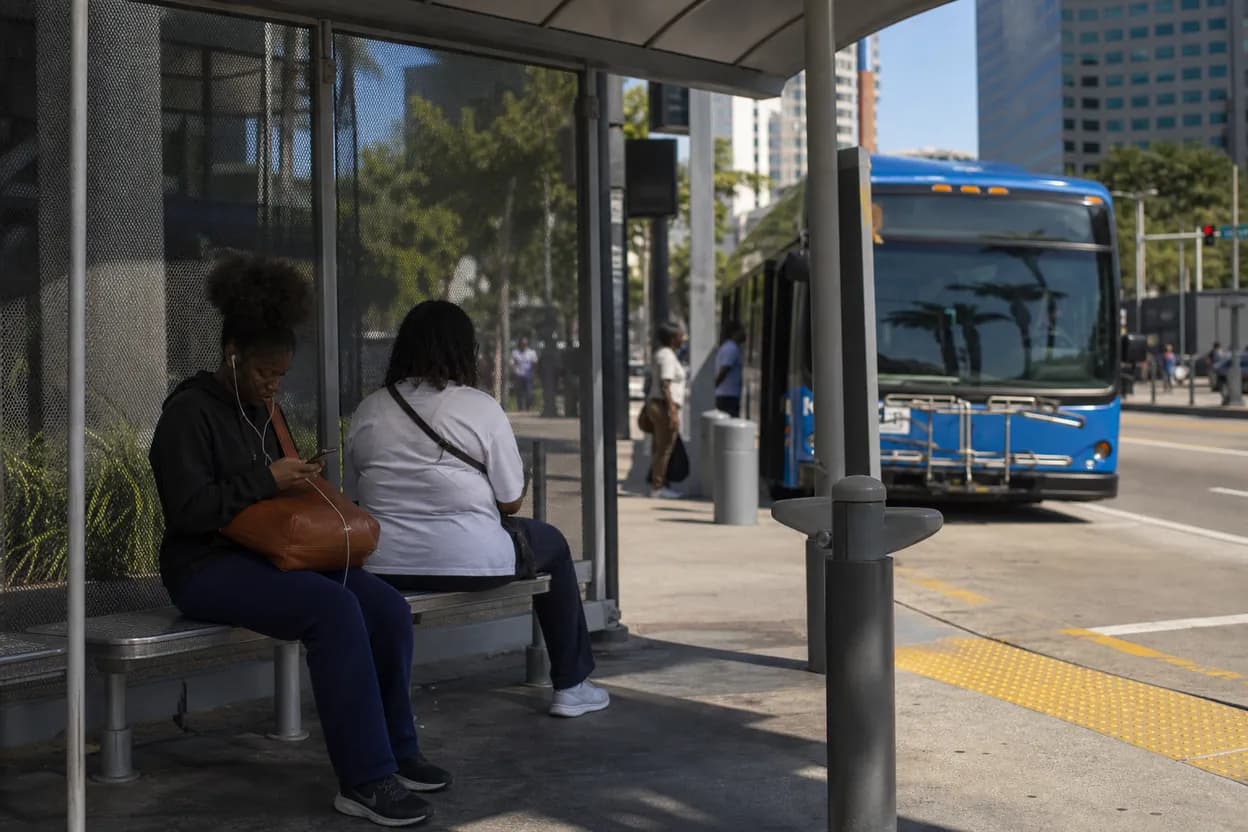
Once the student has a library base or digital access, the next step is comparison. Use online newspapers and magazines through the library site to locate reporting, then ask whether each article names its source, distinguishes confirmed facts from background, and avoids implying access it cannot prove. This is especially useful with royalty, entertainment, and school-year chatter, where commentary can outrun documentation.
A simple two-column method works well. On the left, list what a source directly states. On the right, list what the reader might be tempted to assume. If an item about princess eugenie does not establish a Miami-specific fact through an official or primary source, do not treat it as a local lead. That distinction protects students from building projects around unsupported claims.
Parents can help without doing the assignment by asking process questions: Where did that statement come from? Is the source current? Does another primary source say the same thing? Is the information necessary for the school task, or is it just interesting? The point is not to dismiss curiosity. It is to train students to slow down before they share, cite, or travel.
Choose a study stop that fits the task
Pick the study stop after the research question is clear. If the assignment needs articles, catalog materials, or a quiet place to organize notes, start with the Miami-Dade Public Library System site and use Find a Branch plus Open Now. If the student already has a library card and the task is mainly reading or comparing sources, the official eContent and online newspapers and magazines may be enough to begin from home.
Do not choose a branch by habit alone in August. Construction, renovations, improvements, crowd patterns, and school-year demand can all affect the day. The official library notice already identifies two closed libraries, so the smart routine is to confirm the exact branch page shortly before leaving. If the site’s status, hours, or access details are unclear, use Contact Us/Customer Care rather than guessing.
The best Miami study stop is the one that matches the task and reduces friction. A middle-school current-events worksheet may only need one verified article and a notes page. A high-school media-literacy assignment may need multiple newspapers, catalog searching, and time to compare. Either way, the plan should name the branch or digital route, the materials needed, and the backup if the first option does not work.
Add one low-cost reset nearby
A reset does not have to mean spending money or adding a complicated stop. The library site’s eContent can be the reset itself: an audiobook, music, movie, or digital book available with a library card after the research block. For students who get overwhelmed by crowded spaces or open-ended searches, putting a defined reset after the work session makes the plan easier to finish.
If the family is using transit, build the reset around the route rather than inventing a destination. Miami-Dade County’s Transportation and Public Works page says riders can plan a trip, read service updates and rider alerts, and track buses and trains in real time. It also promotes the GO Miami-Dade Transit mobile app for planning a trip, tracking a ride, purchasing a mobile pass, and more. Verify the current details on the official page or app before relying on them.
Keep the reset modest: a short digital break, a second nearby branch if the first is too busy, or a return-home reading block. Avoid planning around an unverified public gathering or celebrity-related stop. The back-to-school win is not proximity to hype; it is a student who can show how they checked sources and adjusted when conditions changed.
Verify hours and access before leaving
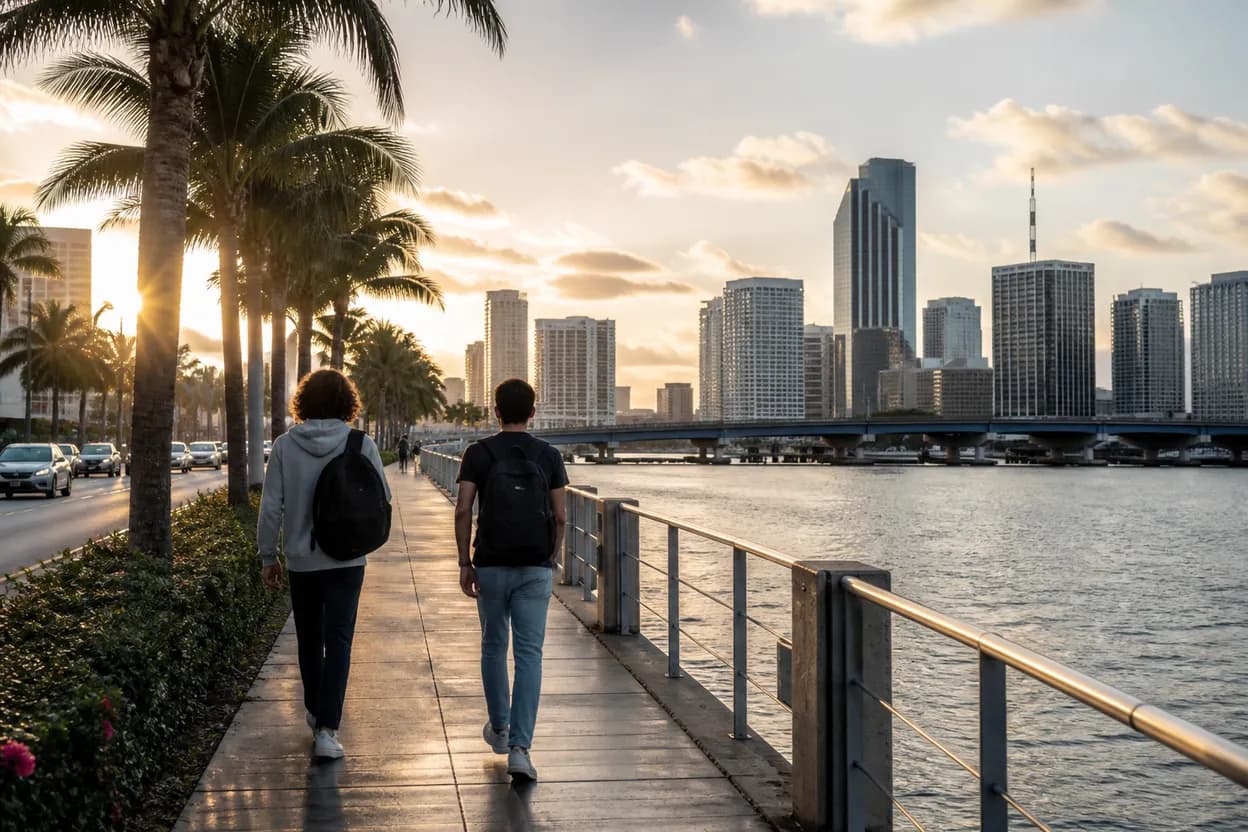
Before the door closes, run the final access check. On the library side, verify the chosen branch, Open Now status, account or card needs, and any notice affecting the location. Remember that the official site lists Miami Lakes Branch and South Dade Regional Libraries as closed for construction, renovations, and improvements, so those should not be treated as available unless the official page later says otherwise.
On the transportation side, use Miami-Dade County’s official transit tools. The Transportation and Public Works page points riders to service updates, rider alerts, Transit Tracker, and Trip Planner. It also notes that Metromover is operating a modified Inner Loop, with Inner Loop trains running on the same track as Brickell and Omni Loop, and says Inner Loop trains will not appear on the platform display. Riders should look inside the train to confirm loop designation.
Add an accessibility and delay check if elevators, escalators, transfers, or mobility needs matter to the trip. The official transit page includes an Elevators & Escalators Status resource and describes accessible transit services. It also says full-time students ride Metrobus and Metrorail for half the price, but any eligibility or pass detail should be verified through the official transit pass information before travel. The backup choice should be written down: another branch, digital library access, or postponing the trip until the official pages are clear.
Tags: #Miami #BackToSchool #back_to_school #AskKarpo #BeforeYouGo #MiamiDadeLibrary #MiamiDadeTransit #StudentResearch #SourceChecking #LibraryCard #TransitAlerts #StudyPlan #MediaLiteracy #MiamiStudents
Sources consulted: mdpls.org · miamidade.gov · miamidade.gov
All trademarks are the property of their respective owners.
Ask Karpo first
Ask Karpo first before turning a trending search into a Miami outing. Send the branch you plan to use, the transit option, the student’s research question, and the backup. Karpo can help you spot what still needs an official-hours, access, alert, or source check.