Checking powerball numbers tonight requires more than just a smartphone—it demands a verification environment that balances connectivity, visibility, and the focused atmosphere needed when confirming potentially life-changing results. Los Angeles coffee shops have become unofficial lottery verification hubs on drawing nights, where players seek reliable WiFi for cross-referencing multiple official sources, comfortable seating for the anticipatory wait, and sometimes the quiet company of others engaged in the same ritual. The challenge isn't finding a café that stays open past drawing time, but identifying which locations offer the combination of screen visibility, independent verification infrastructure, and the kind of environment where you can methodically check numbers without distraction. This route fits solo players who prefer neutral territory over home checking, pairs who want to verify together before celebrating or commiserating, and anyone who values the ritual of confirmation in a public space with backup connectivity options.
Text Karpo your starting point, timing, group size, and priorities for a Los Angeles plan tailored to this exact situation, with one realistic backup before you leave.

Drawing Time Windows and Café Operating Hour Tradeoffs
Powerball drawings occur at specific evening times, creating a narrow window when verification-focused coffee shops matter most. The tradeoff between neighborhood cafés with earlier closing times versus commercial district locations that stay open later shapes where players can realistically verify results. Westside independent shops often close by 8 or 9 PM, while downtown and Hollywood area chains frequently maintain service past 10 PM, but the later hours may come with noisier environments less conducive to focused number checking. Players must weigh proximity against operating schedules—a nearby café that closes before drawing time offers no advantage over checking at home.
The verification window extends beyond the drawing moment itself, as official results require processing time before appearing on lottery websites and news feeds. Coffee shops that remain open an additional hour past drawing time accommodate players who prefer waiting for multiple confirmation sources rather than relying on a single real-time feed. This extended window matters particularly for players checking physical tickets against multiple digital sources, a process requiring adequate lighting and table space that home environments don't always provide. The ritual of verification often takes 20-30 minutes when done thoroughly, making café selection about sustained access rather than just drawing-moment availability.

WiFi Reliability Versus Cellular Backup for Multi-Source Verification
Serious lottery verification involves cross-referencing official lottery websites, news outlets, and sometimes live television feeds simultaneously—a process that strains single-device cellular connections. Coffee shops with robust WiFi networks enable players to use tablets and smartphones concurrently, comparing California Lottery official results against national Powerball sources and local news confirmations. The tradeoff emerges between cafés offering open WiFi networks that require no password versus secured networks that may provide more bandwidth but require purchase validation. Players checking high-value tickets often prefer the redundancy of both WiFi and cellular connections, making café selection about backup options rather than single-source reliability.
Metro's public WiFi availability at certain transit-adjacent locations creates an alternative verification infrastructure that some players incorporate into their checking routine. Cafés near Metro stations with reliable transit WiFi offer triple redundancy—shop WiFi, cellular data, and Metro's network—though this combination typically exists only in downtown and Hollywood corridor locations. The verification strategy shifts based on ticket value: smaller potential wins might warrant single-source checking on cellular alone, while significant ticket amounts justify the multi-network café approach. Coffee shop selection becomes a risk management decision, with higher-stakes verification demanding locations that support simultaneous connection methods.
Screen Visibility Architecture and Verification Environment Design
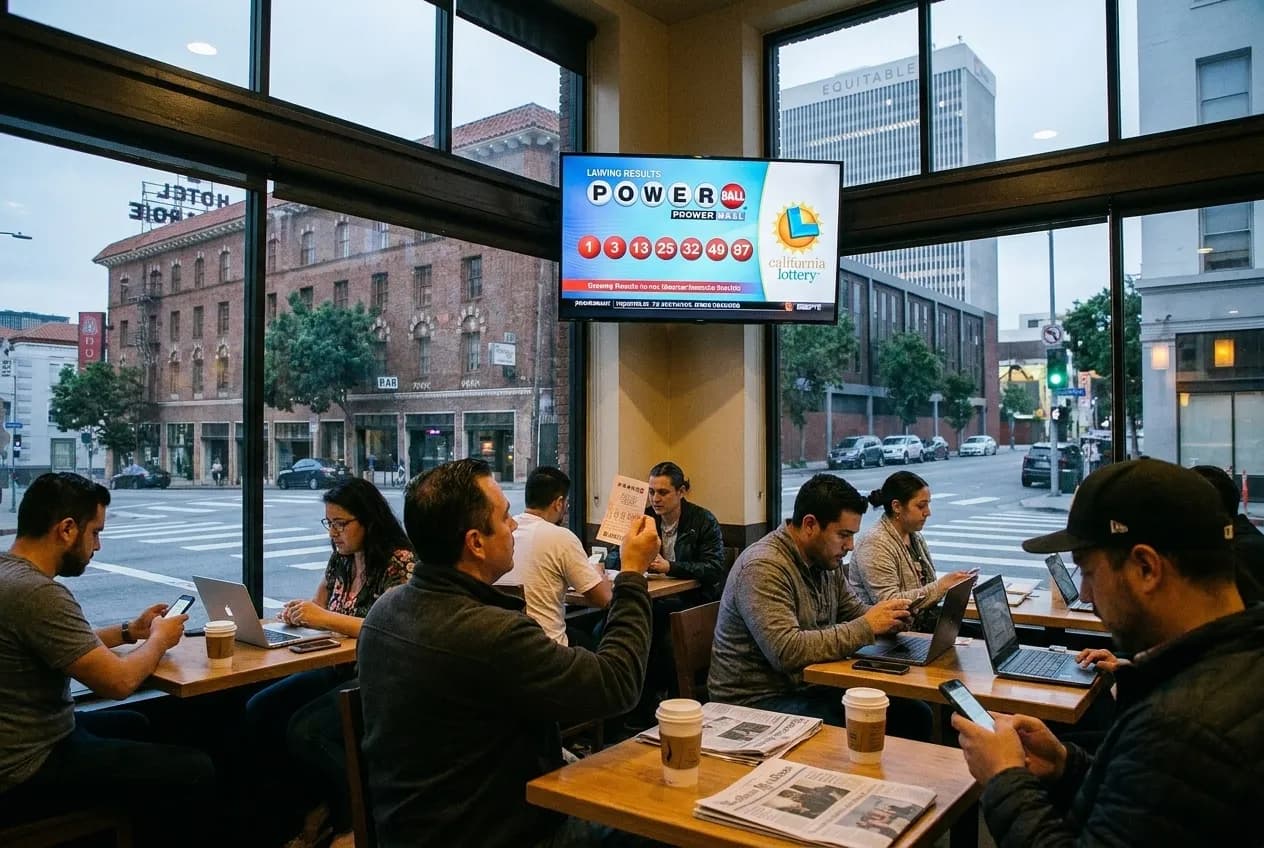
Some Los Angeles coffee shops maintain television screens showing news channels that broadcast lottery results, creating passive verification opportunities alongside active smartphone checking. The tradeoff involves audio environment—sports bars with multiple screens offer excellent visibility but poor concentration space, while quiet cafés with single news displays provide focused checking environments but limited screen angles. Seating position relative to TV placement matters significantly; corner tables with direct screen sight lines allow simultaneous physical ticket checking and broadcast monitoring, while counter seats may offer charging access but poor viewing angles. Players must decide whether screen visibility serves as primary verification or merely confirmatory backup to smartphone checking.
Lighting conditions affect ticket number legibility, making café ambiance selection crucial for accurate verification. Dimly lit evening atmospheres that create pleasant coffee shop mood can render small lottery ticket numbers difficult to read, particularly for players checking multiple tickets simultaneously. Locations with task lighting at tables or well-lit counter areas support the close reading required for error-free verification, though these spaces often feel less comfortable for extended waiting periods. The verification environment tradeoff balances functional lighting needs against the psychological comfort of waiting in a space that doesn't feel clinical or rushed—a consideration that matters more during the anticipatory pre-drawing period than the focused post-drawing checking phase.
Solo Verification Privacy Versus Partner Checking Dynamics
Coffee shops accommodate different verification social dynamics—solo players seeking anonymous checking space versus pairs or small groups coordinating shared ticket verification. Solo verifiers often prefer corner tables or counter positions that shield ticket visibility from adjacent customers, treating the checking process as private financial business conducted in public space. The café selection tradeoff involves balancing desired privacy against the practical need for good lighting and screen access; secluded tables may offer discretion but poor WiFi signal or inadequate lighting. Players checking high-value tickets face particular privacy considerations, as visible excitement or disappointment during verification can attract unwanted attention in crowded evening café environments.
Partner verification creates different spatial requirements—two people need table space for multiple devices, ticket organization, and the ability to cross-check numbers verbally without disturbing other patrons. Coffee shops with booth seating or larger tables support collaborative checking better than counter-only layouts, though these premium spaces fill quickly during evening hours. The social dynamic of partner verification also involves emotional preparation; cafés provide neutral territory where both celebration and disappointment feel more manageable than home environments. Some pairs establish drawing-night café rituals at consistent locations, creating familiar verification environments that reduce the stress of the checking process itself.
Independent Verification Protocols and Source Triangulation
Methodical lottery verification involves checking multiple independent sources rather than trusting a single result display—a protocol that coffee shop environments can either support or hinder. The verification sequence typically starts with official California Lottery mobile apps or websites, proceeds to national Powerball sources, and concludes with news outlet confirmation, creating a three-source triangulation that catches data entry errors or delayed updates. Coffee shops with reliable connectivity enable this sequential checking without interruption, while locations with spotty WiFi force players to rely more heavily on cellular data or abandon thorough verification protocols. The tradeoff involves time investment—comprehensive three-source checking takes longer but provides confidence that matters particularly for significant winning amounts.
Physical ticket verification requires comparing printed numbers against digital displays character by character, a process prone to transposition errors when rushed or conducted in poor conditions. Coffee shop table space allows players to lay out tickets systematically, checking each number individually rather than scanning entire rows at once—a methodical approach that reduces verification errors. Some players photograph tickets before checking, creating digital backup records that can be reviewed multiple times, though this practice requires adequate lighting and steady hands that crowded café environments don't always support. The verification protocol decision balances thoroughness against the practical reality that coffee shops eventually close, creating time pressure that can compromise careful checking procedures.
Tags: #Powerball #lotteryverification #LAcoffeeshops #drawingnight #WiFicafes #resultchecking #ticketverification #eveningcafes #lotteryplayers #LosAngeles
Sources consulted: Source 1: laparks.org · Source 2: metro.net · Source 3: discoverlosangeles.com · Source 4: lacity.gov
All trademarks are the property of their respective owners.
Ask Karpo first
Ask Karpo to turn this Los Angeles idea into a current plan for your date, budget, companion, transit preference, and energy level. Karpo can narrow the route and flag what to verify before you go.