When Powerball numbers climb into the headlines, everyone starts running their own mental budget game: what would I splurge on, what would I skip, and where would I draw the line? For Queens residents and visitors planning a day at the 2026 US Open in Flushing Meadows, that same calculus plays out in miniature every time you weigh a Grounds Pass against an Arthur Ashe reserved seat, a food-hall lobster roll against a packed lunch, or a rideshare against the 7 train. This guide walks through the real tradeoffs—tickets, transit, meals, and timing—so you can build a US Open day that feels like a win without the lottery ticket.
Text Karpo with your US Open session time and Queens starting point, and we’ll turn this budget tradeoffs, splurge decisions, and realistic Queens planning choices into a practical local plan.
Ticket Tiers: Where Your Biggest Dollar Goes
The US Open offers a spectrum of ticket options, and your choice here sets the tone for every other decision. A Grounds Pass grants access to all outside courts, the practice courts, and general-admission seating in Louis Armstrong and the Grandstand—often the best value if you love court-hopping and soaking up the atmosphere. Reserved seats in Arthur Ashe Stadium or Armstrong command a premium, especially for evening sessions and later rounds, but they guarantee a specific match and a dedicated seat. Check the official event schedule on usopen.org well in advance; early-round day sessions typically cost less than night sessions or weekend matches, and that difference can fund your entire food and transit budget for the day.
Transit Math: The 7 Train Versus Everything Else
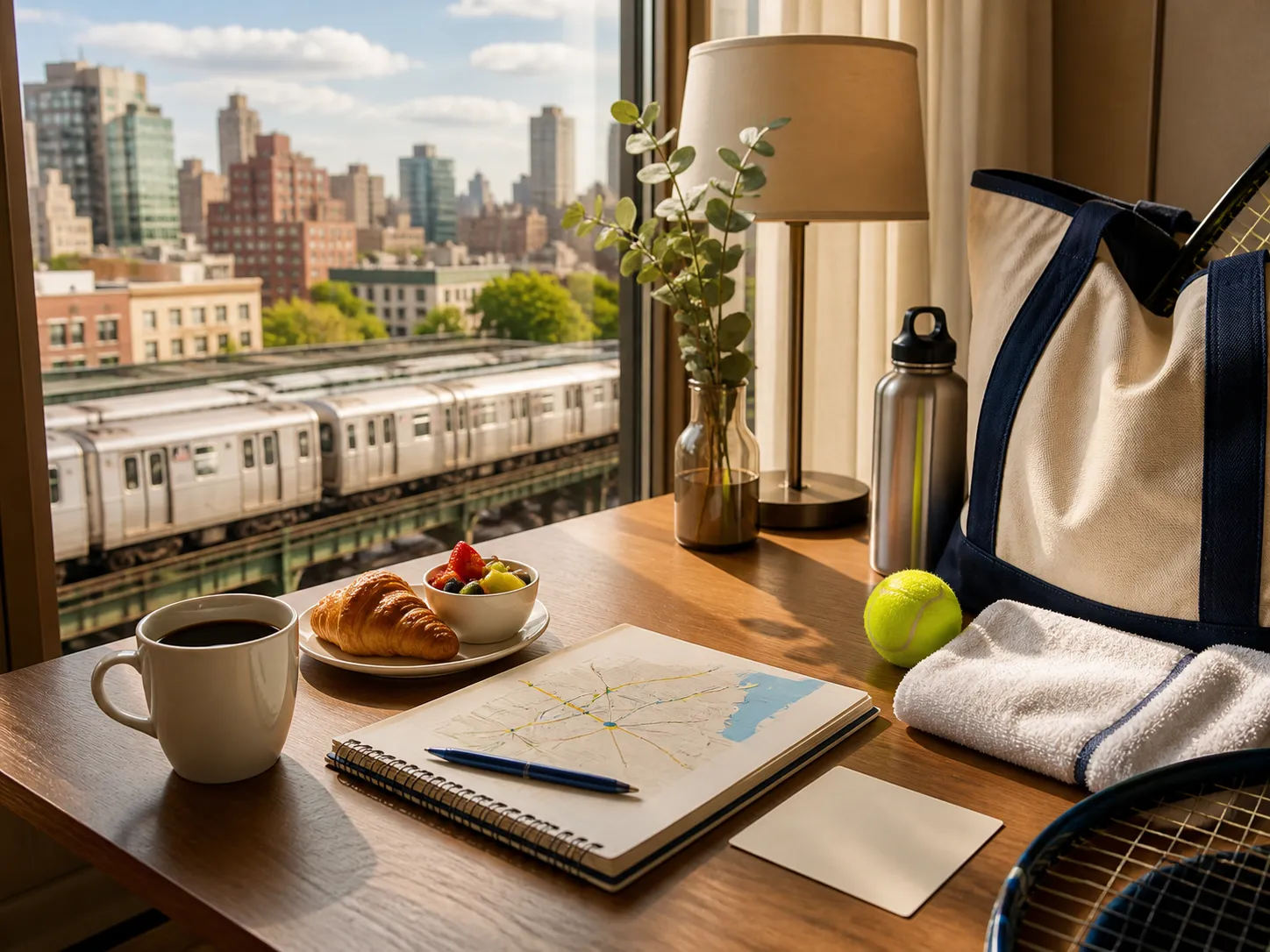
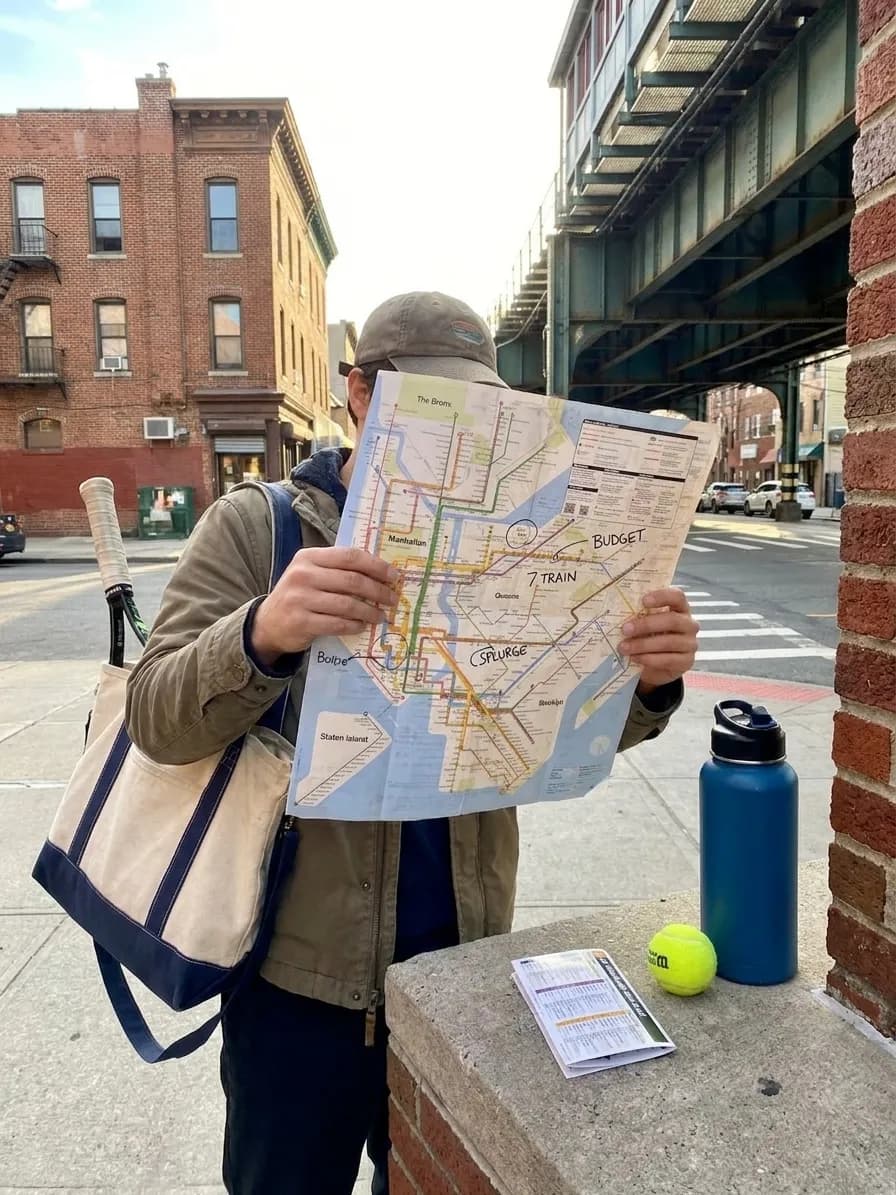
Flushing Meadows sits at the Mets–Willets Point station on the 7 line, making the subway the default choice for most Queens and Manhattan travelers. A single ride costs $2.90 with OMNY or MetroCard, and the journey from Times Square takes roughly 30 minutes, from Jackson Heights about 10, and from Flushing's Main Street terminus around 5. Compare that to a rideshare from Astoria or Long Island City, which can run $25–40 each way depending on traffic and surge pricing, or driving and paying for parking near Citi Field. The MTA fare page at new.mta.info/fares lists current options, including weekly unlimited passes if you're planning multiple trips. For most visitors, the 7 train is the splurge you skip so you can splurge somewhere else.
Food Strategy: Packed, Purchased, or Pre-Game
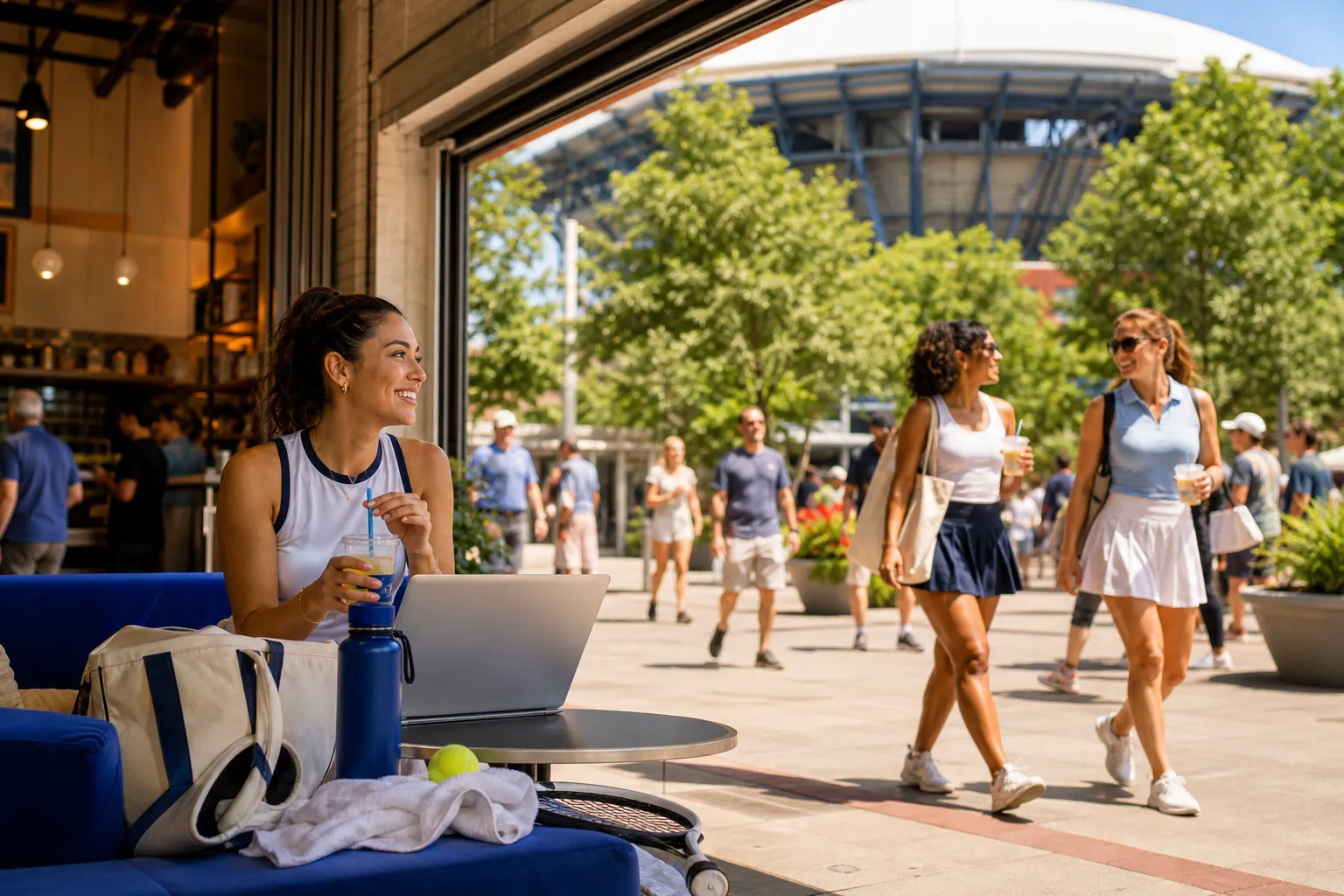
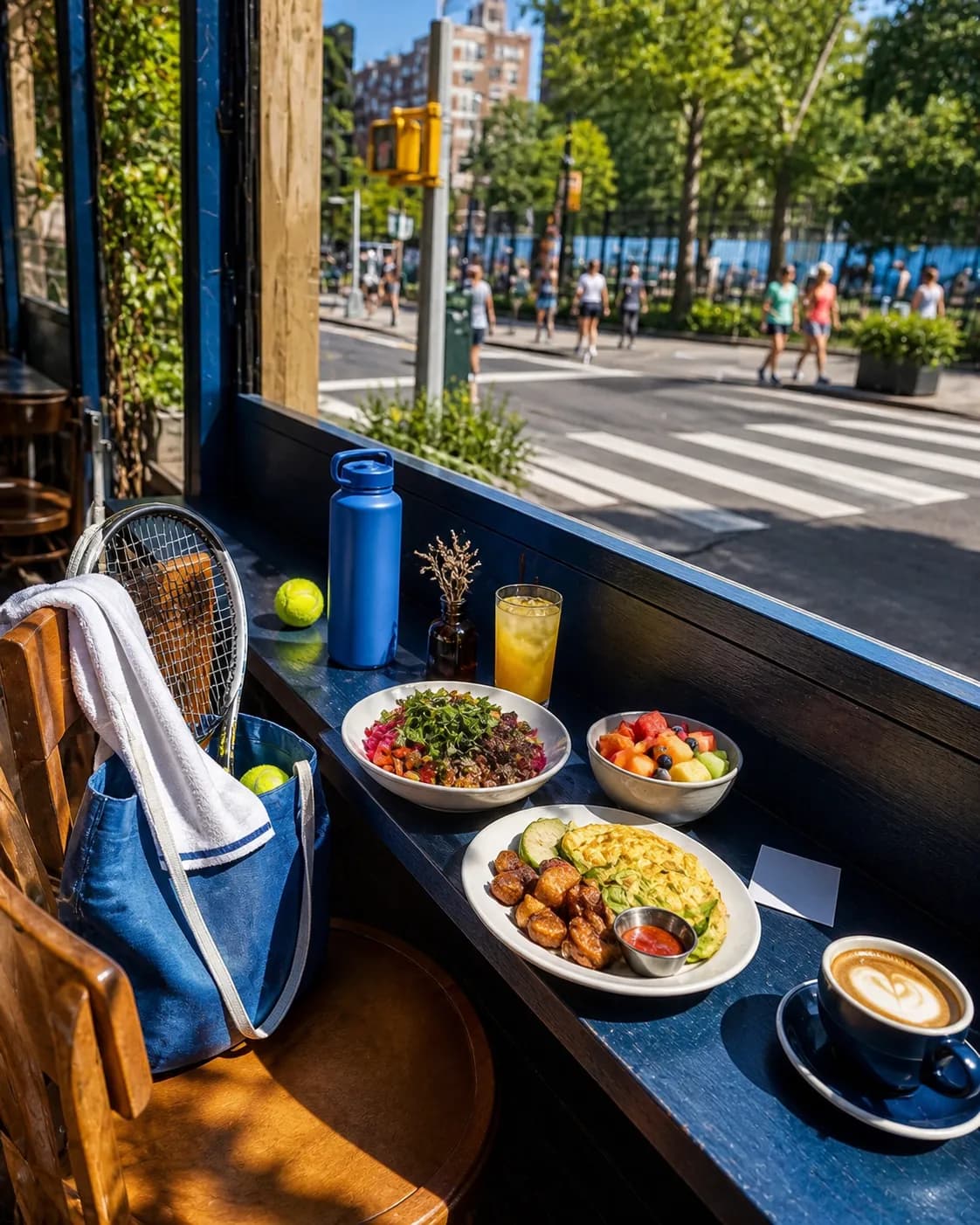
The US Open food scene has grown into a destination of its own, with vendors offering everything from Shake Shack and Dos Toros to specialty stands featuring lobster rolls, sushi, and craft cocktails. A meal inside the grounds can easily run $15–25 per person, and a couple of drinks or snacks will push that higher. The official prohibited-items guide on usopen.org allows you to bring in soft-sided coolers up to a certain size, sealed plastic bottles of water, and snacks—one of the tournament's most visitor-friendly policies. If budget is tight, pack sandwiches, fruit, and refillable water bottles before you board the 7 train. If you want to treat yourself, pick one signature item—a Grey Goose Honey Deuce cocktail, a pastrami sandwich—and build the rest of your day around that single splurge.
Timing Tradeoffs: Day Sessions Versus Night Sessions
Day sessions typically start at 11 a.m. and run into early evening; night sessions begin at 7 p.m. and can stretch past midnight for five-set thrillers. Day sessions offer more courts, more matches, and more flexibility to move around, but they also mean longer hours in the sun and potentially hotter conditions. Night sessions deliver prime-time drama under the lights, a more focused schedule, and a different energy, but tickets cost more and you'll be traveling home late. If you're coming from eastern Queens—Flushing, Bayside, or beyond—a day session lets you take your time and catch an earlier train home. If you're based in western Queens or Manhattan and want the marquee experience, a night session might justify the splurge, especially if you can sleep in the next morning.
Pre- or Post-Match Stops in Queens
Flushing Meadows sits in the heart of Queens, surrounded by neighborhoods rich in food, culture, and green space. If you arrive early or leave with time to spare, consider a detour. Flushing's Main Street corridor offers dim sum, hand-pulled noodles, and bubble tea within a short walk or one subway stop from the stadium. Corona's 103rd Street–Corona Plaza zone is known for Latin American eateries and street vendors. Jackson Heights, a few stops west on the 7, serves up South Asian, Tibetan, and Colombian meals in quick succession. The Queens Museum and the New York Hall of Science both sit within Flushing Meadows–Corona Park, and both are walkable from the tennis center if you want to stretch your legs before or after your session. Check hours and admission policies on each institution's website before you go.
The Splurge-or-Skip Checklist
Every US Open day involves a handful of binary choices. Here's a practical framework for deciding where to spend and where to save:
What to Check Before You Go
The 2026 US Open will follow the tournament's traditional late-August-to-early-September window, but exact session times, ticket-release dates, and any policy updates will appear on usopen.org as the event approaches. The official visitor A-Z guide covers everything from accessibility services to bag policies, and the transportation-directions page offers detailed subway, bus, and regional-rail options. The MTA's fare page will reflect any price changes, and the NYC Tourism Queens page highlights neighborhood context and seasonal events that might overlap with your visit. Confirm all details—especially transit schedules and any security or entry requirements—within a few days of your planned visit, and build in buffer time for lines, weather, and the occasional subway delay.
Planning a US Open day from Queens is less about hitting the jackpot and more about knowing which bets to place: where to spend for maximum enjoyment, where to save without sacrificing the experience, and how to move through Flushing Meadows and the surrounding neighborhoods with the confidence of someone who's done the math. Whether you're riding the 7 from Flushing or Astoria, packing a cooler or splurging on a Honey Deuce, catching every match on the Grandstand or settling in for a night session under the lights, the budget game is yours to play—and Queens gives you all the tools to play it well.
Karpo is an independent local-planning resource and is not affiliated with, endorsed by, or sponsored by the United States Tennis Association, the US Open, the USTA Billie Jean King National Tennis Center, the Metropolitan Transportation Authority, NYC Tourism, or any venue, transit agency, or business mentioned in this guide. All trademarks and service marks remain the property of their respective owners.
Ask Karpo
Tags: #USOpen2026 #Queens #FlushingMeadows #KarpoFinds #Karpo #powerballnumbers #NewYorkLocal #TennisTravel #NYCLocalLife #TennisTravel
Sources consulted: usopen.org — Official event schedule · usopen.org — Official visitor A-Z guide · usopen.org — Official transportation directions · usopen.org — Official prohibited-items guide · MTA — Fares · NYC Tourism — Queens
All trademarks are the property of their respective owners.
Ask Karpo first
Want to know what is actually open, how to time the trip, and where to pause around Queens? Ask Karpo for the latest public US Open context, a respectful visitor plan, and a live route around Flushing Meadows before you head out.