Planning a day at the 2026 US Open in Flushing Meadows feels a little like filling out a lottery ticket—you're choosing numbers, weighing odds, and hoping your budget lands you courtside for an unforgettable match. But unlike Powerball numbers drawn at random, your US Open budget is entirely within your control. By treating each spending category as a numbered ball—transit, tickets, food, extras—you can design a day-trip budget that balances splurge moments with smart savings, all while exploring the neighborhoods that make Queens the most exciting borough to visit during tournament season.
Text Karpo with your US Open session time and Queens starting point, and we’ll turn this day-trip budgeting idea into a practical local plan.

Start by dividing your US Open day into six budget categories, just like six numbered balls in a draw. Category one is transit: the 7 train from Manhattan to Mets–Willets Point is your most reliable option. Check the official MTA website for current fares and service updates before your trip. Category two is your ticket: grounds passes, reserved seats, and premium courtside options span a wide range, so review the official US Open ticketing page well in advance to understand what fits your total budget. Category three is food inside the venue—plan for higher-than-neighborhood prices but memorable variety. Category four is a pre- or post-match meal in a nearby Queens neighborhood. Category five covers extras like sunscreen, a hat, or a souvenir program. Category six is your contingency fund for unexpected opportunities, whether that's an upgraded seat or a spontaneous stop at a local bakery on your way home.
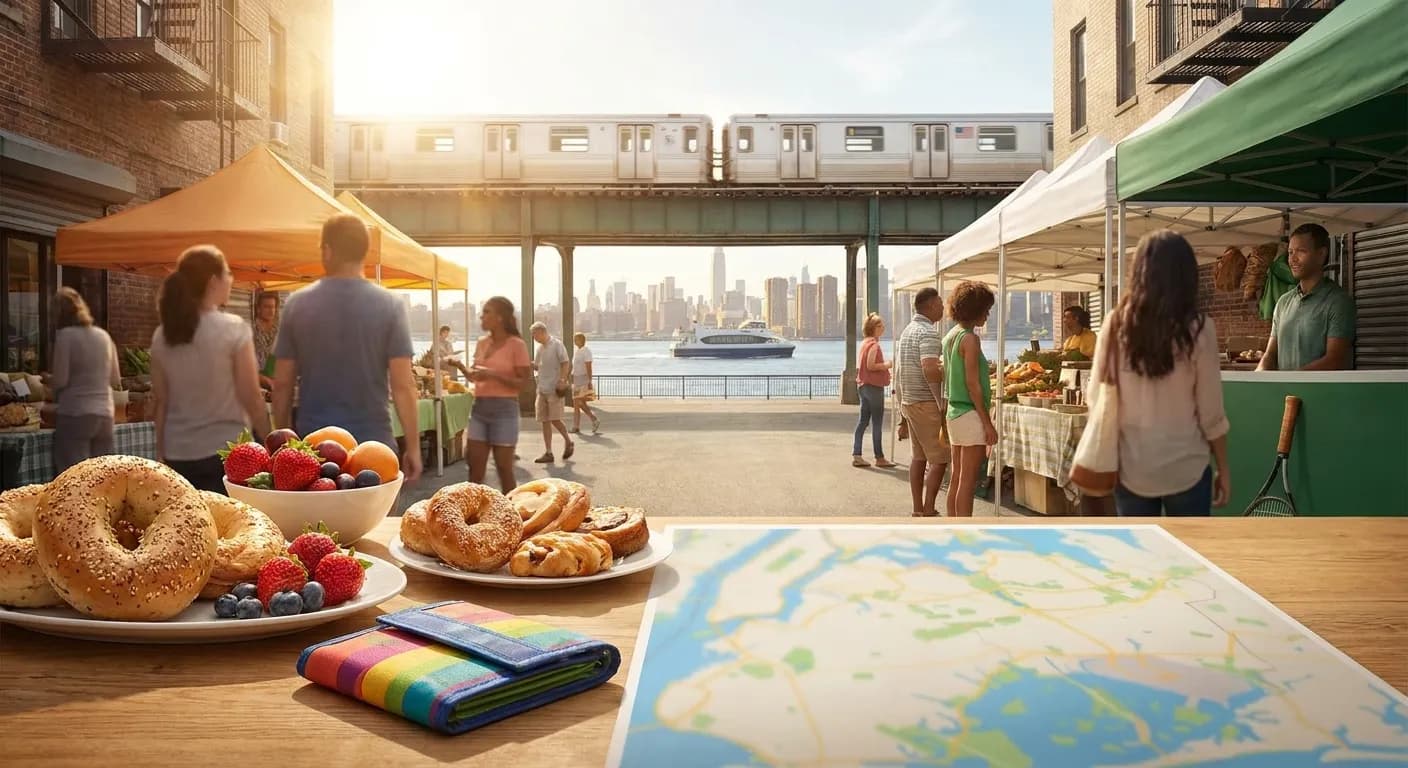
The 7 train is the backbone of your US Open budget game. Running from Times Square through Jackson Heights, Woodside, and Corona before arriving at Mets–Willets Point, it delivers you directly to the Billie Jean King National Tennis Center without the cost or hassle of parking. Confirm current fares and service updates on the MTA website before your trip, especially if you're traveling during evening sessions when train frequency may shift. The 7 also opens up pre-match exploration: a morning walk through Jackson Heights or a lunch stop in Corona adds neighborhood texture without requiring a separate transit budget. Build extra time into your schedule for potential service changes or crowding during tournament days.
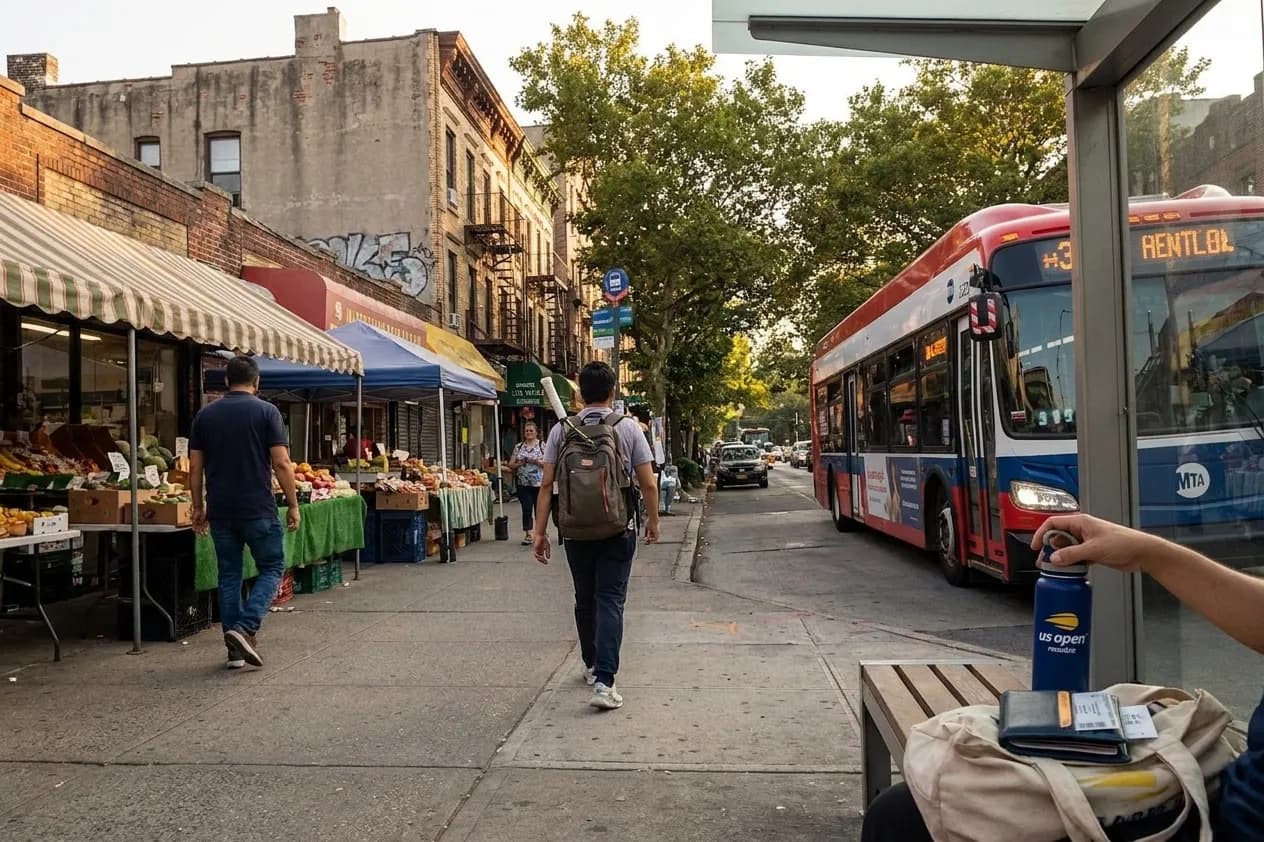
Your ticket is the largest single number in your budget game, and the US Open offers a spectrum of options. Grounds passes grant access to all outer courts, the practice courts, and the atmosphere of the tournament without a reserved seat in Arthur Ashe or Louis Armstrong stadiums. Reserved seats in the main stadiums cost more but guarantee you a spot for marquee matches. Evening sessions under the lights deliver unforgettable energy, but daytime sessions often offer the chance to see multiple matches across different courts. Review the official event schedule and ticket options on usopen.org to understand what each tier includes, and remember that ticket prices fluctuate based on the round and day of the week. Purchase tickets only through official channels to avoid scams and ensure valid entry.
Once you're inside the Billie Jean King National Tennis Center, food becomes part of the experience. The venue offers everything from classic ballpark fare to upscale dining, and prices reflect the premium setting. Budget for at least one meal or substantial snack if you're attending a full session, and consider bringing an empty reusable water bottle—hydration stations are typically available, and staying hydrated in the late-summer sun is essential. The official prohibited-items guide on usopen.org clarifies what you can and cannot bring into the venue, so review it before packing snacks. If you're working with a tighter budget, plan your main meal outside the venue and treat in-stadium food as a smaller indulgence.
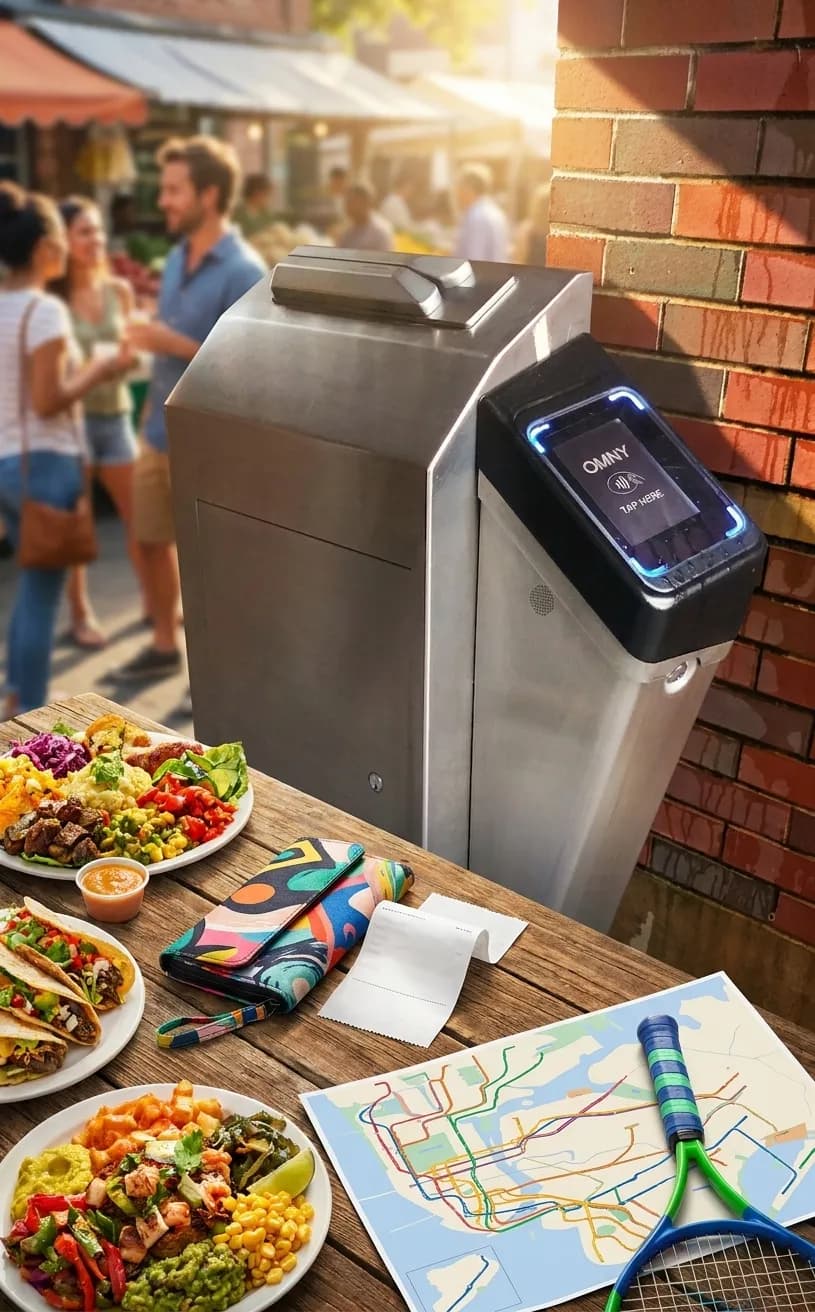
Queens is one of the most food-diverse places on the planet, and the 7 train corridor is your gateway to budget-friendly, world-class meals. Flushing, one stop past the tennis center, is famous for its sprawling food courts, hand-pulled noodles, and dim sum. Jackson Heights offers Colombian bakeries, Tibetan momos, and Indian dosas within a few blocks of the train. Corona, just west of the stadium, is home to Mexican taquerias and Ecuadorian ceviche spots that deliver generous portions at neighborhood prices. Eating before or after your session in one of these neighborhoods can cut your food costs significantly while giving you a taste of the local culture that makes Queens special. Confirm current hours and locations closer to your visit, as small businesses update their schedules frequently.
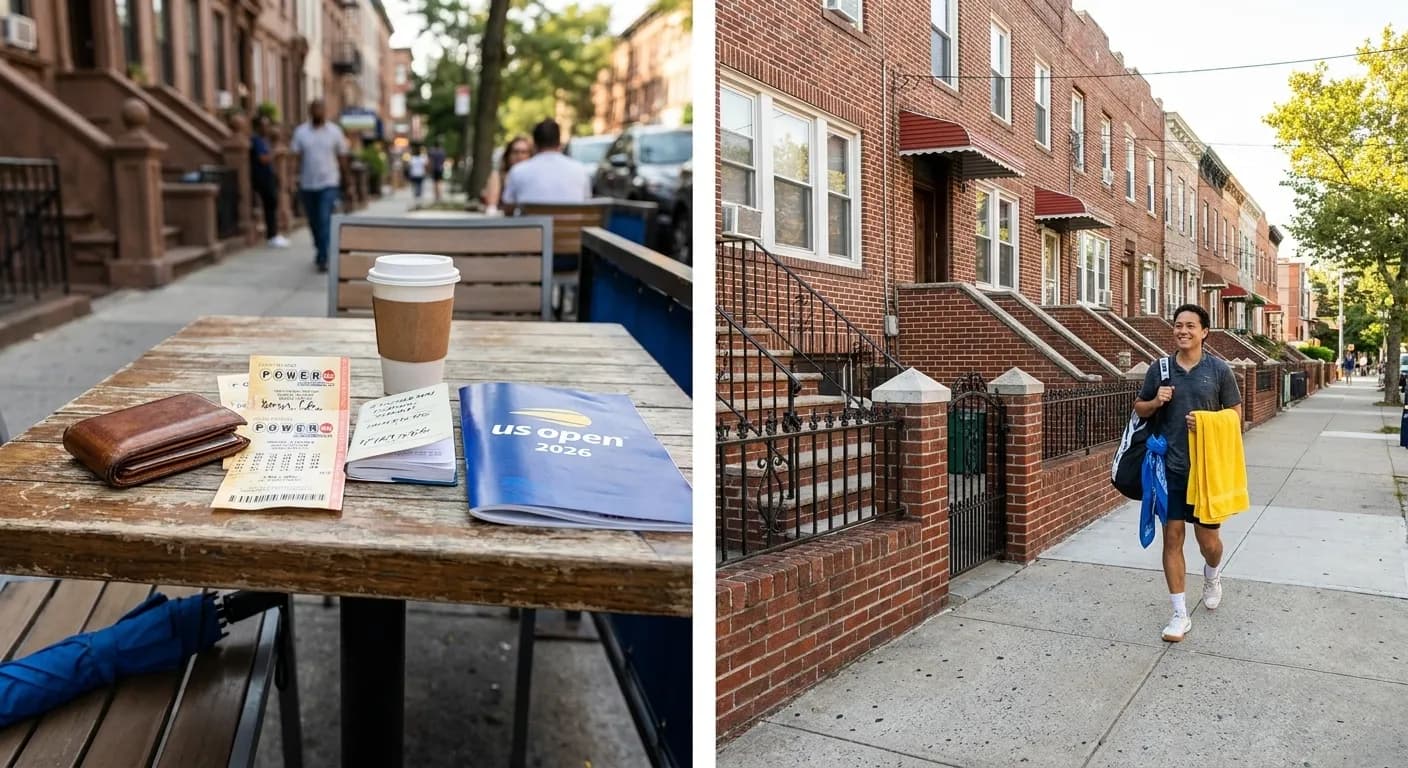
The extras category is where your budget game gets personal. A US Open program, a branded hat, or a tube of sunscreen from a vendor near the entrance might seem minor, but these small purchases add up quickly. Decide in advance which extras matter most to you: if you're a collector, budget for a program or a tournament towel. If you're sensitive to sun, bring your own sunscreen and hat from home to save money. A portable phone charger is a smart investment if you plan to take photos or check scores throughout the day. Treat this category as your flex fund—money you're willing to spend on comfort and memories, but not essential to the day's success.
Every good budget game includes a contingency fund, and your US Open day is no exception. Set aside a small percentage of your total budget for unexpected opportunities. Maybe you'll find a last-minute seat upgrade, or a vendor outside the station will be selling fresh fruit. Maybe you'll want to linger in Flushing after the match for a late-night dessert at a Hong Kong-style café. This fund isn't about overspending; it's about giving yourself permission to say yes to something unplanned without derailing your overall budget. The best travel days often include at least one spontaneous decision, and having a small reserve makes those moments possible.
Your US Open Day Budget Worksheet
Use this fill-in worksheet to plan your spending across all six categories. Start with your total available budget, then allocate amounts to each category based on your priorities. Leave the contingency fund flexible—it's your safety net for the unexpected.
- Total available budget: $_______
- Category 1 – Transit (subway, backup options): $_______
- Category 2 – US Open ticket (grounds pass, reserved seat, or premium): $_______
- Category 3 – Food inside the venue (meals, snacks, drinks): $_______
- Category 4 – Neighborhood meal (pre- or post-match in Queens): $_______
- Category 5 – Extras (sunscreen, hat, program, souvenirs, phone charger): $_______
- Category 6 – Contingency fund (10-20% of total for unplanned opportunities): $_______
- Total allocated: $_______ (should equal or be less than total available budget)
Decision Rules for Your Budget Game
Once you've filled in your worksheet, apply these decision rules to refine your plan. If your ticket takes up more than half your total budget, consider a grounds pass instead of a reserved seat, and use the savings for a better neighborhood meal or extra exploration time. If transit and food together exceed a quarter of your budget, look for ways to eat before you arrive at the venue or pack approved snacks. If your contingency fund feels too small, trim extras or choose a less expensive ticket tier. The goal is a balanced plan where no single category dominates unless that's your intentional priority—maybe you're splurging on a premium seat and eating simply, or maybe you're keeping the ticket modest so you can explore three different Queens neighborhoods and try food from four countries.
Pre-Trip Checklist
- Check the official US Open visitor A-Z guide for bag policies, accessibility services, and venue maps before you leave home.
- Confirm MTA service and fares on the official MTA website, especially if you're traveling during a weekend or holiday when schedules may change.
- Bring a reusable water bottle and plan to refill it at hydration stations inside the tennis center to save money and stay comfortable.
- Wear comfortable walking shoes—Flushing Meadows Corona Park is large, and you'll cover significant ground moving between courts.
- Download offline maps or take a screenshot of your route if you're exploring Queens neighborhoods before or after your session.
- Review the prohibited-items list on usopen.org to avoid delays at security and ensure you're not carrying anything that will be confiscated.
- Plan your return trip in advance, especially if you're attending an evening session—know which trains run late and have a backup option if service is delayed.
Tags: #USOpen2026 #Queens #FlushingMeadows #KarpoFinds #Karpo #powerballnumbers #NewYorkLocal #TennisTravel
Sources consulted: usopen.org — Official event schedule · usopen.org — Official visitor A-Z guide · usopen.org — Official transportation directions · usopen.org — Official prohibited-items guide · MTA — Official fares and service · NYC Tourism — Queens
All trademarks are the property of their respective owners.