The phrase “porter flight cancelled due to child” is a travel-news hook, not a reason to chase a rumored San Francisco scene. Treat it instead as a reminder that plans fail when people assume too much. A good free day in San Francisco starts with public access, current transit information, and a willingness to change course if alerts, crowds, or weather make the first idea less practical. For Monday, August 10, 2026, the smartest approach is not to build around a celebrity, an airline story, or a promoted event. Build around places you can reach by Muni, walk between without overcommitting, and verify through official city transportation and recreation pages before you leave.
Want a free San Francisco plan that does not depend on hype? Text Karpo before you go, and ask for a public-route check, crowd-risk read, and backup stop.

Turn current interest into a genuinely free outing
A search spike can be useful if it pushes you to plan, but it should not decide where you go. “porter flight cancelled due to child” belongs in the category of broad travel curiosity; it does not establish a San Francisco appearance, public event, endorsement, or special access. Keep the outing grounded: choose no-admission public spaces, use the city’s transportation tools, and avoid any itinerary that depends on a rumor, a private venue, or a one-time spectacle you have not verified.
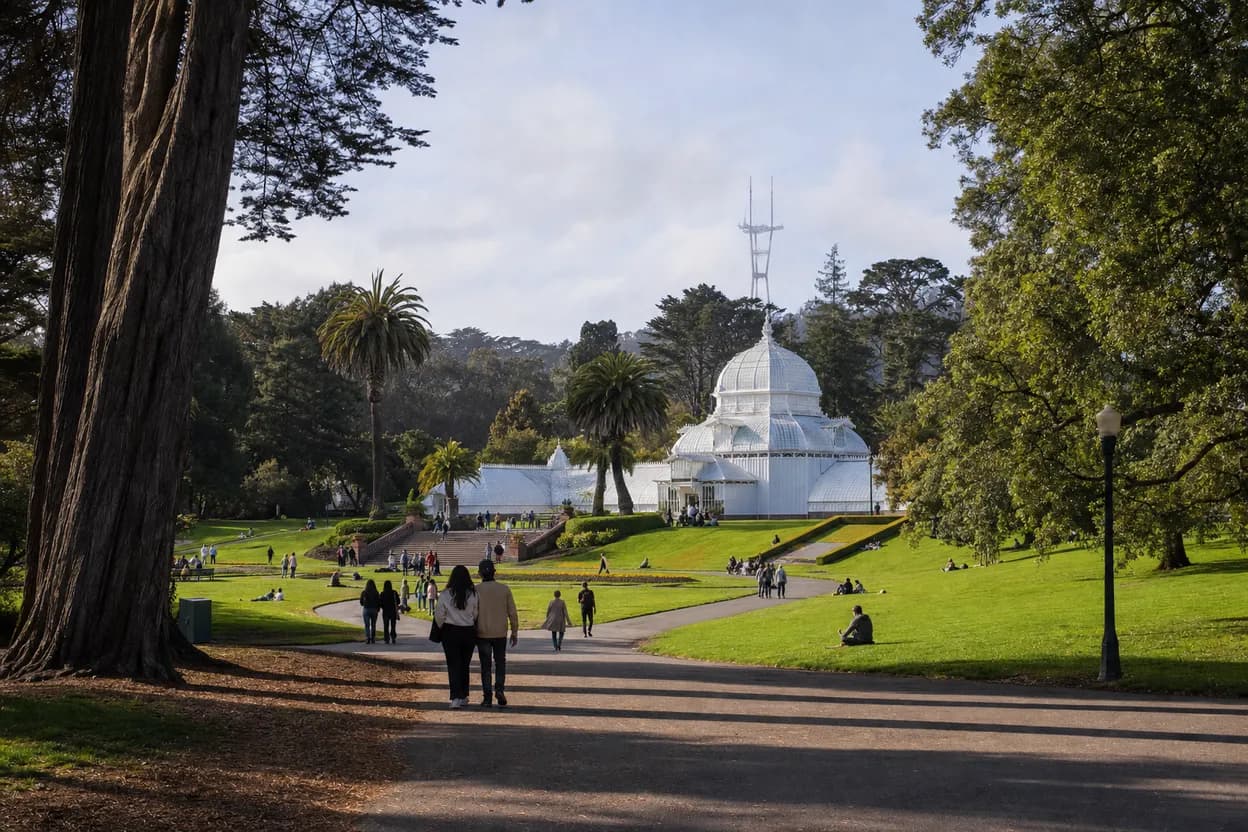
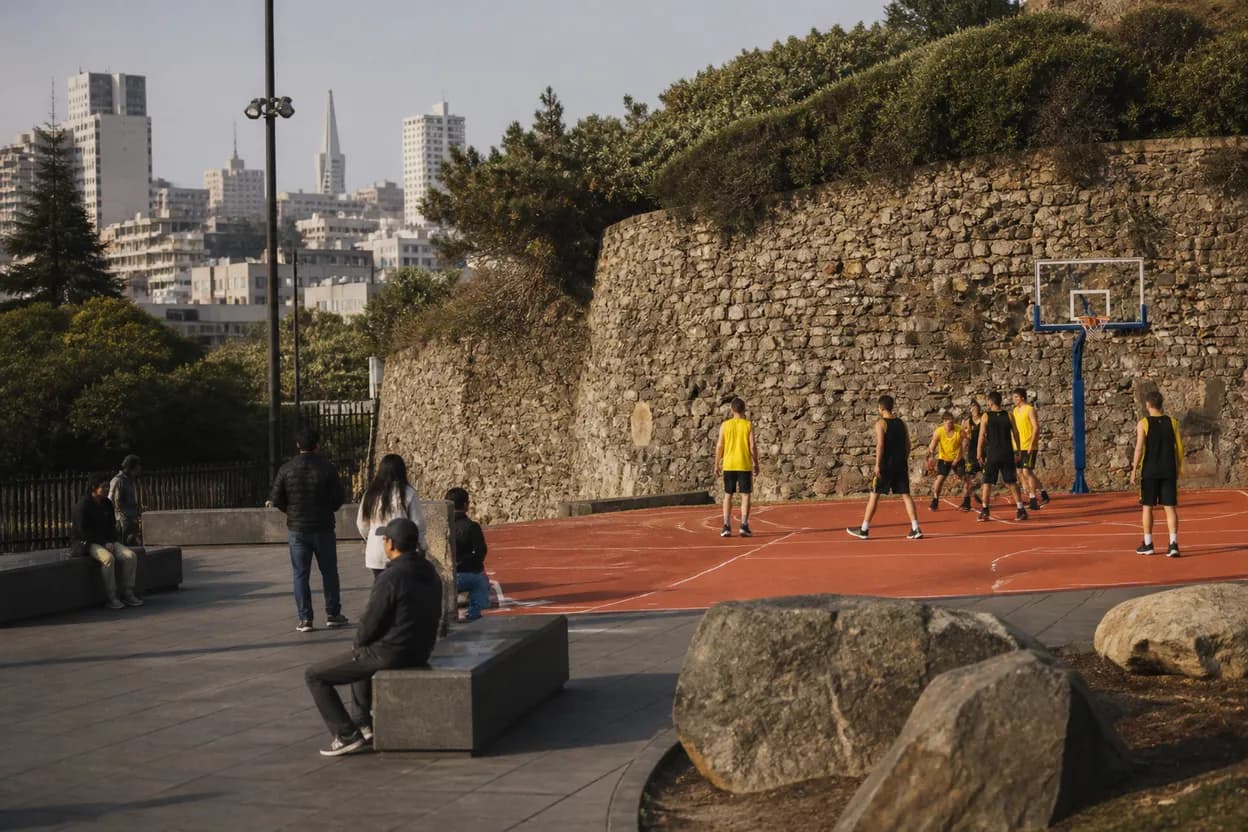
The practical free-things-to-do frame is simple: one outdoor anchor, one culture-adjacent walk, and one backup. In San Francisco, that can mean using public streets, transit-accessible neighborhoods, and recreation spaces selected only after you check the official page for current access. Because official recreation details can change, the safest instruction is not “go no matter what.” It is “confirm the site, then go.”
Do not confuse free with effortless. A no-admission day can still be derailed by service alerts, crowd spillover, closed facilities, or elevator status. SFMTA’s official site is useful because it gives travelers a trip planner, Muni route and stop information, visitor guidance, travel maps and guides, transit updates, and elevator status. Those checks are the difference between a calm public outing and a long detour.
Start with public access rather than a promoted event
Begin with what you can verify. SFMTA’s site presents options for getting around by Muni, walking, biking, driving, parking, taxi, and accessibility resources. That matters because a free San Francisco plan should not start with a flyer, a reposted schedule, or a third-party map screenshot. Start with the official transportation layer, then decide which public stop still makes sense.
For the anchor, use an official public recreation source before committing. The San Francisco Recreation and Park Department site is the place to verify changing details for parks and recreation spaces, especially if you are choosing an outdoor stop. If the page is slow, unavailable, or unclear, do not fill in the blanks from memory. Pick a second public option and check that instead.
A clean structure is better than a packed list. Choose one public outdoor anchor for the longest stop, then add a nearby street-level cultural walk only if the first leg goes smoothly. Keep the whole route short enough that a bus reroute or a crowded transfer does not ruin the day. Free plans work best when they leave room to leave.
Build a short route around one strong anchor
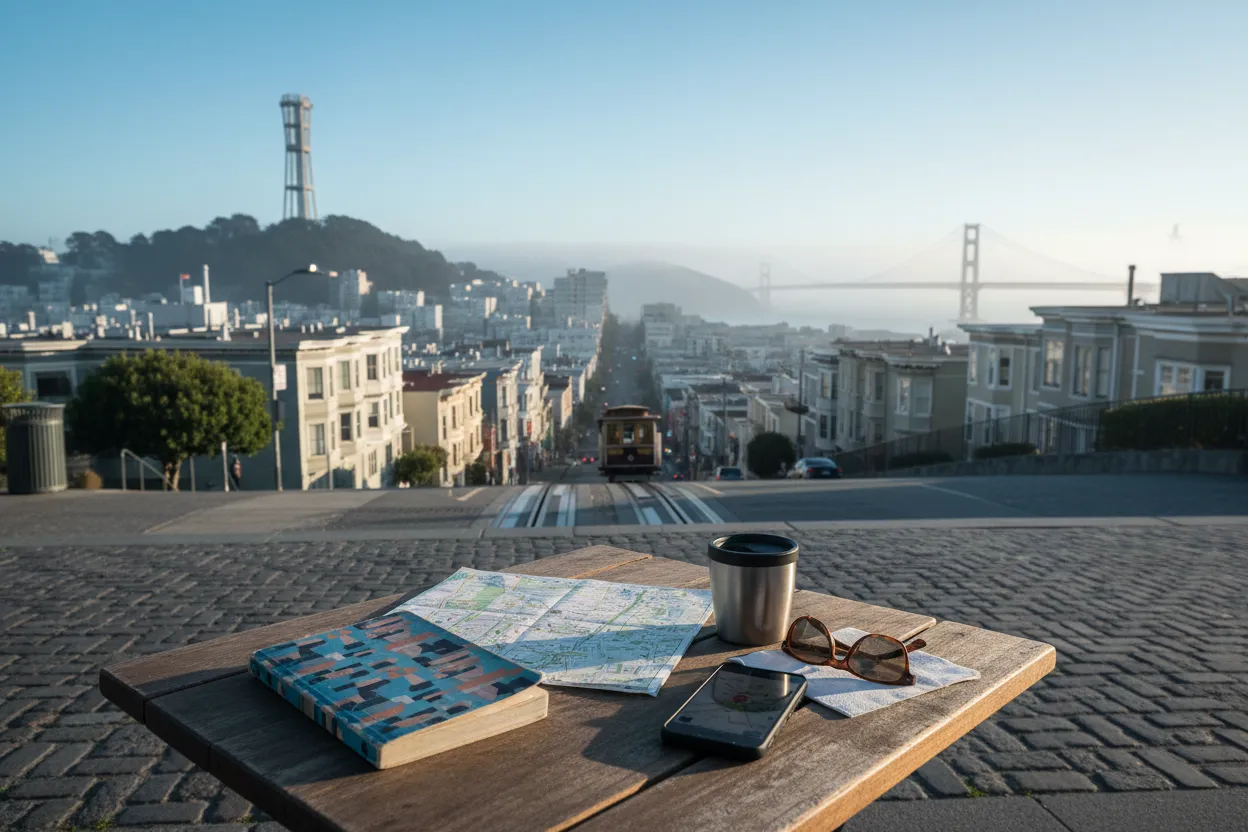
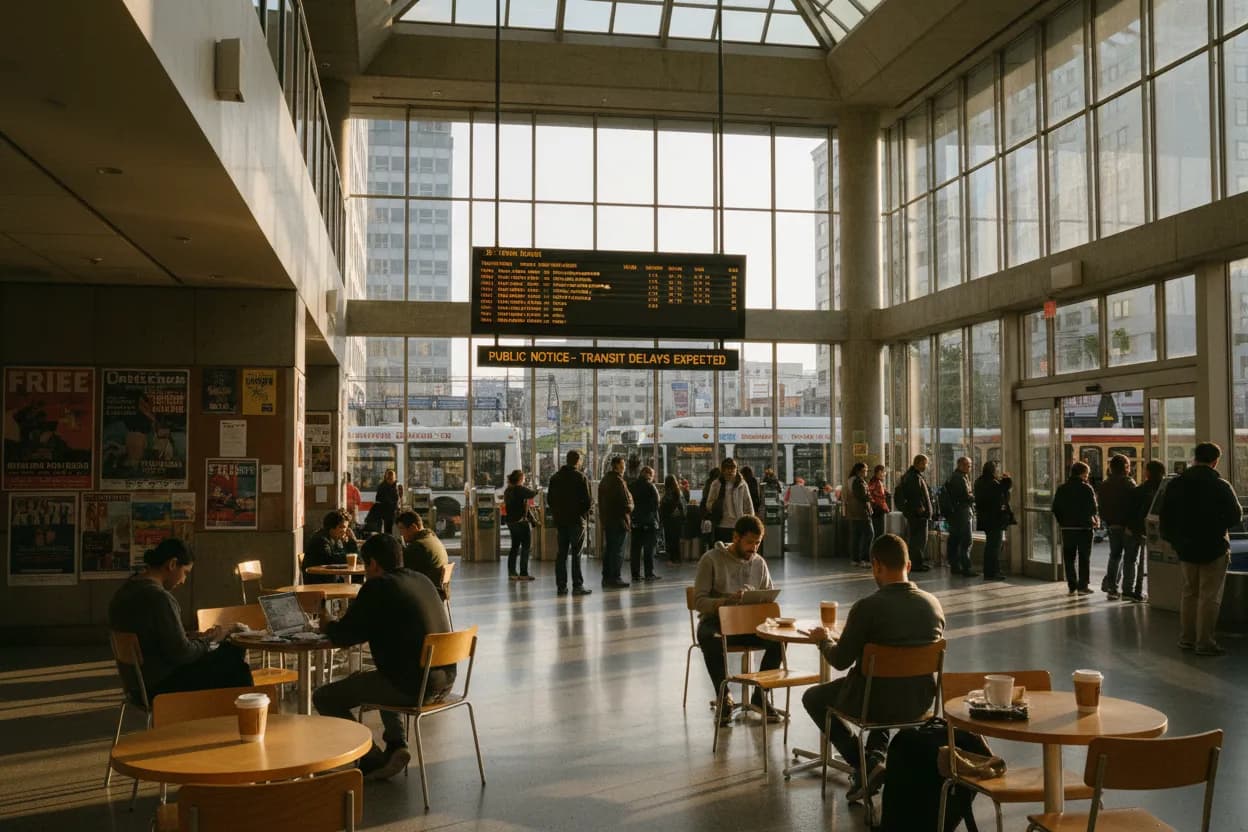
Use SFMTA’s Trip Planner before you leave, not after you are already standing at a stop. Enter the starting point and ending point, then compare the official options for Muni, walking, biking, or driving. If your plan depends on an elevator, check Muni Metro Elevator Status as part of the same pre-trip routine. Accessibility details are not an optional final step; they determine whether the route is realistic.
Keep the timing conservative. For a free city plan, the best window is the one that gives you daylight, a simple return route, and enough margin to skip the second stop if conditions change. If you are traveling with children, older relatives, or anyone who needs predictable transfers, avoid stacking multiple cross-town moves. A strong anchor plus a nearby backup usually beats three scattered stops.
Your culture stop does not need to be a ticketed institution. It can be a public-facing walk where you are observing architecture, murals, neighborhood storefronts, waterfront views, or civic space from sidewalks and open areas. Verify the route through SFMTA, keep it public, and avoid claiming access to any interior space unless the official operator confirms it for that day.
Use weather and crowd pressure as decision points
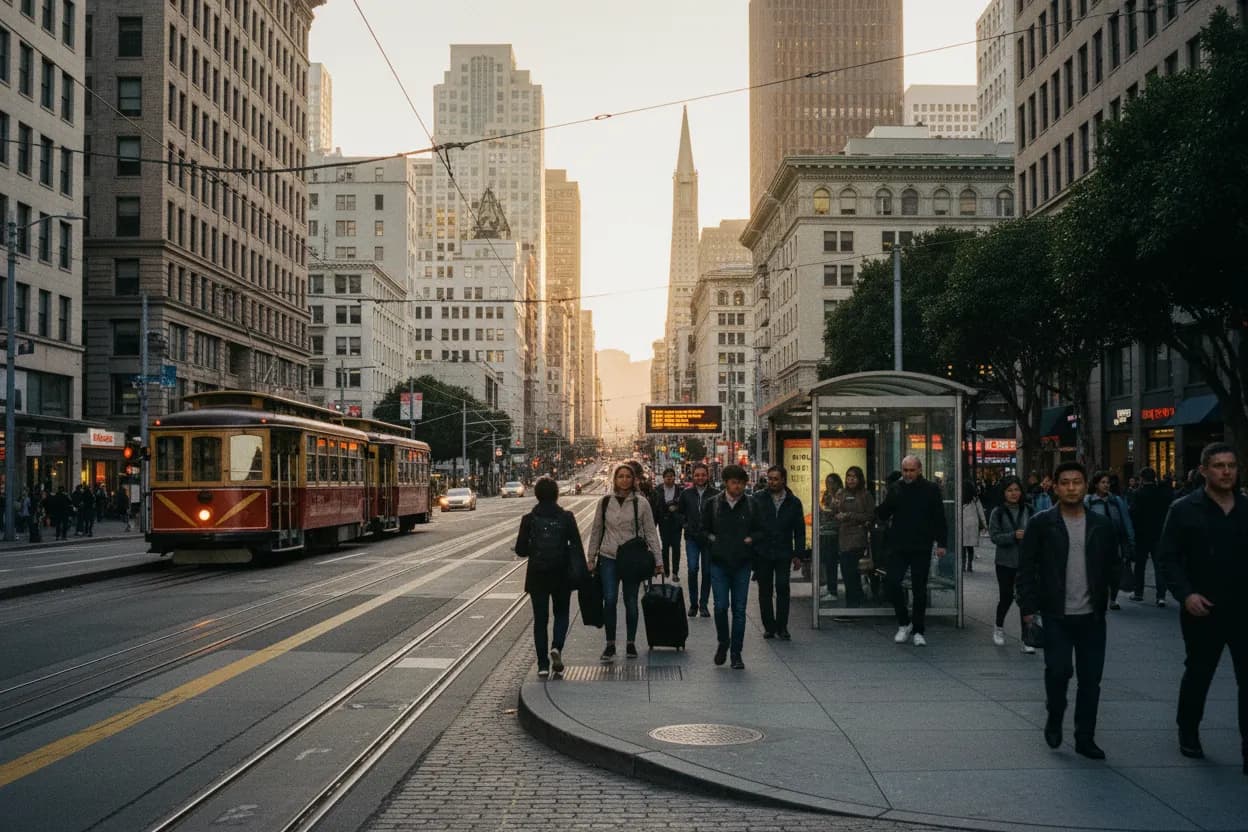
Crowd risk in San Francisco is often less about one destination and more about the route. SFMTA’s homepage showed travel and transit updates, including service-change notices and active alerts. It also listed recent alerts and an example of a reroute around Mission and 26th due to San Francisco Fire Department activity. The lesson is not that your route will be affected; it is that live conditions can change quickly.
Treat big-event residue as a reason to check movement, not as a reason to panic. The SFMTA site displayed an Outside Lands notice for August 7-9, and today is August 10, 2026. Do not assume that a past event controls today’s access, but do expect that large-event periods can affect how people move around the city. The official transit page is where that assumption gets tested.
Weather belongs in the same decision tree. If wind, fog, heat, or rain would make an exposed outdoor anchor unpleasant, switch the order or shorten the stop. Do not force a free plan just because it is free. A good backup is nearby, public, easier to leave, and reachable without a complicated transfer.
Know when free still requires registration
Free should never be read as guaranteed entry. Some public programs, civic activities, and recreation offerings can have capacity limits, sign-ups, room changes, or day-of notices. Because those details can change, verify them on the official page rather than relying on an old article or social post. If the official source does not confirm the detail you need, treat the stop as optional.
This is especially important when a plan includes anything indoors, scheduled, guided, or staff-supported. A sidewalk walk and an open public outdoor stop are different from a room, class, tour, or timed gathering. The first may only require common-sense access checks; the second may require current instructions from the operator. Do not promise your group a free program until the official page says what is happening.
Build the itinerary so registration uncertainty does not break it. Make the registered or scheduled piece the bonus, not the foundation. Your foundation should be the verified route, the public anchor, and the backup. That way, if a sign-up is full or a page changes, the day still works.
Recheck access on the day
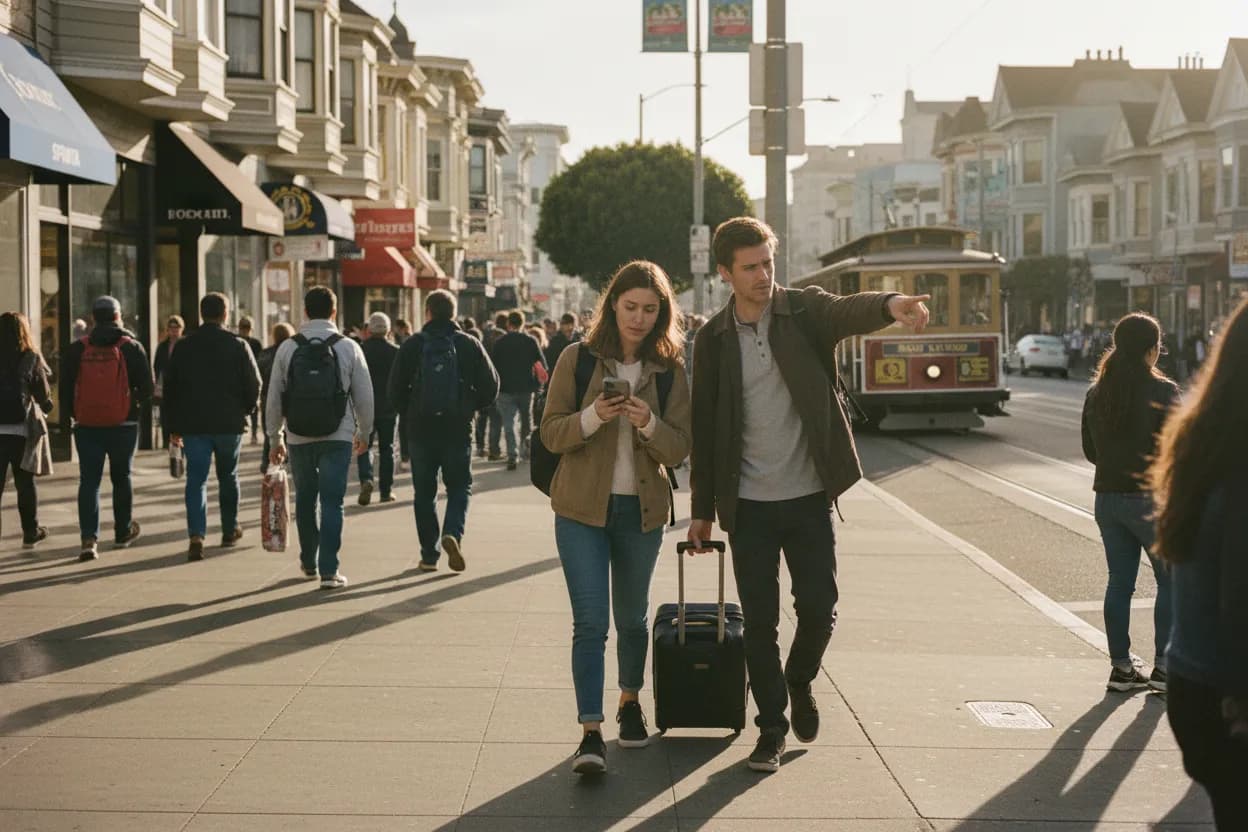
The day-of check is where a San Francisco plan becomes executable. Open SFMTA for route and stop information, review any travel and transit updates, and confirm whether service changes affect your path. SFMTA’s site also points visitors to maps and guides, which are useful when you need to simplify a route rather than improvise from a crowded platform.
Then check the recreation or destination source for the anchor. If the official page is unavailable, vague, or slow to load, do not invent certainty. Choose the backup and move on. A verification-first plan is not less adventurous; it is less fragile.
The final rule is to leave with an exit plan. Know your return route, the nearest practical transit option, and the point at which you will cut the outing short. Free San Francisco days are best when they feel light: one verified public anchor, one optional cultural walk, one backup, and no dependence on a trend story that was never local in the first place.
Tags: #SanFrancisco #FreeThingsToDo #AskKarpo #BeforeYouGo #SFMTA #Muni #SFTransit #OutdoorSF #CultureWalk #PublicAccess #CityPlan #TravelSmart #NoAdmission #SFWeekend
Sources consulted: sftravel.com · sfmta.com · sfrecpark.org
All trademarks are the property of their respective owners.
Ask Karpo first
Ask Karpo first if your San Francisco plan depends on a route, a public space, or a free program you have not checked today. A quick verification pass can catch transit alerts, access uncertainty, crowd pressure, and a practical backup before you spend energy getting there.