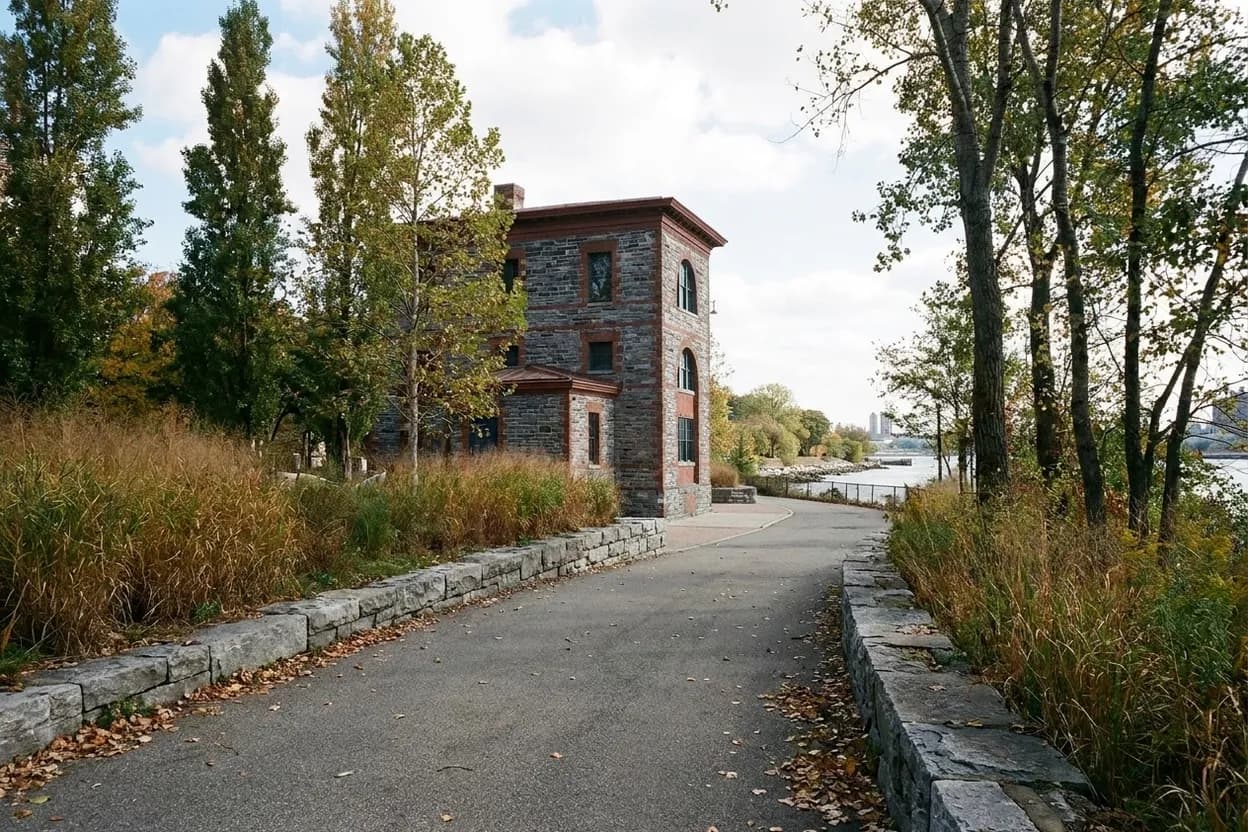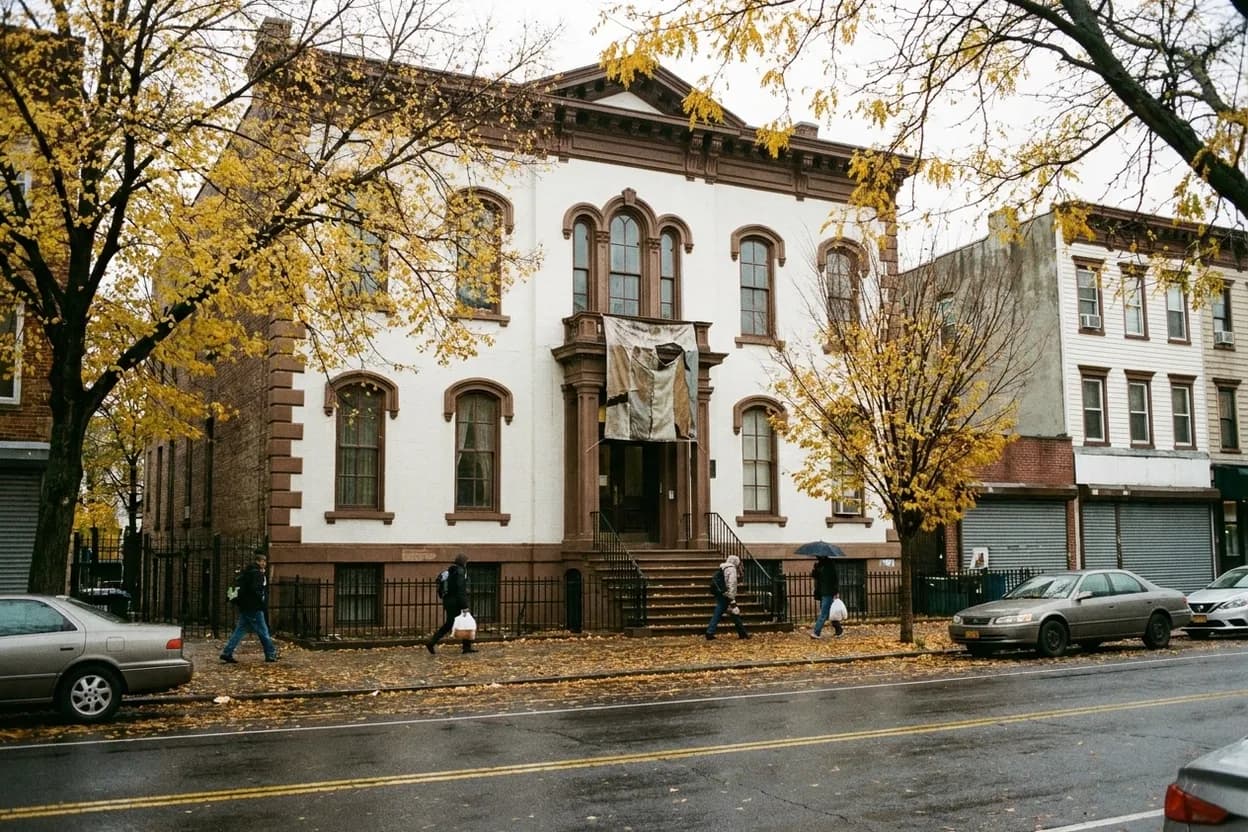
The Poppenhusen Institute, nestled in College Point, Queens, represents a unique intersection of Gilded-Age philanthropy and pioneering social reform. Commissioned by German immigrant Conrad Poppenhusen in 1868, this striking building initially served as a beacon of community, famously hosting the United States' first free kindergarten. Despite its significant historical footprint—including roles as a courthouse, bank, and library—it remains largely unknown to most New Yorkers and visitors, often bypassed for more central attractions. A recent $6.2 million city-funded upgrade in 2025 has revitalized this landmark, presenting a compelling reason to make the deliberate journey to witness its restored grandeur and rich narrative.
Want to explore beyond the usual NYC tourist paths and uncover a piece of educational history? Text Karpo "Poppenhusen Institute" for a tailored plan, including current hours and specific programming details.

An Enduring Legacy of Philanthropy and Education
The Poppenhusen Institute stands as a testament to the vision of its benefactor, Conrad Poppenhusen, who funded its construction in 1868. His original charter mandated that the building be accessible to all, irrespective of race, creed, or religion, an incredibly progressive stance for its era. This foundational principle underpinned its early role as a multi-faceted community hub, fostering education and civic engagement in the burgeoning College Point neighborhood.
The institute gained particular historical prominence on July 1, 1870, when it became home to the United States' first free kindergarten. This pioneering educational endeavor underscores its importance in the history of American schooling, offering a tangible link to foundational moments in public education. Beyond this, the building concurrently served diverse civic functions, housing a courthouse, bank, library, and even a sheriff’s office, illustrating its central role in the community’s daily life.
Architectural Significance and Landmark Status
Architecturally, the Poppenhusen Institute is noteworthy as one of the nation’s earliest structures built exclusively of cast or artificial stone. This innovative construction material for its time contributes to its distinctive appearance and historical value. Its unique design and enduring presence in College Point led to its designation as a New York City Landmark in 1970, recognizing its cultural and historical importance to the city.
Further cementing its place in the preservation landscape, the institute was listed on the National Register of Historic Places in the mid-1970s. This dual recognition highlights its significance both locally and nationally. Visitors with an interest in architectural history will appreciate examining the distinct material and design elements that characterize this Gilded-Age institution, especially following its recent extensive restoration.
The 2025 Restoration: A New Chapter
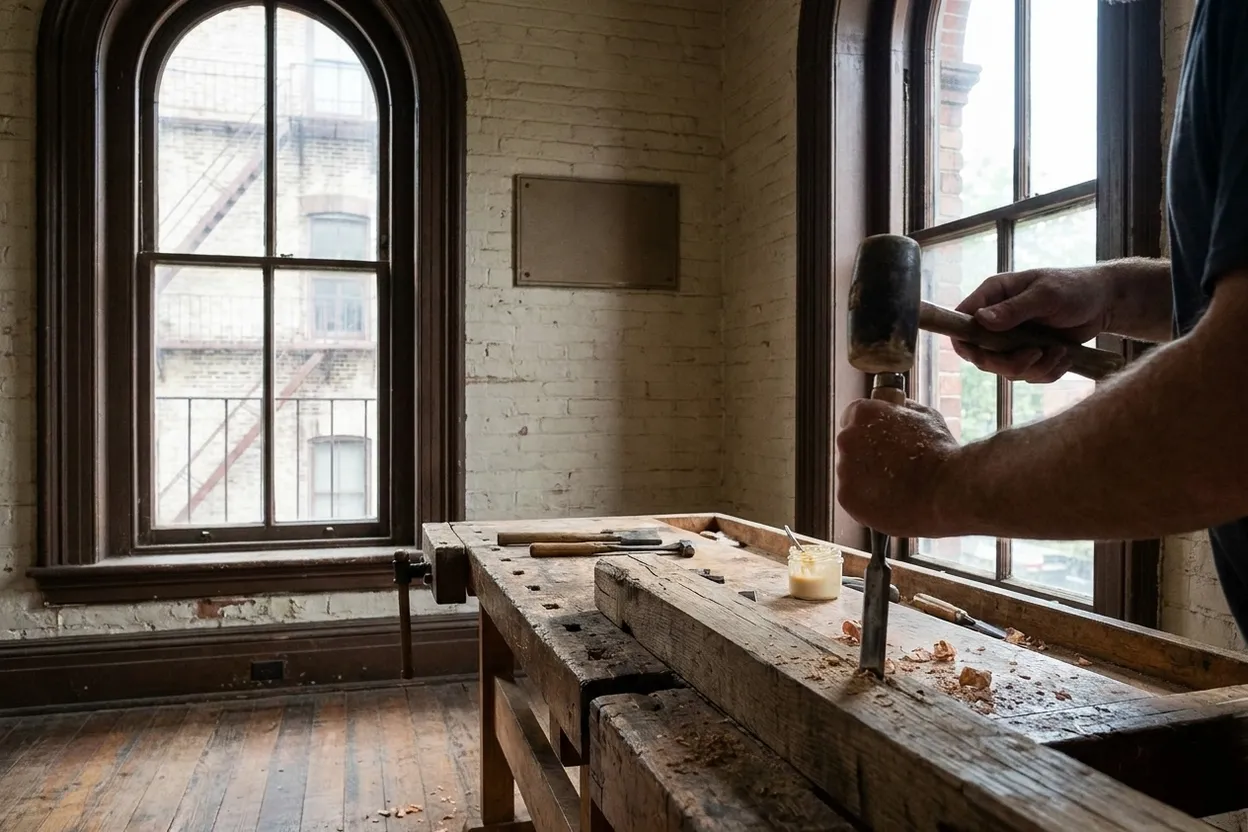
In 2025, the New York City Department of Design and Construction announced the completion of a substantial $6.2 million upgrade to the Poppenhusen Institute. This significant investment signals a renewed commitment to preserving and enhancing this historic site. For visitors, this means the opportunity to experience the building in its revitalized state, with its architectural details and historical spaces carefully restored.
The recent restoration ensures that the institute can continue its role as a vibrant community cultural center. Those interested in historical preservation can observe the impact of this major project, noting how the upgrades have respected the building's original character while ensuring its functionality for contemporary use. The completed work positions the Poppenhusen Institute for a new chapter of public engagement and historical interpretation.
Beyond the Kindergarten: A Building of Many Hats
While famed for its pioneering kindergarten, the Poppenhusen Institute's history is remarkably multifaceted, reflecting its adaptability to community needs over more than a century. Its records show it housed a sheriff’s office, with two remaining jail cells offering a tangible link to this specific past function. These cells provide a unique, often unexpected, glimpse into an aspect of civic administration that once operated within its walls.
The institute's continuous evolution from a bank to a library and various social spaces underscores its deep integration into the fabric of College Point life. This rich operational history means that a visit can offer insights into not just educational advancements, but also local governance, community services, and social gatherings throughout different eras. Each former function adds another layer to the building's compelling narrative.
Planning Your College Point Detour
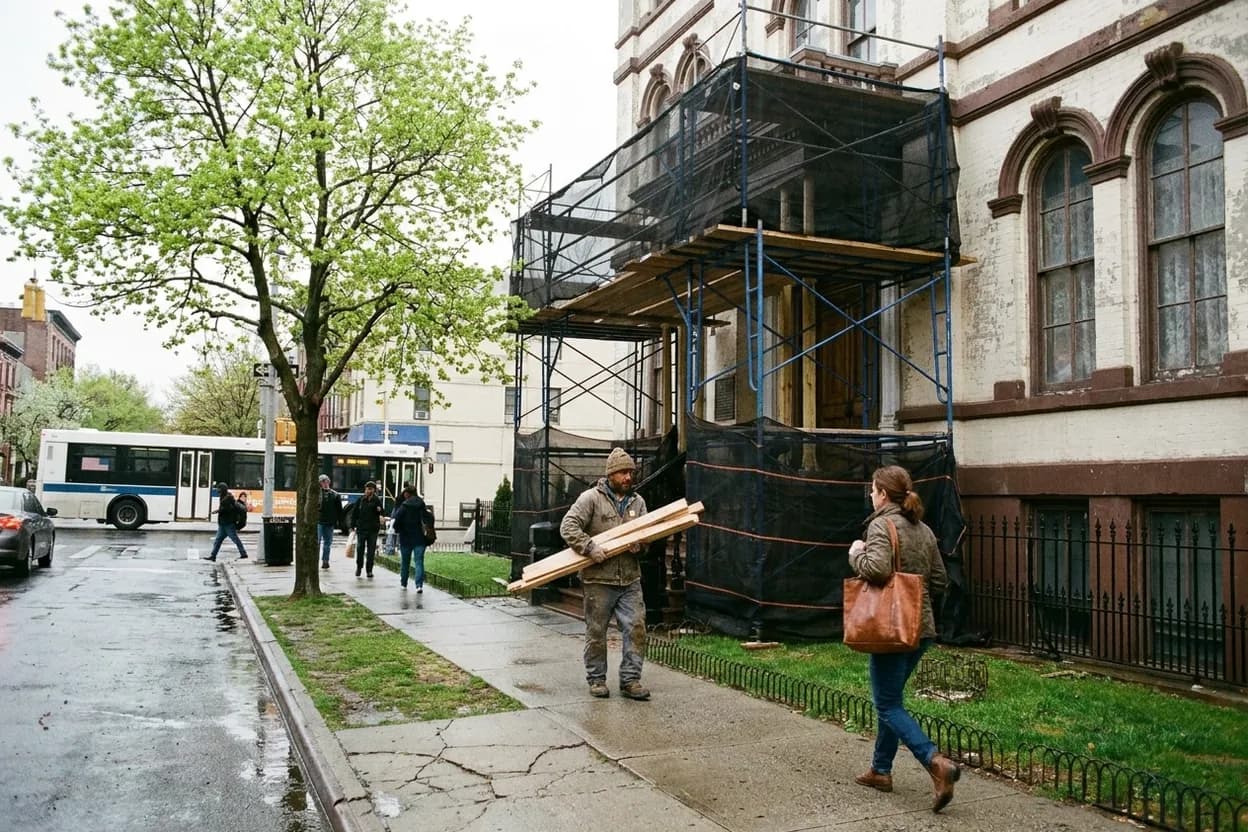
The Poppenhusen Institute is located at 114-04 14th Road in College Point, Queens. Its location means that visiting requires a deliberate detour from typical Manhattan or downtown Queens tourist routes, making it an ideal destination for those seeking a less-traveled, in-depth historical experience rather than a casual walk-by. This commitment to travel rewards visitors with a deeper connection to local history.
Given its specific location, planning your transportation is key. While not directly on a major subway line, College Point is accessible by bus connections from subway stations. Factor in travel time to ensure a relaxed visit, allowing enough time to appreciate the institute and possibly explore the surrounding College Point neighborhood, which offers its own unique local charm.
What to Look For During Your Visit
When exploring the institute, historical details abound. Beyond the general architecture and the story of the kindergarten, seek out specific remnants of its past. The documented presence of two remaining jail cells from its time as a sheriff’s office offers a particularly unusual and concrete connection to its varied civic roles. If tours are offered, inquire about seeing these specific historical features.
Pay attention to the building materials, especially given the city's description of it as one of the nation's first structures built exclusively of cast or artificial stone. The recent restoration, completed in 2025, means that exterior and interior finishes should be observed for their updated condition, reflecting modern preservation techniques applied to historic architecture. This blend of original intent and modern care provides a rich viewing experience.
Practical notes for Poppenhusen Institute
The Poppenhusen Institute currently functions as a community cultural center with a museum component and public programming. As of July 2026, while a secondary source reports public hours of Monday 9 am–6 pm, Wednesday 9 am–5 pm, and Friday 9 am–6 pm, this information is not explicitly confirmed on the official institute website provided in the source material. It is crucial to verify current operating hours, tour availability (scheduled, self-guided, or reservation-based), and any seasonal closures directly with the institute before planning your trip.
The institute’s official site indicates a diverse range of programs. Before your visit, consult their official website or contact them directly to confirm the current calendar of events, any specific reservation rules for programs or tours, and current visitor entry procedures. The recent $6.2 million upgrade, confirmed by a 2025 city press release, indicates the building is active and well-maintained, but this does not negate the need to confirm current access details to ensure a smooth and enjoyable visit.
Tags: #PoppenhusenInstitute #CollegePoint #NYCHistory #SecretNYC #GildedAge #FirstKindergarten #QueensLandmarks #CommunityCenter #HistoricPreservation #OffTheBeatenPath #NYCExploration #AskKarpo #BeforeYouGo #LocalHistory
Sources consulted: Source 1: poppenhuseninstitute.org · Source 2: nyc.gov · Source 3: s-media.nyc.gov · Source 4: timeout.com · Source 5: brownstoner.com · Source 6: itsinqueens.com · Source 7: amny.com · Source 8: en.wikipedia.org · Source 9: untappedcities.com · Source 10: en.wikipedia.org
All trademarks are the property of their respective owners.
Ask Karpo first
Tell Karpo your date, group size, budget, and starting neighborhood. We’ll check current access, timing, transit, and the cleanest plan for Poppenhusen Institute before you head out.