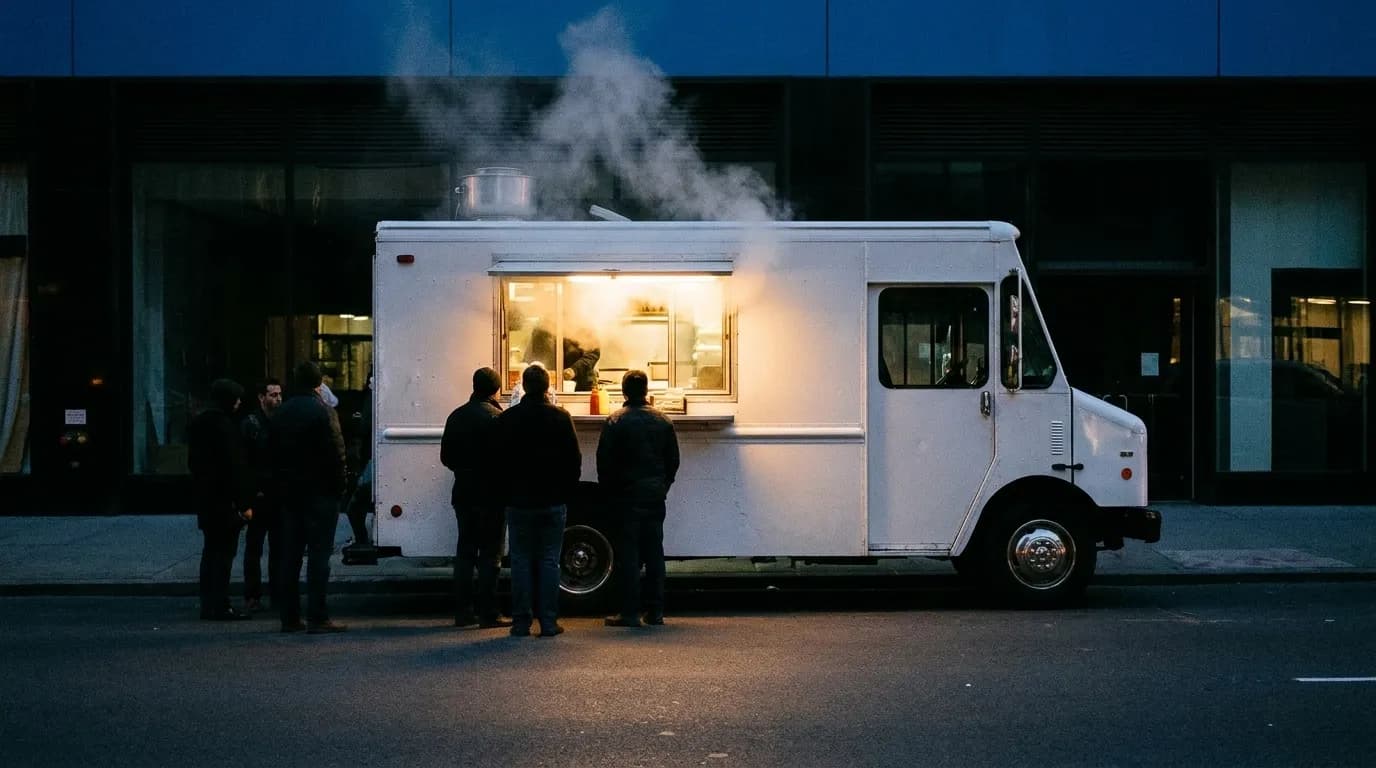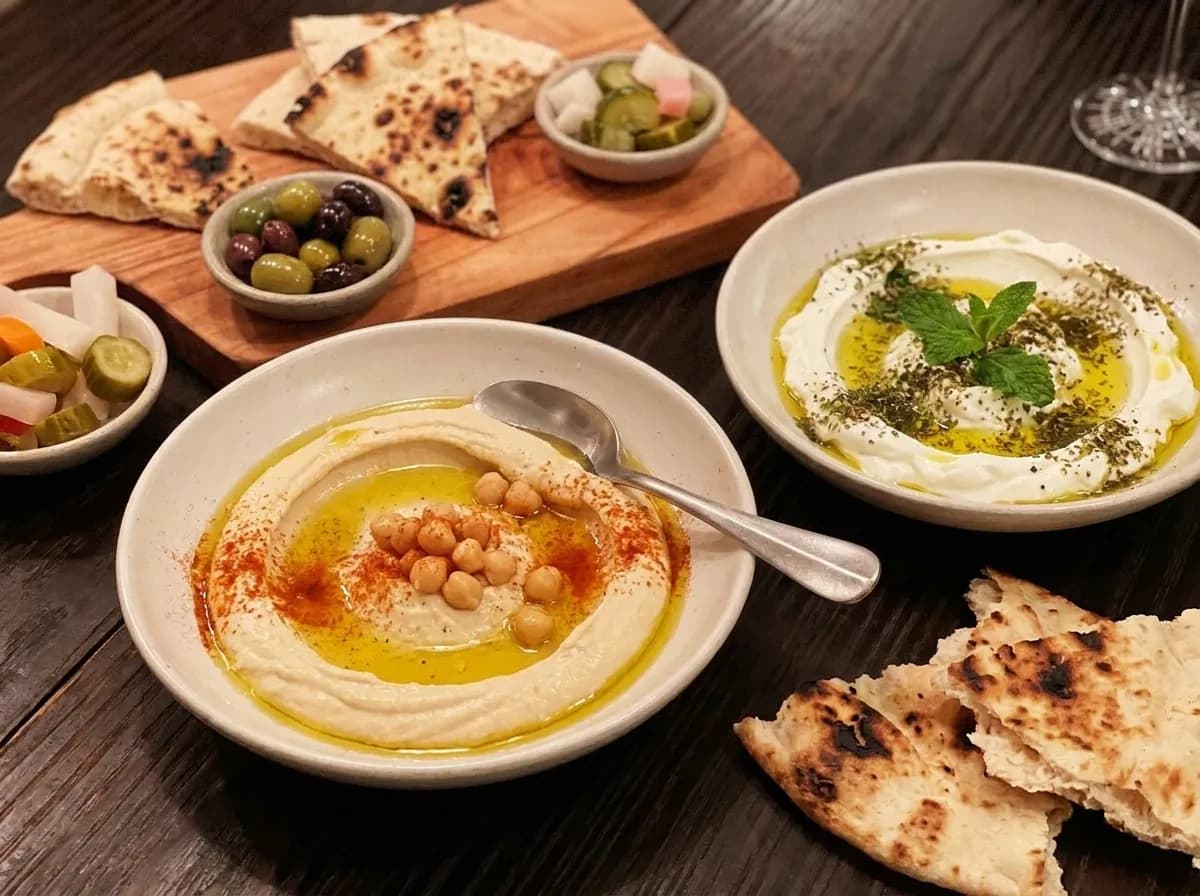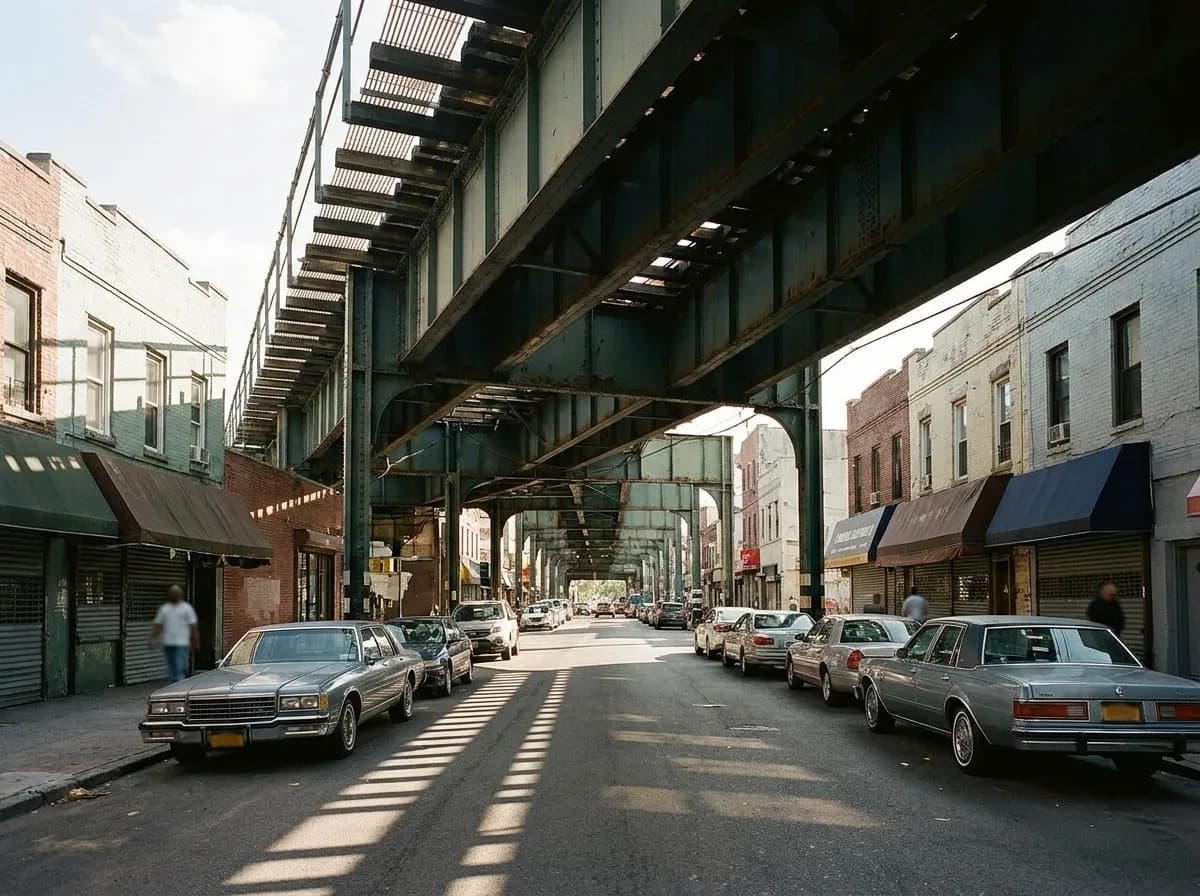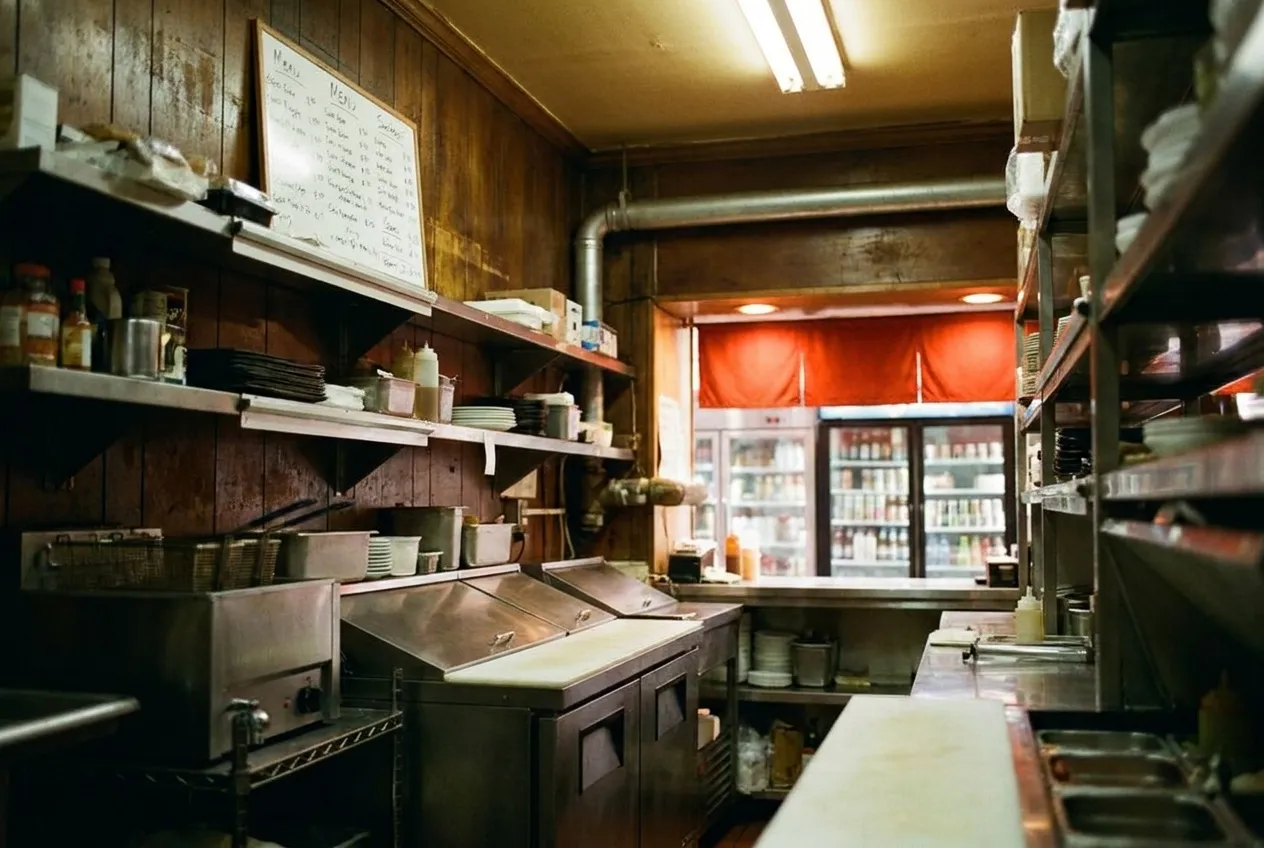
Over the past two years, rents pushed serious cooking into spaces that were never designed as restaurants. A taco operation sets up in the back corner of a produce market. A Yemeni kitchen shares a Chinatown address with a import warehouse. A Bangladeshi counter runs out of a convenience store in Kensington. These are not pop-ups or side hustles. They are full operations with regular customers, consistent hours and kitchens that produce better food than most storefronts charging twice as much. The problem is that Google Maps shows the bodega, not the five-table Malaysian operation behind the refrigerator case.
When you need to eat in the next thirty minutes and every storefront restaurant has a wait, the Karpo app surfaces the counters that don't advertise and the stalls that share an address with three other businesses.
Why mapping apps fail at this
Most of these operations do not have their own address. They share a lease, a storefront, and often a legal business name with the grocery or laundromat or import shop that was there first. When the host business registered with the city fifteen years ago, there was no kitchen. The kitchen arrived later, sometimes much later, and never filed separate paperwork because it is technically part of the original business.
The result is that the pin on your map belongs to the bodega. The bodega's hours are listed, not the kitchen's. The phone number rings at the register, where the person who answers may not speak the same language as the person cooking in back. Reviews get split across multiple entries or attached to the wrong business entirely. A significant percentage of the city's cheapest, most reliable meals are functionally invisible to anyone searching by cuisine or rating.
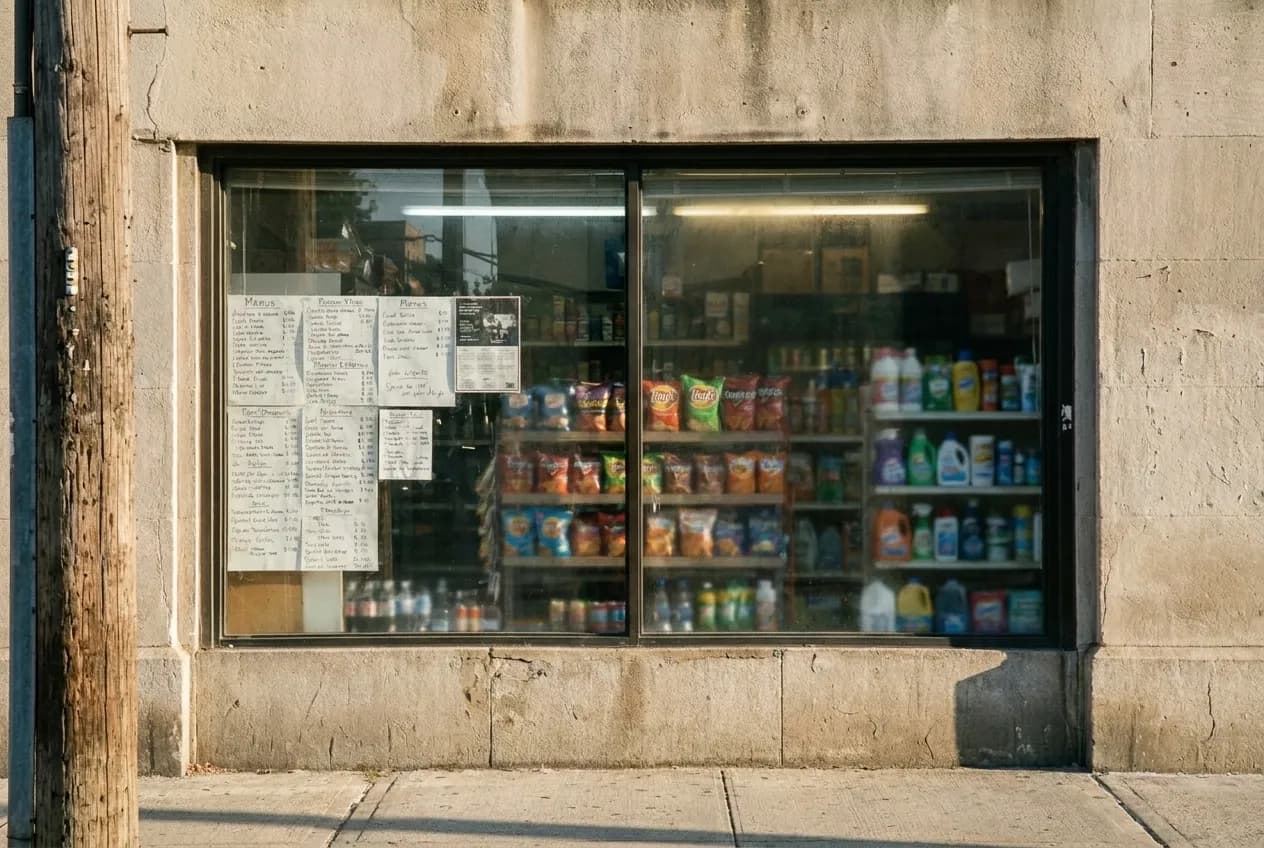
The tell from the sidewalk is almost always the same: a handwritten menu taped to the inside of the window, usually in two languages, listing six to twelve items with prices between seven and fourteen dollars. The menu is often behind the beer cooler or partly obscured by lottery ticket ads. If you see that menu and the business is not obviously a restaurant, there is a kitchen in back.
Which building types host them and where they cluster
Bodegas are the most common host, especially in neighborhoods where the rent is too high for a standalone restaurant but the foot traffic justifies prepared food. Look along Roosevelt Avenue in Jackson Heights, Church Avenue in Flatbush, and the blocks of Sunset Park between Eighth Avenue and the waterfront. The kitchen is usually behind the counter or through a doorway past the refrigerators. You order at the counter, pay at the register, and pick up when your name is called or your number is ready.
Laundromats are the second most reliable host, particularly in Chinatown, the Lower East Side and parts of the Bronx where the laundromat occupies a large ground-floor space with room for a walled-off kitchen and a few tables. The hours are strange because the laundromat is open late but the kitchen often closes at eight or nine. You walk past the washers, order at a counter near the back, and sit at tables that are clearly newer than the laundromat itself.
Grocery stores with a produce section frequently have a counter near the rear exit or along one side wall. These are common in Bushwick, Ridgewood, and the blocks around Grand Concourse in the Bronx. The kitchen serves the neighborhood that shops there, which means the menu reflects what the grocery stocks. You will see the same herbs and vegetables on your plate that are piled in crates near the entrance. The counter has stools or a narrow shelf. Most people take their food to go.
Market halls and food courts inside larger retail spaces are the newest iteration of this model, but they function differently. Flushing, Koreatown, and parts of Chinatown have multi-stall operations where each kitchen is independent but shares a dining area with a dozen others. The advantage is choice. The disadvantage is that the dining area is usually crowded between noon and two, and again between six and eight. If you arrive outside those windows, you have the place mostly to yourself.
What people believe versus what is actually true
The persistent myth is that these operations are somehow informal or unlicensed. They are not. Every kitchen serving prepared food in New York City is inspected by the health department and holds the same permits as a standalone restaurant. The difference is that the permit is filed under the host business name, which makes it harder to look up online. The inspection record exists. It is just attached to the bodega, not the kitchen.
Another common belief is that the food is cheaper because the ingredients are lower quality. The opposite is usually true. These kitchens have access to wholesale produce and meat from the same suppliers that stock the grocery or market around them. They pay less rent than a storefront restaurant, so they can charge less while using better ingredients. A twelve-dollar plate from a counter in a Sunset Park grocery often contains the same cut of meat that costs eighteen dollars at a table-service restaurant six blocks away.
People also assume that the hours are unpredictable. The hours are strange, but they are consistent. Most of these kitchens open later than a typical breakfast spot, around ten or eleven, and close earlier than a dinner restaurant, around eight or nine. They are built around lunch and early dinner, which is when the neighborhood eats. If you show up at noon on a Tuesday, the kitchen will be open. If you show up at ten at night, it will not. The hours do not change day to day. They change based on whether the cook is there, which is almost always the same schedule every week.
The other myth is that you need to speak a specific language to order. You do not. Most of these counters have a menu in English, even if it is handwritten or printed on a single laminated sheet. The person taking orders has been taking orders from people who do not speak their language for years. They know how to point, nod, and confirm. If you are polite and patient, the transaction works fine.
Etiquette and tactics for counters with no seating
When there are no tables, the expectation is that you are taking the food to go. If you want to eat there, look for stools at the counter or a narrow shelf along the wall. If those exist, you can eat standing or perched. If they do not exist, do not try to eat in the aisle. The bodega is still operating as a bodega. People need to get past you to reach the refrigerators.
Order at the counter, pay immediately, and step aside. The kitchen will call your name or your order number when it is ready. If the counter is busy, your wait will be ten to fifteen minutes. If it is slow, your food will be ready in five. Do not ask how long it will take. The answer is always the same: it will be ready when it is ready. If you are in a hurry, say so when you order. The kitchen will tell you if that is possible.
When you pick up your order, check that you have napkins, utensils, and any sauces you asked for. The counter does not have a station where you can grab extras. If you need something, ask before you leave. Once you are outside, you are on your own.
If the kitchen is out of something on the menu, do not be surprised. These operations buy fresh every day or every other day, and they make as much as they expect to sell. When they run out, they run out. The counter will tell you what is still available. Order from that list.
Tipping is expected if there is a tip jar or a line on the receipt. A dollar or two on a ten or twelve dollar order is standard. If you are paying cash, round up. If you are paying by card, add fifteen percent. The person at the counter is often the person who cooked your food.
When the obvious choice is closed or the line is out the door, walk two blocks in any direction and look for the handwritten menu in the window. The second-best option in most New York neighborhoods is not another restaurant. It is the counter in the back of the grocery that the mapping app does not know how to show you.
Tags: #PlacesToEatNearMe #NYCHiddenGems #CheapEatsNYC #BodegaFood #NYCFoodHall #SunsetParkEats #JacksonHeightsFood #Flushing #ChinatownNYC #FlatbushEats #RidgewoodFood #BushwickEats #NYCCounters #HiddenKitchens #LocalEatsNYC
Please drink responsibly. Must be of legal drinking age.
All trademarks are the property of their respective owners.
Ask Karpo first
The Karpo app knows which counters are open right now, what they are serving today, and how long the walk is from where you are standing. It pulls live hours for the kitchens that do not show up in search results and routes you to the entrance, not the host business pin two doors down.