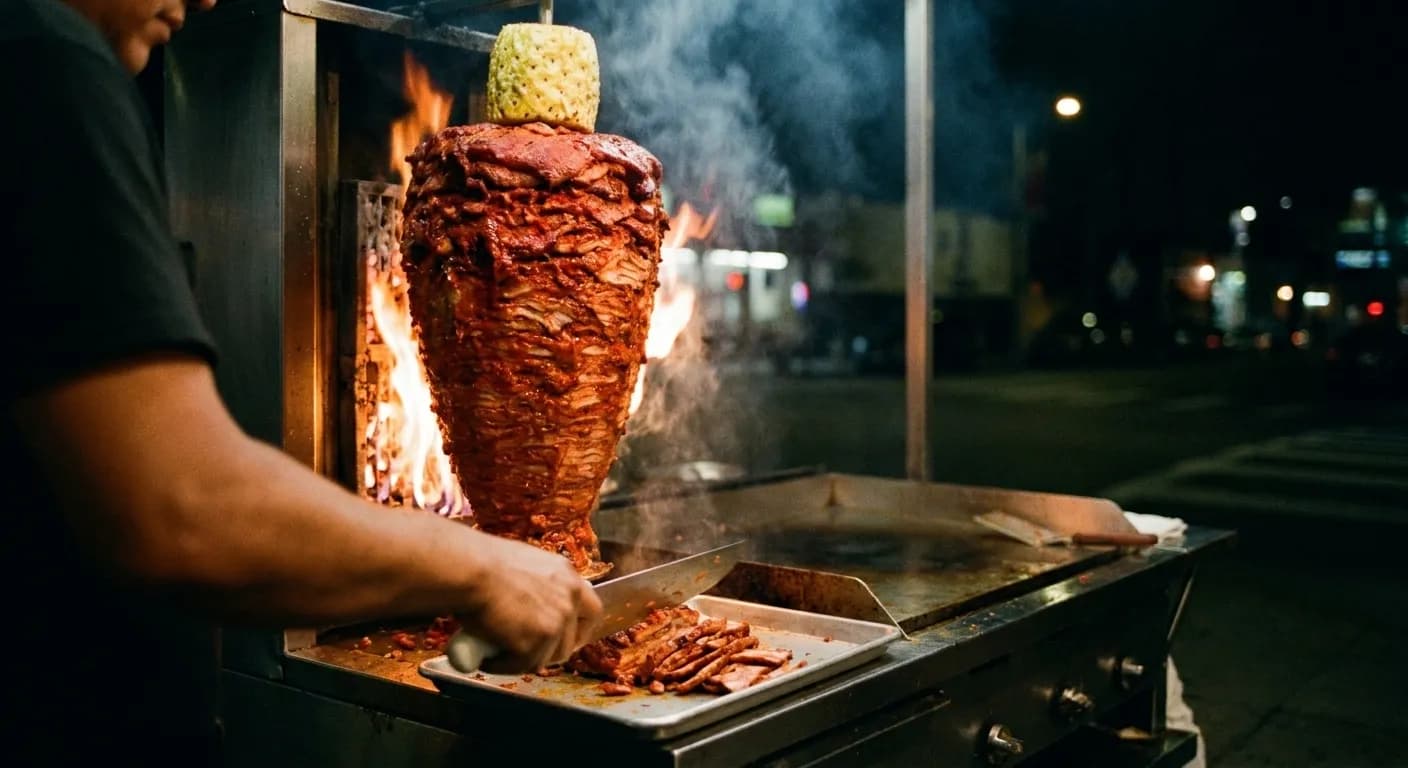
Searching places to eat near me in Los Angeles returns rankings, and rankings answer a question almost nobody is asking. On a normal weeknight you are not trying to find the best restaurant within four miles. You are trying to eat well without the evening going sideways — without an hour on a sidewalk, without circling for parking, without shouting across the table, without discovering the place closed on Mondays. Reliability is a real quality and it is not correlated with the rating. It is worth choosing for directly.
A reliable restaurant is one where the evening does not get derailed by the wait, the parking or the noise. Tell Karpo which of those you cannot afford tonight and it will filter for that rather than for a rating.
Failure one: the wait you did not plan for
Los Angeles has an unusually large number of excellent restaurants that refuse reservations, and they cluster in exactly the neighbourhoods people drive to. The resulting hour on the pavement is fine when it is the plan and ruinous when it is not. The reliable picks in this category are the rooms that keep a real bar, take bookings for parties of two, or are large enough that turnover outruns the queue — older institutions, hotel dining rooms and the bigger neighbourhood mainstays.
If you must go to a no-reservation room on a weeknight, the arrival times that work are before 6.15 or after 8.45. The middle is where the wait lives, and it is longer on Thursday than on Friday almost everywhere in this city.
Failure two: the parking
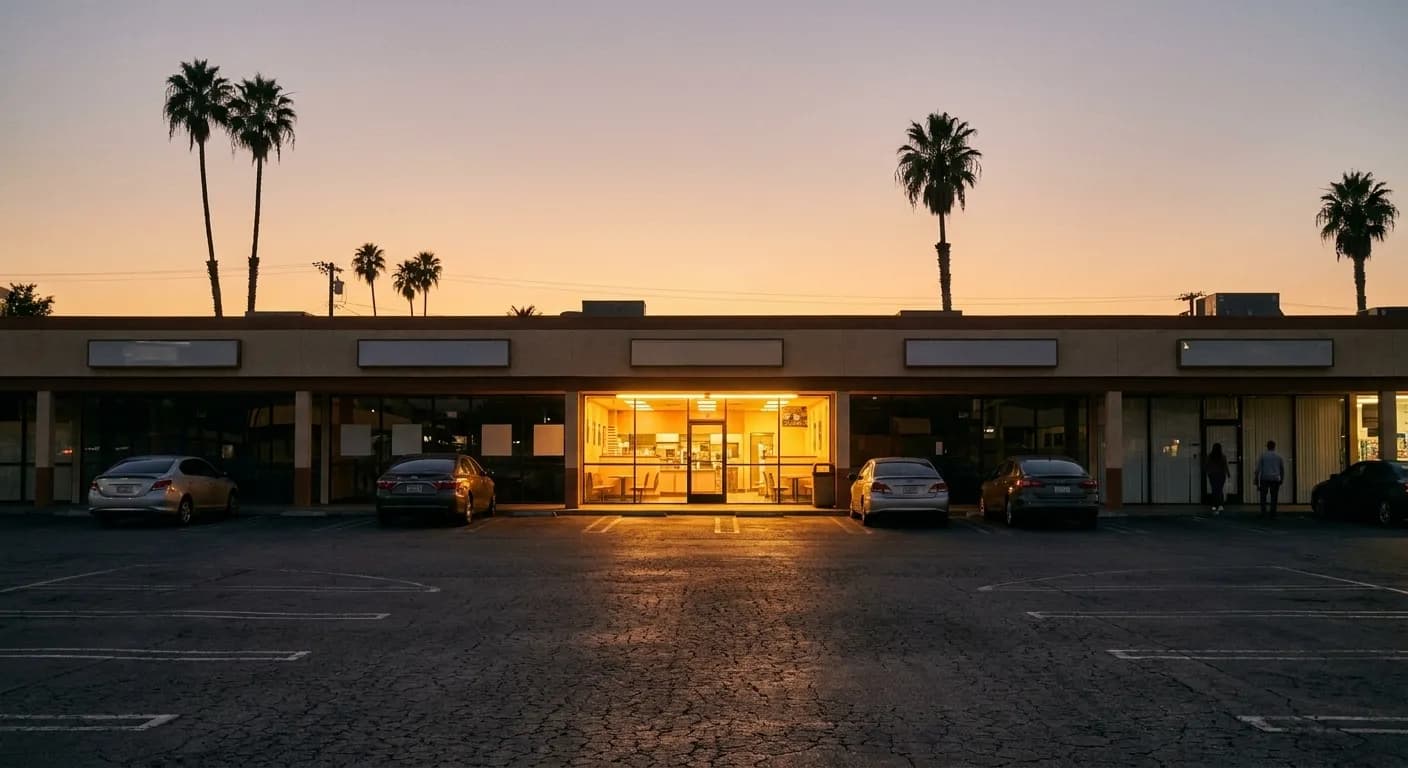
Parking is the variable Angelenos privately weight highest and rarely mention in a recommendation. A restaurant with its own lot, or on a stretch with unmetered residential parking a block back, is functionally twenty minutes better than an equally good room in a dense corridor. Valet solves it for money; a strip mall solves it for free, which is a large part of why so much of the best food in this county sits in strip malls.
Failure three: the noise
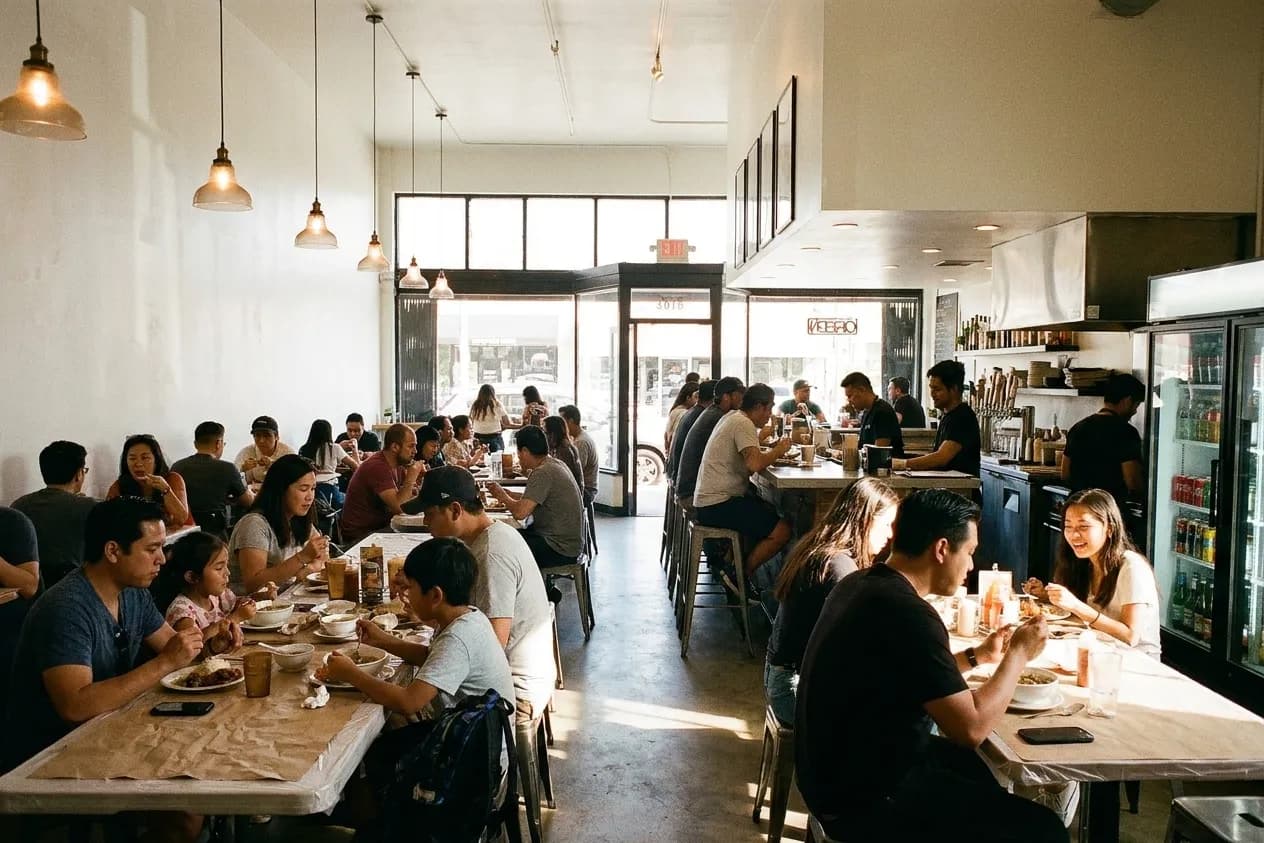
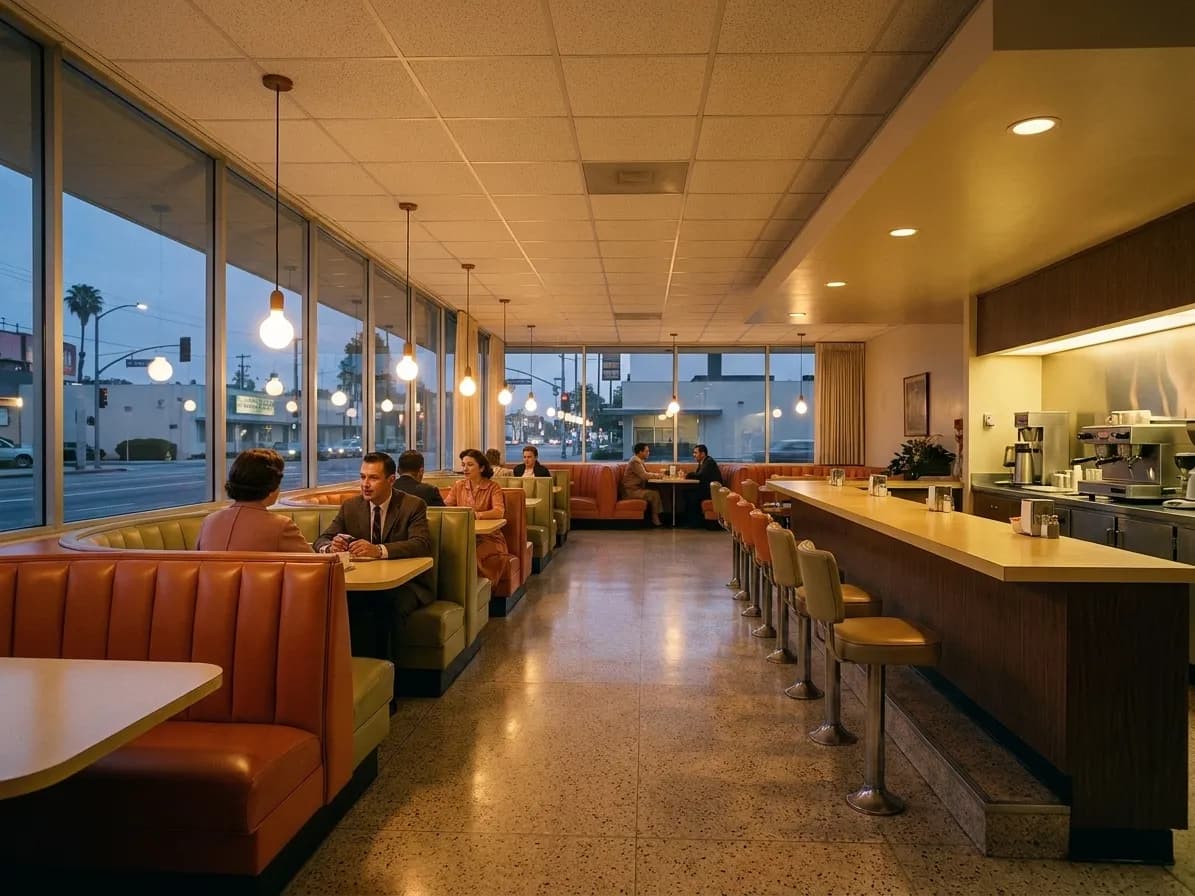
Hard surfaces, open kitchens and high ceilings are the current default, and they make conversation work. This does not matter at all for a group of four who are there for the food, and it matters enormously for a table of two catching up or anyone with hearing difficulty. The reliable choices are older rooms with soft furnishings, restaurants with booths, and anywhere with an outdoor section, which this city has more of than almost anywhere.
Failure four: the closure you did not check
Monday and Tuesday closures are widespread among owner-operated restaurants in Los Angeles, and holiday hours are irregular in ways listings do not track. The genuinely reliable rooms are the seven-day operations: diners, delis, Chinese and Korean kitchens in the San Gabriel Valley and Koreatown, and the older 24-hour institutions. Knowing two or three of those near you is worth more than a long list of places that might be closed.
Failure five: the menu that does not fit the table
A tasting menu with a vegetarian at the table, a single-dish specialist with a picky eater, a bar-food room with a child — these are not bad restaurants, they are bad matches. The most reliable rooms in this city are the broad ones: a Mexican kitchen with a long menu, a Thai room that does noodles and curries and grilled things, a diner that covers breakfast at nine at night. Breadth is underrated precisely because it never wins a ranking.
Building your own short list
The useful exercise is to pick one reliable restaurant per failure mode near where you actually are, rather than eighteen good ones scattered across a county that takes an hour to cross. One with parking. One that takes bookings. One that is quiet. One open seven days. One with a menu wide enough for anyone. That list of five will carry more weeknights than any ranking, and it does not go out of date when a chef moves.
Hours, reservation policies and parking arrangements change constantly here, so check the day you go. The failure modes are permanent; the specific answers are not.
The strip mall, which is the county's real answer
It is worth stating plainly, because visitors find it counter-intuitive: a very large share of the best and most reliable eating in Los Angeles happens in strip malls. The reason is structural rather than aesthetic. A unit in a strip mall is cheap enough for a family to open a specialised kitchen, comes with free parking attached, and sits on a boulevard where the rent does not force a menu to broaden. Every failure mode above is reduced by that arrangement at once.
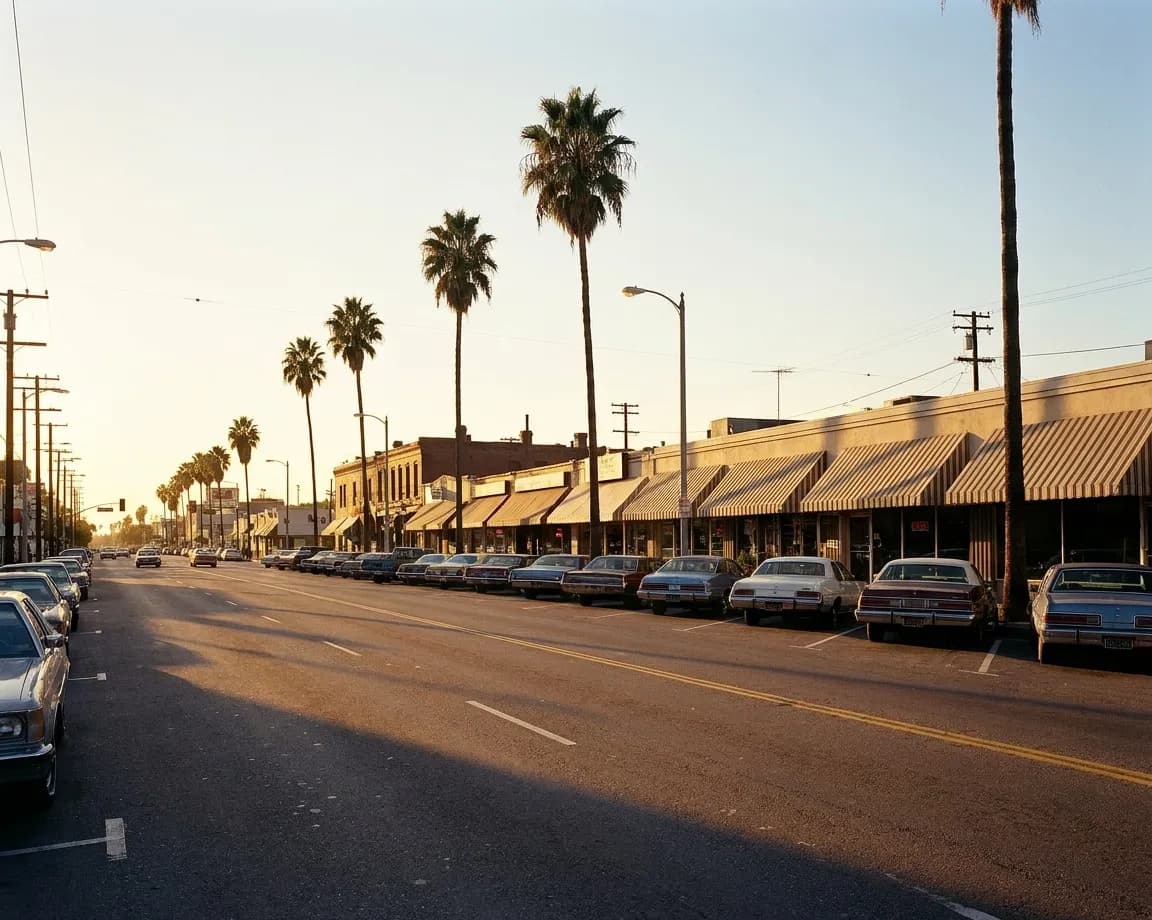
The corollary is that a beautiful frontage on a walkable street is frequently paying for the street rather than the kitchen, and passing the cost to you. This is not a rule against handsome restaurants — plenty are excellent — but when you are optimising for reliability on a weeknight rather than for an occasion, the ugly building with the full car park in front of it is usually the better bet.
Tags: #LosAngeles #LA #SoCal #Restaurants #WhereToEat #Dining #LAEats #LAGuide #ExploreLA #LALocal #LAWeekend #LANights #LAFood #LALife
Sources consulted: la.eater.com · latimes.com · timeout.com
All trademarks are the property of their respective owners.
Ask Karpo first
Karpo is a proactive AI assistant that lives in iMessage. Tell it what would ruin tonight and it will rule those places out.