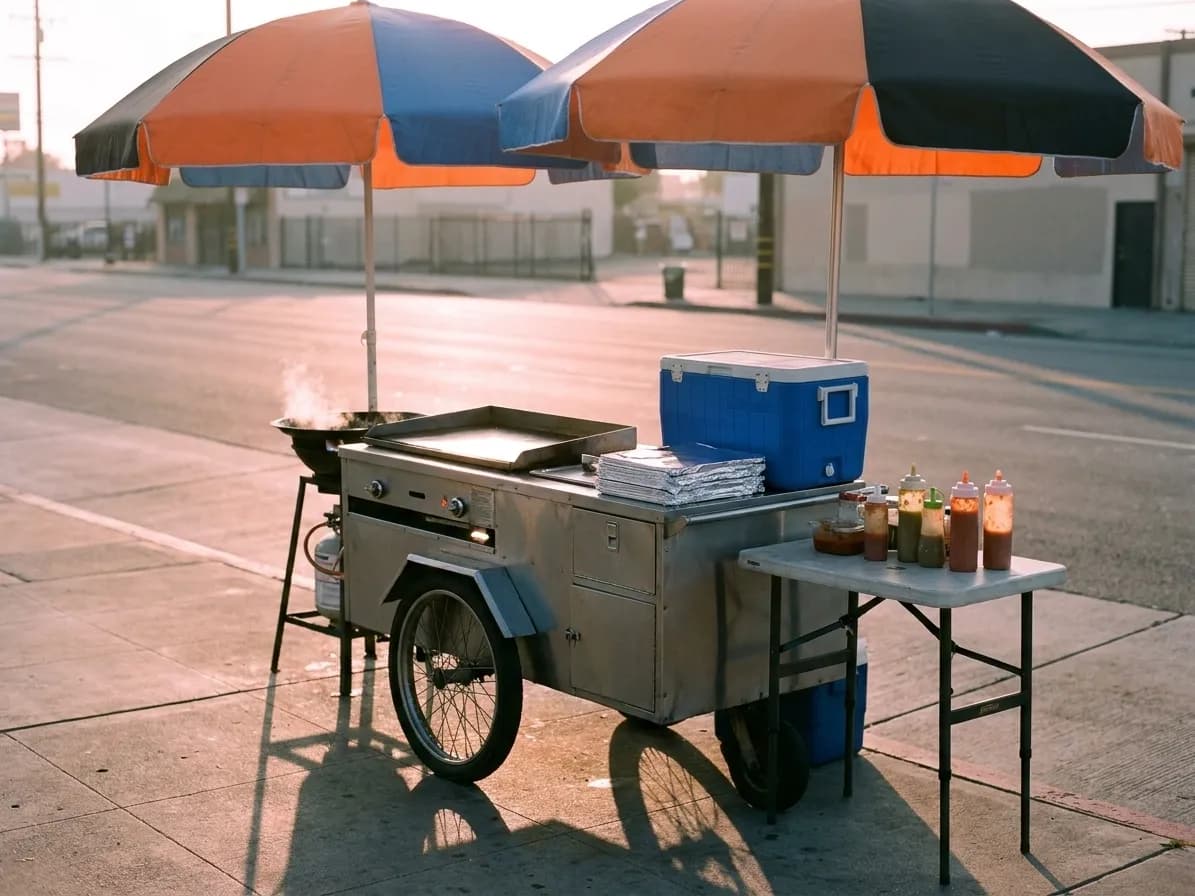
Los Angeles pizza writing has a geographic bias so consistent it is almost a rule: it covers the Eastside, downtown and the beach cities, and it stops at the Santa Monica Mountains. North of the hill, across a couple of hundred square miles of the San Fernando Valley, there is a dense supply of pizzerias operating out of strip malls - family-run, twenty or thirty years old in a number of cases, with parking, big tables and prices that have not tracked the ones on the other side. The Valley is not an undiscovered scene. It is simply one that nobody from the basin drives to.
The Valley is enormous and the difference between a good strip-mall pizzeria and an indifferent one is invisible from the car park. Tell Karpo which part of the Valley you are in and whether you are eating in or taking it home, and it will point you at the right lot.
Why the strip mall is the correct format here
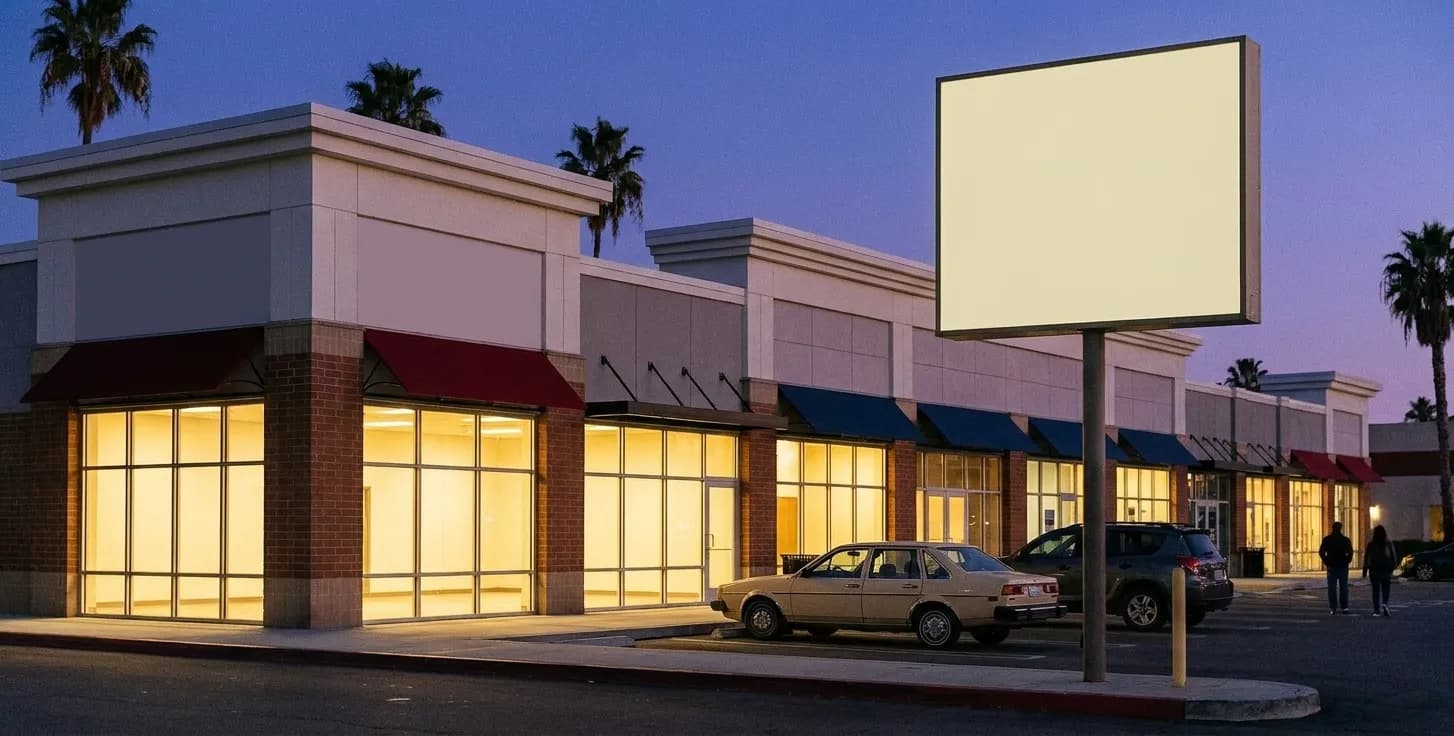
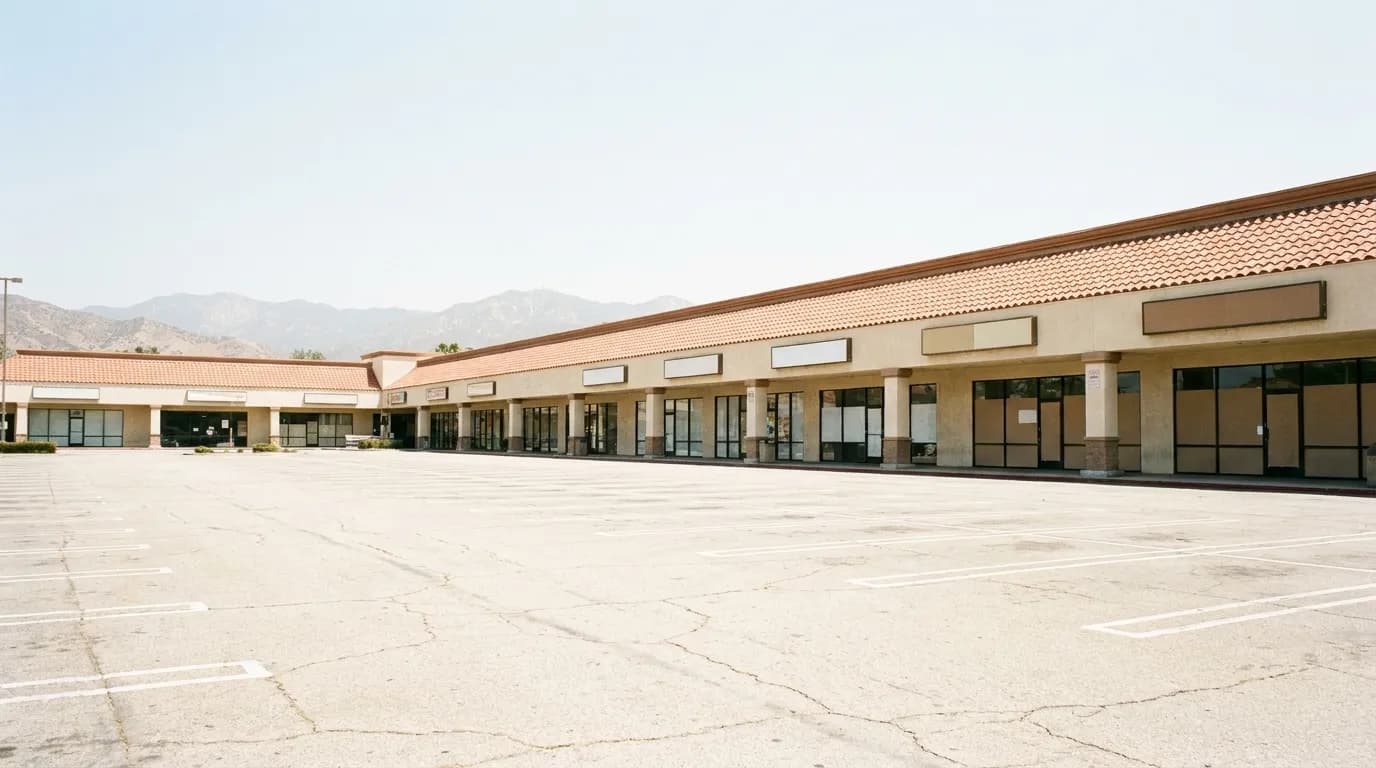
The Valley was built around the car, and the strip mall is the architecture that follows from that. For a pizzeria this turns out to be a set of advantages: cheap square footage, so the dining room is large; a shared lot, so parking is free and immediate; and a captive neighbourhood trade that does not require passing foot traffic.
The consequence is a restaurant that can survive on families and takeaway for decades without ever being fashionable. That is exactly the business model that produces a consistent pizza.
What Valley pizza actually is
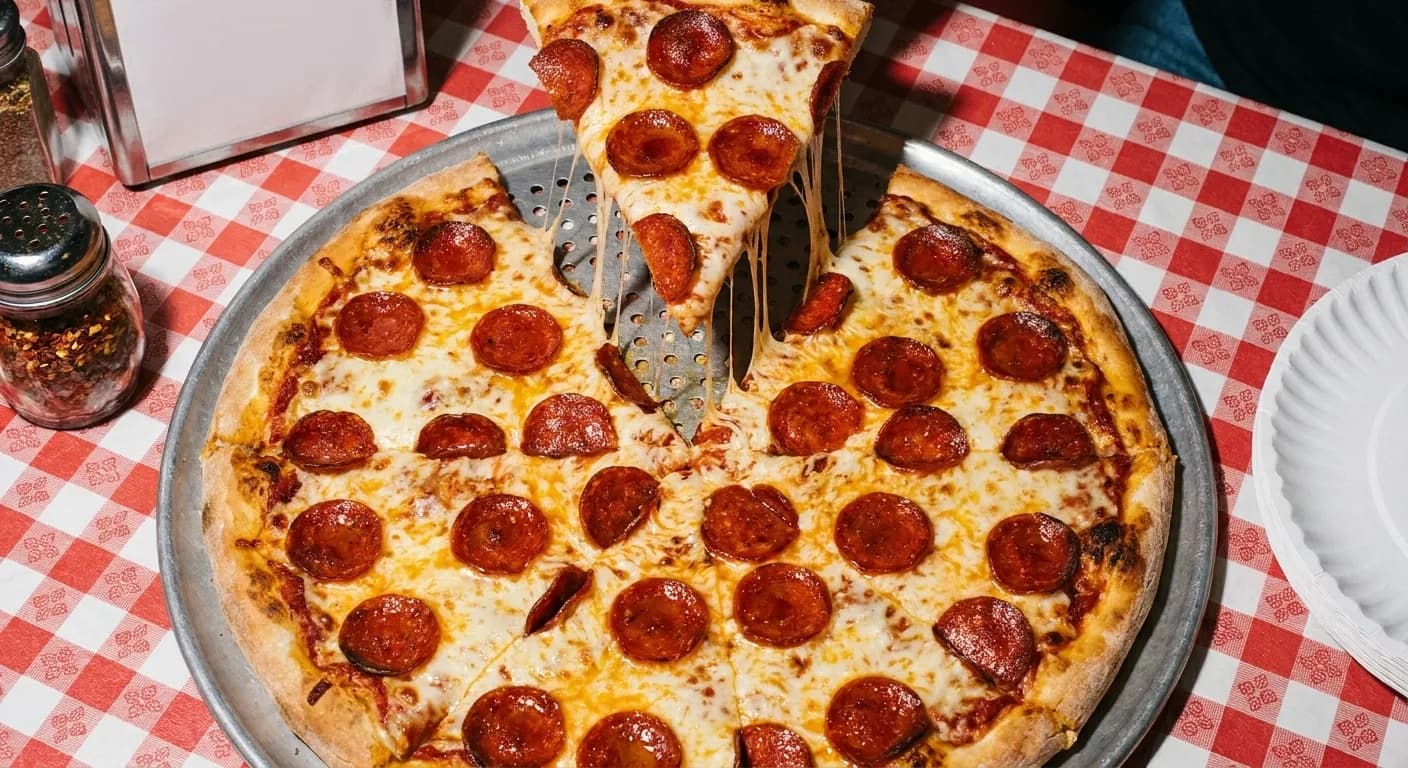
Predominantly a New York-derived style: a wide, thin-ish round pie, cut into large triangular slices, low-moisture mozzarella, a sweetish cooked sauce, baked in a deck oven rather than a wood dome. It is the pizza of the American east coast as it arrived here in the middle of the last century and then stayed put.
There is a second, quieter tradition of Middle Eastern and Armenian-owned pizzerias, particularly in the eastern Valley, which do the same style with occasional additions - za'atar on the crust, a lamb topping, a garlic sauce that is not standard anywhere else. That crossover is the most Valley thing on any of these menus.
Reading a pizzeria from the car park
Three signals, all visible before you get out. A window with a stack of flat boxes and a phone ringing means takeaway is the main business and the pizza will be built to travel - firmer, less wet. Red vinyl booths and a salad bar mean it is a sit-down room and the pie will be softer and better eaten there.
The third is the oven. If you can see a deck oven with worn stone through the window, the place has been baking on the same surface for a long time, which is generally a good sign. A conveyor visible from the counter is a different, faster and more uniform business.
Where the density is
Ventura Boulevard is the obvious spine and runs the length of the southern Valley, though it skews towards the more expensive end. The better value sits north of it - the corridors through Van Nuys, Reseda, North Hollywood and Panorama City, where the lots are bigger and the rents lower.
The eastern Valley, around Burbank and Glendale's edges, is where the Armenian-owned places cluster. The western end towards Woodland Hills and Canoga Park is more suburban and more chain-heavy, with a handful of long-standing exceptions.
Whole pies, and the maths of it
The Valley is a whole-pie economy rather than a slice economy, and that is where the value is. A large pie feeding three or four people costs meaningfully less than the same coverage in slices anywhere over the hill, and most of these rooms have tables big enough to make that practical.
If you want slices, they exist but are less of a focus, and the slice sitting under a lamp at four in the afternoon in a takeaway-led shop is not the pizza that place is good at. Order a whole one and wait the twelve minutes.
Going with a group is the point
This is the thing the Valley does better than the rest of Los Angeles. Large tables, no queue, easy parking, a menu that includes things children will eat, and a bill that does not require a discussion afterwards. For six or eight people that combination is genuinely hard to find on the other side of the hill.
It is also the reason to go early rather than late. These rooms fill between six and eight with families and empty out afterwards, and the kitchens tend to close earlier than their basin equivalents.
The drive, and when to do it
Over the hill on the 101 or the 405 at rush hour is a genuinely bad experience and no pizza justifies it. The same trip at half past eight in the evening, or at any point on a Sunday, is fifteen to twenty-five minutes from most of the central city.
Which means the correct way to use the Valley from the basin is late or on a weekend afternoon. Anyone who already lives north of the hill has the better version of this, which is a very good pizzeria four minutes away that nobody has written about.
Tags: #PizzaNearMe #SanFernandoValley #LosAngeles #StripMall #VenturaBoulevard #NeighborhoodGuide #LAFood #ValleyPizza #LAEats #PizzaLA
All trademarks are the property of their respective owners.
Ask Karpo first
The Valley's pizza is hiding behind car parks and it is cheaper than the pizza people queue for. Ask Karpo which lot near you is worth pulling into.