If you make a list of the pizza in Los Angeles that people actually get excited about, a surprising proportion of it has no permanent address. It comes from pop-ups - a baker with a deck oven working out of a bar kitchen on a Tuesday, a backyard operation running a dome oven two nights a week, a residency inside a brewery that lasts three months and then moves. This is not a fringe. It is a genuine parallel supply chain, it produces some of the best pizza in the county, and it is close to invisible to anyone searching for a restaurant, because it is not one.
A pop-up is only useful if you know it is happening tonight, and the announcements live on social accounts rather than on any listing. Tell Karpo where you are and which night you are free, and it will find what is actually firing rather than the pizzeria with the most reviews.
Why Los Angeles produces so many of these
Three local conditions make it viable. The weather allows an outdoor oven to run year-round, which removes the largest fixed cost. The city has an enormous stock of bars and breweries with underused kitchens and no food programme. And the commercial rents that make opening a restaurant difficult make borrowing one attractive.
The result is that a baker can test an idea for a few thousand dollars rather than a few hundred thousand. That economics, more than any culinary trend, is why the scene exists at this scale here and not in most cities.
The formats, and how they differ
The bar residency is the most reliable: a fixed night each week, a full menu of four or five pizzas, table service from the bar. The backyard operation is the most variable and often the best - limited numbers, pre-order or first-come, and a queue that forms before the oven is up to temperature.
The third format is the brewery guest slot, which rotates monthly. That one is the easiest to walk into and the most likely to be a good but not exceptional version, because the operator is cooking in an unfamiliar kitchen.
Pre-order is usually not optional
The single biggest practical difference from a pizzeria is that many of these sell out and a good number take pre-orders that open days ahead and close within minutes. Turning up on the night without one is sometimes fine and sometimes a wasted trip across town.
The convention to learn: if the announcement post mentions a link, the link is the whole system. If it mentions a time and an address only, it is a queue, and the queue starts earlier than the stated opening.
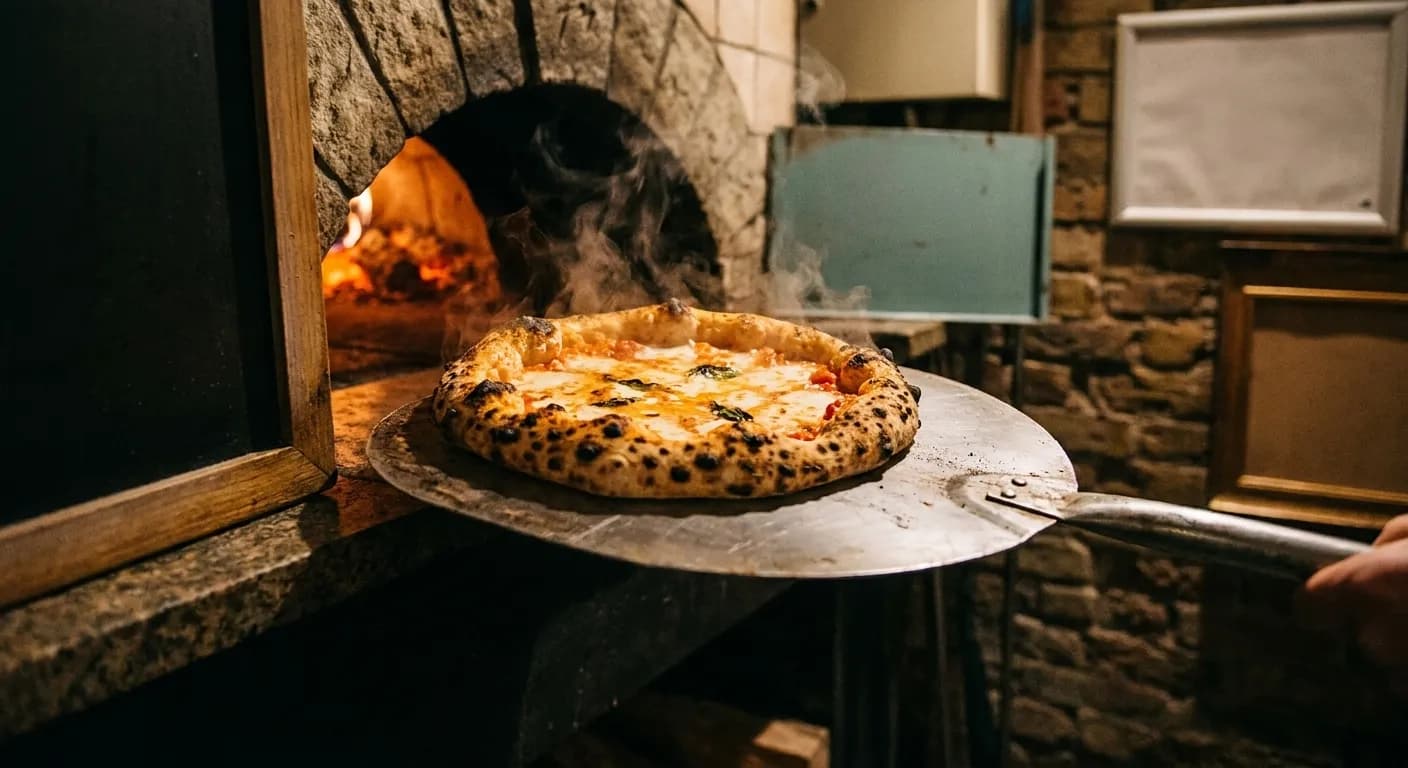
What the oven tells you before you order
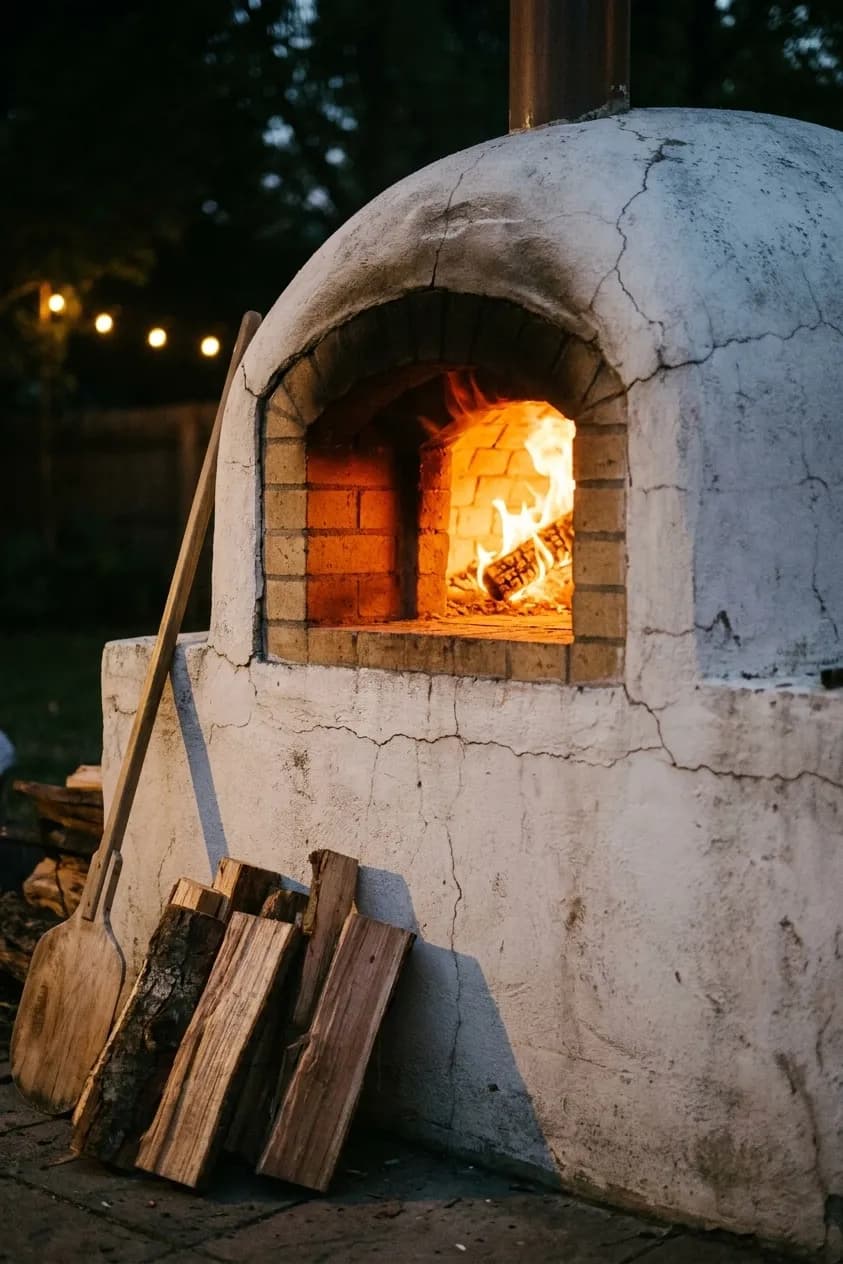
A wood-fired dome runs very hot and produces a Neapolitan-adjacent pie in ninety seconds - puffed, spotted, soft in the centre. A deck oven runs lower and longer, which is what most of the New York and square styles need. A pop-up cooking on borrowed equipment is constrained by what is in that kitchen.
This is worth knowing because it explains inconsistency. The same baker in two venues produces two different pizzas, and neither is a mistake.
The ones that graduated
The pipeline runs in one direction: a successful pop-up eventually takes a lease. Quarter Sheets in Echo Park is the clearest local example of the arc - a Detroit-style operation that built a following before it had a dining room - and there are several others at various points along the same path.
The practical implication is that following pop-ups is also how you find out what is opening in eighteen months. The queue outside a backyard oven now is the reservation list of a restaurant that does not exist yet.
Etiquette, cash and the small operation
These are one- and two-person businesses with no float and no buffer. Turning up late for a pre-order pickup, ordering for eight without warning, or asking for substantial modifications are all things a restaurant absorbs and a pop-up cannot.
Bring cash where the announcement asks for it, collect within the window given, and accept that the menu is the menu. In exchange you get pizza made by someone who is doing forty of them rather than four hundred.
What you give up
It is worth being straight about the trade. A pop-up has no bathroom queue system, no reliable seating, frequently no alcohol licence of its own, and a menu of four items with no substitutions. Bringing a group of six to one is an act of optimism.
There is also a real quality range. For every operator running a disciplined ferment there is one doing an average pie in a car park with good lighting and a queue built on novelty. The correction is simply to go twice - the good ones are obviously good the second time, and the others are obviously not.
Where to look, and what to look for
The scene concentrates on the Eastside - Echo Park, Highland Park, Frogtown, the Arts District - with a secondary cluster around the beach cities and a scattering in the Valley. Breweries are the most reliable venues, because they need food and cannot cook.
The signal that something is worth crossing town for is usually the flour and the fermentation being mentioned by name in the announcement. It is a small tell, but an operator who talks about a seventy-two hour cold ferment on a Tuesday night in a bar car park is generally not doing it casually.
Tags: #PizzaNearMe #LosAngeles #PopUp #HiddenGems #EchoPark #LAFood #BackyardPizza #Detroit #LAEats #PizzaLA
All trademarks are the property of their respective owners.
Ask Karpo first
The most interesting pizza in Los Angeles this week may not have an address. Ask Karpo who is firing near you and whether you need to pre-order.