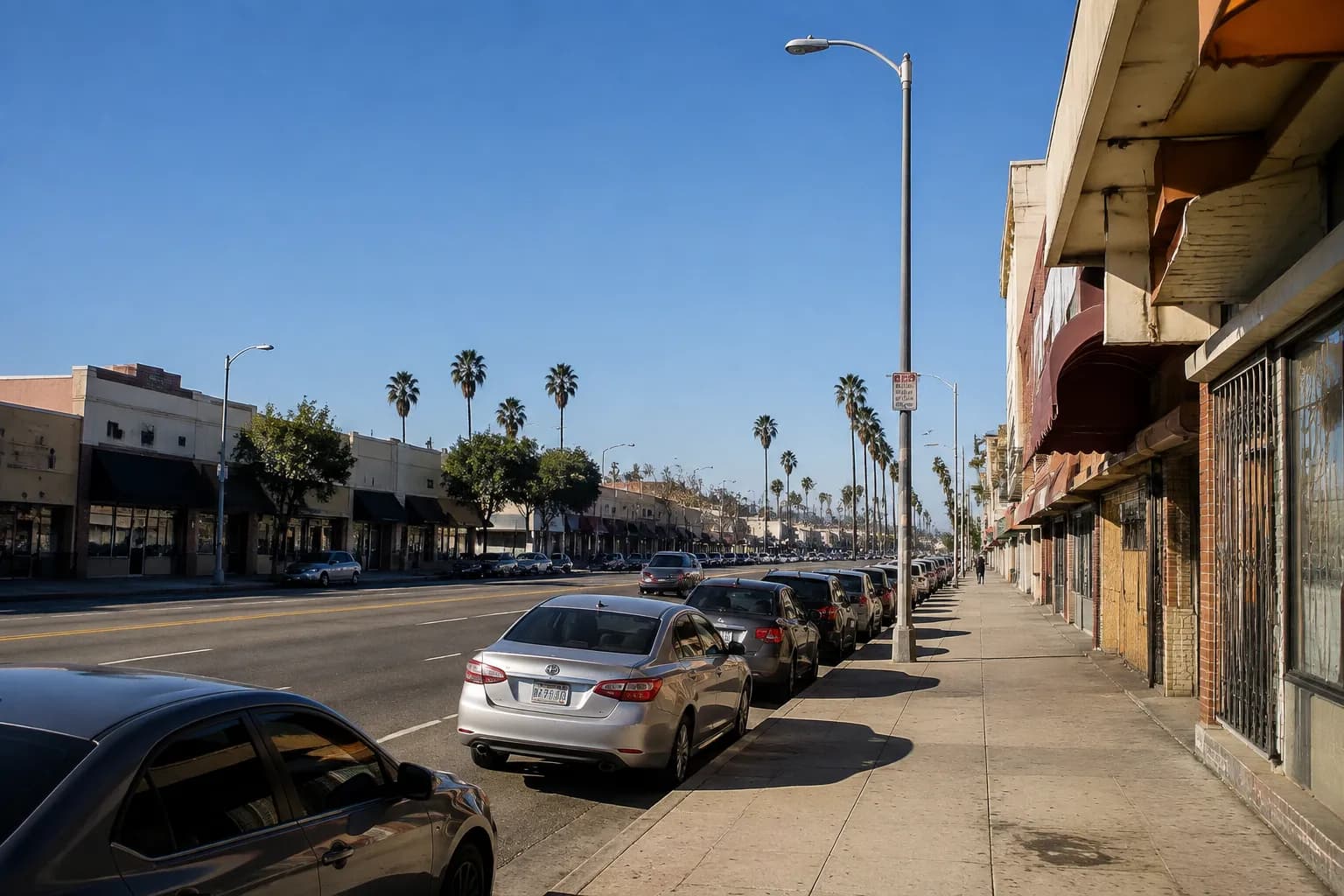
When high school journalism students in Los Angeles tackle sports beat assignments covering phillies trade rumors, they face the same verification challenges that test professional reporters: distinguishing credible sourcing from social media speculation, meeting publication deadlines while maintaining accuracy standards, and building institutional knowledge within student newsrooms that experience annual turnover. The back-to-school period in August 2026 presents particular pressure as new staff members join publications, returning editors establish coverage protocols, and fall sports seasons generate assignment volume. Student journalists working after-school newsroom hours need systematic approaches that balance speed with verification rigor, especially when covering Major League Baseball trade speculation that proliferates across platforms with varying credibility levels. This pathway maps decision frameworks, collaborative verification strategies, and LA-area resources that help intermediate-level student reporters develop professional fact-checking habits while managing the emotional intensity of deadline work alongside journalism class peers.
Text Karpo your starting point, timing, group size, and priorities for a Los Angeles plan tailored to this exact situation, with one realistic backup before you leave.

Source Hierarchy Frameworks for Trade Speculation Coverage
Student journalists benefit from establishing explicit source tiers before deadline pressure begins. Primary sources—official team statements, verified beat reporter accounts from established outlets, and direct quotes from team personnel—carry different evidentiary weight than secondary aggregation accounts or fan speculation threads. Creating a shared newsroom document that categorizes known baseball reporters by publication affiliation and track record helps entire staffs make consistent sourcing decisions when multiple students cover overlapping stories. This collaborative approach prevents individual reporters from making isolated judgment calls under time pressure while building institutional memory that survives staff graduation cycles.
The verification challenge intensifies when trade rumors trend across platforms simultaneously, creating artificial urgency that conflicts with accuracy standards. Student newsrooms might adopt a two-source minimum rule for speculative stories, requiring confirmation from independent primary sources before publication. This protocol acknowledges that high school publications rarely break professional sports news but can provide valuable analysis and local angle coverage when rumors involve teams with LA fan bases or affect fantasy leagues popular among student audiences. The framework shifts emphasis from speed competition toward verification competence and contextual reporting that serves reader needs.
Collaborative Fact-Checking During After-School Production Cycles
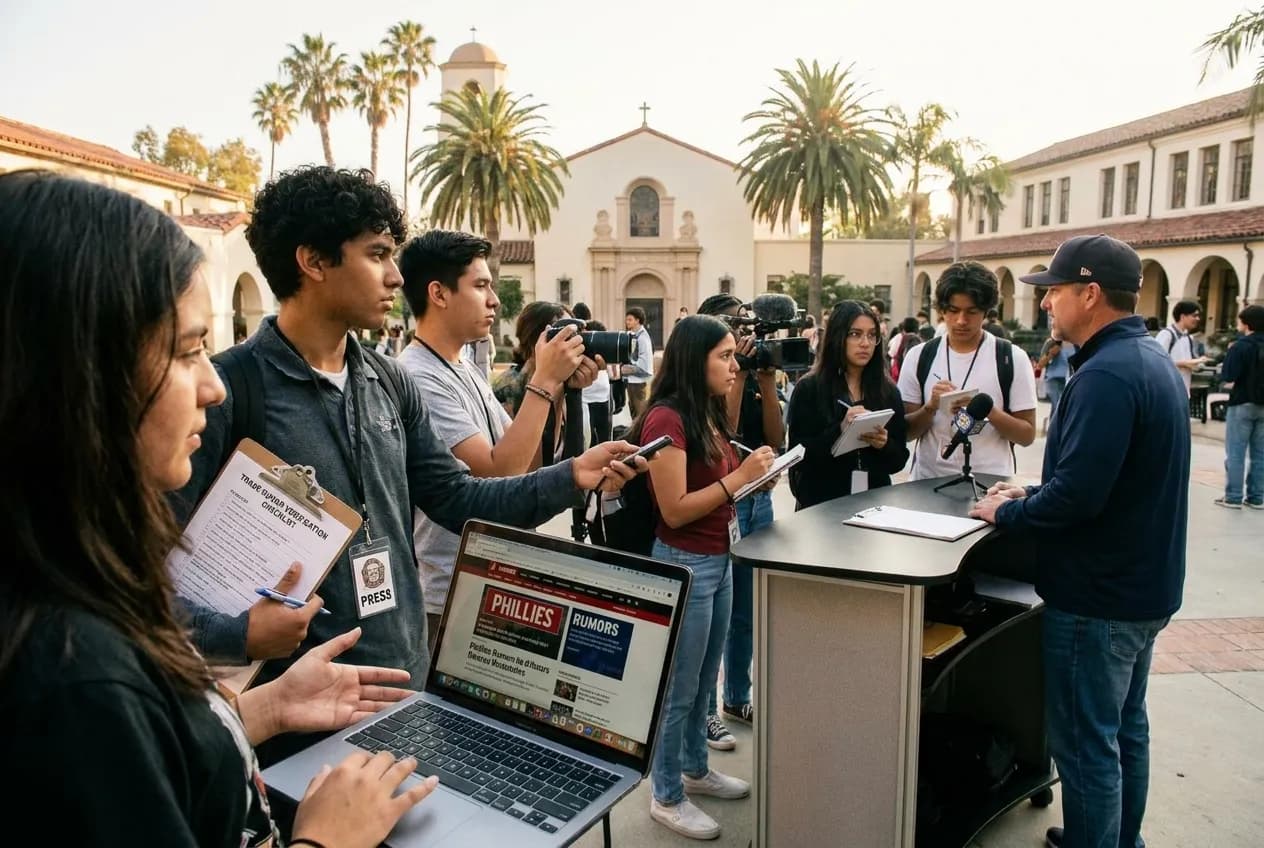
Newsroom peer review systems distribute verification responsibility across teams rather than isolating individual reporters with accuracy burdens. Establishing buddy-check protocols where reporters exchange draft stories thirty minutes before final deadline allows fresh eyes to flag unsupported claims, check hyperlink destinations, and verify that quoted material matches original sources. This partnership approach reduces individual anxiety while improving collective output quality, particularly valuable for students building confidence in sports journalism where statistical claims and roster details require precision. The social dimension of collaborative checking also maintains engagement during long after-school sessions when fatigue affects attention to detail.
Digital collaboration tools enable verification workflows that mirror professional newsroom practices. Shared spreadsheets tracking rumor origins, source credibility assessments, and confirmation status create transparent processes that editors can audit and new staff members can learn from observing. When covering ongoing stories like trade deadline developments, maintaining a rumor log with timestamp entries, source attributions, and subsequent confirmation or refutation creates accountability trails and learning resources. Students discover that systematic documentation reduces repetitive research, prevents contradictory reporting across issues, and builds expertise that distinguishes their coverage from casual social media commentary.
Media Literacy Workshop Integration and Guest Expert Access
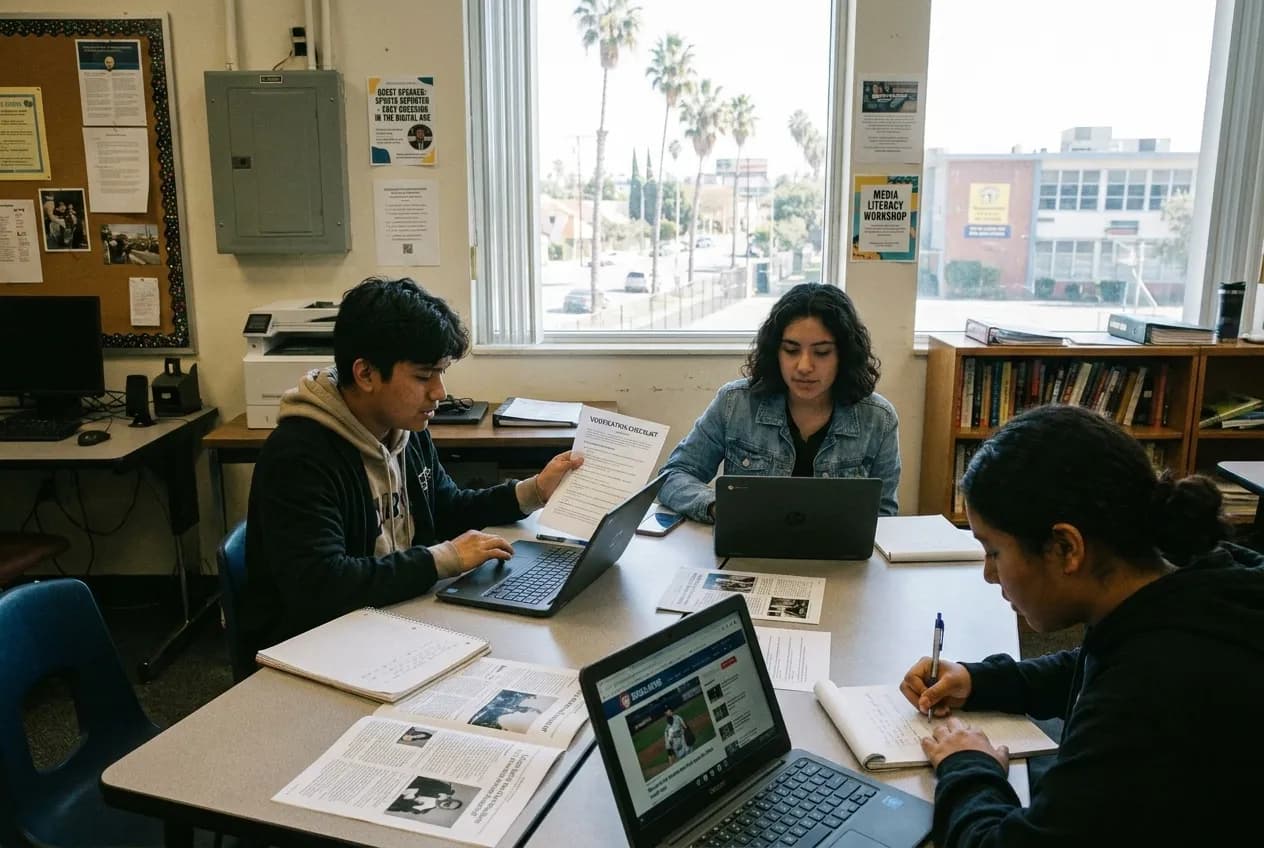
Los Angeles-area students have geographic access to professional sports media communities, though connecting classroom learning to industry expertise requires intentional outreach. Journalism teachers might explore whether local sports reporters, fact-checkers from verification organizations, or university journalism program representatives offer virtual or in-person sessions during back-to-school periods when professionals often participate in educational initiatives. These interactions work best when students prepare specific questions about verification dilemmas they've encountered—such as how to handle conflicting reports from similarly credible sources or when speed considerations justify publishing with single-source confirmation—rather than generic career overview requests.
Workshop value increases when sessions include hands-on verification exercises using current sports stories as case studies. Students might practice tracing rumor origins through social media archaeology, identifying bot accounts versus authentic reporter profiles, or comparing how different outlets hedge speculative reporting through word choice and attribution. The phillies trade rumors keyword represents the type of recurring sports story that generates teachable verification moments: rumors emerge from various credibility levels, develop across multiple news cycles, and eventually resolve with confirmable outcomes that allow retrospective accuracy assessment. This story structure provides natural feedback loops for skill development.
Transportation Logistics for Off-Campus Journalism Activities
Student journalists attending workshops, covering events, or meeting sources face practical mobility challenges in Los Angeles's geography. Metro's transit system offers regular fare at $1.75 with daily caps at $5 and weekly caps at $18, making multi-trip access affordable for students managing limited budgets. The TAP card system, credit/debit card payment options, and free transfers within two-hour windows provide flexibility for after-school travel when students might combine journalism activities with other commitments. Understanding these logistics helps advisors plan off-campus learning opportunities and helps students calculate actual participation costs beyond nominal registration fees.
Group travel for journalism class field trips or workshop attendance benefits from advance route planning using Metro's trip planner tools and real-time arrival information. Students traveling together can share navigation responsibility, building practical urban literacy skills alongside journalism competencies. The transportation planning process itself offers learning opportunities about accessibility, time management, and the logistical considerations that affect source access and event coverage. When students understand that professional reporters factor travel time into assignment planning, they develop more realistic expectations about coverage feasibility and deadline management.
Building Sustainable Verification Habits Beyond Single Assignments
The intermediate skill level assumes students have basic journalism foundations but need structured practice to internalize verification habits under real production pressure. Deadline-focused emotions—the anxiety about missing publication windows, the excitement of covering trending topics, the peer dynamics of newsroom collaboration—create authentic learning conditions but also risk encouraging shortcuts that undermine accuracy standards. Advisors might implement reflection protocols where reporters briefly document their sourcing decisions and verification steps after each published story, creating metacognitive awareness about their own process patterns and pressure responses.
Long-term skill development requires recognizing that verification competence builds gradually through repeated practice with feedback rather than through single intensive workshops. Student journalists covering multiple sports stories across a semester develop pattern recognition about source reliability, learn which verification steps they personally tend to skip under pressure, and build confidence in their judgment through accumulated experience. The goal extends beyond any single trade rumor story toward cultivating professional habits that transfer across topics and persist beyond high school journalism into whatever communication roles students eventually pursue. This developmental perspective helps students view verification not as obstacle to publication but as core competency that defines journalistic identity.
Tags: #highschooljournalism #sportsreporting #factchecking #medialiteracy #studentnewsrooms #verificationprotocols #LosAngeleseducation #journalismworkshops #sourcecredibility #collaborativereporting #deadlinemanagement #backtoschool #baseballcoverage #peerreview #Metrotransit
Sources consulted: Source 1: laparks.org · Source 2: metro.net · Source 3: discoverlosangeles.com · Source 4: lacity.gov
All trademarks are the property of their respective owners.
Ask Karpo first
Ask Karpo to turn this Los Angeles idea into a current plan for your date, budget, companion, transit preference, and energy level. Karpo can narrow the route and flag what to verify before you go.