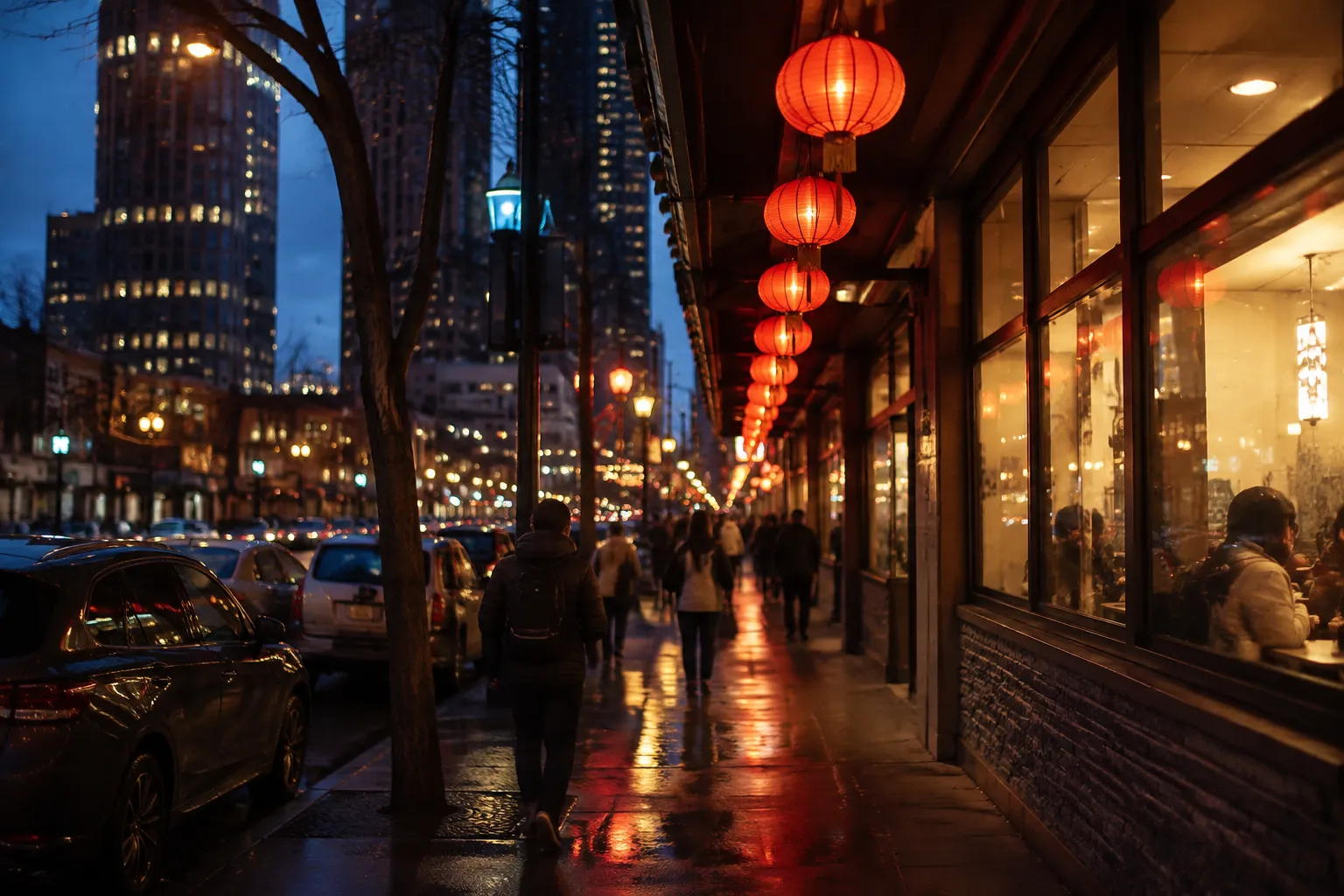
The locked title is phantom blade zero: Where San Francisco Groups Can Eat Smoothly, but the useful part is not the hype. If phantom blade zero is what got your group chat moving today, treat it as a conversation starter, not evidence of a San Francisco appearance, restaurant tie-in, private gathering, or guaranteed event. A smooth group meal in the city depends on practical checks: how people will arrive, whether the first stop can handle different appetites, what happens if the room is packed, and whether the restaurant’s public information still matches reality. As of Wednesday, August 12, 2026, the safest local plan is to verify transit through SFMTA, check food-safety information through San Francisco Department of Public Health resources, and keep a second option close.
Want a fast sanity check before you send the group text? Text Karpo with your neighborhood, headcount, timing, mobility needs, and backup preference, and ask for a public-plan dinner route.

Use the trend as a dinner conversation hook
A search spike can be useful without being literal. If someone in your group is talking about phantom blade zero, use that interest to pick a theme for the night: a relaxed meal where people can compare trailers, games, anime, action films, or whatever else the conversation naturally becomes. Do not build the plan around an assumed local activation, secret guest, private access, or restaurant partnership unless an official source confirms it. This article does not claim any such San Francisco connection.
The better move is to translate the trend into a simple operational question: where can a mixed group eat without friction? San Francisco rewards plans that keep travel short, offer flexible seating, and avoid making one kitchen responsible for every dietary preference. Before anyone argues over cuisine, choose the conditions that make the evening survivable: an arrival window, a transit-friendly first stop, a maximum wait tolerance, and a backup within easy reach.
Choose the room before choosing the menu
For groups, the room matters as much as the food. A tiny dining room can be excellent for two people and miserable for seven. A counter-service hall can be less romantic but far easier when one person wants something light, another wants a full meal, and someone else is late from Muni. Decide first whether your group needs seated table service, quick ordering, outdoor space, accessible entry, or a place where people can arrive in waves.
Use official public checks before committing. The San Francisco Department of Public Health says it protects and promotes the health of all San Franciscans and provides food safety education, inspection, permitting, and other measures through its restaurant-related services. Its site includes an “Open a Restaurant or Check Health Scores” resource, which is the kind of public verification step groups should use before treating a venue as settled. If the health-score page, restaurant website, or posted information is unavailable or unclear, choose a simpler option.
Match the market or hall to the group
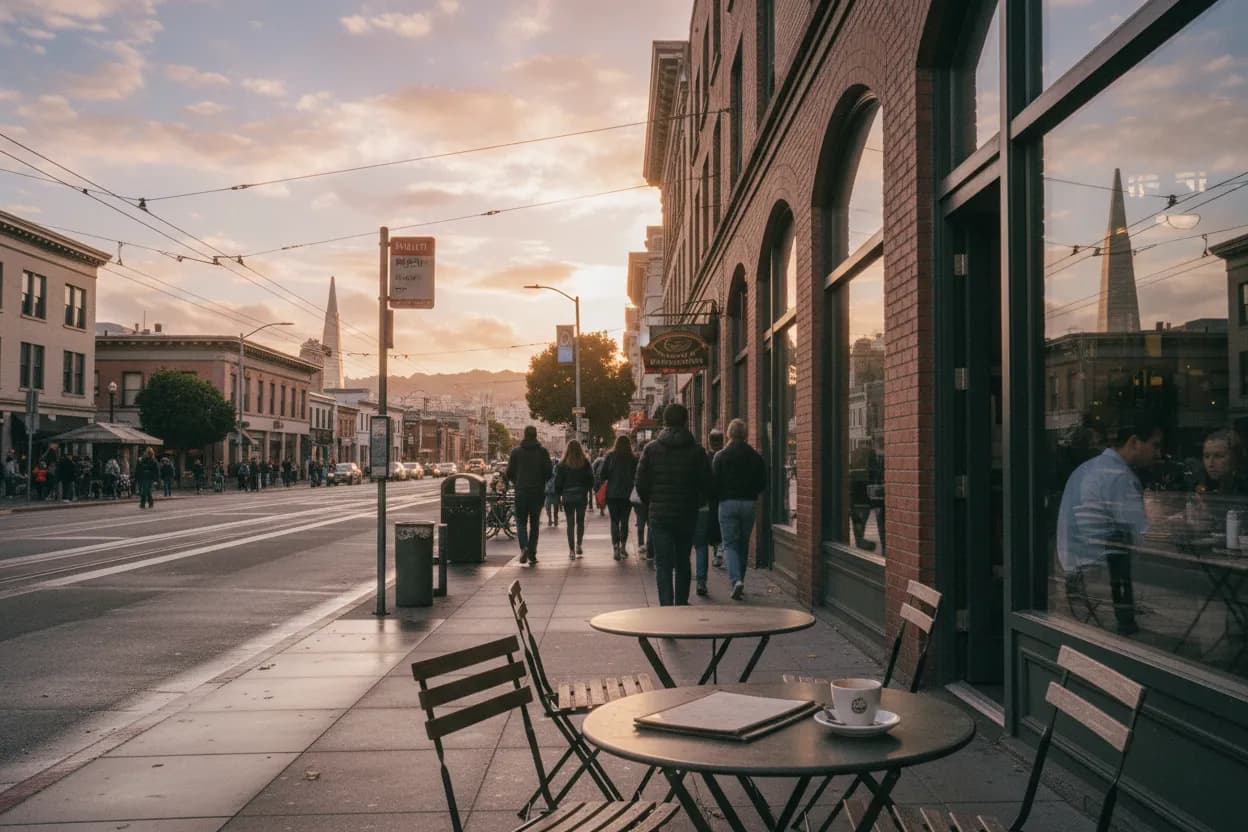
A market, food hall, or multi-vendor setting can reduce conflict because the group is choosing a destination first and individual meals second. That is especially useful when the night begins with a loose topic like phantom blade zero rather than a shared craving. The practical advantage is not novelty; it is failure control. If one vendor is busy, closed, or not right for a dietary need, the evening may still work without relocating everyone across town.
Still, do not assume every vendor keeps the same hours, accepts the same ordering method, or has the same seating situation. Treat each vendor as its own moving part. Assign one person to verify the destination’s public page, another to check the most important vendor hours, and a third to look at the transit path. That sounds fussy, but it is faster than discovering at the door that half the group cannot order what they came for.
Keep the first stop easy to reach
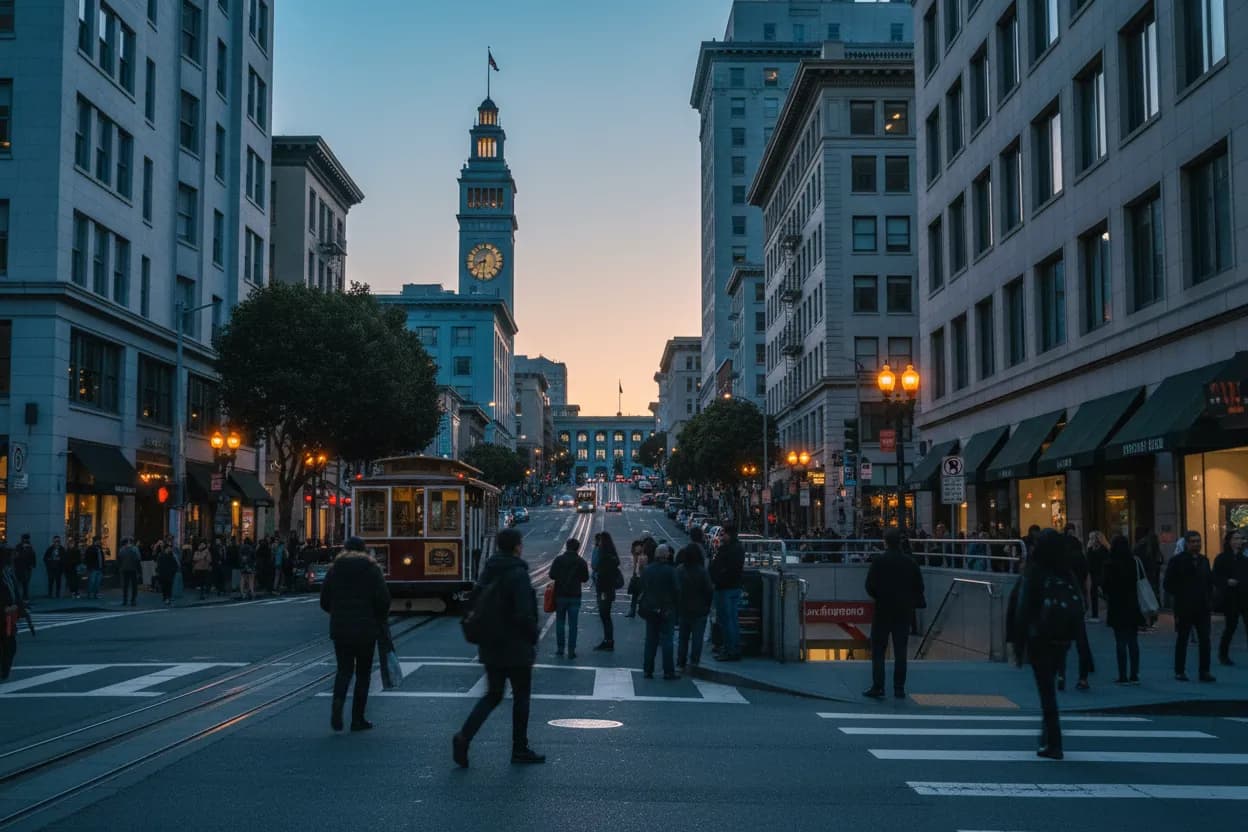
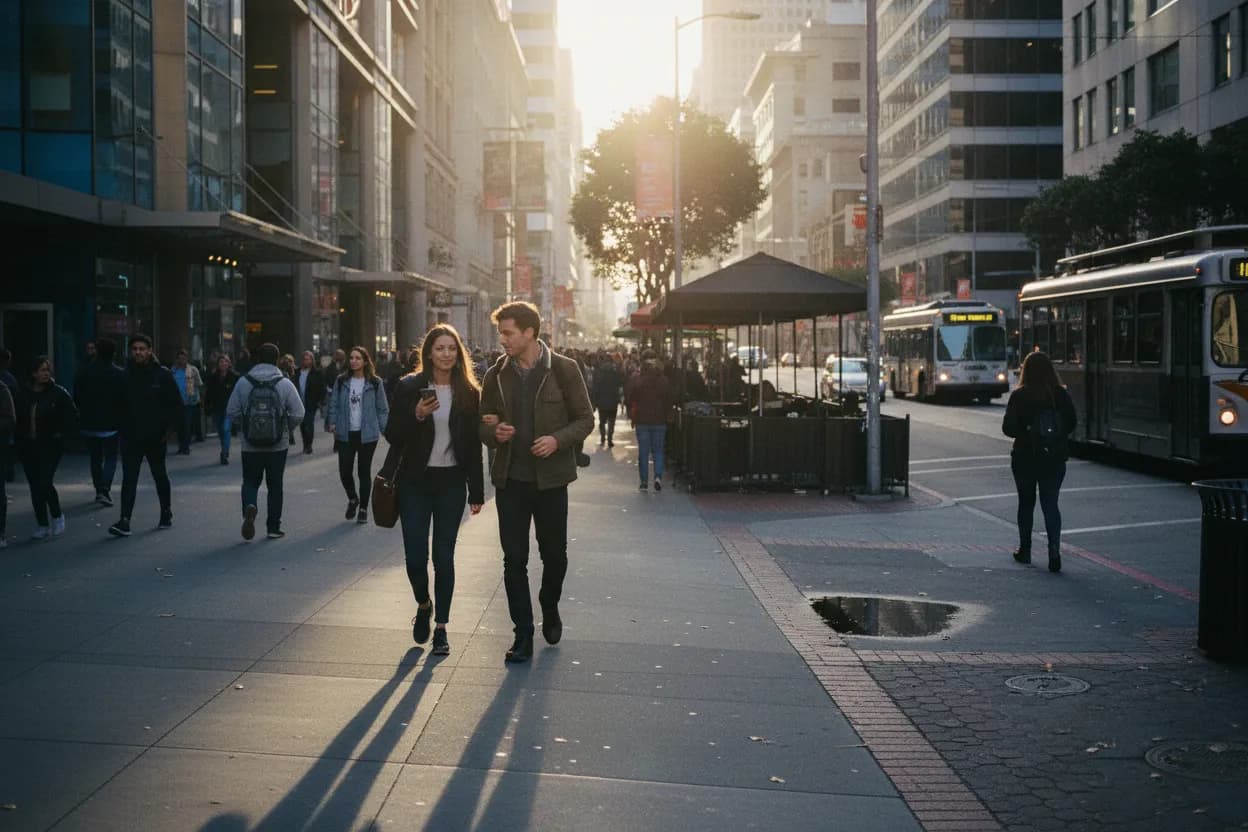
San Francisco plans fall apart when the first stop is hard to reach from too many directions. SFMTA’s public site offers a Trip Planner with options for Muni, bike, walk, drive, and parking-related planning, along with Muni routes and stops, transit maps, visitor information, accessibility information, and travel updates. Use those tools before the reservation or meet-up time is final. The best restaurant choice for a group is often the one that produces the fewest late arrivals.
Check the live context, not just the route name. SFMTA posts alerts, meetings, service-change notices, and travel and transit updates; its homepage also points riders to upcoming Muni service changes starting August 29 and current travel updates. Those details can change, so verify on the official SFMTA page shortly before leaving. If several people are driving, remember that the official site separates drive-and-park planning from transit planning, which is a hint to settle parking expectations early.
Save a nearby option for long waits
A backup is not pessimism; it is how groups stay friends. Pick the second option before anyone leaves home, and keep it close enough that the move does not become a second commute. The backup should solve the original problem in a different way: if the first stop is a table-service restaurant, the backup might be a faster counter-service place; if the first stop is a hall, the backup might be a quieter restaurant nearby. Do not make the backup depend on a rumor, a social post, or an assumed pop-up.
Set a crowd-risk rule in plain language. For example: if the first stop has a wait longer than your group can tolerate, if seating cannot keep the group together, or if a key accessibility need is not met, you switch. Nobody should have to negotiate that at the host stand. For health or nuisance concerns connected to businesses or public conditions, the San Francisco Department of Public Health directs people to contact 311 for certain reports, so keep official city channels in mind when something is more than an inconvenience.
Verify vendor hours before leaving
The last check should happen the same day. Restaurant hours, vendor participation, seating rules, accessibility details, kitchen capacity, and private-event closures can change, and this plan does not guarantee any venue’s availability. Confirm the restaurant’s own page or phone line, then cross-check public health information when relevant. If your group includes children, older adults, immunocompromised people, or anyone with specific health concerns, make choices that reduce unnecessary exposure and uncertainty.
Also confirm the trip. SFMTA provides routes, stops, maps, accessibility information, and travel updates, and it lists 311 and regional 511 information among help resources. The SFMTA site also notes free language assistance through 311, with an outside-San-Francisco number and TTY number published on the agency page. For a group dinner, the executable plan is simple: verified first stop, verified route, verified backup, and one person empowered to call the switch.
Tags: #phantombladezero #SanFrancisco #SFRestaurants #GroupDining #FoodHall #Muni #SFMTA #SFDPH #RestaurantSafety #LocalLife #DinnerPlan #CrowdCheck #AskKarpo #BeforeYouGo
Sources consulted: sftravel.com · sfdph.org · sfmta.com
All trademarks are the property of their respective owners.
Ask Karpo first
Ask Karpo first if the group chat is moving faster than the facts. Send the neighborhood, headcount, timing, transit needs, accessibility concerns, and one backup style. Karpo can help turn a phantom blade zero conversation into a practical San Francisco dinner plan without leaning on unverified hype.