 Events Near Me in SF: Chase Center's Free Half Is Thrive City
Sports Social
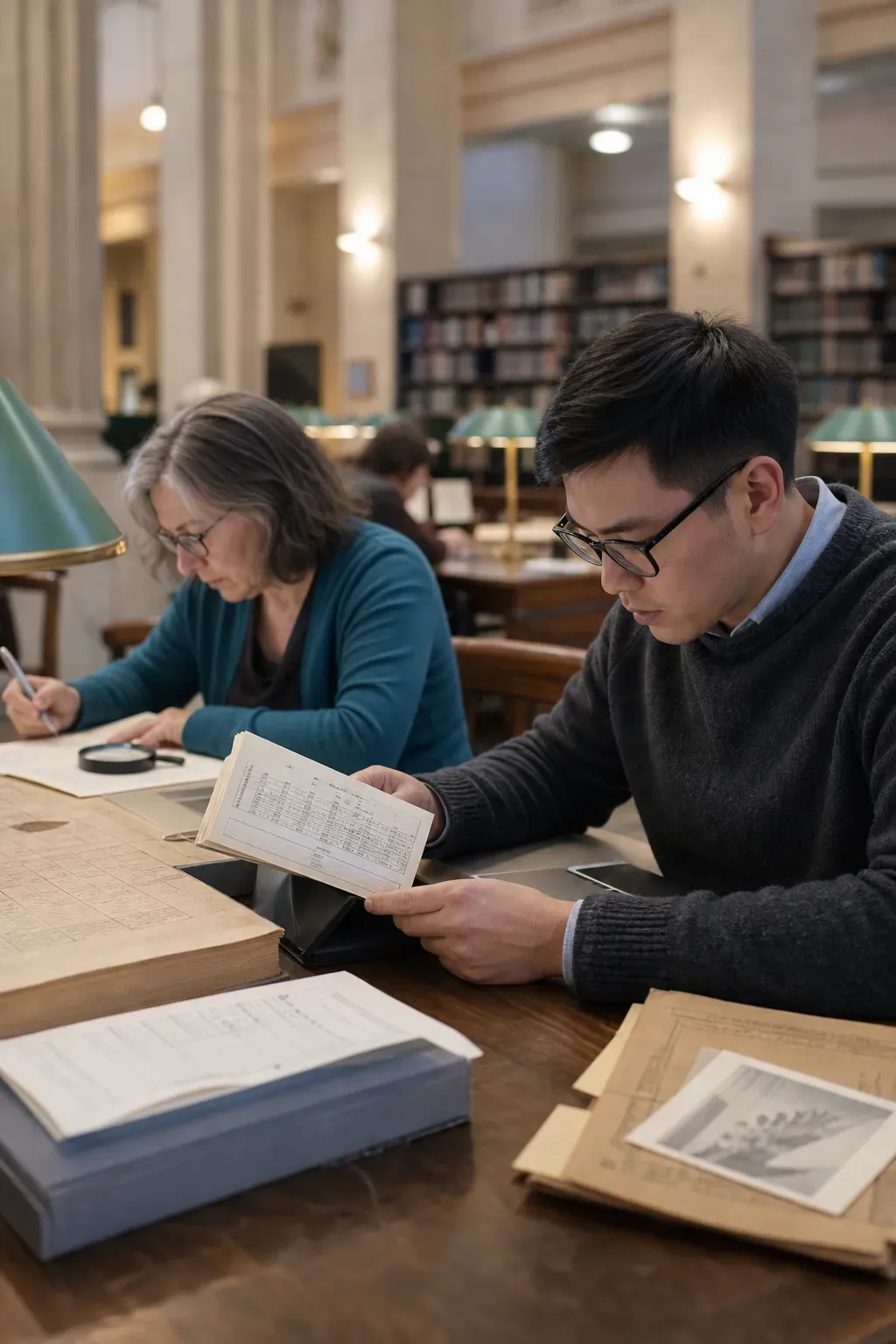
Pete Crow Armstrong Stats: SF Public Library Baseball Archive Comparison Session
Use San Francisco library time to turn a trending baseball query into a careful source-checking session. The goal is not to chase hype, but to compare claims, methods, and archival context with enough structure to leave with stronger notes.
A search for pete crow armstrong can start with curiosity, but a useful San Francisco research session starts with a sharper question: which performance claim are you trying to verify, and which source type is best positioned to confirm it? This guide is built for solo researchers or small study groups who want the analytical satisfaction of comparing prospect statistics across database records, historical coverage, and library catalog leads without assuming that a player, team event, or special archive program is physically happening in the city. Treat the name as a search hook, then use San Francisco Public Library branches, public transit planning, and disciplined note-taking to test whether today’s prospect evaluations hold up when viewed beside older baseball research habits.
Which SF library branch offers the best combination of baseball archive depth and equipment availability for your research schedule? Share your preferred research hours and whether you need microfilm or digital-only access, and we'll map a session plan with a backup branch for equipment outages.
Frame the Claim Before Picking a Branch
Begin with one testable statement, not a broad mission to “research baseball.” A good session question might compare minor-league production, age-relative performance, defensive reputation, or how a contemporary summary uses selective statistics. Write the claim in one sentence, then list the exact fields you need: season, level, plate appearances, rate stats, source date, author, and any definition used by the source. That keeps a pete crow armstrong search from becoming a tab spiral and gives the library visit a measurable outcome.
San Francisco works well for this kind of intermediate research because it offers multiple public library locations that can serve different work styles. The Main Library is listed at 100 Larkin Street with telephone 415-557-4400, while Mission is listed at 1234 Valencia Street with telephone 415-355-2800, and Presidio is listed at 3150 Sacramento Street with telephone 415-355-2880. Use those published contact points to verify current access to catalogs, article databases, microfilm-related equipment, study rooms, or any baseball-specific material before building a multi-hour plan around a single branch.
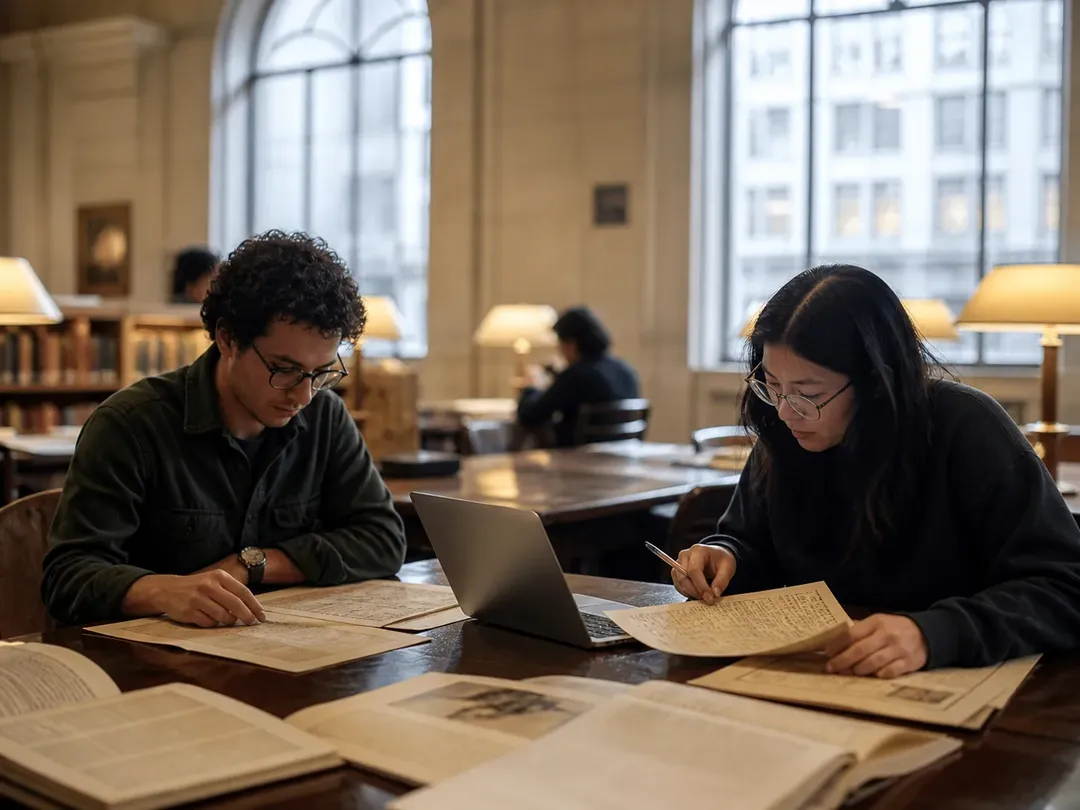
Use Main Library for the Deepest First Pass
The Main Library is the strongest default starting point when your goal is source triangulation rather than casual reading. Its central location and broad public role make it the logical first stop for checking catalog pathways, asking reference questions, and identifying whether a print, database, newspaper, or archival lead exists before you branch out. The supplied SFPL listing gives Main’s address as 100 Larkin Street and its Thursday hours as 9 a.m. to 8 p.m.; on the current date, August 6, 2026, that makes an afternoon research block plausible without claiming any specific room or workstation availability.
A productive Main Library workflow starts with the most recent statistical summary, then moves backward. Record what the modern source says about the player, the metric definitions it relies on, and the date it was published. Next, search for older coverage that would have framed the same type of player differently: prospect lists, draft commentary, minor-league reports, and newspaper articles. The payoff is not simply finding a number; it is seeing whether the same number carried the same meaning in different eras of baseball writing. If a claim about pete crow armstrong depends on modern defensive metrics, note where those metrics are unavailable, estimated, or interpreted differently across platforms.
Split Work Between Mission and Presidio
Mission and Presidio make sense as secondary research stops when the project benefits from quieter comparison work or a smaller study rhythm. The SFPL listing places Mission at 1234 Valencia Street and shows Thursday hours of 10 a.m. to 8 p.m. Presidio is listed at 3150 Sacramento Street and shows Thursday hours of 10 a.m. to 6 p.m. Those published windows create different tradeoffs: Mission supports a later weekday afternoon session, while Presidio requires an earlier finish. Do not assume either branch has a specific research room, reader, or database terminal ready; confirm branch-specific resources before assigning tasks to the group.
For a small study group, divide the work by source function rather than by person preference. One researcher can validate raw statistical lines, another can check article language around projection and scouting, and a third can log methodology differences between databases or publications. If you are solo, use the same division as a sequence: numbers first, claims second, definitions third. This keeps the session analytical rather than reactive. When two sources disagree, do not force a winner immediately. Mark the conflict, capture citation details, and identify whether the gap comes from updates, league classification, postseason inclusion, data provider methodology, or a simple transcription issue.
Plan the Route Around Research Energy
The research route matters because archive work is attention-heavy. SFMTA’s official getting-around page says San Francisco can be navigated by Muni transit, biking, walking, driving, taxis, and accessibility services, and it points riders toward Muni as a citywide option. For a library comparison session, choose the route that protects your concentration. A transfer-heavy trip may be acceptable for a casual browse, but it can drain the focus needed to reconcile baseball statistics line by line. If you are carrying a laptop, notebook, or printed citations, prioritize predictable movement over theoretical speed.
Before leaving, check SFMTA travel and transit updates rather than assuming the city will move normally. The supplied August 2026 update page includes items such as Hayes Valley Shared Spaces on Fridays and Saturdays, Chinatown construction from July 30 to August 9, Outside Lands from August 7 to 9, the Pistahan Parade on Saturday, August 8, temporary stop relocations, and Muni Metro elevator status information current at page load. Those advisories may not affect every library route, but they are exactly the kind of public-space friction that can turn a careful weekday afternoon plan into a rushed session.
Account for Weather and Public-Space Friction
A library session is indoors, but the quality of the day still depends on conditions between locations. The National Weather Service San Francisco Bay Area page for August 6, 2026 lists a heat advisory and elevated fire concerns, with hotter and drier conditions emphasized for interior areas and higher terrain. That does not mean a specific San Francisco branch is unsafe or unsuitable; it means researchers should make conservative decisions about walking distance, hydration, and whether to compress the plan into one branch instead of moving across the city.
Weather also affects the judgment calls that make this type of outing productive. If you only have one afternoon, do not split Main, Mission, and Presidio just to say you covered three locations. Pick the branch most aligned with the task you can verify in advance, then reserve cross-branch comparison for a second session. The best baseball archive work often comes from fewer sources read carefully, not more sources touched lightly. A clean spreadsheet with source names, dates, definitions, contradictions, and follow-up questions will outperform a stack of unprocessed screenshots.
Tags: #SanFrancisco #SportsSocial #Baseballresearch #Publiclibraryresearch #Prospectanalysis #Archivesession
Sources consulted: Source 1: sfmta.com · Source 2: sfpl.org · Source 3: sfmta.com · Source 4: weather.gov
All trademarks are the property of their respective owners.
Ask Karpo first
Ask Karpo to turn this San Francisco idea into a current plan for your date, budget, companion, transit preference, and energy level. Karpo can narrow the route and flag what to verify before you go.
Ask Karpo for more information.
Keep reading
- Events Near Me in SF: Chase Center's Free Half Is Thrive City
 Places To Eat Near Me in SF: SPARK Social Changes Trucks Daily
 Seafood Near Me in San Francisco: Sotto Mare Favours Pairs