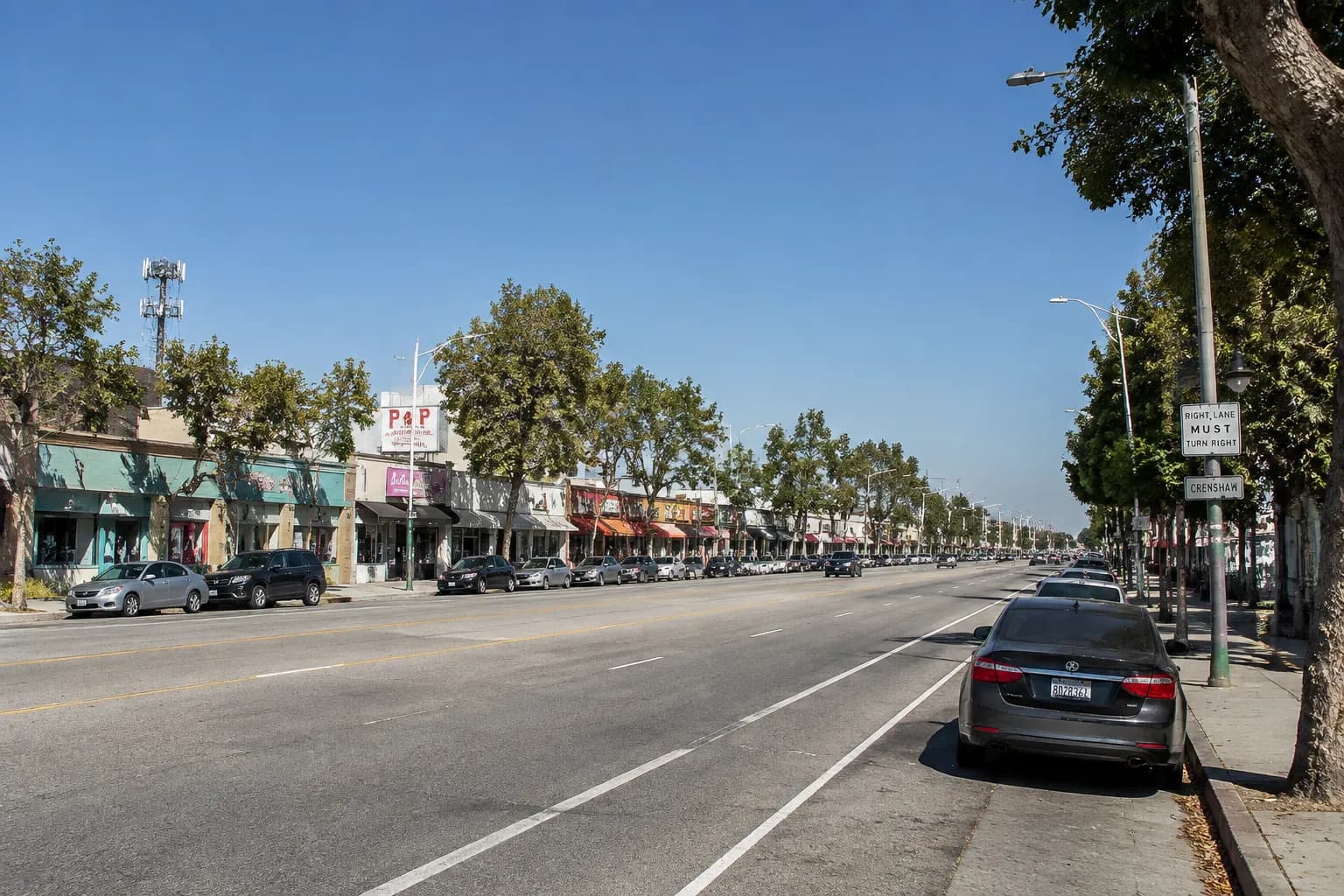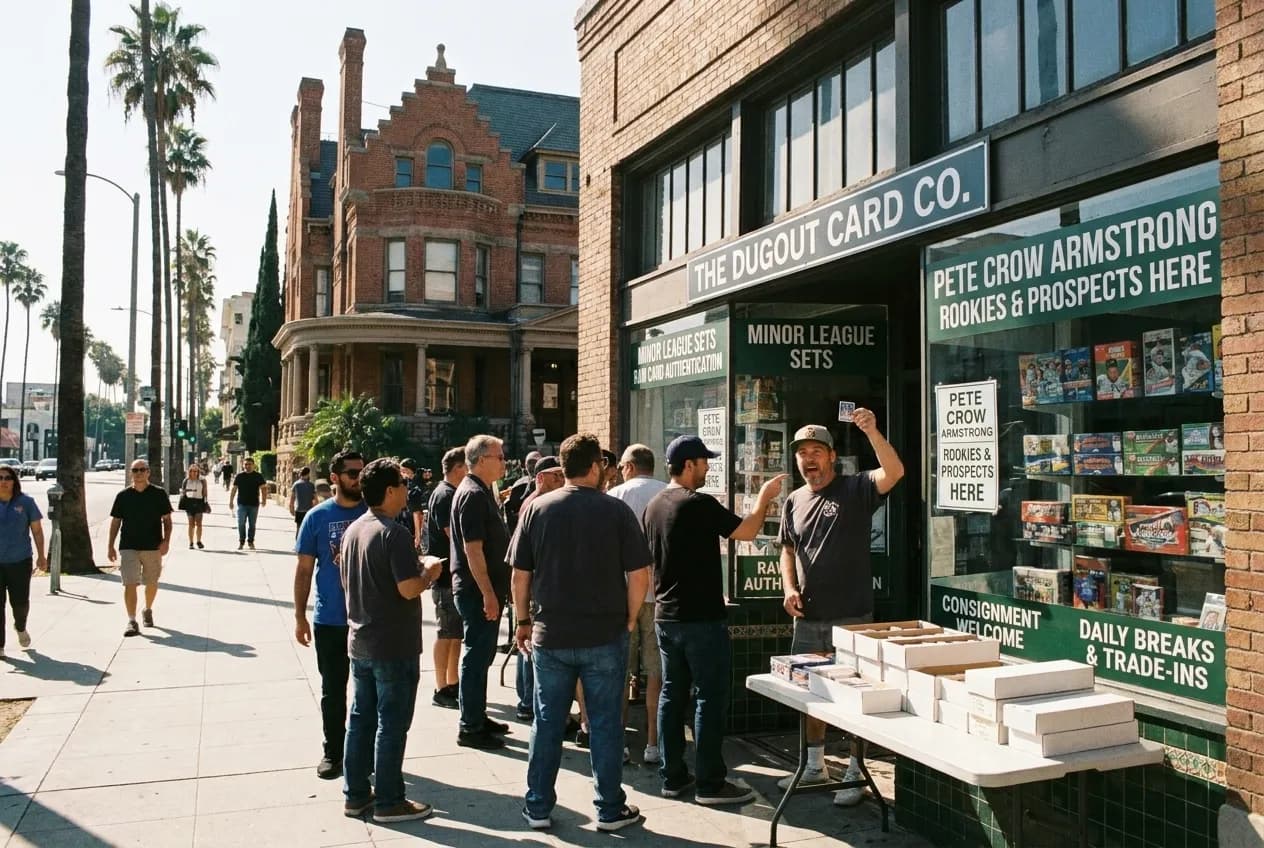
Hunting for pete crow armstrong rookie cards in Los Angeles means stepping beyond the algorithm-driven online marketplace into brick-and-mortar shops where minor-league team sets, ungraded prospect lots, and consignment cases hold potential gems. This 90-minute Saturday afternoon crawl suits collectors with intermediate knowledge—those who understand the difference between a first Bowman Chrome and a minor-league organization issue, who can spot centering flaws under shop lighting, and who know when to walk away from overpriced raw cards. The thrill lies not in guaranteed finds but in the possibility: flipping through a $20 mixed lot and discovering a clean Armstrong card before it hits the grading queue, or arriving at a shop just as a consignor drops off a binder of 2020–2022 prospect pulls. You'll need to verify each shop's current inventory focus (some rotate stock weekly), ask whether they host group breaks that might include relevant products, and understand their trade-in or store credit policies if you're looking to liquidate other cards toward an Armstrong purchase.
Text Karpo your collecting budget, whether you want graded or raw cards, if you're looking for pete crow armstrong specifically or any Cubs prospects, and your free weekend hours. We'll send you three LA card shops with strong prospect inventory, their buy/sell policies, and a backup online retailer if local stock is thin.

Mapping Your Route Without Guarantees
Los Angeles card shops cluster in pockets—San Fernando Valley strip malls, South Bay retail corridors, and scattered storefronts near Pasadena and Long Beach—but no single district functions as a dedicated card row. Planning a crawl means accepting geographic sprawl and the reality that not every shop will stock prospect-heavy inventory on a given Saturday. Some stores focus on vintage baseball and graded slabs, others on modern basketball and football, while a smaller subset maintains bins of minor-league team sets and ungraded prospect commons. Calling ahead to ask whether they carry 2020–2023 Bowman, Topps Pro Debut, or minor-league organization sets can save a wasted trip, though shop owners rarely commit to specific player availability. If you're relying on Metro, the official transit site confirms that bus and rail lines connect major commercial corridors, but expect transfers and longer travel times between shops compared to driving.
The tradeoff between a tight three-shop loop and a wider five-shop swing depends on your tolerance for traffic and your willingness to gamble on inventory. A concentrated route in the Valley might yield two shops with deep prospect boxes but limited Armstrong cards, while a longer crawl that includes South Bay and East LA shops increases your chances of hitting a consignment case with freshly submitted binders. Verify parking availability near each shop—some sit in metered zones with two-hour limits, others in free lots—and budget extra time for the inevitable digging through unsorted commons. Bringing a collecting buddy splits the search workload and provides a second set of eyes for centering and surface checks, but solo hunters move faster and avoid the negotiation over who spotted a card first.
What to Ask Before You Start Digging
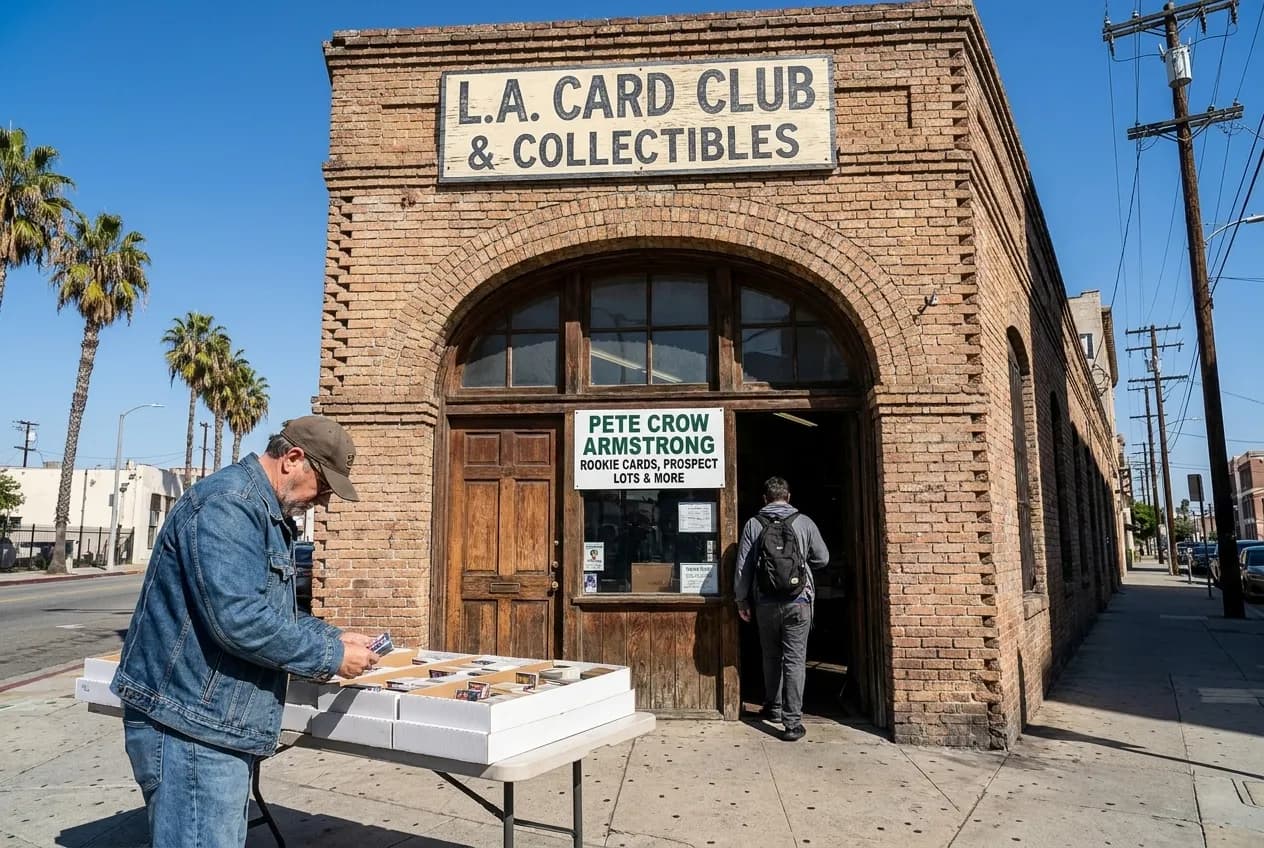
Walking into a card shop without a clear set of questions wastes time and signals inexperience. Start by asking whether they stock minor-league team sets—specifically South Bend Cubs (Armstrong's 2021 assignment) or Tennessee Smokies (2022)—and whether those sets are complete or broken into singles. Some shops buy out minor-league team set inventory from distributors and resell them intact, while others cherry-pick key prospects and dump the rest into discount bins. If they don't carry team sets, ask about prospect lot boxes: mixed collections of 2020–2023 Bowman, Bowman Chrome, Topps Pro Debut, or Heritage Minors that might include Armstrong base cards, parallels, or inserts. Clarify the price per card or per lot, and whether they allow partial purchases or require buying the entire box.
Next, inquire about consignment cases and whether they accept raw cards or only graded slabs. Consignment inventory turns over unpredictably—a binder full of Cubs prospects might arrive Monday and sell out by Wednesday—so ask when they last received new consignments and whether they can text or call you when relevant material comes in. If the shop hosts group breaks (live or online events where participants buy slots in sealed boxes), ask which products they're breaking in the coming weeks and whether Armstrong's teams or draft years are included. Finally, confirm their trade-in and store credit policies: some shops offer 50–60% of market value in cash or 70–80% in credit, which matters if you're planning to offload other cards to fund an Armstrong purchase. Avoid shops that refuse to discuss their pricing methodology or that dismiss questions about authentication and grading standards.
Reading the Raw Card vs. Graded Slab Decision
Most Armstrong rookie cards available in LA shops sit in penny sleeves or toploaders, ungraded and unverified, which creates both opportunity and risk. A raw 2021 Bowman Chrome Armstrong auto might cost $40–$80 depending on the shop's pricing and the card's apparent condition, while a PSA 10 or BGS 9.5 version of the same card commands $200–$400 online. The gamble: if you can identify a clean raw card with sharp corners, strong centering, and no surface scratches, you might submit it for grading and capture that value gap—or you might receive a PSA 8 that barely recoups your costs. Intermediate collectors should carry a jeweler's loupe or use their phone's flashlight to inspect edges and surfaces under magnification, checking for print lines, indentations, or subtle creases that disqualify a card from high grades.
Graded slabs eliminate condition uncertainty but compress profit margins and reduce the thrill of discovery. A shop selling a PSA 9 Armstrong Bowman Chrome for $150 leaves little room for upside unless his major-league performance spikes dramatically, and you're paying a premium for someone else's grading fee and submission time. The decision hinges on your goal: if you're building a personal collection and care more about authenticity than resale value, raw cards offer affordable entry points. If you're investing or planning to flip cards within 6–12 months, prioritize graded examples or raw cards so clean they're obvious grading candidates. Some shops offer in-house authentication opinions—helpful but not binding—while others partner with local grading services for bulk submissions, which can save you shipping costs if you're sending multiple cards.
Timing, Inventory Cycles, and the Consignment Wildcard
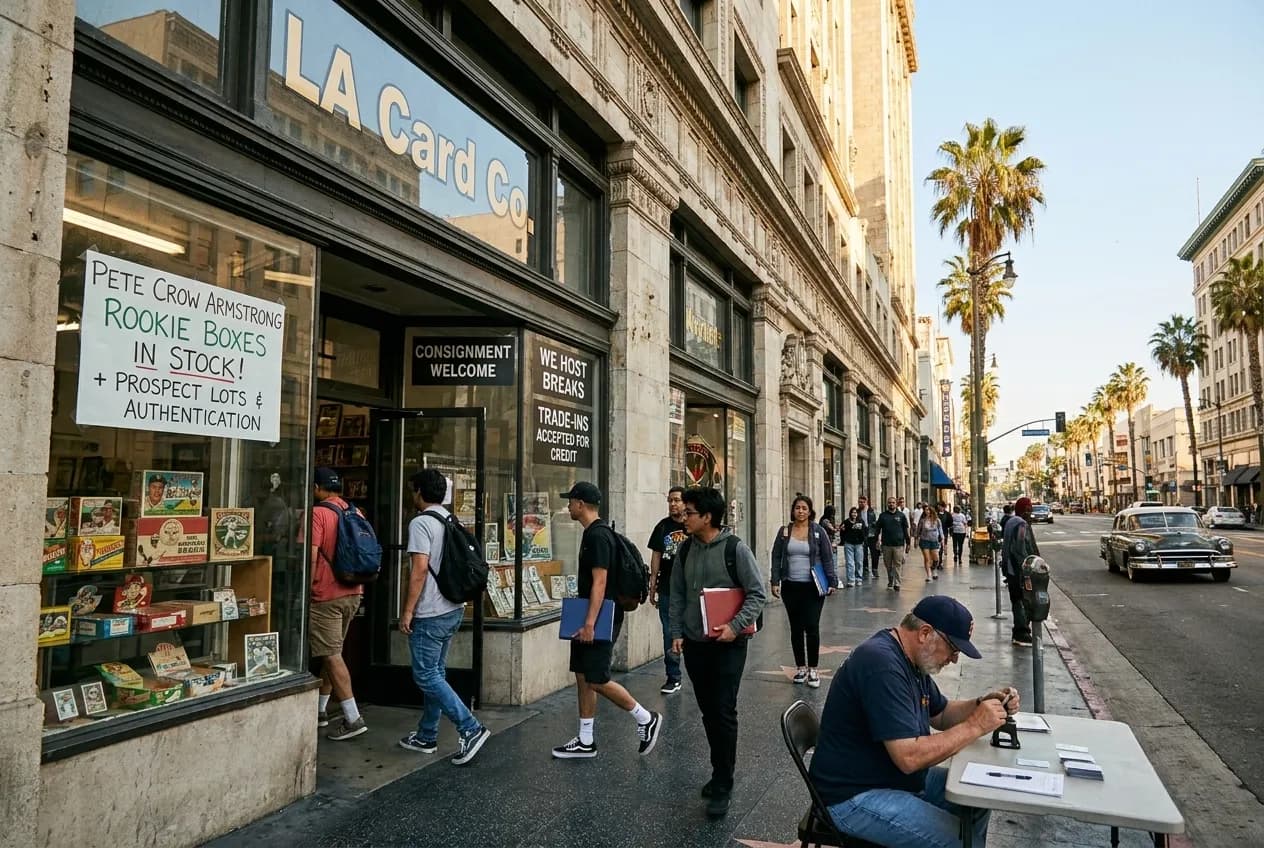
Card shop inventory follows unpredictable rhythms shaped by consignor schedules, distributor shipments, and the shop's own buying trips to card shows or estate sales. Saturdays see the highest foot traffic, which means popular cards move quickly but also that shops sometimes restock Friday night or Saturday morning to capitalize on weekend crowds. Arriving when a shop opens—often 10 or 11 a.m.—gives you first crack at new inventory before other collectors pick through it, though some shops hold back premium consignments to spread them across the week. Conversely, late Saturday afternoon visits (3–5 p.m.) might catch shops eager to clear space or negotiate on slower-moving inventory, especially if they're preparing for a Sunday closure or a Monday restock.
Consignment cases represent the wildcard in any crawl. Unlike shop-owned inventory priced at fixed margins, consignment cards reflect individual sellers' expectations, which range from realistic to delusional. A consignor who pulled an Armstrong auto in 2021 and held it might price it based on outdated comps, while another who just bought a collection might undercut market rates to move volume quickly. Ask shop staff when consignors typically drop off new material—some have regular weekly schedules—and whether the shop posts consignment arrivals on social media. Building rapport with shop owners or managers increases the likelihood they'll text you when Armstrong cards hit their cases, though this requires repeat visits and a reputation as a serious buyer rather than a browser who never pulls the trigger.
Who This Hunt Fits and Who Should Skip It
This crawl rewards collectors who enjoy the tactile process of flipping through cards, who can tolerate dead ends and empty prospect boxes, and who possess enough grading knowledge to make confident raw card assessments under imperfect shop lighting. It suits solo hunters comfortable navigating LA's commercial sprawl or pairs of collecting buddies who can split research and driving duties. The 90-minute timeframe assumes you're hitting two to three shops with focused questions and efficient searching, not lingering to chat about every card or debating purchases for 20 minutes. If you're new to prospect cards or unfamiliar with Armstrong's minor-league timeline, this hunt will frustrate you—shops won't educate you on which sets matter, and you'll overpay for commons or overlook valuable parallels.
Skip this crawl if you demand guaranteed inventory, fixed pricing, or the convenience of online shopping with return policies. Brick-and-mortar shops can't promise they'll have Armstrong cards on any given Saturday, and their prices reflect local market conditions rather than the lowest eBay listing. Collectors who prefer graded slabs with certification numbers and population reports will find limited selection compared to online platforms, though the tradeoff is the ability to inspect cards in person before buying. Finally, if you're chasing high-dollar Armstrong autos or rare parallels (numbered to 10 or fewer), LA shops rarely stock them—those cards move through private sales, auction houses, or dedicated online consignment platforms. This hunt targets the $10–$100 range where diligent searching and sharp eyes can still uncover value before the market fully prices it in.
Tags: #PeteCrowArmstrong #baseballcardcollecting #LosAngelescardshops #rookiecards #prospectcards #BowmanChrome #minorleaguecards #cardgrading #sportsmemorabilia #collectibleshunting #rawcards #consignmentcards #cardauthentication #SouthBendCubs #TennesseeSmokies
Sources consulted: Source 1: metro.net · Source 2: discoverlosangeles.com · Source 3: lacity.gov · Source 4: lapl.org
All trademarks are the property of their respective owners.
Ask Karpo first
Ask Karpo to turn this Los Angeles idea into a current plan for your date, budget, companion, transit preference, and energy level. Karpo can narrow the route and flag what to verify before you go.