The Perseids meteor shower is one of the most anticipated annual celestial events, and Miami’s subtropical skies make it a fascinating place to observe this natural spectacle. While the shower’s peak is visible across the northern hemisphere, local factors such as light pollution, horizon obstructions, and weather conditions play a crucial role in the viewing experience. Additionally, solar eclipses, although rarer and less frequent, add a thrilling dimension to Miami’s stargazing calendar. This guide offers a safety-first, practical approach to enjoying these phenomena by comparing public access points, ideal viewing times, glare considerations, and what to do when clouds obscure the sky. Whether you’re a solo stargazer or planning a family outing, understanding Miami’s unique urban and natural environment will enhance your celestial adventures.
Plan your Miami stargazing trip with our tailored route suggestions and weather insights to maximize your chance of a memorable night under the stars.

Choosing Miami’s Best Public Stargazing Spots
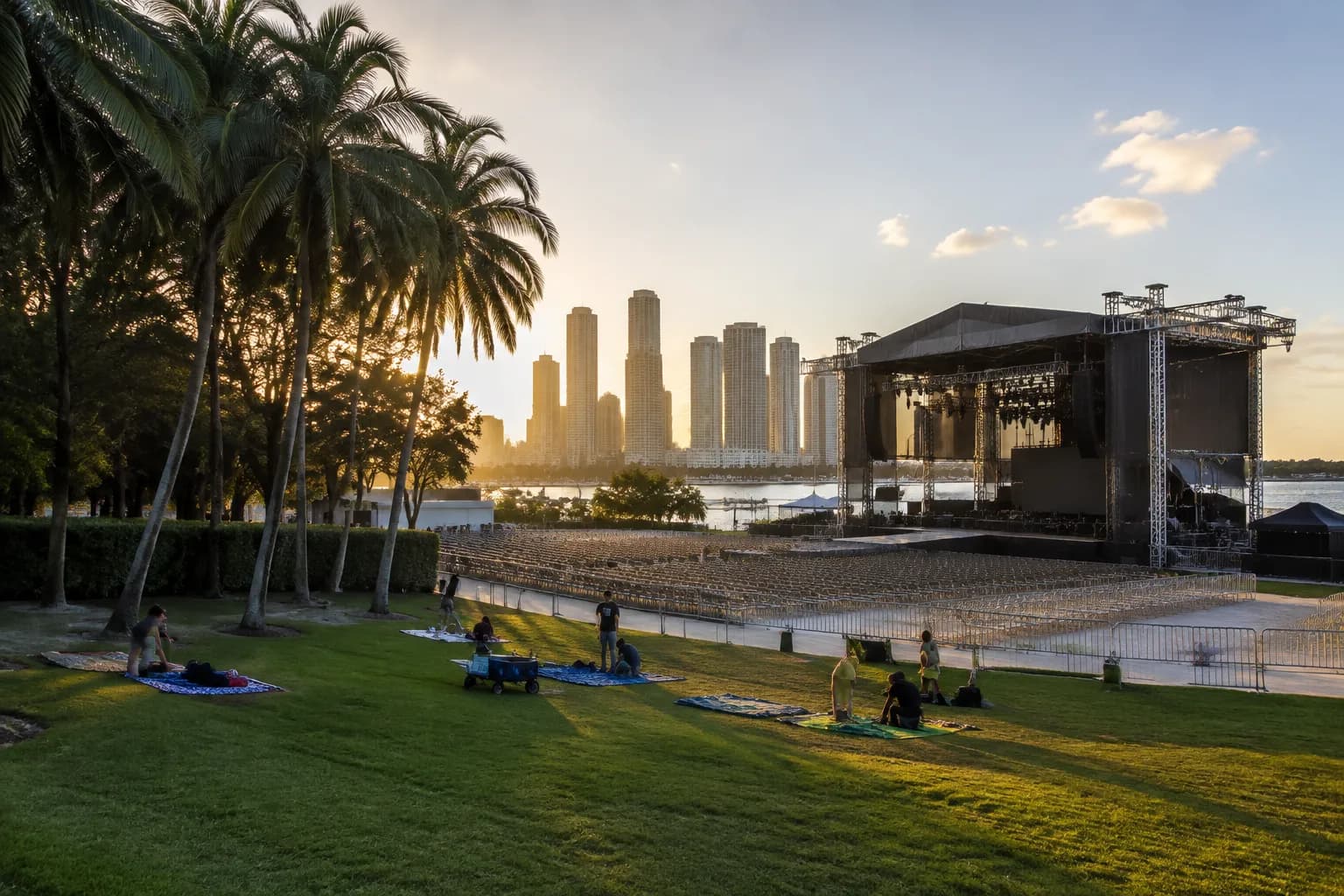
Miami-Dade County boasts a variety of parks and open spaces that provide excellent vantage points for observing the Perseids meteor shower. Parks such as Matheson Hammock and Oleta River State Park offer relatively darker skies away from the downtown glare, with wide, unobstructed horizons essential for spotting fast-moving meteors. Accessibility is a key factor; many parks have easy public transit connections and ample parking, but check closing times ahead as some locations close at dusk.
When selecting a spot, consider the surrounding environment. Urban areas near Miami Beach or downtown can overwhelm the sky with artificial light, diminishing the visibility of faint meteors. Waterfront parks can also introduce glare from nearby streetlights or buildings, so positioning yourself away from reflective surfaces is beneficial. Public spaces maintained by Miami-Dade Parks are generally safe and family-friendly, but arriving early to claim a good spot is advised during peak meteor activity.
For those traveling with mobility considerations or young children, flat, open areas with paved paths and nearby facilities can make the experience more comfortable. Some parks offer picnic shelters or benches, providing rest spots during longer observation sessions. Comparing these amenities can help groups choose a location that balances dark skies with convenience, especially when coordinating with multiple participants.

Timing, Horizon Views, and Glare Management
The Perseids meteor shower typically peaks in mid-August, with activity often intensifying after midnight. Miami’s latitude means the meteors appear mainly in the northeastern sky, rising higher as the night progresses. Ideally, stargazers should find a viewing location with a clear, unobstructed northeastern horizon free from tall buildings or dense tree lines. This improves the chances of seeing meteors streaking across the sky at varying heights.
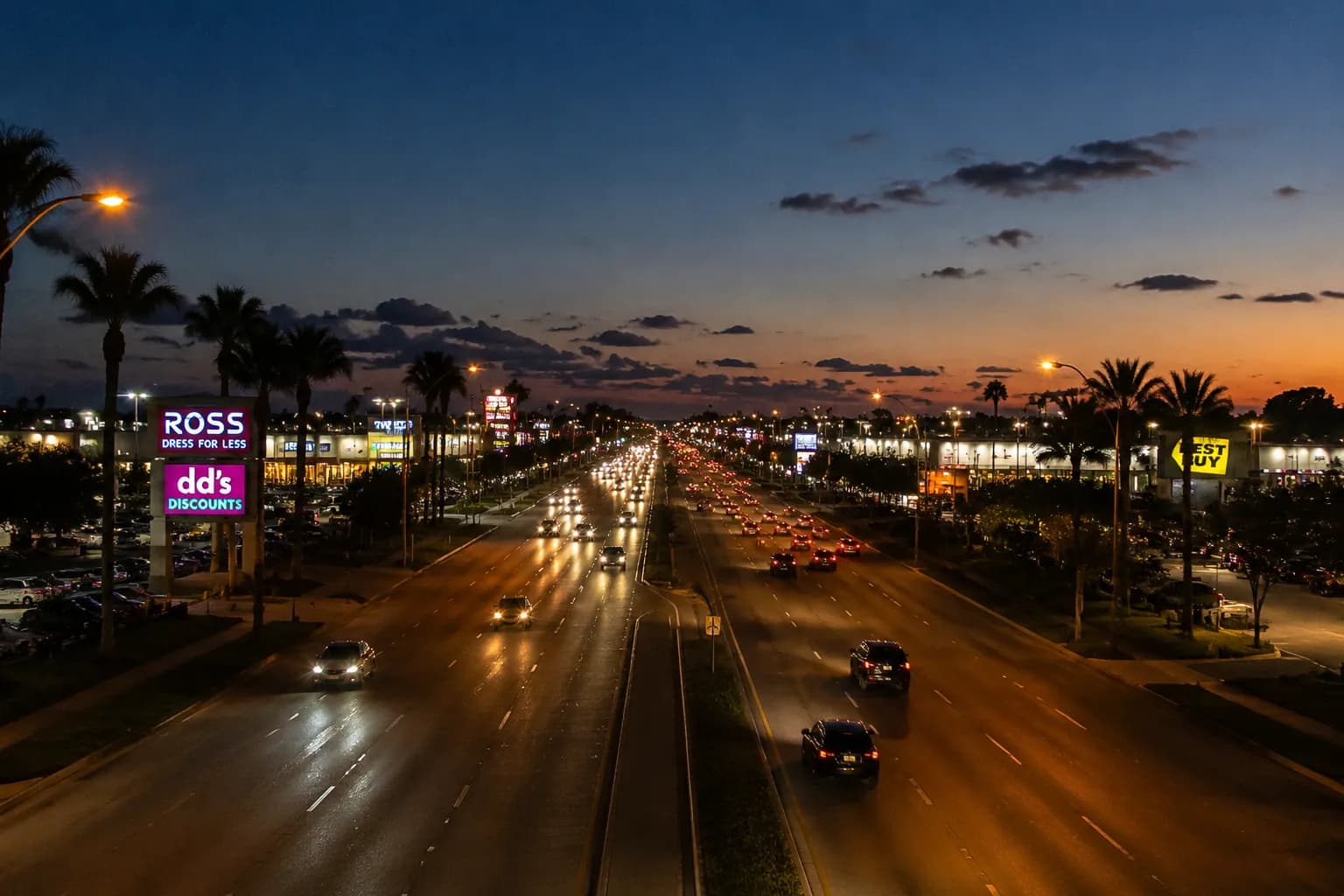
Glare is another challenge in Miami. Streetlights, passing cars, or illuminated signage can significantly reduce night vision adaptation, making it difficult to detect faint meteors. Use blankets or portable screens to shield your eyes from direct light sources and avoid using phones or bright flashlights during observation periods. Wearing a hat or hood can also help limit peripheral glare.
Timing your visit to coincide with the darkest part of the night—usually between midnight and 3 a.m.—can optimize viewing conditions. However, this requires planning for safety and transportation, especially if relying on public transit that may have limited service during late hours. Group coordination is essential to ensure everyone can arrive and depart safely, possibly carpooling or arranging rideshares to avoid late-night challenges.
Weather Considerations and Cloud-Proof Alternatives
Miami’s tropical climate means weather can be unpredictable, especially in summer when afternoon thunderstorms are common. The National Weather Service Miami provides up-to-date forecasts that are crucial for planning your meteor shower or solar eclipse viewing. Clear skies are essential, and even partial cloud cover can drastically reduce visibility. Monitoring hourly forecasts on the night of the event can help you adjust your plans in real time.
In the event of overcast conditions, consider digital alternatives supported by NASA’s Perseids overview, which offers live streaming and detailed meteor shower data. Many astronomy apps and websites provide cloud-proof experiences, allowing you to follow the Perseids meteor shower virtually or learn about solar eclipses through interactive simulations. These backups ensure you don’t miss out on the educational and awe-inspiring aspects of these celestial events.
For those committed to an outdoor experience despite uncertain weather, having flexible backup locations closer to home or easily accessible by car can save time and reduce frustration. Checking local weather radar apps before departure helps avoid driving long distances to obscured skies. Additionally, some local astronomy clubs occasionally host indoor viewing events or lectures that provide a social and educational alternative when skies are unfavorable.

Safety and Group Needs for Miami Stargazers
Stargazing in public spaces after dark requires attention to personal safety and group dynamics. Miami-Dade Parks are generally secure, but it’s wise to visit with friends or family, especially in less trafficked areas. Bring sufficient water, insect repellent, and weather-appropriate clothing to stay comfortable during potentially long observation periods.
For families or larger groups, choosing parks with restroom facilities and picnic areas can enhance the experience. Arriving early allows time to set up blankets or lawn chairs and orient younger stargazers to the night sky. Always respect park rules and closing times to avoid unexpected interruptions. Consider transportation options that allow for flexible departure times, as you may want to stay after peak meteor activity or eclipse phases.
When organizing groups, plan for communication options such as walkie-talkies or fully charged cell phones in case of separation in low-light conditions. Also, be mindful of local wildlife and insects, especially near water bodies, by bringing appropriate repellents or protective gear. For solo stargazers, informing someone of your location and expected return time adds an extra layer of safety.
Practical notes
Check Miami-Dade Parks websites for the latest information on park hours and any temporary restrictions before heading out. Transit options vary by location; some parks are more easily reached by car, while others have bus access. Bring red-filtered flashlights to preserve night vision and avoid white lights that can disrupt your eyes’ adjustment to darkness. Dress in layers as coastal breezes can cool the night air unexpectedly. Finally, keep an eye on the National Weather Service Miami forecasts in the days leading up to the Perseids meteor shower or solar eclipses to adapt plans accordingly. Planning for contingencies, such as having extra batteries or backup transportation, can make your stargazing experience smoother and more enjoyable.
Tags: #PerseidsMeteorShower #MiamiStargazing #SolarEclipses #MiamiParks #NightSkyMiami #MeteorShowerViewing #MiamiWeather #AstronomyMiami #PublicParksMiami #FamilyStargazing #NASA #MiamiEvents #SkyWatching #TropicalNightSky #CloudProofStargazing
Sources consulted: NASA Perseids overview · Miami-Dade Parks · National Weather Service Miami
All trademarks are the property of their respective owners.
Ask Karpo first
If you’re unsure where exactly to go or want tips tailored to your group size and transportation options, just ask! I can help you map out the safest, most rewarding Miami stargazing experience for the Perseids meteor shower and solar eclipses.