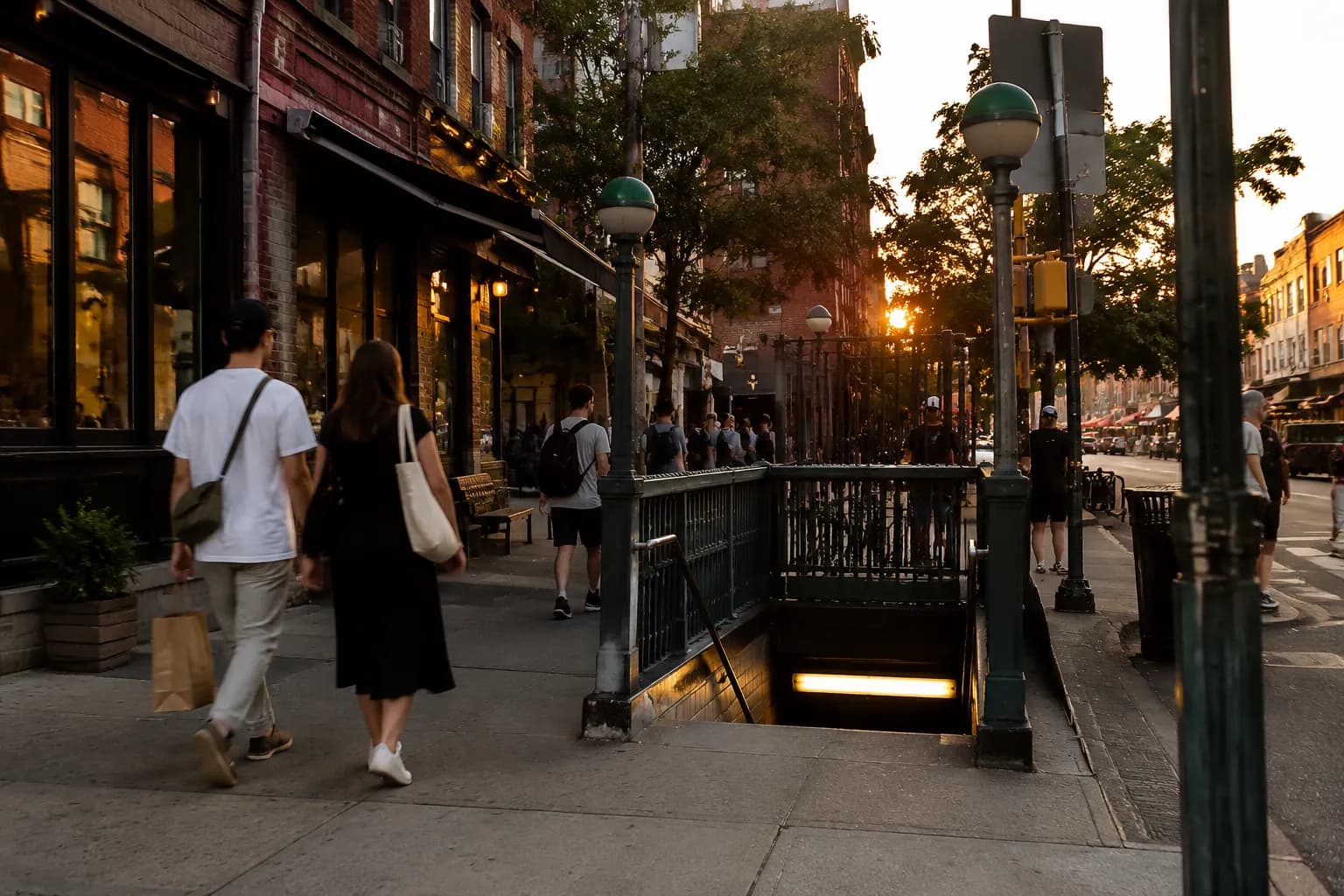
A Friday pregame in NYC gets louder once perez hilton chatter enters the group chat, but a fun rumor is not a plan. The smart move is to treat celebrity gossip as a prompt for checking, not a substitute for checking. Before anyone commits to a bar, confirm whether the event page is actually public, whether the venue has posted anything current, and whether transit still works for the route you want. That keeps the night cheeky instead of chaotic. It also helps friends decide whether they want a gossip-first stop, a conversation-friendly room, or a backup plan that still feels worth leaving the apartment for. That gives the crew a clear way to separate playful speculation from the actual logistics of getting out the door.
Run the NYC pregame through Karpo with the neighborhood, group size, bar vibe, and rumor source to separate playful gossip from workable night-out logistics.

Treat the rumor like a flyer
When a claim about a celebrity appearance starts circulating, start with the simplest question: is there anything official behind it? A rumor can make the group chat lively, but it should not decide your route, budget, or meeting time. Use the buzz as a reason to verify event listings and venue posts, then decide whether the night is still worth the detour. If the answer is unclear, keep the plan flexible and leave the rumor in the category of entertainment. That approach protects the night from turning into a scavenger hunt built on half-truths. It also keeps the night from being driven by screenshots, hearsay, or someone else’s fantasy of a guest list.
This mindset is especially useful in a city where a Friday pregame can move fast and plans can change even faster. Friends who enjoy pop-culture commentary may want the chase; others just want a place with conversation, drinks, and an easy handoff to the rest of the evening. Split those goals early. If the celebrity angle is only a story hook, let it stay that way. Pick a venue that works even if no one from the chatter shows up, because a solid bar needs more than a headline to earn the ride. If nobody can verify the claim, enjoy the joke without letting it steer the destination.

Let transit win first
Before anyone leaves, check the MTA page for real-time alerts, planned service changes, and elevator or escalator status. The site also surfaces schedules, maps, fares and tolls, accessibility information, and nearby stations and stops, which makes it a practical first screen for a night out. If your group is split across boroughs or arriving from different neighborhoods, that matters more than the gossip. A rumor that looks exciting on a phone screen can collapse quickly if a line is delayed or a station switch is awkward. Transit truth should come first, and the official page beats guessing when the line you need is already under strain.
The useful habit is to build a route with one fallback, not five. Decide how the group gets there if the first option is crowded, slow, or simply inconvenient. Keep the walk between transit and venue public and straightforward, and avoid any plan that depends on a perfect arrival time. If the night is built around chatter, late arrivals can create pressure and resentment. A cleaner transit plan lets people show up in the same mood they left with, which is the real difference between a fun pregame and a tired one. A backup route also lowers the odds that one delayed train becomes the reason half the group arrives annoyed.
Use public listings first
City-run calendars are better than hearsay when the question is whether a public event is actually happening. Start with the official events pages for NYC Parks and NYPL before assuming a park meetup, cultural program, or crowd draw exists on the date you care about. The point is not to hunt for the perfect surprise. It is to see whether the public record supports the story that is traveling through the group chat. If the official listing is missing, vague, or irrelevant, treat the claim as unconfirmed and keep moving. That way, the group knows whether it is planning a public meetup, a bar stop, or just a rumor audit.
That discipline helps separate a real night-out anchor from a rumor that only sounds useful. If a claimed appearance does not appear in a public listing, do not build the whole evening around it. Choose a bar that can stand on its own, then let any confirmed event function as a bonus rather than the reason everyone got dressed. Friends who like a little gossip will still get their story; friends who hate wasted time will appreciate that the plan remains intact even when the internet exaggerates. The night stays social without becoming a bet. If the public record never supports it, the rumor can still entertain, but it should not command the timeline.

Match the room to the mood
Once the rumor check is done, choose the kind of room the group actually wants. Some crews want a loud place where a celebrity mention becomes part of the joke; others want a calmer bar where conversation can keep pace with the first round. The best choice is the one that fits the people in front of you, not the fantasy in the feed. If the crowd is mixed, bias toward a space that makes it easy to arrive, order, and leave without awkward waiting. That gives the night structure even when the gossip does not. That is the difference between a room that fits the group and one that only sounds good on paper.
A quick official screen through the city health directory can also help you narrow the field before anyone commits. Use it as a basic reference point, not as a promise about mood or service, and keep the real question focused on fit. Does the venue work for a pair of gossip-loving friends, a wider group chat reunion, or a low-drama night that may end after one drink? If the answer is yes, the place is doing its job. If the answer depends on an unverified celebrity sighting, keep looking. The city directory should simply help filter out the options that obviously do not match the night you want.
Lock the roles before you leave
The cleanest way to avoid friction is to assign roles before the night starts. One person can watch for last-minute changes, another can handle the route, and everyone else can stay focused on whether the plan still sounds fun. When perez hilton chatter is only a hook, it should never force the group into a bad fit. Set a simple cutoff: if the claim is still unverified by the time you leave, the backup plan wins. That rule saves energy and keeps the evening from turning into debate mode halfway through the ride. When the plan is split into roles, nobody has to improvise under pressure or argue about what counts as proof.
This is the part that matters most for Friday pregame flow. The goal is not to punish rumor lovers; it is to keep the night moving when the story changes. Keep the conversation playful, keep the destination real, and keep the exit easy if the first stop is not delivering. Friends remember a night that felt clear and adaptable more than they remember the rumor that launched it. In practice, that means checking before you go, trusting the official record over the loudest claim, and leaving room for the night to surprise you for the right reasons. That leaves room for the city to do what it does best: give you a night that is real, not merely rumored.
Tags: #perezhilton #NYCnightlife #barsandnightsout #Fridaypregame #celebritygossip #eventverification #MTAalerts #NYCParksevents #NYPLevents #ABCEatsRestaurants
Sources consulted: Source 1: nycgovparks.org · Source 2: new.mta.info · Source 3: nypl.org · Source 4: a816-health.nyc.gov
Please drink responsibly. Must be of legal drinking age.
All trademarks are the property of their respective owners.
Ask Karpo first
Ask Karpo to turn this NYC idea into a current plan for your date, budget, companion, transit preference, and energy level. Karpo can narrow the route and flag what to verify before you go.