 Kings Theatre in Flatbush: A Restored 1929 Movie Palace
Hidden Gems & Odd Finds
perez hilton cutting himself x: NYC Hidden Media Archive and
Use the phrase as a research hook, not a settled claim. This NYC pathway is for solo researchers who want institutional context around internet celebrity culture, media archives, and platform moderation.
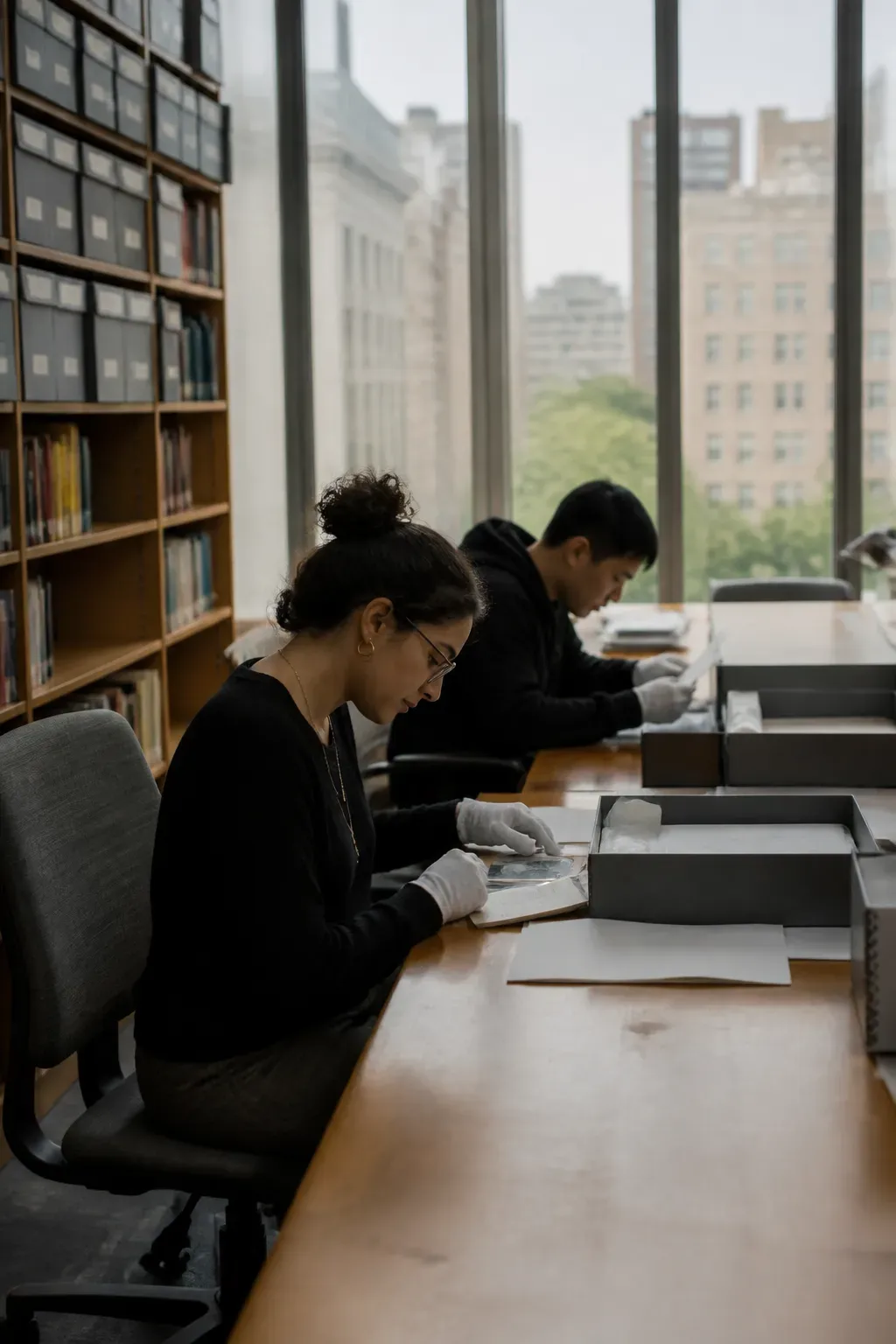
The search phrase perez hilton cutting himself x is volatile enough that a responsible NYC research plan should treat it as an index term, not as evidence. For a weekday afternoon, the stronger move is to build a pathway through institutional collections, catalog records, media studies resources, and public transit planning before drawing any conclusion about what happened, where it circulated, or why it matters. This route is centered on the idea of hidden archives: university media libraries, digital culture collections, journalism school holdings, and public-facing city tools that help a solo researcher move carefully. It fits someone with a high tolerance for catalog friction, source triangulation, and incomplete records. The reward is not instant certainty. It is a cleaner evidence trail for studying internet fame, rumor spread, and moderation decisions without relying only on Google search snippets.
Text Karpo your research topic focus, whether you have university access or need public resources, and your available research days—we'll map the best media archive for your Perez Hilton X incident research, one digital culture librarian consultation slot, and a backup cafe near campus where you can work through findings.
Treat the Keyword as a Research Object
Begin by separating the query from the claim it appears to imply. A phrase like perez hilton cutting himself x may surface because of social media posts, reposted screenshots, archived pages, unrelated commentary, or search-engine clustering. None of that proves location, authorship, intent, or factual accuracy. In an analytical research session, write the exact phrase down as received, then create adjacent variants for catalog work: celebrity gossip blogs, self-harm discourse online, platform moderation, early social media controversy, digital celebrity archives, and tabloid internet culture. This keeps the investigation focused without letting the wording dictate the conclusion. It also protects the work from turning a search trend into an unsupported biographical statement.
The hidden-gem value in NYC is that the city contains research environments where internet culture can be studied as media history rather than gossip. Your first decision is whether you need primary artifacts, secondary interpretation, or institutional context. Primary artifacts could include archived websites, born-digital media, video records, screenshots, or social platform traces, depending on collection rules and permissions. Secondary interpretation may come from books, theses, journalism reviews, or academic articles. Institutional context may explain how platforms, publishers, and newsrooms treated celebrity material during a specific period. Keep those lanes separate in your notes, because mixing them is where weak research usually starts to sound more certain than it is.
Use Bobst as the Anchor, Not the Whole Answer
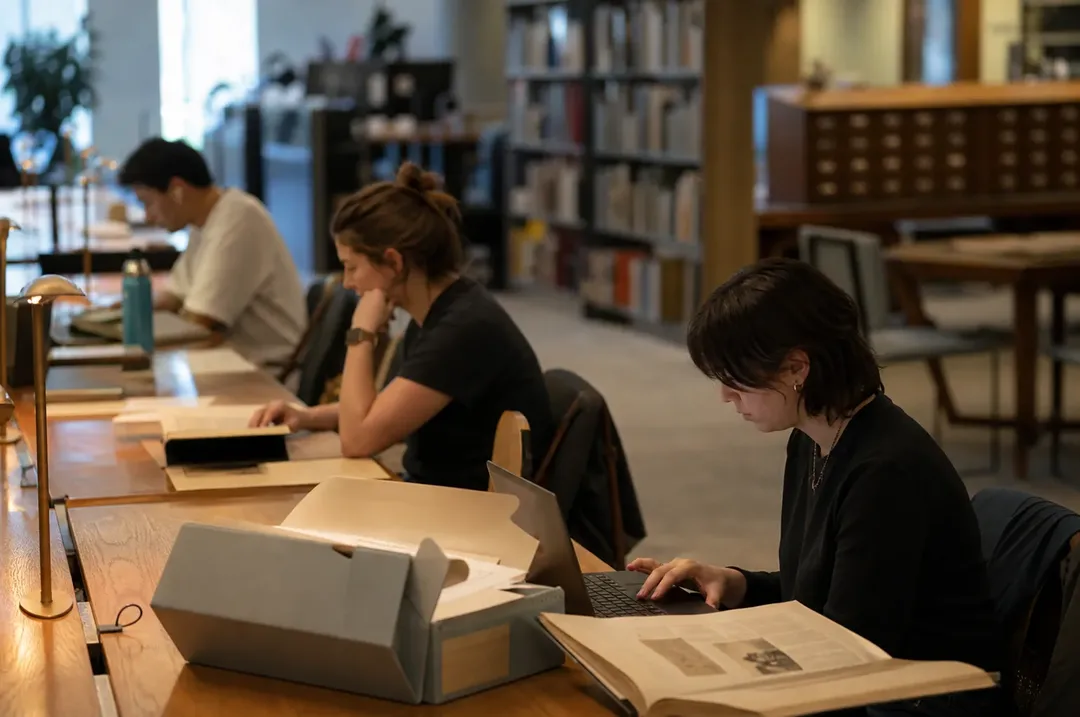
NYU Bobst Library is the logical anchor for this pathway because the EOI points to it directly and because a university library environment is better suited to disciplined source discovery than open web scrolling. Do not assume that Bobst has a specific item about this exact query unless a catalog record confirms it. Instead, use it as a research base for broader media studies work: celebrity culture, internet scandal cycles, blog-era publishing, digital preservation, and moderation ethics. A solo researcher should arrive with a short source grid, including query used, database searched, item title, creator, date, access status, and relevance note. That grid prevents one promising result from overpowering the rest of the evidence.
The tradeoff is access friction. Some university resources may be limited to affiliated users, some materials may require onsite consultation, and some born-digital collections may have restrictions that are not obvious from a search result. Treat every catalog hit as a lead to verify, not as a confirmed usable source. If you are not affiliated with NYU, check public visitor guidance and contact points before planning around any specific database or reading room. For a weekday afternoon, set a narrow question that can survive partial access: how celebrity gossip traveled across platforms, how harmful content was framed, or how moderation language changed. Those questions can be advanced even when a single artifact is unavailable.
Add Digital Art and Journalism Context
The New Museum digital art archive angle matters because internet culture is not only news content; it is also visual practice, platform behavior, remixing, and networked performance. When studying a search hook connected to celebrity and distress, digital art contexts can help frame how images, posts, screenshots, and interfaces become cultural objects. The caution is the same: do not claim that a particular person, post, or incident appears in a collection without a specific record in hand. Use the institution as a contextual lens for questions about circulation, spectatorship, and digital memory. That makes the stop useful even if the exact keyword never appears in a searchable archive.
Columbia journalism school collections add a different layer: how reporting norms, media criticism, and public-interest journalism respond to online celebrity material. This is especially important for platform moderation research, because a post can be treated as entertainment, evidence, harassment, health concern, or policy violation depending on who frames it. Search for coursework, publications, library records, panel transcripts, and journalism-review material around internet celebrity, tabloid blogging, social media verification, and harm-sensitive reporting. The goal is not to force a direct connection to perez hilton cutting himself x. The goal is to understand what responsible media institutions teach or preserve about verifying online claims before amplifying them.
Navigate the City With Verification Built In
For movement between research sites, rely on official transit tools rather than memory or third-party assumptions. The MTA site provides schedules, maps, fares and tolls, planned service changes, elevator and escalator status, accessibility information, nearby stations and stops, real-time alerts, and service-alert signups. That is enough to build a weekday afternoon route without inventing travel guarantees. Check planned service changes before leaving, then check elevator or escalator status if accessibility affects the route. If your research depends on arriving within a tight window, build a backup branch into the plan. In NYC, the research skill is not only finding records; it is protecting the day from avoidable transit uncertainty.
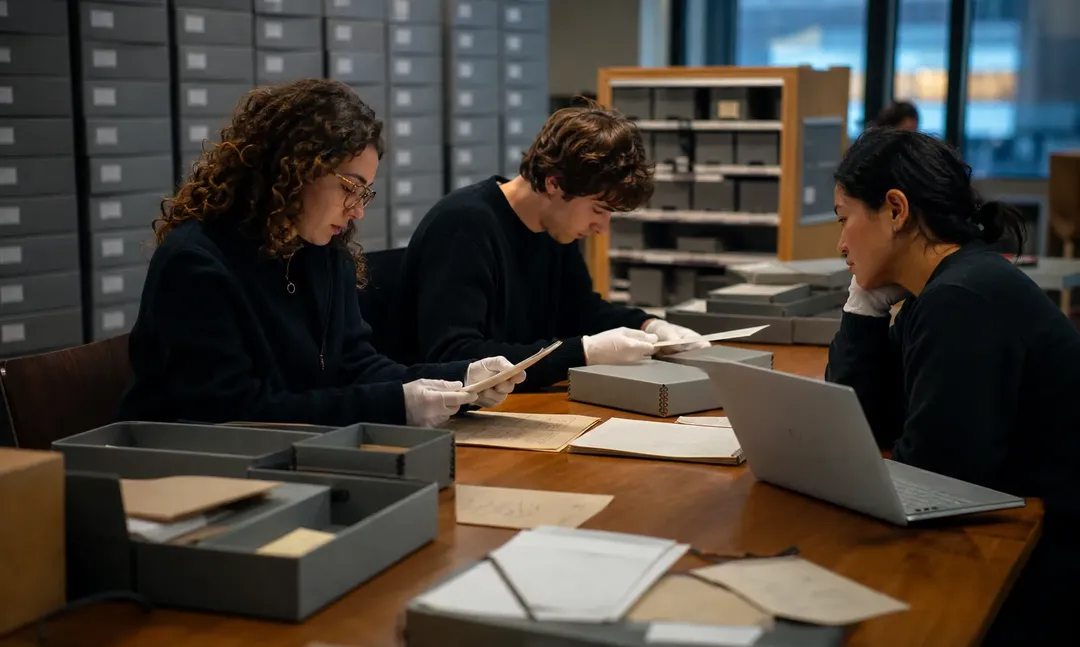
Use public-space routing as a discipline. Start with the institution most likely to answer your central question, then add secondary stops only if they answer a different question. For example, Bobst may support academic framing, a digital art archive may support platform aesthetics, and a journalism collection may support reporting ethics. Do not stack visits just to make the itinerary look fuller. A solo researcher working through difficult material should also plan note-cleaning time between stops, ideally in a public setting where the next search can be narrowed before more records are opened. That pause helps distinguish useful leads from emotionally charged but weakly sourced material.
Keep Harm, Privacy, and Moderation in View
Because the keyword includes language that could point toward self-harm content, the research method needs a harm-aware filter. Avoid reproducing graphic claims, speculative descriptions, or unverified images in your notes unless they are necessary for a legitimate research question and properly contextualized. Platform moderation research can examine why content was removed, labeled, archived, amplified, or disputed without treating distress as spectacle. Use neutral labels such as source type, platform behavior, moderation action, and publication framing. If an item involves a real person, record only what the verified source establishes. The absence of a reliable record should remain visible as absence, not become a gap filled by inference.
This is where NYC’s institutional pathway is strongest. Libraries, archives, museums, and journalism schools encourage slower reading than social feeds do, which suits a high-difficulty research task. The practical output from the afternoon should be a source map rather than a hot take: confirmed records, inaccessible leads, rejected claims, unresolved questions, and next verification steps. If two searches in credible catalogs or public databases return no relevant match, mark that plainly for human follow-up instead of stretching adjacent material. The right standard is not whether the route proves the trend. It is whether the route helps a researcher explain what can be known, what cannot be known, and why the difference matters.
Tags: #NYChiddengems #mediaarchives #internetculture #platformmoderation #researchpathway #NYUBobstLibrary #digitalculture #journalismstudies
Sources consulted: Source 1: nycgovparks.org · Source 2: new.mta.info · Source 3: nypl.org · Source 4: a816-health.nyc.gov
All trademarks are the property of their respective owners.
Ask Karpo first
Ask Karpo to turn this NYC idea into a current plan for your date, budget, companion, transit preference, and energy level. Karpo can narrow the route and flag what to verify before you go.
Ask Karpo for more information.
Keep reading
- Kings Theatre in Flatbush: A Restored 1929 Movie Palace
 Chambers Street Wines: Manhattan's Natural Wine Pioneer
 Mediterranean Food Near Me in NoMad: Ilili's Crispy Brussels Sprouts