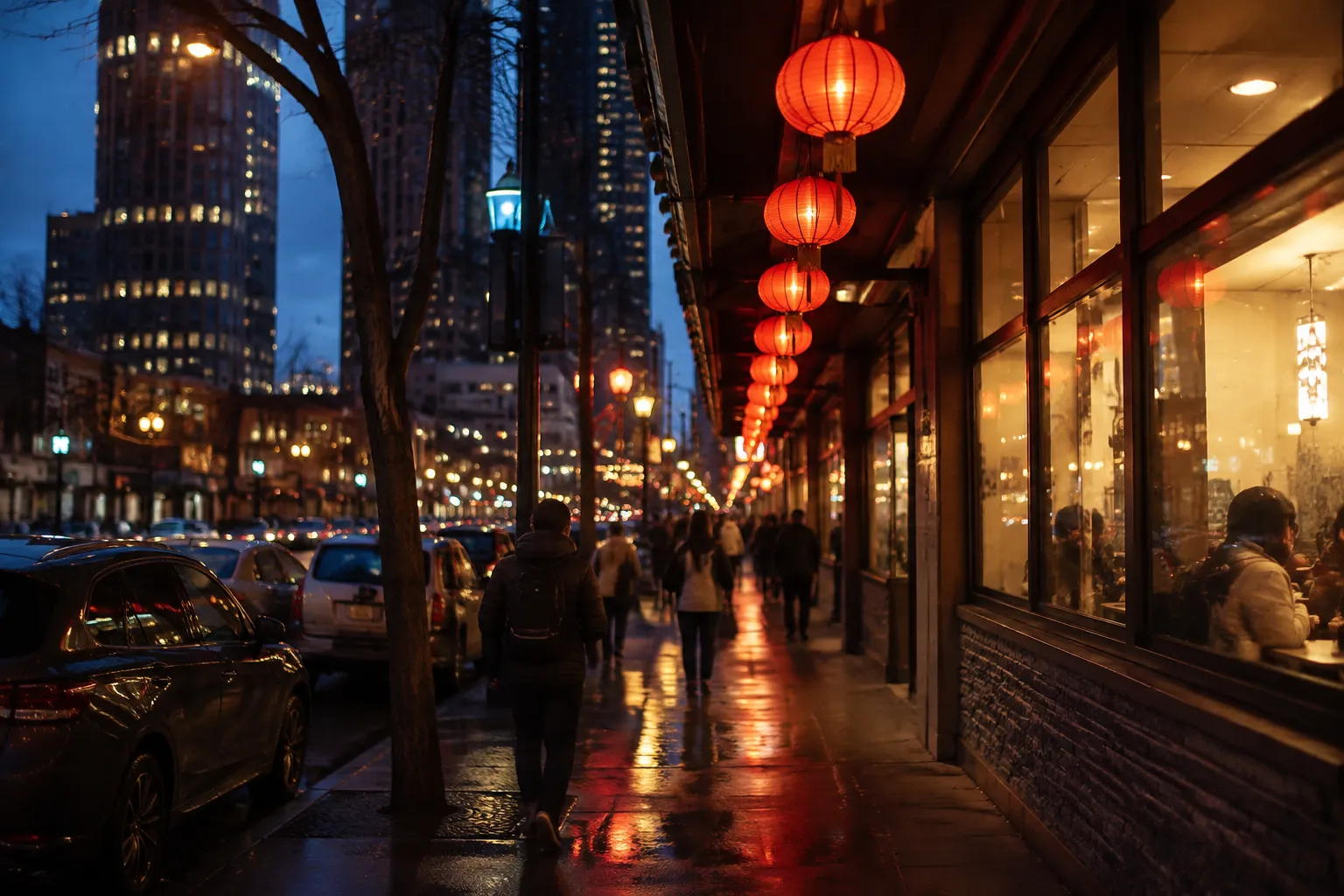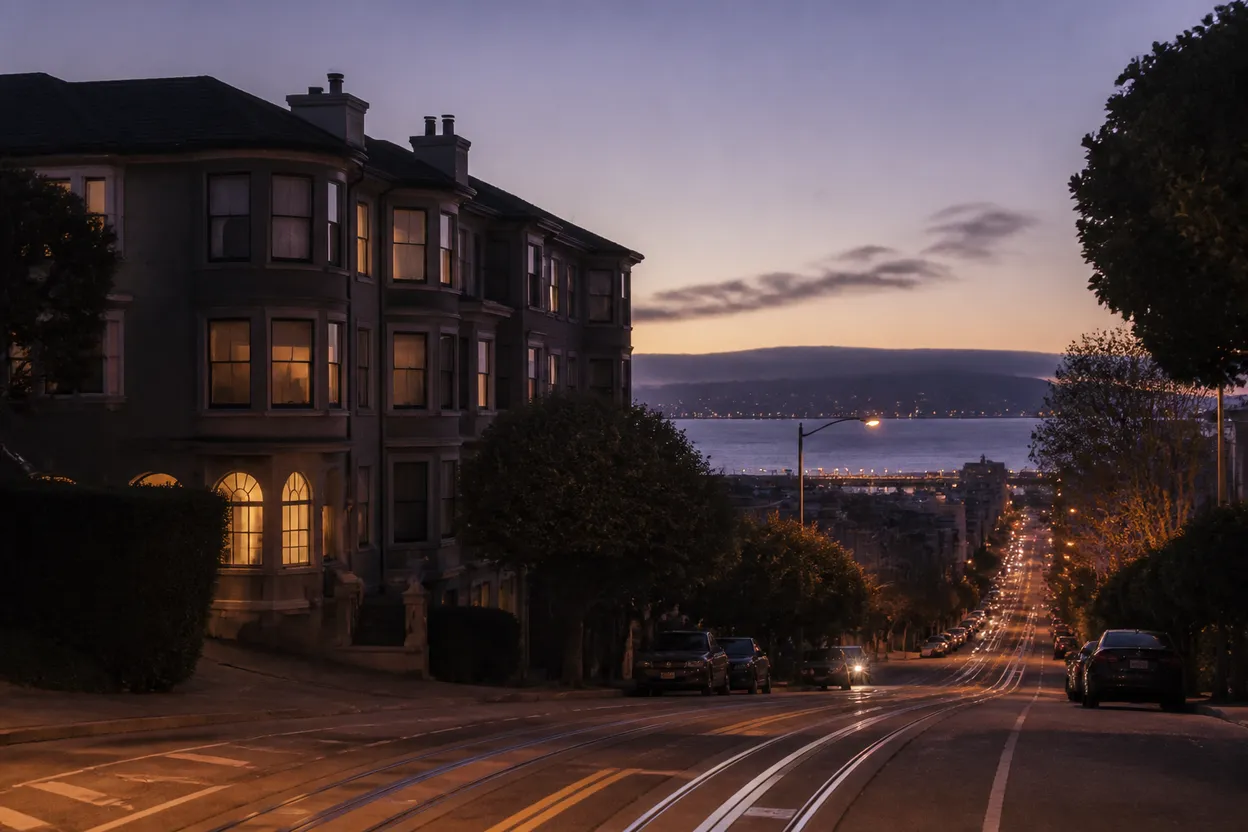
perez hilton may be the phrase people are searching today, but it should not be treated as evidence of a San Francisco appearance, a restaurant booking, or an insider event. For a city dinner plan, the better move is to use the topic as a light conversation starter while making every practical choice from public, checkable sources. San Francisco rewards that discipline: a restaurant night can be derailed by transit delays, neighborhood construction, event crowds, full dining rooms, or a vendor that changed hours since you last looked. Start with the official SFMTA trip tools and alerts, check the San Francisco Department of Public Health resources for restaurant safety information, and build a route that works even if your first idea is crowded.
Want a dinner route that is timed, transit-aware, and not built on celebrity rumors? Text Karpo before you leave and ask for a verified first stop plus a nearby backup.

Use the trend as a dinner conversation hook
A timely search phrase can make a table lively, but it should not drive the logistics. If someone brings up perez hilton over dinner, keep it in the category of public chatter unless an official source says otherwise. Do not pick a restaurant because a social post implies proximity, private access, or a possible celebrity stop. In San Francisco, that kind of speculation is a weak planning tool: it can send a group across town for no useful reason and leave everyone waiting outside a place that was never part of the story.
Use the hook for what it is good at: opening the night with a shared topic. Then shift to verifiable decisions. Confirm the restaurant’s own current information, check whether the city has active transit alerts that affect your route, and keep the plan public. The goal is not to chase a rumor; it is to have a dinner route that still works if the trend disappears from everyone’s phone by dessert.
Choose the room before choosing the menu
For a San Francisco restaurant night, the room matters before the menu does. Decide whether the group needs a fast counter-service stop, a sit-down dinner, an accessible route with minimal transfers, or a place where a late arrival can join without disrupting the table. Those details are not celebrity-dependent; they are practical. If the party includes visitors, start with a neighborhood that is easy to explain and easy to leave from, then narrow the restaurant choices inside that area.
Before committing, use official health and safety checks where available. The San Francisco Department of Public Health says it provides food safety education, inspection, permitting, and other measures, and its site points readers to resources to open a restaurant or check health scores. Treat that as part of the same pre-dinner routine as reading the menu. If a health score, permit status, or posted detail matters to your group, verify it directly through the official DPH resource before you go.
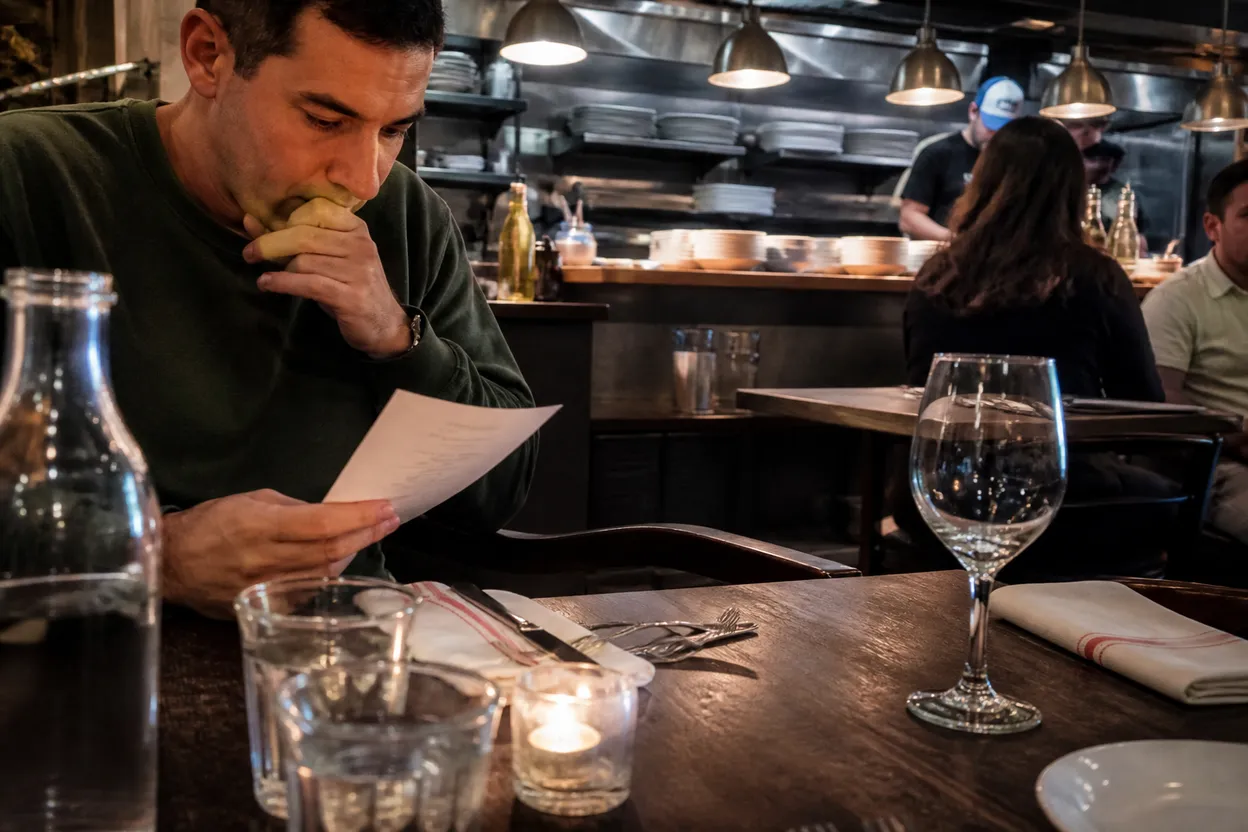
Match the market or hall to the group
Food halls and markets can be useful when a group cannot agree on one cuisine, but they also require more verification than people expect. Vendor lineups, operating hours, seating rules, and individual stall availability can change, so do not assume that one online memory equals tonight’s reality. Assign one person to check the official page for the venue and, when possible, the individual vendor pages. If the official information is unclear, choose a simpler restaurant plan instead of gambling the whole night on a flexible-looking location.
The best use case is a mixed group: one person wants a quick bite, another wants something lighter, and nobody wants a long reservation debate. The risk is that a popular hall becomes a waiting room without a clear table. Build a decision point into the plan: if the first stop looks too crowded after a brief check, switch to the backup immediately rather than drifting from counter to counter while everyone gets hungrier.
Keep the first stop easy to reach
Make the first stop the easiest stop, not the most dramatic one. SFMTA’s official site provides a Trip Planner with options for Muni, walking, biking, driving, and parking, and it also points users to Muni routes, stops, transit maps, visitor information, accessibility, taxi, and neighborhood resources. Use those tools before leaving, especially if someone in the group is transferring from another neighborhood or arriving after work.
On the current date, SFMTA’s public site also highlights live alerts and travel information. Its homepage references Outside Lands Aug. 7-9, Hayes Valley Shared Spaces on Fridays and Saturdays in August 2026, Chinatown construction from July 30-Aug. 9, and Muni service changes starting Aug. 29. Those items do not automatically block your dinner, but they are exactly the kind of city conditions that can affect timing, vehicle movement, transfers, and crowd patterns. Check the official SFMTA alerts close to departure, then choose a first stop that does not require a fragile chain of connections.
Save a nearby option for long waits
A backup is not a second-best mood; it is how you keep the night from becoming a sidewalk meeting. Pick the backup before you leave and keep it close enough that the group can move without renegotiating transportation. The backup should satisfy the same basic constraints as the first choice: similar neighborhood, accessible enough for the group, and not dependent on a rumor, a private event, or a last-minute table opening.
Set a wait threshold in advance. For example, decide that if the first restaurant cannot seat the group within the time everyone can tolerate, you will walk or transit to the backup rather than debating at the host stand. Do not invent certainty around availability; verify what the restaurant publishes and accept that conditions can change. If your route crosses an area with an SFMTA alert, construction notice, or event-related crowd pressure, make the backup even closer.
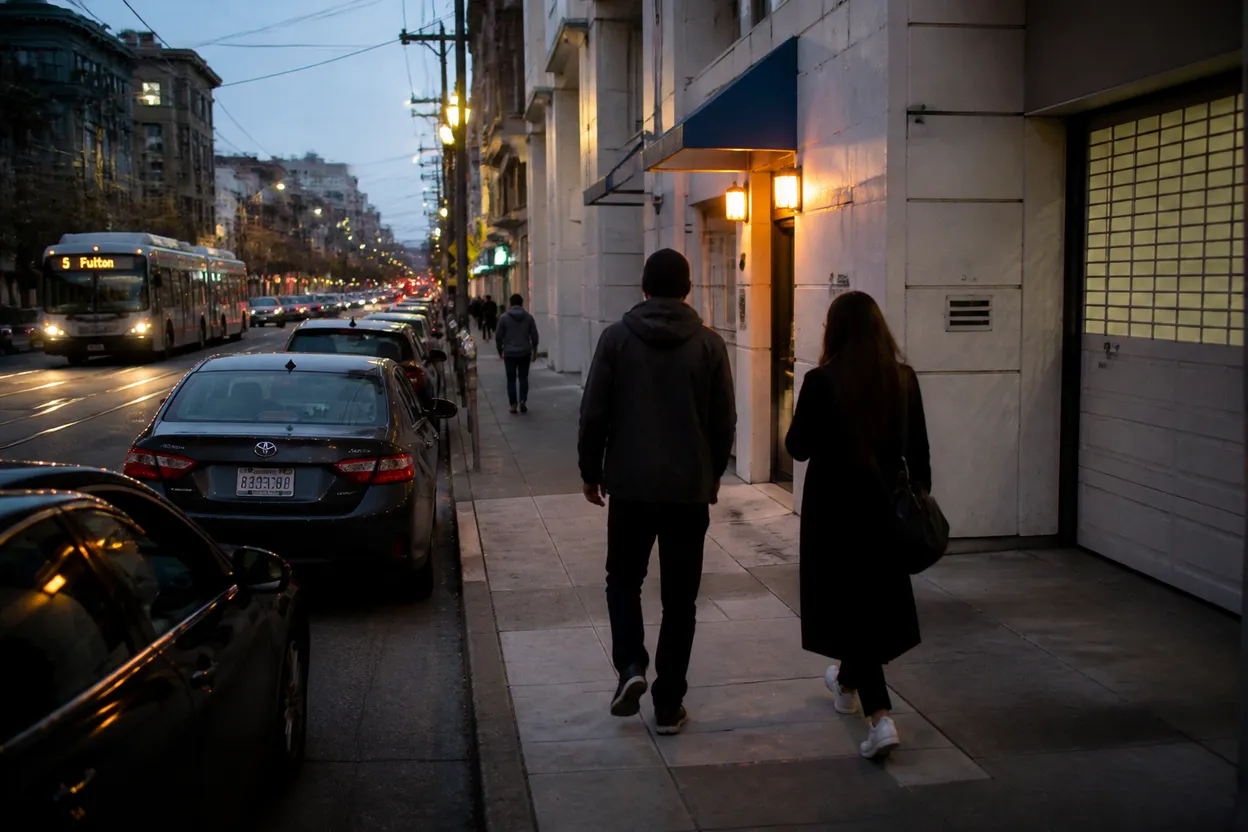
Verify vendor hours before leaving
The final check should happen near departure, not the night before. Restaurant hours, vendor service windows, transit conditions, and neighborhood access can change. Use the restaurant or venue’s official page for hours and service notes, SFMTA for trip planning and alerts, and San Francisco Department of Public Health resources when you want to check food-safety-related public information. If any detail is missing or stale, do not fill the gap with assumptions.
A strong San Francisco dinner route has four confirmations: the first stop is open according to its official source, the transit path is reasonable according to SFMTA, the group has an access plan that works for its slowest mover, and the backup is close enough to use without drama. That structure keeps the perez hilton search hook in its proper place: a timely topic, not the reason the evening succeeds or fails.
Tags: #SanFrancisco #SFRestaurants #DinnerPlan #Muni #SFMTA #RestaurantCheck #FoodSafety #TransitTips #CityNightOut #BackupPlan #PublicSources #AskKarpo #BeforeYouGo #Karpo
Sources consulted: sftravel.com · sfdph.org · sfmta.com
All trademarks are the property of their respective owners.
Ask Karpo first
Ask Karpo first when the plan depends on timing, transit, or a place that might be crowded. Send the neighborhood, party size, mobility needs, and preferred dinner window, and Karpo can help turn public checks into a practical first choice and backup.