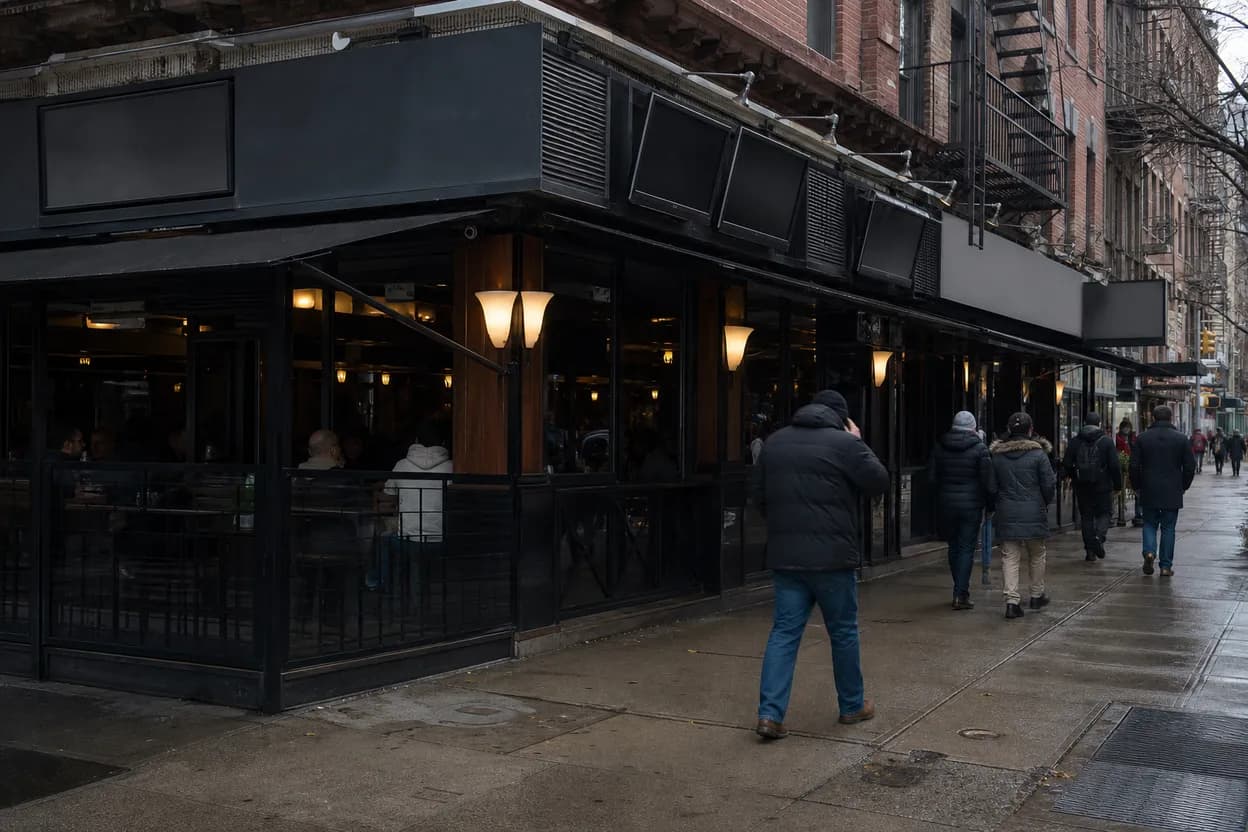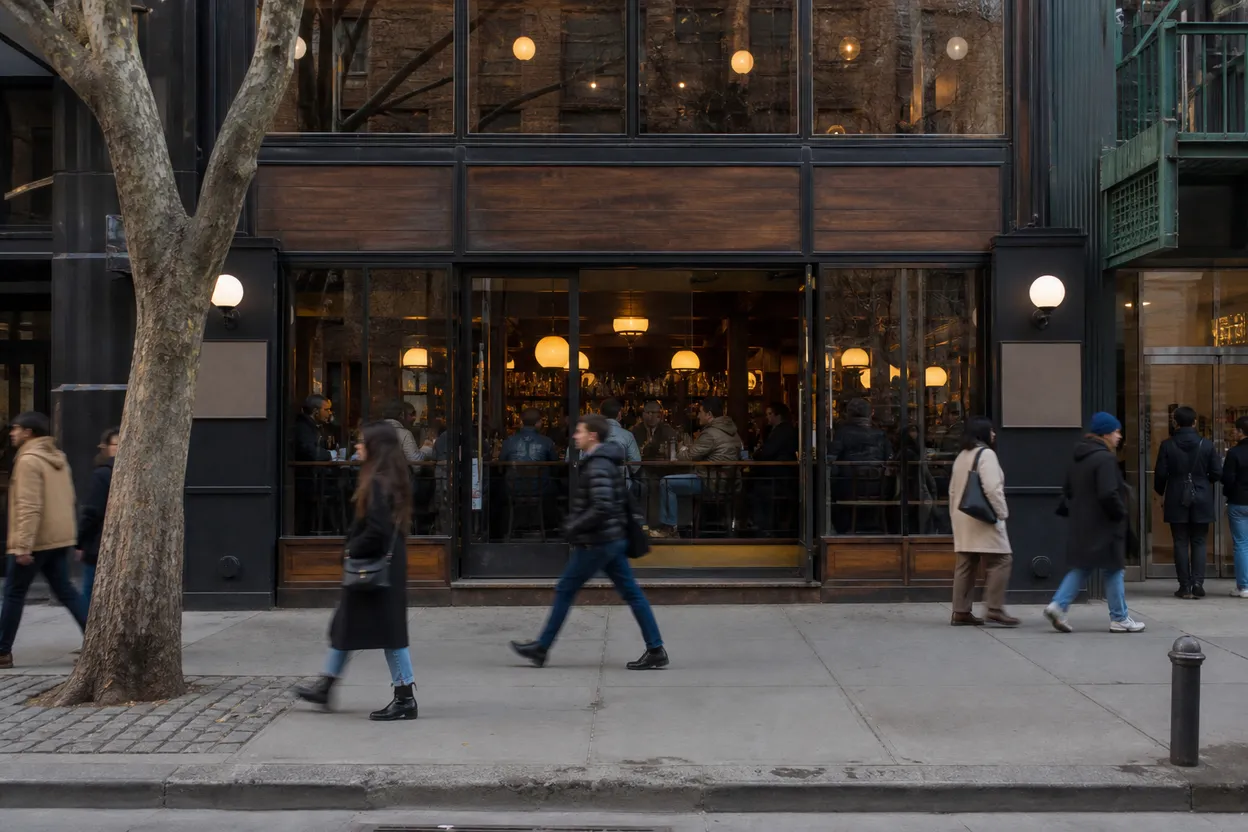
The door to the Pelham Parkway Social Club sits between a bakery and a barber, unmarked except for a small brass plaque that regulars don't need to read anymore. Inside, the bocce court catches the afternoon light through high windows, and the sound of rolling balls on crushed stone mixes with commentary from a Serie A match playing in the back room. The club has operated in this stretch of the Bronx since 1988, when the neighborhood's Italian-American families decided they needed a place that felt like the ones their parents had left behind.
The Front Room Where Everyone Knows the Score
The main hall runs narrow and deep, with a bar along one side and small tables clustered near the windows. Mornings belong to espresso and the newspaper crowd, men in their seventies who arrive before nine and stay until the lunch rush. The bartender knows their orders without asking—short pulls, no sugar, sometimes a grappa if the day calls for it. By early afternoon the room shifts: younger members drift in, still working-age, grabbing a sandwich from the kitchen window that opens at noon. The menu doesn't change much—cold cuts, mozzarella, roasted peppers on semolina rolls—but the kitchen sources from a supplier in Arthur Avenue, and the difference shows in the texture of the bread. First-timers often miss the chalkboard near the kitchen that lists the day's specials, usually whatever the cook's family recipe demanded that morning.
The Bocce Court and Its Unwritten Schedule
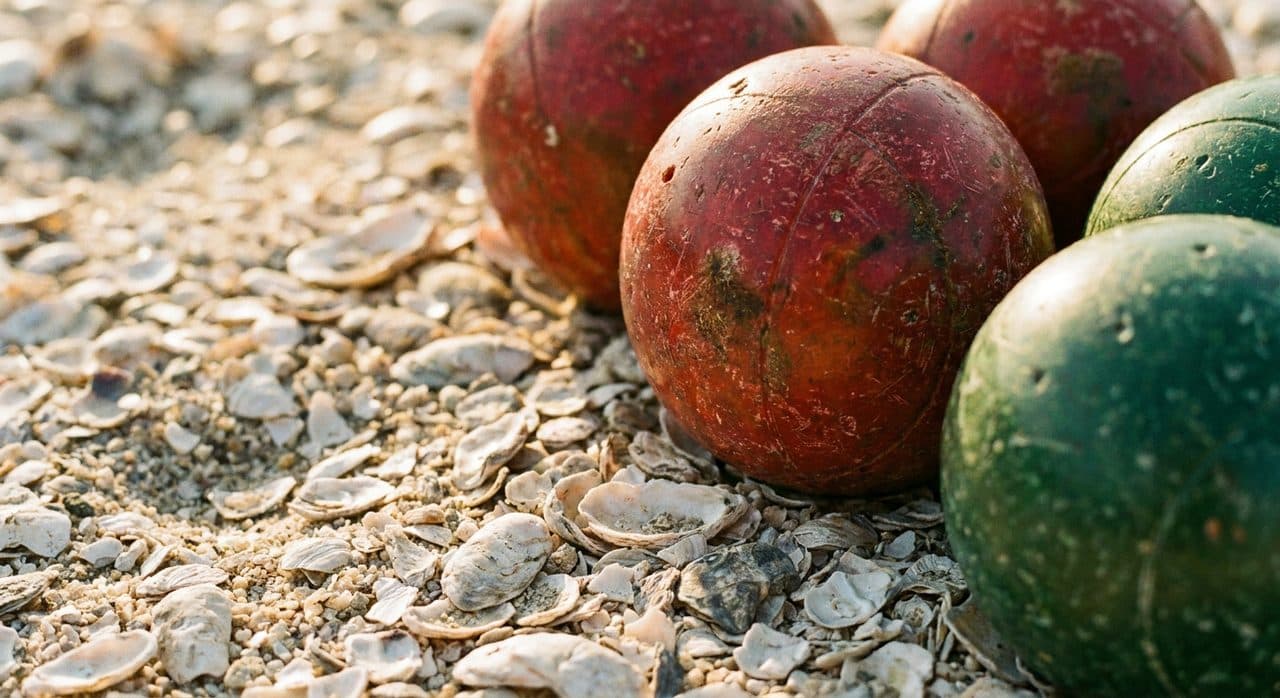
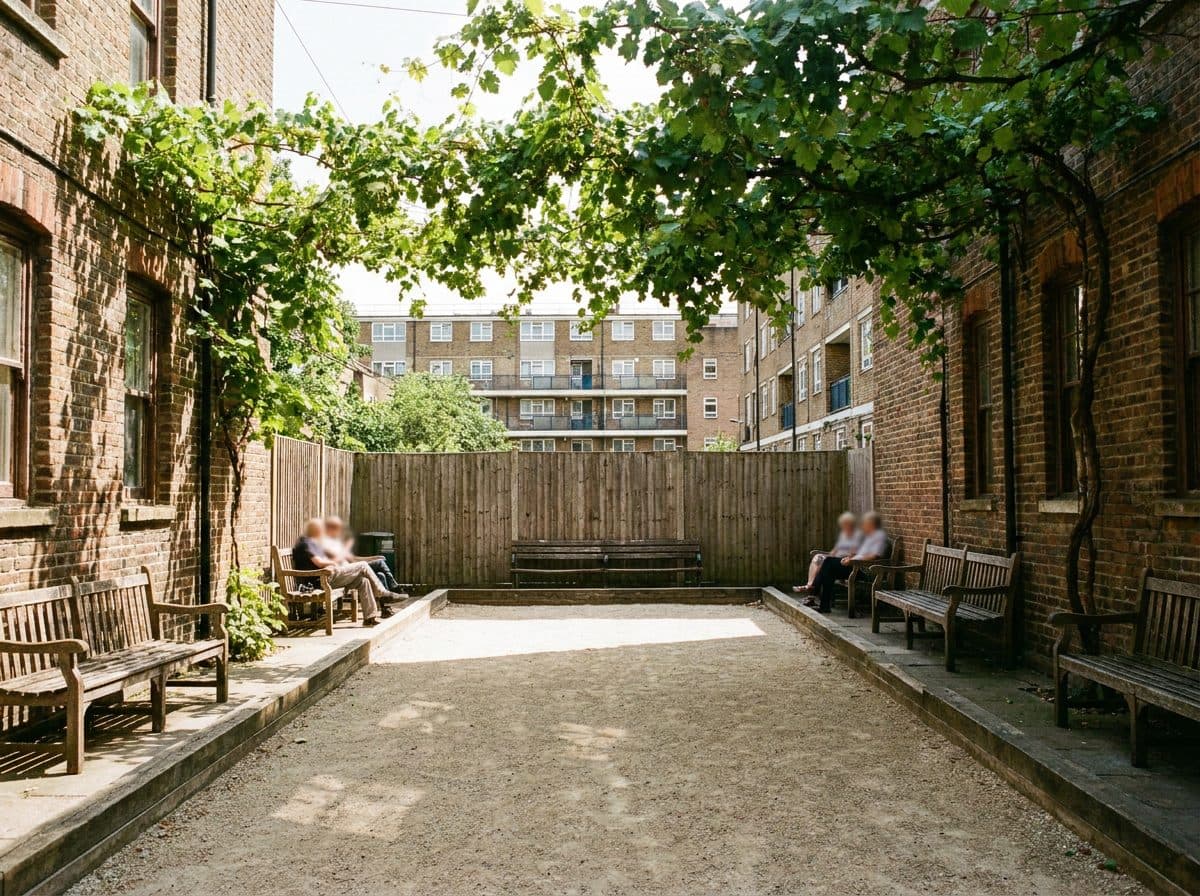
The court occupies the club's back half, a regulation-length stretch of crushed oyster shell enclosed by low wooden rails. Afternoon sun slants through skylights installed during a renovation in the early 2000s, and the light turns the white balls luminous against the grey surface. Games run on an informal rotation: weekday afternoons see the retirees, who play with a precision that comes from decades of muscle memory. Weekend mornings draw families, parents teaching children the weight and spin required for a proper roll. Evenings, especially Fridays, belong to the league players—younger members, some second-generation, some newer arrivals from Calabria and Campania who joined when the club opened membership slightly in the 2010s. The league keeps no formal standings, but everyone knows who won last season. Spectators line the rails, nursing drinks, calling out advice that's half-serious and half-ritual. The sound of a ball kissing the pallino—the small target ball—brings a particular kind of silence, the held breath before the measuring tape comes out.
The Back Room Where the TV Never Rests
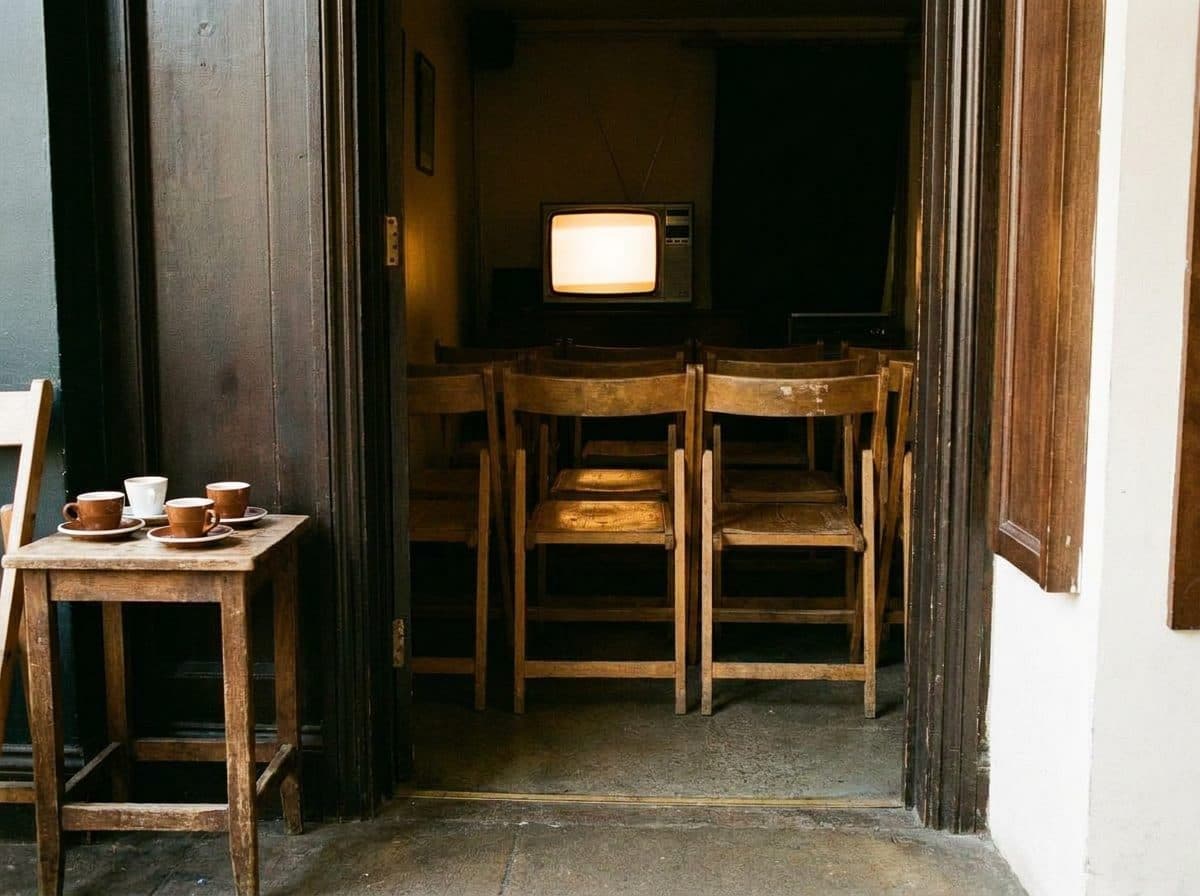
Past the bocce court, through a doorway hung with a beaded curtain that clicks when anyone passes, the back room holds a dozen chairs arranged in rows facing a large flatscreen. This is where the club gathers for matches—Serie A on weekends, Champions League on Tuesday and Wednesday nights, the occasional international friendly when Italy plays. The room fills early before kickoff, members claiming their usual spots, the air thick with cigarette smoke until the city's indoor ban pushed smokers to the side alley. Now it's just espresso and the occasional flask passed discreetly during tense moments. The crowd skews older here, men who grew up watching these teams in different countries, who remember when you had to wait for delayed broadcasts or rely on scratchy radio calls. They shout at the screen in dialect, a mix of Italian and English that shifts mid-sentence. When a goal goes in, the room erupts or groans as one, and the bartender knows without looking whether to pour celebratory rounds or consolation shots.
Membership and the Unspoken Rules
The club operates on dues paid annually, a modest sum that covers utilities and maintenance. Membership technically requires sponsorship from an existing member, though enforcement has loosened over the years as the founding generation ages. New faces appear more often now—younger Italian-Americans from other boroughs, occasional visitors from the old country who heard about the place through family networks. The club doesn't advertise, doesn't maintain a website beyond a single static page with an email address that someone checks sporadically. Information travels through word of mouth, through Sunday dinners and barbershop conversations. Walk-ins are tolerated if they're respectful, especially during big matches, but the atmosphere makes clear who belongs and who's just passing through. The regulars occupy the same seats, the same spots along the bar, and newcomers learn quickly to read the room. Photography is discouraged—not forbidden, but met with enough side-eye that most people pocket their phones. This is a place that exists slightly outside the social media economy, preserved by the collective agreement that some spaces don't need to be shared with the wider world.
The Kitchen Window and What It Reveals
The kitchen operates on a schedule that aligns with the club's rhythms rather than conventional meal times. Lunch service runs from noon until supplies run out, usually by two or three in the afternoon. The cook, a member who's held the position for over a decade, prepares everything in small batches. The meatball sub appears only on Thursdays, made from a family recipe that involves veal and pork in proportions he won't specify. The arancini—rice balls stuffed with ragu—sell out fastest on Fridays, when the pre-match crowd arrives hungry. Those who know ask what's fresh rather than ordering from memory, because the cook sources ingredients based on what looked good at the market that morning. Prices stay deliberately low, barely covering costs, because the kitchen exists to feed members rather than turn profit. The club makes its money from the bar and the bocce court rentals, occasional private events in the main hall, and the annual fundraiser dinner that draws hundreds.
Practical Notes
The club sits in Pelham Parkway, accessible via the 2 or 5 train to Pelham Parkway station, then a ten-minute walk east through residential blocks. Hours run loosely from morning through late evening most days, though exact times vary with the season and the match schedule. The club opens earlier on Serie A Sundays and stays open later during tournament play. Membership grants full access, but non-members can usually enter during open hours, especially for matches or bocce court use during off-peak times. No reservations exist for the bocce court—it's first-come, first-served, with the understanding that regulars have priority during their customary time slots. The kitchen accepts cash only, and the bar runs a tab system for members. Parking is street-side, easier on weekdays than weekends. The club occasionally closes for private events, so those planning a first visit during a major holiday should call ahead.
The Moment When It All Makes Sense
There's a particular time, usually mid-afternoon on a Saturday when the bocce games overlap with pre-match arrivals, when the club reveals its full character. The sound of balls rolling mixes with television commentary and conversation in three languages. Someone's grandmother sits near the kitchen window, peeling garlic for tomorrow's sauce. A teenager practices bocce form under his grandfather's watchful correction. The bartender pulls espresso shots in rapid succession, the machine hissing and gurgling. Light slants through the skylights, catching dust motes and cigarette smoke from the alley door. In this moment, the club becomes what it was designed to be—not a museum of Italian-American culture, not a theme restaurant trading on nostalgia, but a living space where tradition adapts without dissolving. The members here aren't performing ethnicity for an audience; they're simply continuing patterns established decades ago, adjusted slightly for new generations while maintaining the core rhythms that make the place recognizable. It's the kind of continuity that only happens when a community decides certain things are worth preserving, even as the neighborhood around them shifts and changes.
Tags: #PelhamParkway #TheBronx #ItalianAmericanClub #BocceCourt #SocialClub #SerieA #BronxNeighborhoods #ItalianAmerican #CommunitySpaces #TraditionalClubs #NewYorkHiddenGems #BronxCulture #SportsBar #ItalianHeritage #RightOnTime
Sources consulted: timeout.com · secretnyc.co · thrillist.com
Please drink responsibly. Must be of legal drinking age.
All trademarks are the property of their respective owners.
Ask Karpo first
Want to know which nights the club opens to guests, or how the bocce tournament schedule runs through summer?
Ask Karpo for the club's weekly rhythm and the unwritten rules of the back table before you head out.