Nestled discreetly in the heart of Greenwich Village, Patchin Place offers a quiet escape from the city's relentless pace. This gated cul-de-sac, lined with small brick row houses, holds a unique place in New York City's literary and architectural history. It’s an easy-to-miss landmark that, once discovered, rewards visitors with a sense of stepping back in time. For those who appreciate subtle historical details and the charm of an unexpected urban pocket, Patchin Place is a compelling and accessible destination.
Want Karpo’s low-friction, executable plan for Patchin Place and other unique NYC spots? Text Karpo for tailored recommendations.
Locating Patchin Place: A Discreet Discovery
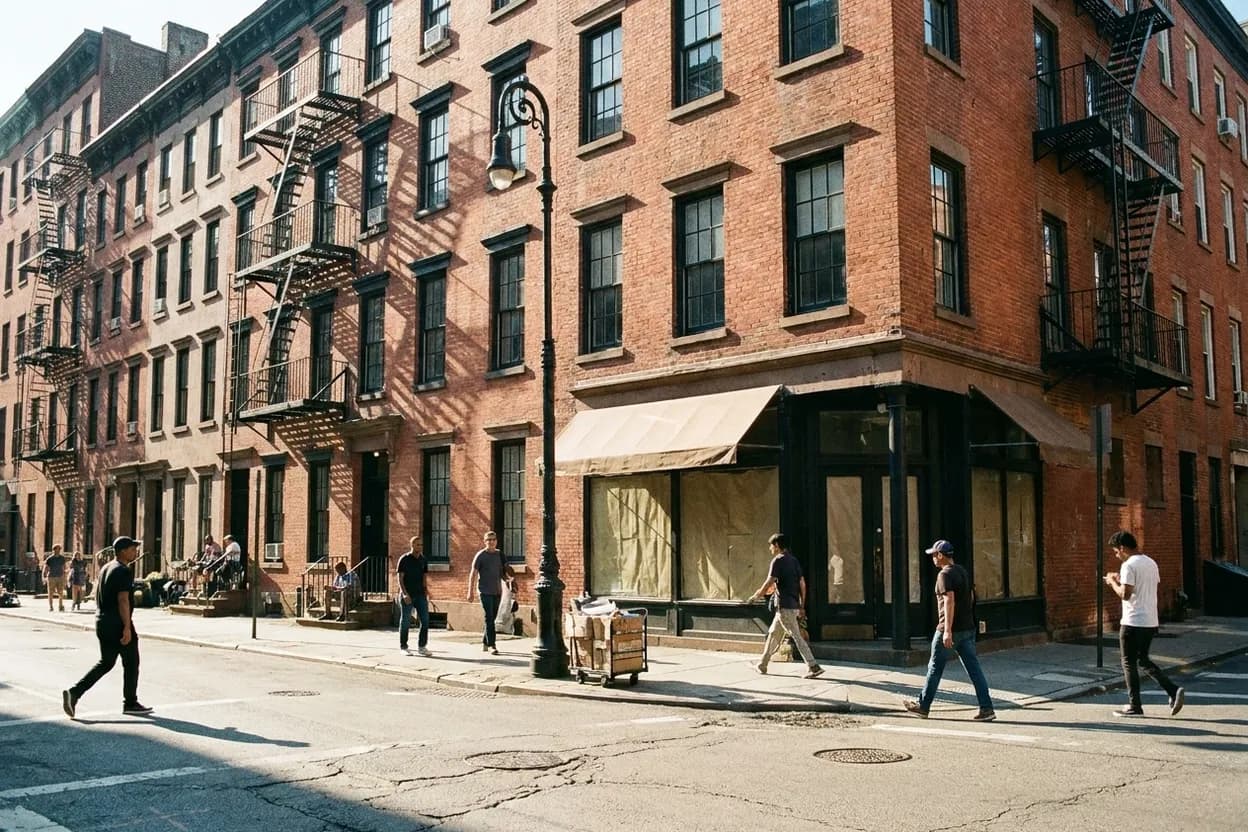
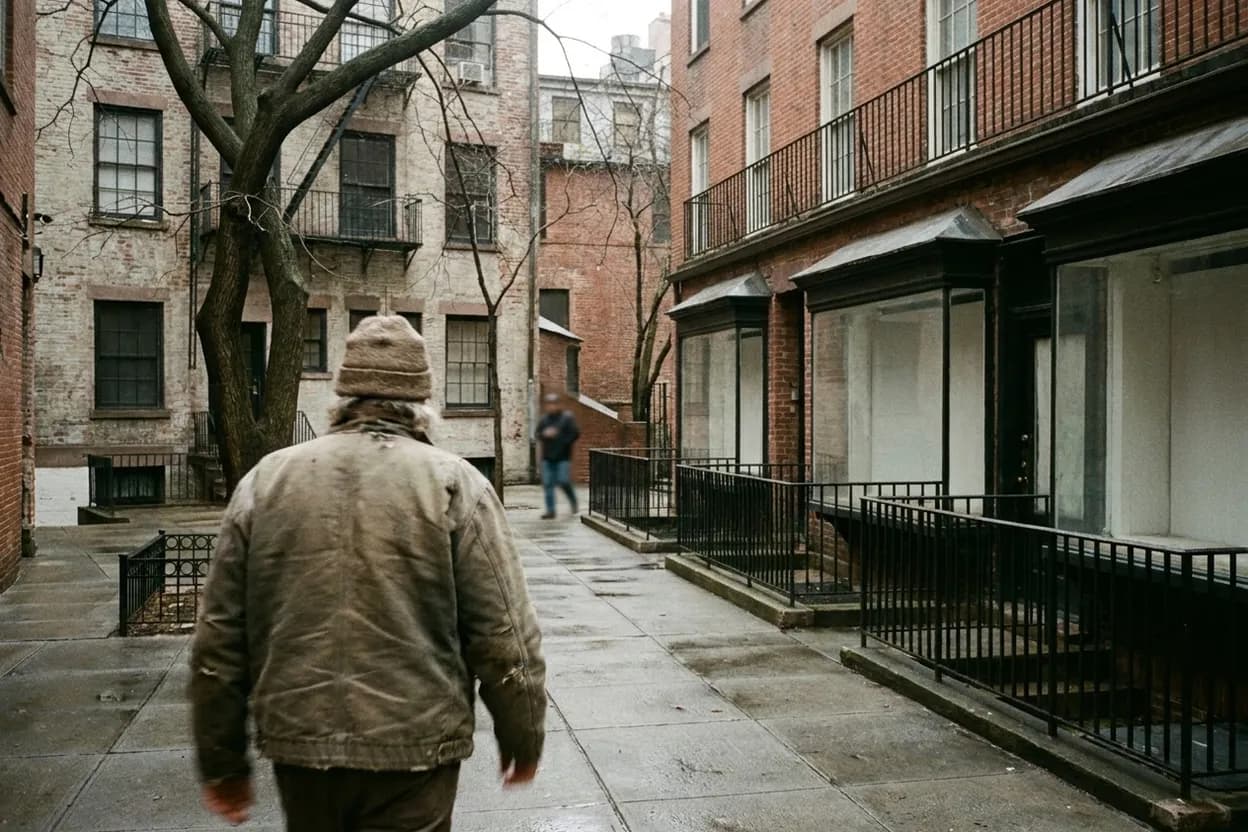
Patchin Place is situated off West 10th Street in Greenwich Village, specifically between Greenwich Avenue and Sixth Avenue. Its discreet entrance means it can be easily overlooked by passersby, making its discovery part of the experience. The lane itself consists of ten small, three-story brick row houses arranged along a short, dead-end lane, providing a distinct architectural character that sets it apart from the surrounding streetscape.
The best way to approach Patchin Place is with a map or a pre-planned walking route for Greenwich Village, as its tucked-away nature means it's not a prominent feature on the main street grid. Expect to find its entrance rather than stumble upon it, which adds to its charm as a local secret. Its designation as a mews or alleyway suggests its intimate scale and quiet atmosphere, inviting a brief, contemplative stop.
A Glimpse into 19th-Century Origins
Dating back to the late 1840s, with multiple sources pinpointing its creation around 1848 or 1849, Patchin Place has a rich history tied to early Greenwich Village development. It was originally associated with Samuel Milligan and Aaron Patchin, from whom the place derives its name. Early accounts suggest the buildings were initially intended to house staff, potentially Basque workers, or other individuals connected to the nearby Brevoort House/Hotel, indicating its functional origins before its literary fame.
This historical context frames Patchin Place not just as a collection of buildings, but as a surviving relic of a bygone era in New York City. Its brick row houses offer a tangible link to the mid-19th century, showcasing a type of residential architecture that once characterized much of the developing city. Understanding its origins enhances the appreciation for its enduring presence and unique character in a rapidly evolving urban landscape.
Literary Legends and Artistic Haunts
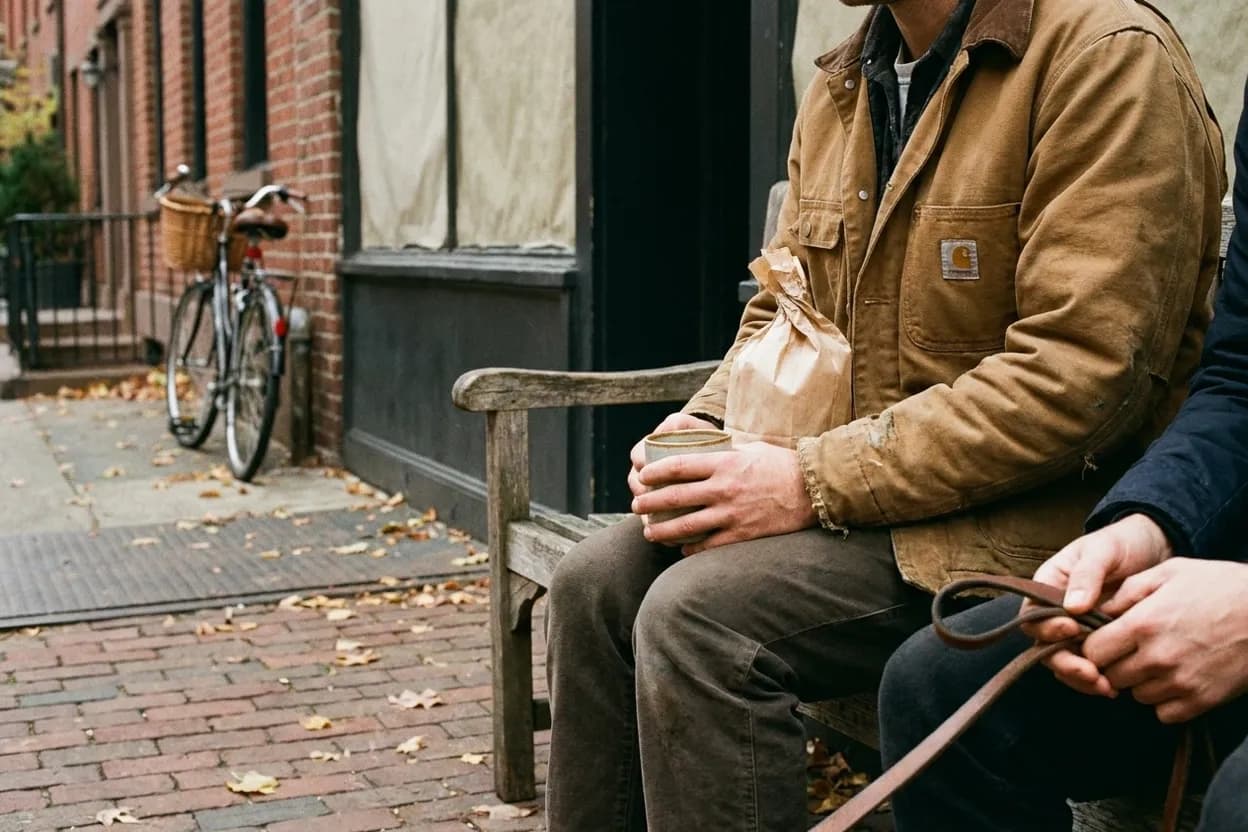
Patchin Place earned its reputation as a haven for literary figures, becoming a known address for a host of notable writers. Among its most famous residents were E. E. Cummings, Djuna Barnes, Theodore Dreiser, John Cowper Powys, and John Reed. This concentration of artistic talent cemented its status as a significant cultural landmark within Greenwich Village, a neighborhood long associated with intellectual and bohemian life.
E. E. Cummings famously lived at 4 Patchin Place for many years, with Djuna Barnes residing across from him on the same lane. For those tracing the footsteps of literary giants, noting these specific residences adds a layer of depth to the visit. While the lane is not a museum, the historical context of its residents offers a unique connection to a vibrant period of American literature and art.
Experiencing the Gated Cul-de-Sac
The lane is privately controlled and gated, with access restricted to the entrance off West 10th Street, meaning there is no through traffic. This private nature contributes significantly to its quiet, secluded atmosphere, making it feel distinct from the bustling streets of Manhattan. Visitors should expect to view Patchin Place primarily from its entrance, appreciating its historic streetscape from the gateway rather than walking through it as a public thoroughfare.
This unique access arrangement reinforces its character as a residential and professional enclave rather than a public park or commercial strip. The tranquility of Patchin Place, even when observed from the gate, offers a moment of reflection and a visual break from the typical urban environment, highlighting its enduring charm as a preserved historical space.
More Than Just Residences: Offices and Quiet Lives
Beyond its residential appeal, press accounts note that Patchin Place also houses professional offices, particularly those of therapists. This blend of private homes and quiet, professional spaces contributes to its uniquely calm and understated ambiance. It’s an active, living street, albeit one that maintains a low profile, emphasizing its role as a functional part of the community rather than a mere historical exhibit.
The presence of both residents and professionals means that while it's a place of historical significance, it's also a working and living neighborhood. This context helps set expectations for visitors: it's a place to observe and appreciate respectfully, understanding that it serves as a daily environment for those who live and work there. This lived-in quality adds an authentic layer to its historical appeal.
Planning Your Brief, Impactful Stop
Patchin Place is best experienced as a brief, contemplative stop within a larger Greenwich Village exploration. Since it is a short, dead-end cul-de-sac with only ten row houses, a lengthy visit is not required to appreciate its essence. The value lies in observing its unique architecture, understanding its historical significance, and imagining the lives of the literary figures who once called it home.
For those particularly interested in literary history, take a moment to specifically locate 4 Patchin Place, known as E. E. Cummings' longtime residence, and consider the nearby former home of Djuna Barnes across the lane. Integrating this stop into a broader walking tour of Greenwich Village's literary landmarks maximizes the experience, connecting Patchin Place to the wider narrative of the neighborhood's cultural contributions.
Practical Notes and Verification
When planning your visit, look for the entrance on West 10th Street, situated between Greenwich Avenue and Sixth Avenue. This is the sole access point cited in reliable sources. Given its nature as a private, gated lane with residences and offices, it is crucial to manage expectations: expect to view Patchin Place from the entrance rather than to walk freely within it. The most reliable current visit context is that it remains a quiet, landmarked historic residential lane visible from the sidewalk entrance.
Before you go, it is always advisable to verify any access details, especially if you anticipate anything beyond viewing the lane from the gate. While current sources do not indicate public opening hours, admission prices, or reservation systems, checking official NYC landmarks information or local community pages for any unexpected changes is prudent. Remember, this is a residential area, so respect for privacy and quiet is paramount during your visit.
Tags: #PatchinPlace #GreenwichVillage #NYCHistory #LiteraryNYC #HiddenGemsNYC #NYCWalkingTours #SecretNYC #WestVillage #HistoricHomes #NYCArchitecture #Manhattan #AskKarpo #BeforeYouGo #NYC
Sources consulted: Source 1: nyc.gov · Source 2: nyc.gov · Source 3: nyc.gov · Source 4: nyc.gov · Source 5: nytimes.com · Source 6: nytimes.com · Source 7: forgotten-ny.com · Source 8: walkingoffthebigapple.com · Source 9: newyork-onmymind.com · Source 10: en.wikipedia.org · Source 11: youtube.com · Source 12: facebook.com · Source 13: bigapplesecrets.com · Source 14: nytimes.com
All trademarks are the property of their respective owners.
Ask Karpo first
Tell Karpo your date, group size, budget, and starting neighborhood. We’ll check current access, timing, transit, and the cleanest plan for Patchin Place before you head out.