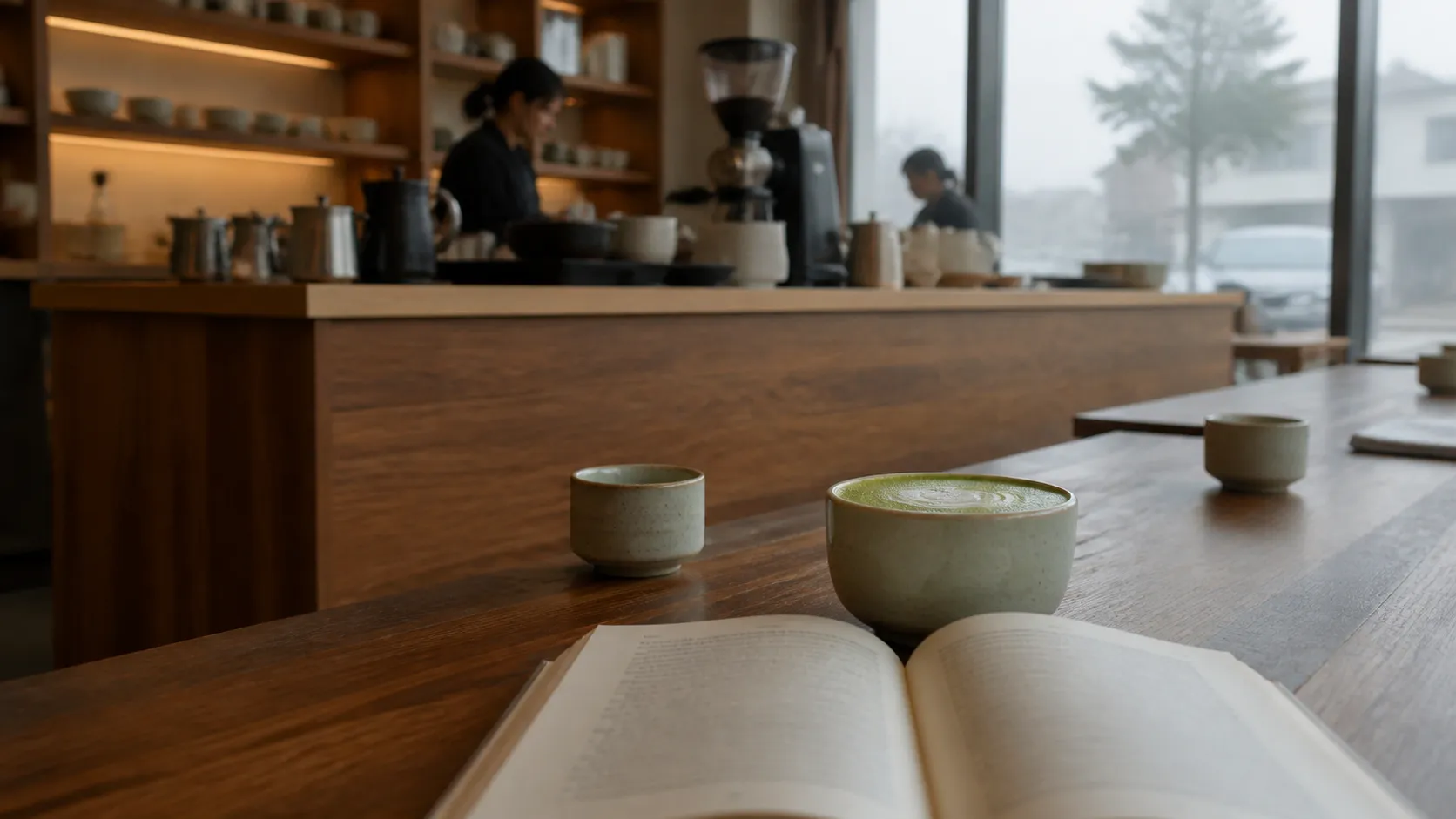
When tech industry analysts need to discuss palantir earnings or other quarterly reports during lunch hour, the choice of coffee shop becomes a tactical decision rather than a casual preference. Between noon and 1 p.m., SoMa cafes near major office corridors face competing demands: professionals seeking counter seating for laptop work, coworkers coordinating brief breaks between meetings, and the operational reality that many establishments enforce time limits during peak periods. The ideal venue balances cellular signal reliability for streaming earnings calls, physical space for two people to review spreadsheets without crowding neighbors, and policies that accommodate 60–90 minute work sessions without requiring constant purchases. This guide addresses the tradeoffs tech workers face when selecting a cafe that supports focused financial analysis rather than quick socializing, acknowledging that moderate seating competition during the lunch window requires backup plans and willingness to walk an extra block when first-choice locations reach capacity.
Text Karpo your starting point, timing, group size, and priorities for a San Francisco plan tailored to this exact situation, with one realistic backup before you leave.

Cellular Signal Strength and Streaming Bandwidth Priorities
Earnings calls and investor presentations demand uninterrupted audio streams, making cellular signal quality the primary technical filter for cafe selection. SoMa's dense construction—particularly older brick buildings and basement-level spaces—creates dead zones where even premium carrier plans struggle. Tech workers should test signal strength near windows and away from kitchen areas before settling in, since a five-bar display at the entrance may drop to two bars at interior tables. Coworkers splitting up to claim seating while the other orders can verify connectivity by loading a data-heavy webpage or initiating a brief video call, ensuring the spot supports sustained use rather than discovering bandwidth limits twenty minutes into an analyst Q&A session.
The tradeoff between ambiance and infrastructure becomes stark during lunch hour: a beautifully designed cafe with exposed concrete walls may offer worse connectivity than a generic chain location with modern construction and distributed Wi-Fi access points. Professionals focused on work output rather than aesthetic experience often choose function over form, accepting bland interiors in exchange for reliable streaming. Verify whether the establishment offers guest Wi-Fi as a backup to cellular data, though public networks introduce security considerations when accessing work-related financial documents. Some analysts use mobile hotspots or VPN connections, adding another layer to the technical checklist before committing to a 90-minute stay.
Counter Seating Versus Table Dynamics for Laptop Work
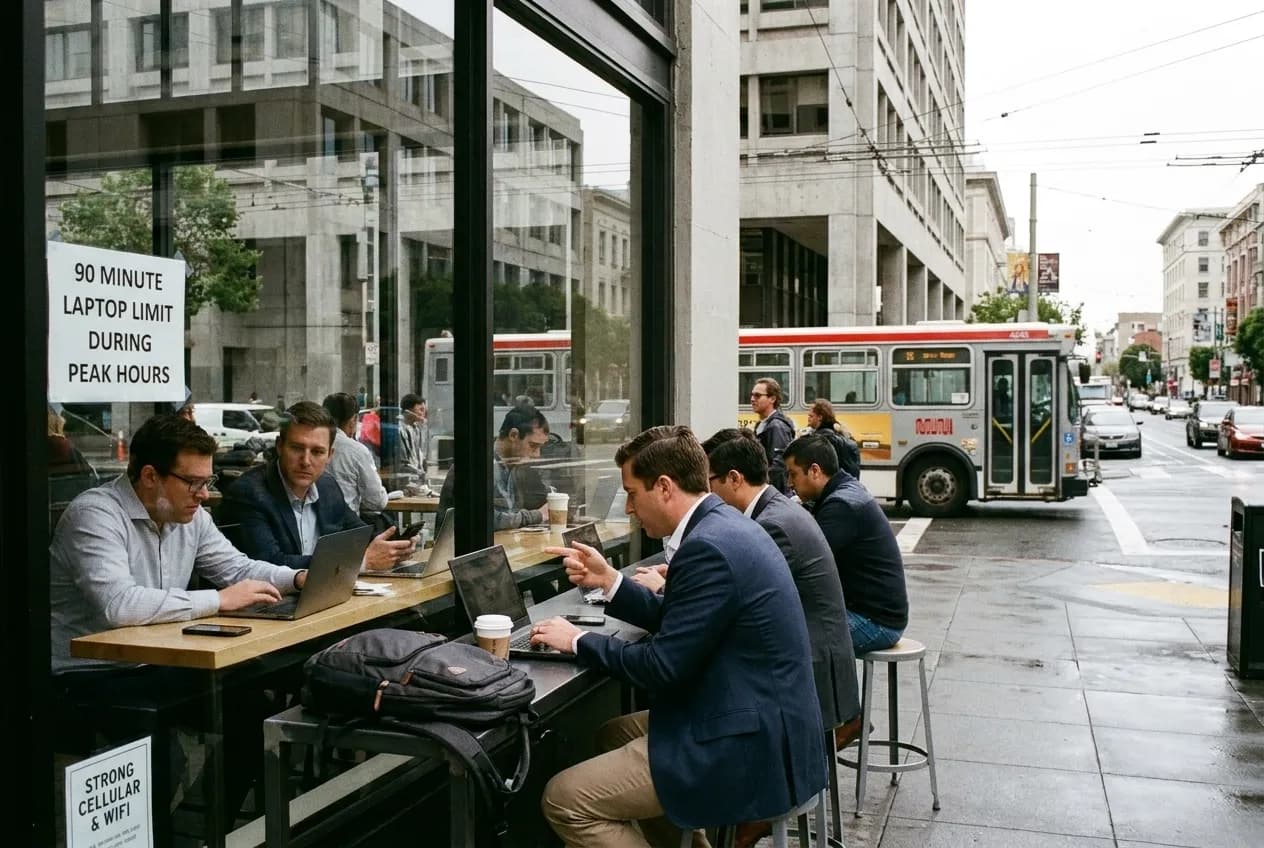
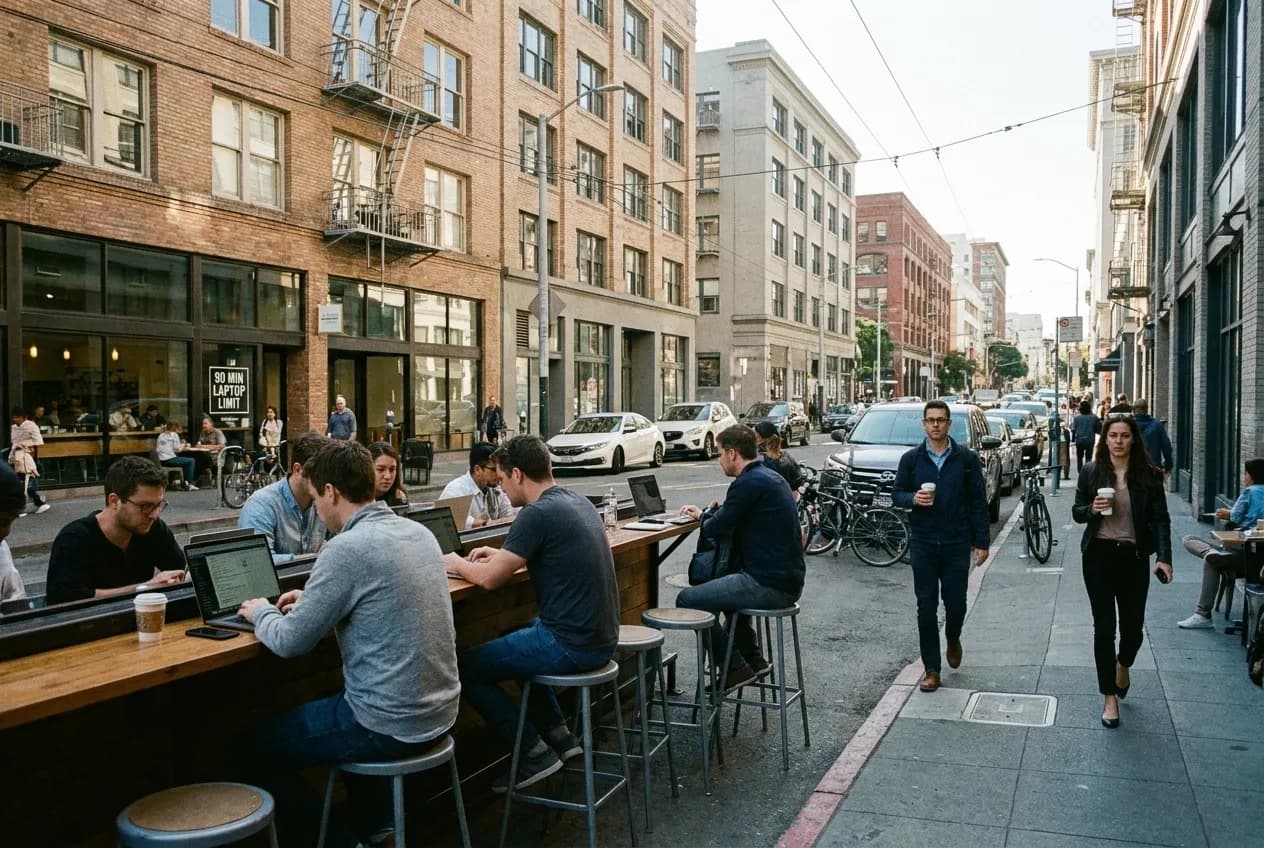
Counter seating along windows or walls provides the ergonomic setup that table configurations often lack: elbow room for typing, proximity to power outlets, and sight lines that allow two coworkers to view a single laptop screen without awkward angles. During lunch hour, counter spots disappear first because solo workers and pairs claim them for exactly these reasons. Arriving at 11:50 a.m. rather than 12:15 p.m. dramatically improves counter availability, though this requires coordinating break schedules with team calendars and accepting a slightly early lunch. The alternative—four-top tables designed for casual dining—forces laptop users to navigate crowded surfaces, nearby conversations, and the implicit pressure to vacate once food is finished, since tables turn over faster than counter seats in most cafes' operational models.
Two-person work sessions introduce spatial negotiation: one laptop between two people works at counters but becomes cramped at small tables, while separate devices require enough surface area that cafe staff may perceive the group as monopolizing space during peak hours. Some establishments explicitly discourage laptop use at tables during lunch, posting signs or having staff politely suggest counter seating for extended work. Professionals should observe the cafe's layout before entering—large windows indicate counter potential, while a dining-focused floor plan signals that work sessions may not align with the business model. This reconnaissance takes thirty seconds from the sidewalk but prevents the awkwardness of settling in only to face requests to relocate or limit laptop time.
Laptop Time Policies and the 90-Minute Threshold
Many San Francisco cafes implement laptop time limits ranging from 60 to 90 minutes during peak hours, a policy designed to balance remote workers' needs against table turnover economics. These rules are rarely posted prominently but emerge through staff reminders or observed enforcement patterns, meaning first-time visitors may not learn the policy until they've already invested time settling in. Tech workers analyzing earnings reports should ask directly at the counter—"Do you have laptop time limits during lunch?"—rather than assuming unlimited stay. The answer shapes whether the location suits a detailed financial review or only accommodates quick email checks. Cafes near major tech offices tend toward stricter policies because demand consistently exceeds seating, while neighborhood spots farther from corporate corridors may welcome extended stays that fill otherwise quiet midday periods.
The 90-minute threshold aligns poorly with earnings call schedules, which often run 60 minutes for the presentation followed by 30–45 minutes of analyst questions. Professionals need buffer time to arrive, order, set up devices, and debrief with coworkers afterward, pushing total duration past two hours. This mismatch forces a choice: accept that you'll need to relocate mid-session, select cafes with explicit unlimited policies (sacrificing prime location or seating quality), or shift the work session to a library branch where time limits don't apply but food and drink options disappear. Some analysts split the session—listen to the call at a cafe, then walk to a nearby public space for the detailed spreadsheet review—treating the venue as one component in a multi-location workflow rather than expecting a single spot to meet all needs.
Midday Crowd Patterns and Backup Location Strategy
Moderate seating competition during the 12–1 p.m. window means that even well-planned cafe visits encounter full capacity, particularly at establishments within two blocks of major office buildings. Tech workers should identify two or three backup locations along the same walking route before leaving the office, checking proximity using the SFMTA trip planner to estimate walk times between options. This preparation prevents the frustration of discovering a packed cafe and then wandering blocks in search of alternatives while the earnings call start time approaches. The backup list should include at least one location with different characteristics—if the primary choice is a popular independent cafe, the backup might be a chain with more seating or a hotel lobby cafe that tourists overlook during weekday lunch hours.
Crowd patterns vary by block even within SoMa: cafes on Folsom or Howard Streets near major transit stops fill earlier than those on quieter cross streets, while locations near Yerba Buena Gardens attract tourist traffic that peaks slightly later than office worker lunch rushes. Professionals willing to walk five minutes farther often find better availability and less time pressure, though this requires leaving the office earlier to accommodate the extended route. Coworkers should agree in advance on decision criteria—"If the first place has no counter seats, we go directly to option two rather than waiting"—so that one person's optimism about a table opening up doesn't consume the entire break period. This pre-negotiated framework keeps the session productive rather than devolving into real-time debate about whether to stay or move.
Who This Cafe Selection Approach Fits and Who It Doesn't
This venue selection methodology suits tech industry analysts and similar professionals who treat lunch breaks as working sessions rather than social downtime, prioritizing connectivity and workspace functionality over culinary experience or relaxation. Coworkers who share this task-focused mindset can efficiently evaluate cafes using technical criteria—signal strength, counter availability, laptop policies—without feeling that the pragmatic approach diminishes the break's value. The strategy also fits teams comfortable with backup plans and mid-session relocation, viewing these contingencies as normal aspects of working in a dense urban environment rather than frustrating disruptions. Professionals accustomed to remote work's flexibility often adapt easily to this cafe-based workflow, applying the same location-independent skills to public spaces.
Conversely, the approach poorly serves coworkers seeking genuine breaks from work intensity or those who view lunch as protected personal time. Colleagues who need mental separation from professional tasks will find the cafe-as-office model exhausting rather than productive, and forcing the arrangement breeds resentment. Similarly, professionals unfamiliar with San Francisco's cafe culture may struggle with the assertiveness required to claim seating, verify policies, and relocate when necessary—skills that local tech workers develop through repeated experience. Teams with mismatched expectations should discuss preferences before defaulting to working lunches: one person's efficient use of break time is another's elimination of necessary rest. The earnings discussion can shift to a conference room or post-work video call if cafe-based collaboration doesn't suit all participants, preserving both productivity and workplace relationships.
Tags: #SoMacoffeeshops #techworkerlunchspots #laptopfriendlycafesSF #earningscalllocations #coworkingcafespaces #SanFranciscoworkbreaks #counterseatingcafes #cellularsignalcoffeeshops #middaycafestrategy #professionallunchvenues
Sources consulted: Source 1: sf.gov · Source 3: sfmta.com · Source 4: sfpl.org
All trademarks are the property of their respective owners.
Ask Karpo first
Ask Karpo to turn this San Francisco idea into a current plan for your date, budget, companion, transit preference, and energy level. Karpo can narrow the route and flag what to verify before you go.