 Clubs Near Me in Ridgewood: Nowadays' Outdoor Dance Floor
Sports Social
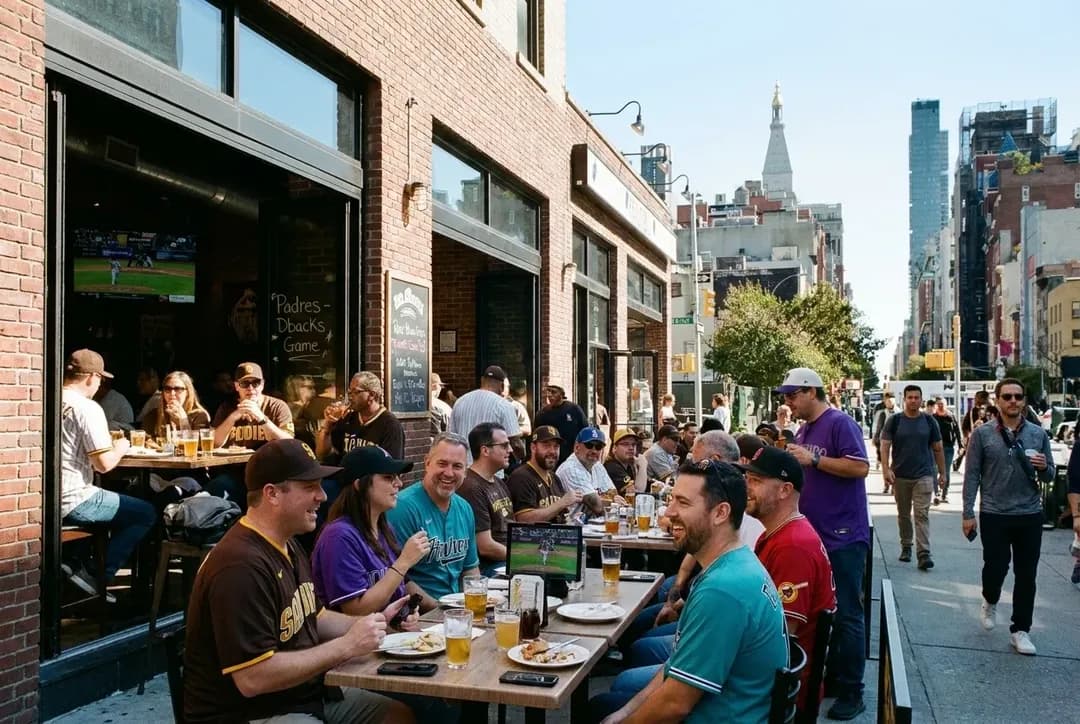
Padres - Dbacks Game Social: NYC Baseball Fan Group Meetups
Finding your baseball community in New York City means comparing meetup formats, venue cultures, and fan demographics before committing to a group. This guide helps solo fans evaluate recurring Padres - Dbacks watch party options across Manhattan and Brooklyn.
Moving to New York City as a baseball fan presents a unique challenge: finding a social circle that gathers consistently for games without the awkwardness of walking into a bar alone. For fans interested in National League West matchups, particularly Padres - Dbacks games during the regular season, several recurring meetup formats operate across the five boroughs, each with distinct atmospheres and expectations. Unlike one-off events, these groups maintain season-long schedules, offering newcomers the chance to build familiarity over multiple games. The tradeoff lies in commitment level—some groups expect RSVPs and active participation in group chats, while others welcome drop-ins with no questions asked. Before choosing a group, consider whether you prioritize structured social interaction with name tags and icebreakers, or prefer the organic conversations that emerge at a crowded sports bar where fans simply claim adjacent stools. Your comfort with digital coordination also matters, since many groups now rely on Discord servers or WhatsApp threads to confirm venues and share pre-game meetup times.
Text Karpo your starting point, timing, group size, and priorities for a NYC plan tailored to this exact situation, with one realistic backup before you leave.
Bar-Based Meetups Versus Organized Fan Clubs
The most common format involves informal gatherings at baseball-friendly bars in neighborhoods like Murray Hill, Astoria, and Park Slope, where fans of multiple teams converge without formal membership. These venues typically show all MLB games simultaneously, meaning Padres and Diamondbacks supporters might occupy opposite ends of the same bar, creating natural opportunities for friendly rivalry banter. The advantage is flexibility—you can arrive late, leave early, or skip weeks without explanation. The downside is inconsistency in attendance; a group that draws twenty people for a weekend series might dwindle to three on a Tuesday night game.
Organized fan clubs, by contrast, often reserve specific sections at bars or rotate between partner venues, maintaining email lists and sometimes collecting nominal dues to secure group seating. These groups tend to attract fans who follow teams closely enough to discuss roster moves and minor league call-ups, which can feel intimidating if you're still learning player names. However, structured groups also provide the most reliable path to friendship, since the same core members attend week after week. Some clubs schedule pre-game meetups thirty minutes before first pitch at nearby subway stations, solving the navigation anxiety that stops many newcomers from attending at all.
Age Demographics and Social Expectations
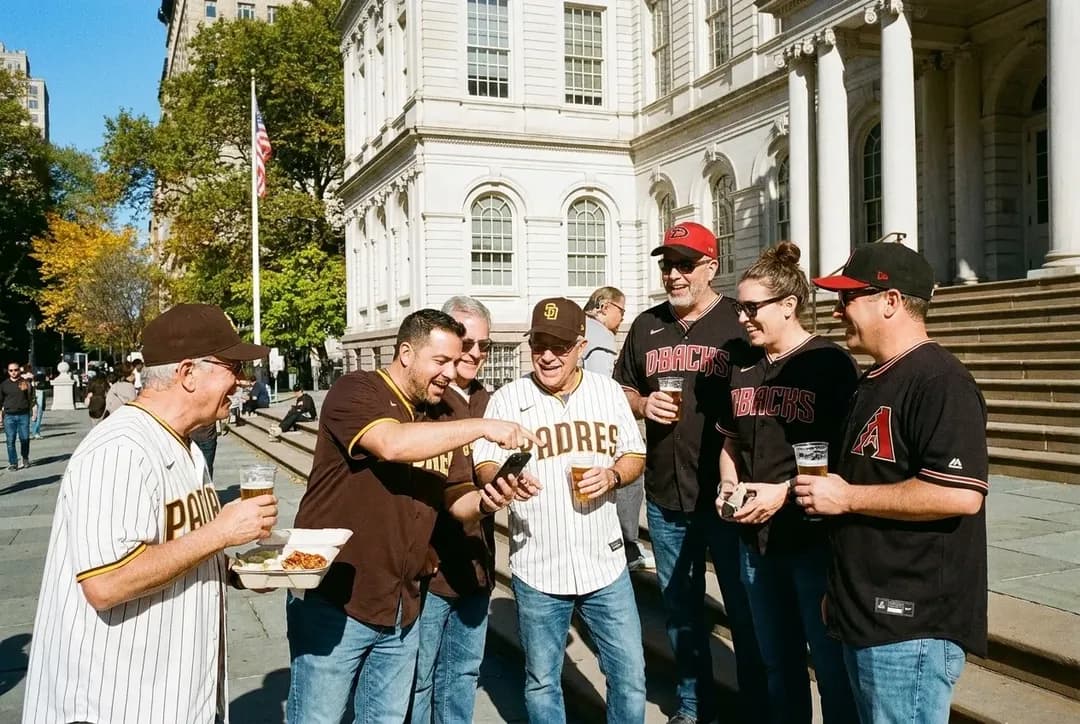
Age composition varies significantly between groups and directly affects social dynamics. Meetups advertised through platforms popular with recent graduates tend to skew toward the 23-to-32 range, with conversation topics spanning fantasy baseball, Brooklyn happy hour recommendations, and weekend plans. These gatherings often migrate to second locations after games, extending the social window but also increasing the time and financial commitment. If you're seeking a quick two-hour outing centered strictly on the game, groups with older demographics—typically 35-plus—often maintain tighter boundaries around start and end times.
The companion dynamic also shifts with age. Younger groups frequently include attendees who bring roommates or coworkers, creating pre-existing social clusters that newcomers must navigate. Groups with broader age ranges, particularly those that have operated for multiple seasons, tend to have more solo attendees and established rituals for integrating new members, such as introductory rounds during commercial breaks. Before committing, check whether group photos show mostly pairs and trios or a mix of solo fans; the latter signals a culture more conducive to building friendships from scratch rather than expanding existing networks.
Venue Preferences and Transit Accessibility
Manhattan-based groups typically favor Midtown or Upper East Side sports bars with extensive tap lists and multiple large screens, prioritizing convenience for members commuting from various boroughs. The MTA system makes most Manhattan venues accessible within forty-five minutes from outer borough neighborhoods, though late-night games that end after 11 PM may require checking planned service changes that affect return trips. Brooklyn groups often choose Williamsburg or Gowanus bars with more intimate settings and craft beer selections, appealing to fans who prefer conversation-friendly acoustics over the high-energy atmosphere of larger sports bars.
Some groups rotate venues throughout the season, which offers variety but complicates routine-building for newcomers still learning subway navigation. Ask whether the group maintains a standing location for weeknight games while experimenting with different spots for weekend series. Venue consistency matters particularly if you're comparing your commute time across options—a group that meets in Astoria might require only one train from your Queens apartment, while a rotating schedule could mean choosing between a fifteen-minute walk and a forty-minute subway ride depending on the week. Groups that publish venue calendars at least two weeks in advance accommodate fans who need predictability to commit.
Digital Coordination and Communication Styles
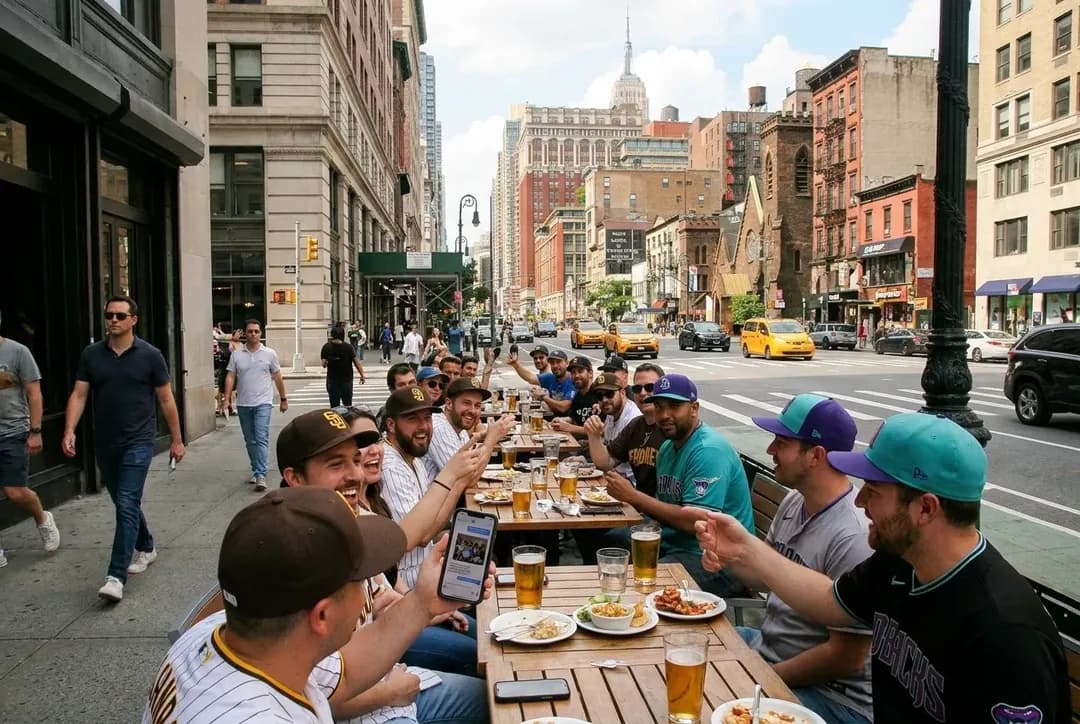
Most active baseball social groups now operate group chats that serve multiple functions: confirming weekly attendance, sharing last-minute venue changes, posting game highlights, and facilitating off-season social events. The platform choice reveals group culture—Discord servers with multiple channels suggest a tech-comfortable membership that enjoys memes and real-time commentary, while simple WhatsApp groups indicate a preference for logistics over constant interaction. Before joining, clarify whether participation in the chat is optional or whether members who don't engage digitally find themselves excluded from venue updates or spontaneous plan changes.
The frequency and tone of messages also matter. Some groups generate fifty-plus messages per game day, which can feel overwhelming if you're juggling notifications from work and personal contacts. Others maintain quiet threads that activate only for essential coordination, suiting fans who want social connection during games but prefer minimal digital interaction otherwise. Ask current members how they manage notification settings and whether the group tolerates members who join chats but rarely post—some communities interpret silence as disinterest, while others recognize that not everyone processes social connection through constant messaging.
Evaluating Casual Versus Die-Hard Fan Cultures
The spectrum between casual and die-hard fandom creates the most significant cultural divide among baseball social groups. Casual-friendly groups welcome fans who enjoy the social atmosphere of watching games but might check their phones during slow innings or admit they're primarily there to meet people. These gatherings often include fans without strong team loyalties who simply enjoy baseball, creating a low-pressure environment for newcomers still deciding which team to follow. The tradeoff is less in-depth baseball conversation—if you want to debate bullpen management decisions or analyze trade deadline strategy, casual groups may leave you wanting more substantive discussion.
Die-hard groups, identifiable through their use of team-specific terminology in event descriptions and their tendency to schedule watch parties for every game in a series rather than just weekend matchups, offer deeper engagement but require baseline knowledge. Showing up unable to name your team's starting rotation might prompt friendly teasing that feels exclusionary if you're already nervous about attending alone. A middle-ground approach involves attending one game with both types of groups before deciding—casual groups help you practice social navigation in lower-stakes environments, while die-hard groups provide the baseball education and passionate energy that transforms casual interest into genuine fandom. Many fans ultimately maintain connections with both, attending die-hard meetups for crucial division games while choosing casual groups for weeknight contests when they prioritize socializing over the game outcome.
Tags: #NYCbaseballfans #Padreswatchparties #Diamondbacksmeetups #sportssocialgroupsNYC #baseballbarmeetups #solosportsfans #NYCfanclubs #makingfriendsthroughsports #baseballcommunityNYC #sportsbarculture
Sources consulted: Source 1: nycgovparks.org · Source 2: new.mta.info · Source 3: nypl.org · Source 4: a816-health.nyc.gov
All trademarks are the property of their respective owners.
Ask Karpo first
Ask Karpo to turn this NYC idea into a current plan for your date, budget, companion, transit preference, and energy level. Karpo can narrow the route and flag what to verify before you go.
Ask Karpo for more information.
Keep reading
- Clubs Near Me in Ridgewood: Nowadays' Outdoor Dance Floor
 Clubs Near Me in Gowanus: Public Records' Hi-Fi Sound System
 Events Near Me in Bushwick: Elsewhere's Multi-Room Rooftop Nights