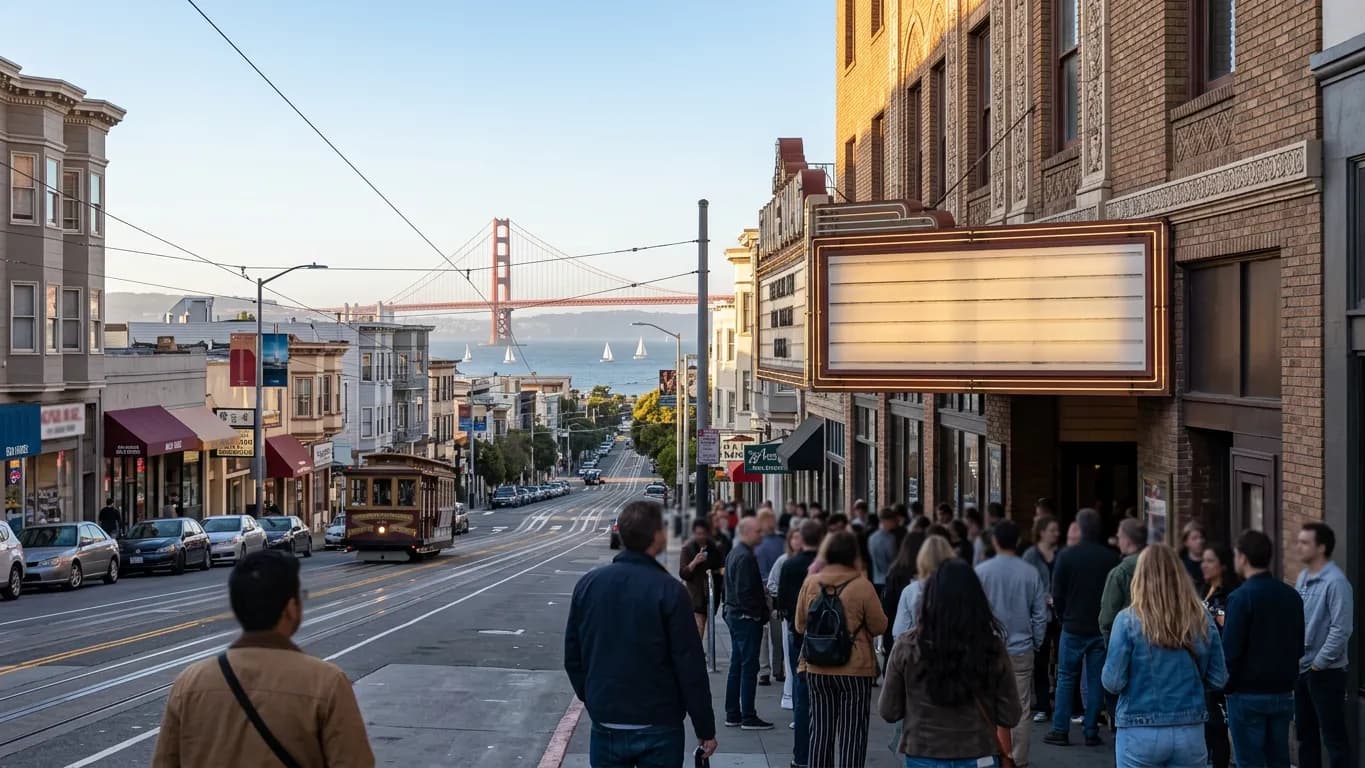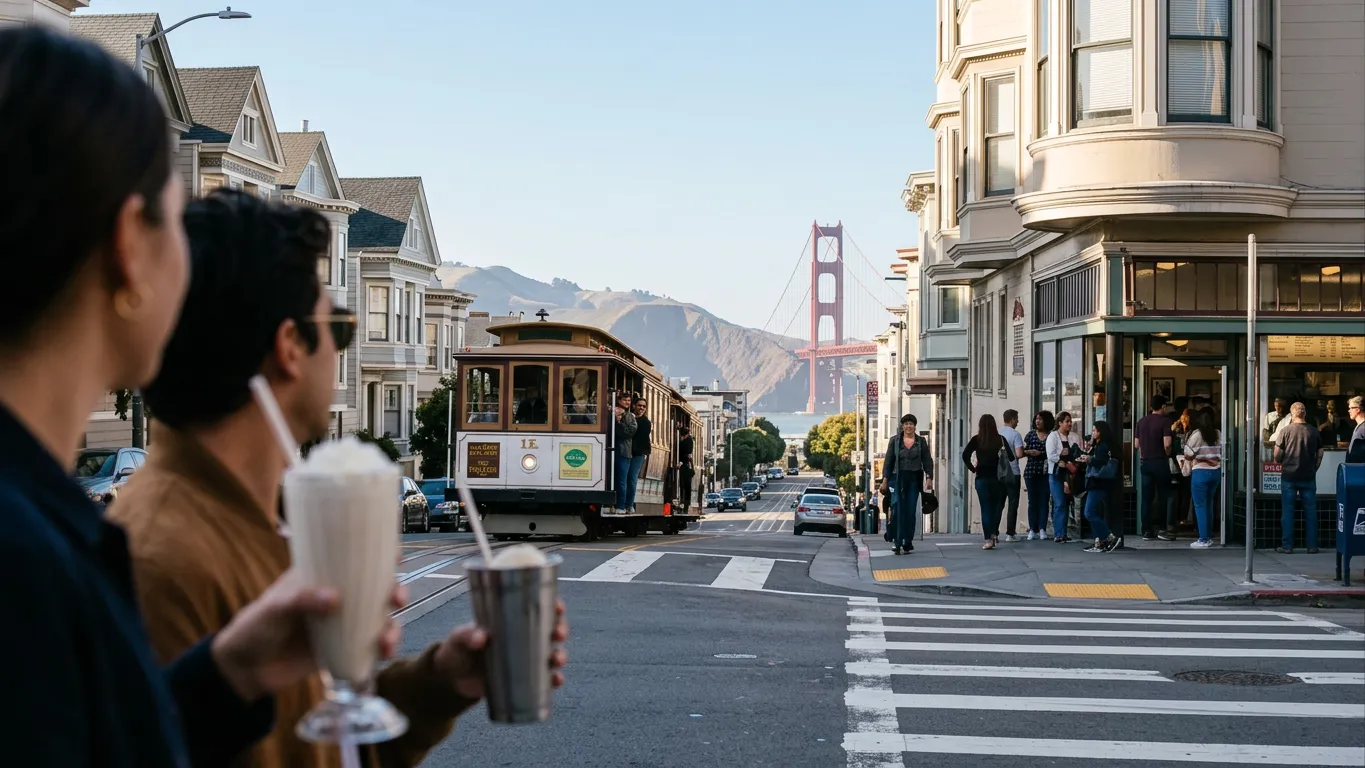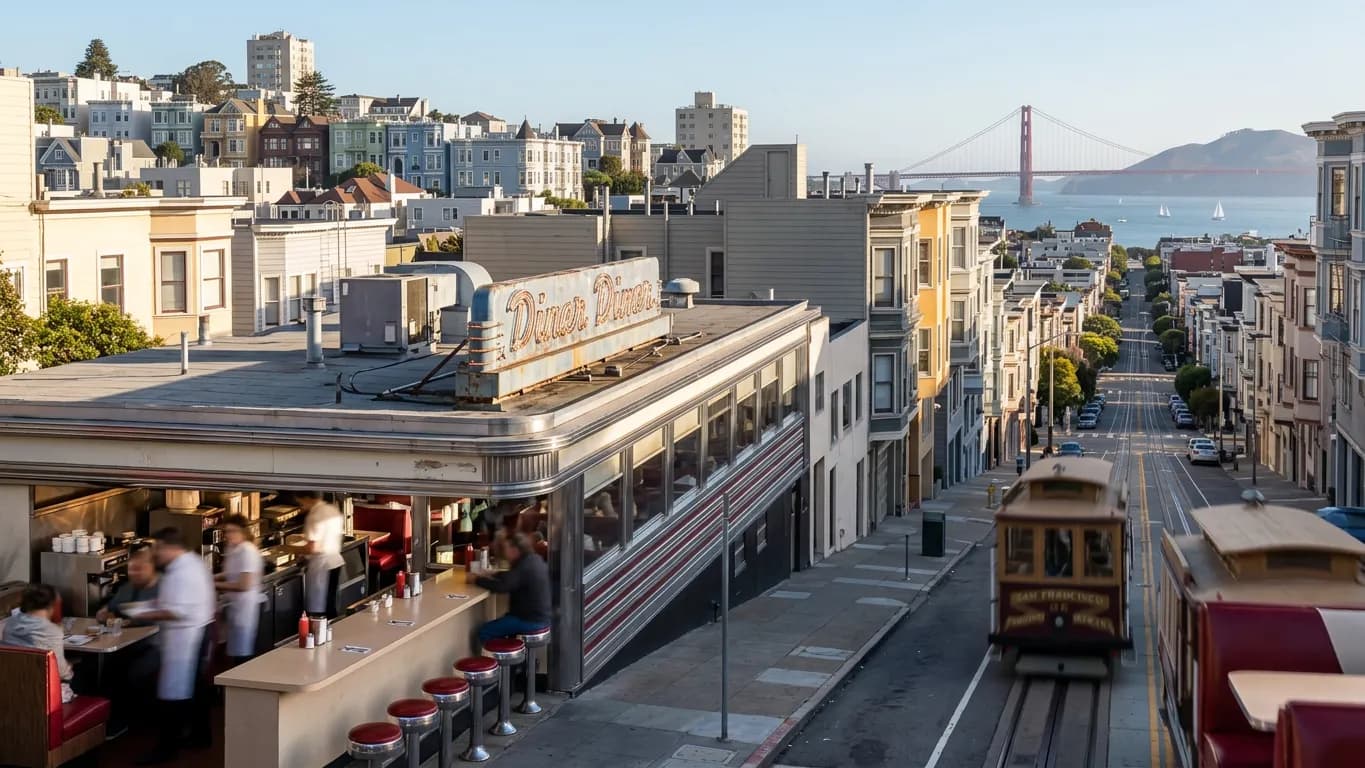
In San Francisco, “seafood near me” usually means the waterfront, but the good version is less about one famous strip and more about a few different rituals. You can eat oysters where the Bay is basically your backdrop, chase a counter lunch that feels frozen in time, and still make room for a chowder-in-a-bread-bowl stop that only works because you are here. This is the local upgrade: fewer checklist bites, more timing, and a better sense of where each classic actually belongs.
Karpo can turn this into a waterfront crawl with the right order, the right wait, and the right counter seats. Open it when you want the route without the guesswork.

Start At The Waterfront
San Francisco seafood makes the most sense when you think in neighborhoods, not in one giant zone. The Ferry Building gives you daylight, commuter energy, and a clean view of the Bay; Fisherman’s Wharf gives you the postcard version; the Embarcadero gives you a sleek, walkable middle ground. That is why the city’s classics still pull people in. They are not just about fish and shellfish. They are about eating with weather, foot traffic, and the water in view.
Hog Island Oyster Co. is the easy first stop if you want the classic oyster bar feeling without overcomplicating it. It lives in Ferry Building orbit, so it works best when you want fresh shellfish and a little movement around you instead of a hushed dining room. Order a mixed tray if you are sharing, or keep it tight with a half-dozen and one warm item. The move is to sit where you can see the Bay and let the place feel like part of the meal.
Read The Oyster Counter
Swan Oyster Depot is the opposite energy, and that is exactly why locals still go. It sits in the Polk Gulch area, but the room feels like a relic in the best way: narrow counter, quick turns, no wasted motion. The trick here is to arrive ready. Decide whether you want oysters, crab, smoked fish, or a mix, then say it cleanly. The line can look intimidating, but it moves with purpose, and solo diners often slip through faster than big groups.
This is not the place to treat the menu like homework. Swan rewards confidence, not hesitation. If you are chasing a proper lunch, think of it as a counter meal with a tempo: eat, enjoy, and clear out before you settle into a long conversation. That is the etiquette locals respect. The staff is efficient, the seating is limited, and the best experience comes from accepting the pace instead of trying to negotiate with it.
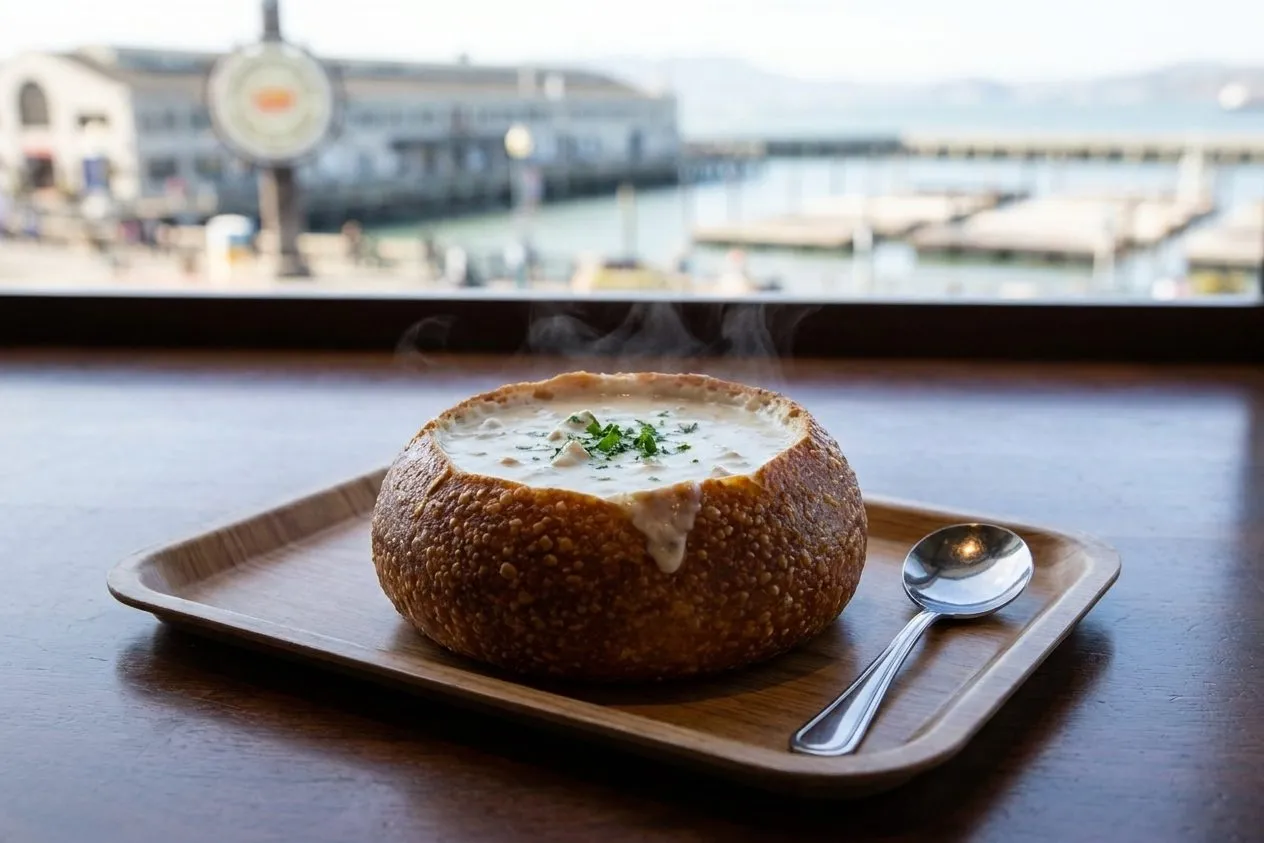
Make The Chowder Move
Boudin Bakery Bread Bowl is the tourist shorthand, but it remains useful because the format is still satisfying when it is cold outside and you are already wandering the waterfront. The bread bowl is less a punchline than a durable San Francisco habit: clam chowder inside sourdough, eaten while walking, eating, or people-watching near the wharf. Order it when you want something warm and sturdy rather than delicate. The appeal is not subtle, and that is the point.
The local wisdom is about timing and texture. Get the bowl before you are starving, because the bread softens the longer the chowder sits. Split it too slowly and you lose the contrast between crust and soup. If you are with someone else, share one bowl and add another lighter item nearby instead of doubling up. That keeps the crawl moving and makes the chowder feel like a stop, not the whole story.
Order Like You Belong
The smartest seafood order in San Francisco usually starts with restraint. At Hog Island, the oyster tray should do the heavy lifting, and if you want something warm, one grilled plate is enough to round things out. At Swan, one rich bite and one bright bite is the sweet spot. At Boudin, the bread bowl already carries the meal, so do not stack it with too much else. The local rhythm is mix, not maximum. That is how the classics stay interesting across multiple stops.
A lot of visitors arrive ready to be impressed; locals arrive ready to eat efficiently. That means asking what is freshest, choosing one or two anchors, and not forcing a giant spread just because the menu exists. Seafood bars are at their best when they feel edited. You get more flavor, less fatigue, and a better sense of the room. In a city with strong opinions about lunch, that kind of restraint reads as confidence.
End With A Skyline Seat
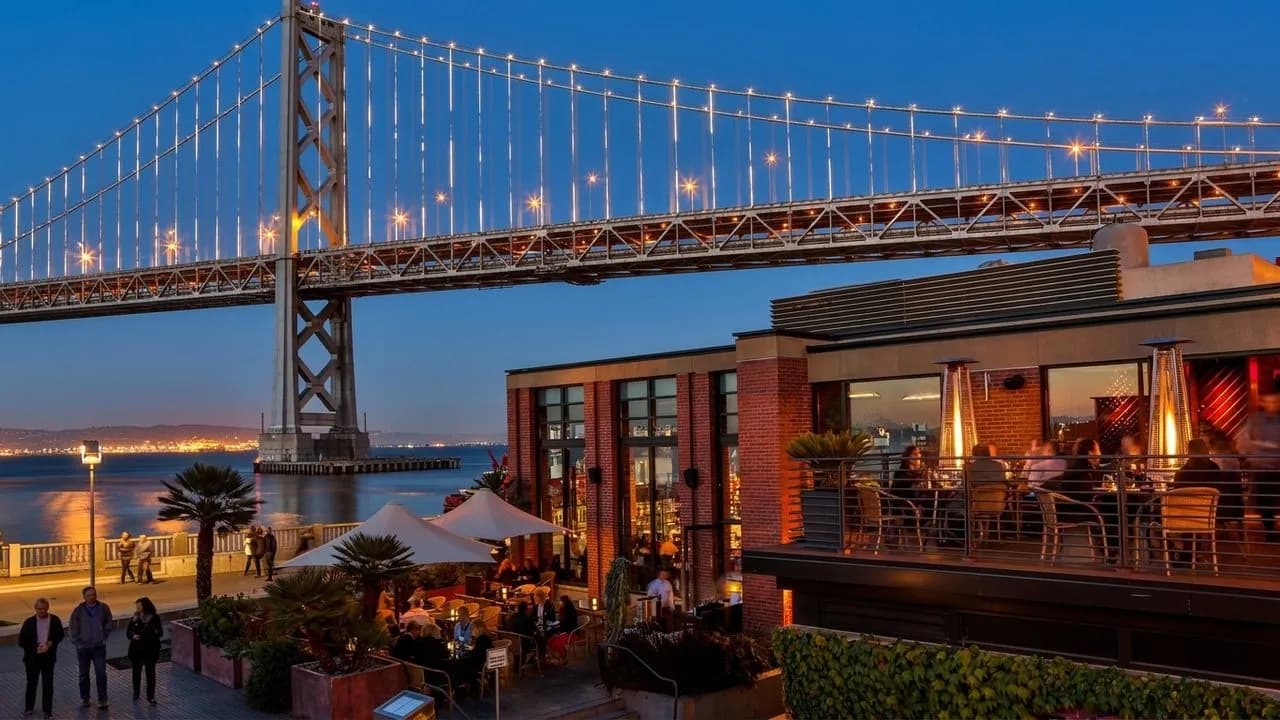
Waterbar is where the crawl turns from nostalgic to polished. Set on the Embarcadero with a direct Bay Bridge backdrop, it is built for the kind of seafood dinner that wants a view as much as a plate. If you want a window seat or a sunset stretch, plan ahead. If you do not care where you sit, the bar area is usually the fastest way in. Either way, this is the stop where the city feels most cinematic and least rushed.
The menu makes sense for a final stop because it leans into oysters, crudos, and shellfish towers without losing the sense of occasion. Come here after the counter lunches and chowder stops, not before them. That way Waterbar feels like the finish line, not the warm-up. It is the place to slow down, order one clean round, and look back on the waterfront as a whole instead of as a list of names you have checked off.
Practical notes
For the smoothest seafood day, start around the Ferry Building or Embarcadero, then decide whether Swan Oyster Depot is its own lunch detour or part of a larger loop. Weekends near Fisherman’s Wharf can feel slower and more crowded, while weekday late mornings usually move better at counters. Waterbar is the most reservation-friendly stop if you want a window or sunset pace. Boudin is the easiest to fold into a walking day, especially if you are already near the wharf. Public transit and rideshares both work, but this article is built for a route you can mostly walk.
Tags: #sanfrancisco #sffood #sfrestaurants #seafood #oysters #chowder #ferrybuilding #fishermanswharf #embarcadero #nobhill #polkgulch #bayareafood #waterfrontdining #sourdough #foodguide
Please drink responsibly. Must be of legal drinking age.
All trademarks are the property of their respective owners.
Ask Karpo first
Ask Karpo for a live seafood crawl with the shortest waits, the best counter seats, and the smartest order sequence. It can check which stops fit your window, suggest whether to start at the Wharf or the Ferry Building, and build a public-only route you can actually walk.