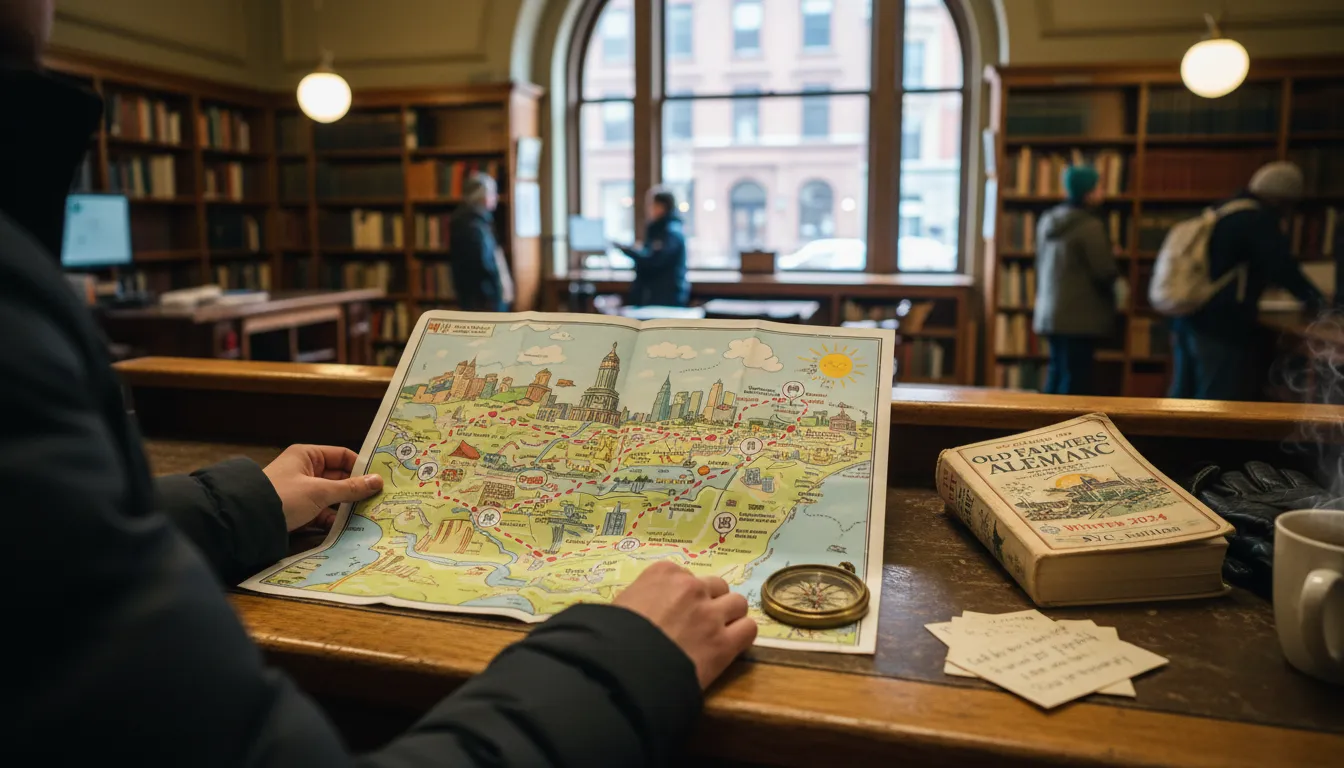
New York City holds more than just towering skyscrapers and bustling streets—it preserves subtle clues to centuries-old weather traditions tucked away in plain sight. Inspired by the old farmers almanac winter forecast, this walking journey reveals obscure public markers and historical features that connect the city’s urban fabric with almanac lore and winter weather forecasting. From stone plaques to weather vanes, these hidden gems offer an unusual perspective on NYC’s climate history and folklore. Prepare for a paced stroll through quieter corners where history and the natural world quietly meet beneath the winter skies.
Ready your walking shoes and weather-appropriate layers to uncover these historic clues around New York City’s neighborhoods. Stay attentive to safety while crossing streets and respect all sites you visit.

Winter Weather Markers in NYC’s Historic Districts
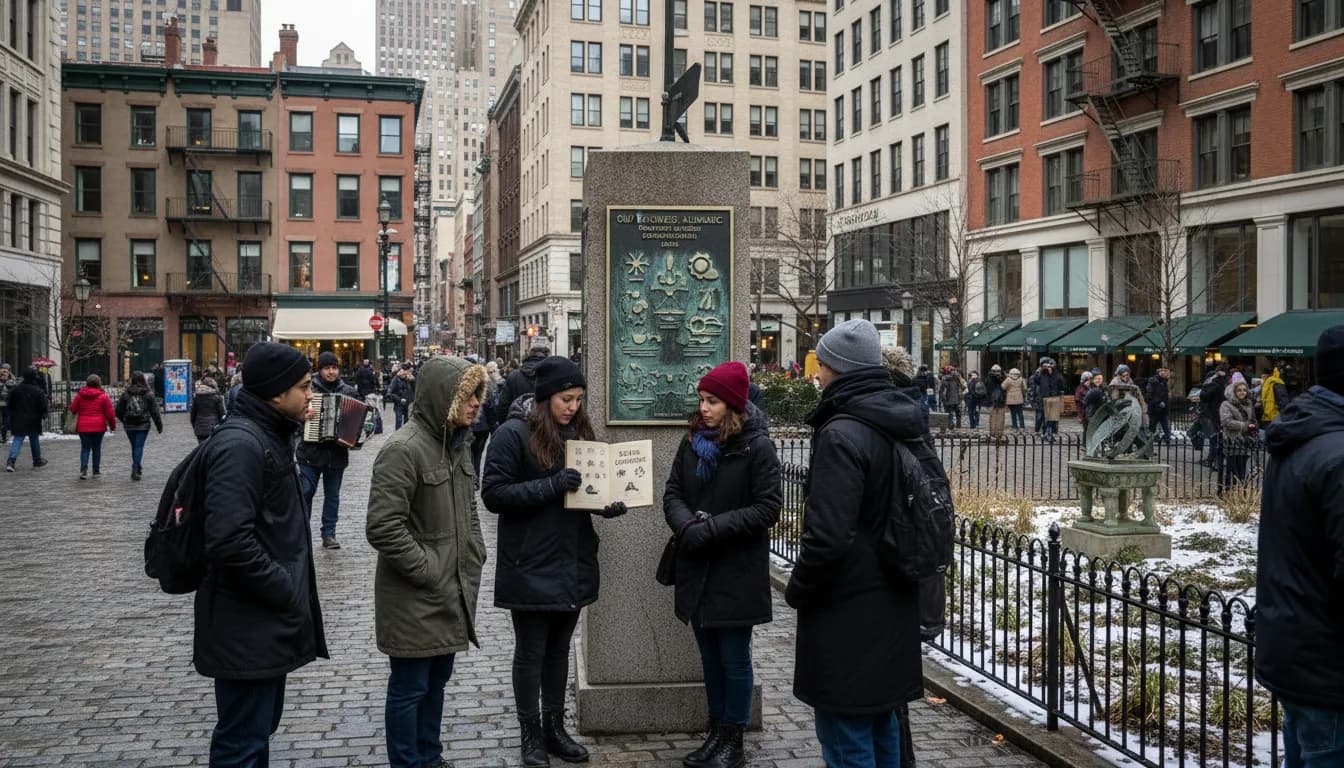
Historic neighborhoods such as Greenwich Village and the Financial District contain several weather markers dating back to the 18th and 19th centuries. Look for discreet metal plaques embedded in building facades or cobblestone streets that once served as reference points for early weather observers. These markers often provide data on seasonal changes or record notable winter storms, linking directly to almanac traditions of seasonal forecasting.
These markers reflect how New Yorkers historically adapted to winters before modern meteorology. The old farmers almanac winter forecast’s emphasis on long-range predictions echoes practices of tracking natural signs recorded in these places. While not always visible at first glance, these markers enrich urban exploration by anchoring contemporary experience in climate history.
Visiting these areas during off-peak hours offers a quieter chance to absorb the subtle details without heavy pedestrian traffic. The streets can be slippery in winter, so sturdy footwear is advisable, and crossing streets demands full attention for safety.
Public Weather Instruments: Sundials and Thermometers
Several NYC parks and public spaces host historic sundials and outdoor thermometers that once contributed to communal weather observations. These instruments, often overlooked, are direct descendants of almanac traditions where natural signs and measurements guided agricultural and daily life choices.
For instance, some sundials found in Central Park and Bryant Park date back over a century and offer a tangible connection to how time and weather were tracked before digital devices. Similarly, vintage thermometers installed on public buildings illustrate past efforts to disseminate weather information to residents.
Access to these public instruments is generally unrestricted during park opening hours. They provide quiet reflective spots to consider the evolution of weather forecasting. Weather conditions may affect visibility or accessibility, so planning visits during daylight and milder weather enhances the experience.
Winter Folklore and Almanac Traditions Embedded in NYC’s Public Art
New York City’s public art occasionally integrates themes of weather cycles and seasons, embodying winter folklore linked to almanac wisdom. Sculptures, murals, and mosaics in boroughs like Brooklyn and Queens sometimes depict natural elements like snowflakes, frost patterns, or mythical figures associated with winter.
These artworks serve as subtle reminders of humanity’s long-standing relationship with seasonal rhythms that almanacs historically celebrated. Exploring them reveals how weather lore permeates cultural expression beyond scientific prediction, enriching the city’s narrative with symbolism and tradition.
Art locations vary in accessibility; many are situated near transit hubs served by the MTA, easing travel across boroughs. Observers should be mindful of surroundings and respect the artworks without touching or disrupting them.
Obscure Historical Plaques Commemorating Notable Winters
Scattered through lesser-known pockets of Manhattan and beyond are plaques commemorating significant winter events, such as blizzards or record cold spells. These markers often recount stories from centuries past, connecting modern New Yorkers to the resilience and adaptation of earlier inhabitants.
Reading these plaques offers insight into how extreme weather events shaped urban development and daily routines. They reflect the enduring human effort to forecast and prepare for harsh winters, an effort mirrored in the old farmers almanac winter forecast’s legacy.
To locate these plaques, visitors can consult maps provided by NYC Tourism or local historical societies. Early morning or late afternoon visits limit exposure to crowds and offer better lighting for reading inscriptions.
Wintertime Natural Clues in NYC’s Parks and Green Spaces
Nature itself acts as a living almanac throughout New York City’s green spaces. Trees, birds, and natural formations in parks like Prospect Park and Inwood Hill Park display subtle signs that once informed traditional weather forecasts and agricultural decisions.
Observing these clues during winter—such as bark texture, evergreen foliage, and bird migration patterns—deepens understanding of ecological calendars that parallel almanac entries. These natural markers provide a quiet counterpoint to the urban environment’s steel and stone.
Visitors should stay on designated paths to protect flora and fauna, wear layers against winter chill, and remain cautious of icy surfaces. Public transit routes from the MTA make these parks accessible year-round for those interested in blending environmental observation with historical curiosity.
Navigating the Walk: Tips for an Enriching Experience
When embarking on the NYC weather oddities walk, careful planning enhances both enjoyment and insight. Comparing transit options is crucial; while subways offer speed and coverage, walking between stops reveals hidden markers often missed from vehicles. Verification steps include cross-referencing local weather forecasts with your walk schedule, ensuring safe winter conditions. Accessibility varies across sites—some locations feature ramps and smooth paths, while others traverse uneven sidewalks or stairs, so choosing a route that matches your mobility needs improves comfort and safety during the tour.
Timing and budget considerations also shape the experience. Early daytime hours provide better light for reading intricate plaques and observing subtle natural clues, while avoiding weekend crowds can foster a more contemplative atmosphere. Since all stops are in public spaces, costs are minimal, but allocating funds for warm refreshments or transit passes makes the journey smoother. Having fallback options, like nearby indoor spots or shorter loops, prepares you for unpredictable winter weather, balancing exploration ambition with practical readiness.
Practical notes
This self-guided walk through New York City’s winter weather markers spans multiple neighborhoods and parks, best planned over several hours or multiple visits. Use the MTA subway and bus services to minimize walking distances between sites and avoid busy traffic. Winter weather can be cold and occasionally snowy, so dress in layers and wear sturdy, waterproof footwear. Be vigilant when crossing streets, and always adhere to pedestrian signals. Many historical markers and natural elements are fragile; please observe without touching or disturbing. Daylight hours are preferable to safely navigate and fully appreciate details. Consult NYC Parks and NYC Tourism websites for updated access information and potential seasonal closures. There is no cost to visit these public sites, making this an affordable and educational exploration option. Carry water and a phone for safety, but remember some quieter spots may have limited cell reception.
Tags: #OldFarmersAlmanac #WinterForecast #NYCWeather #HiddenGems #HistoricalMarkers #UrbanExploration #WinterInNYC #NYCParks #WeatherFolklore #PublicArt #NaturalClues #MTA #SeasonalTraditions #CityWalks #AlmanacLore
Sources consulted: MTA · NYC Tourism · NYC Parks
All trademarks are the property of their respective owners.
Ask Karpo first
For further tailored routes or questions about exploring New York City’s hidden winter weather heritage, reach out with your curiosities. Karpo is here to guide your discovery of the city’s lesser-known corners.


