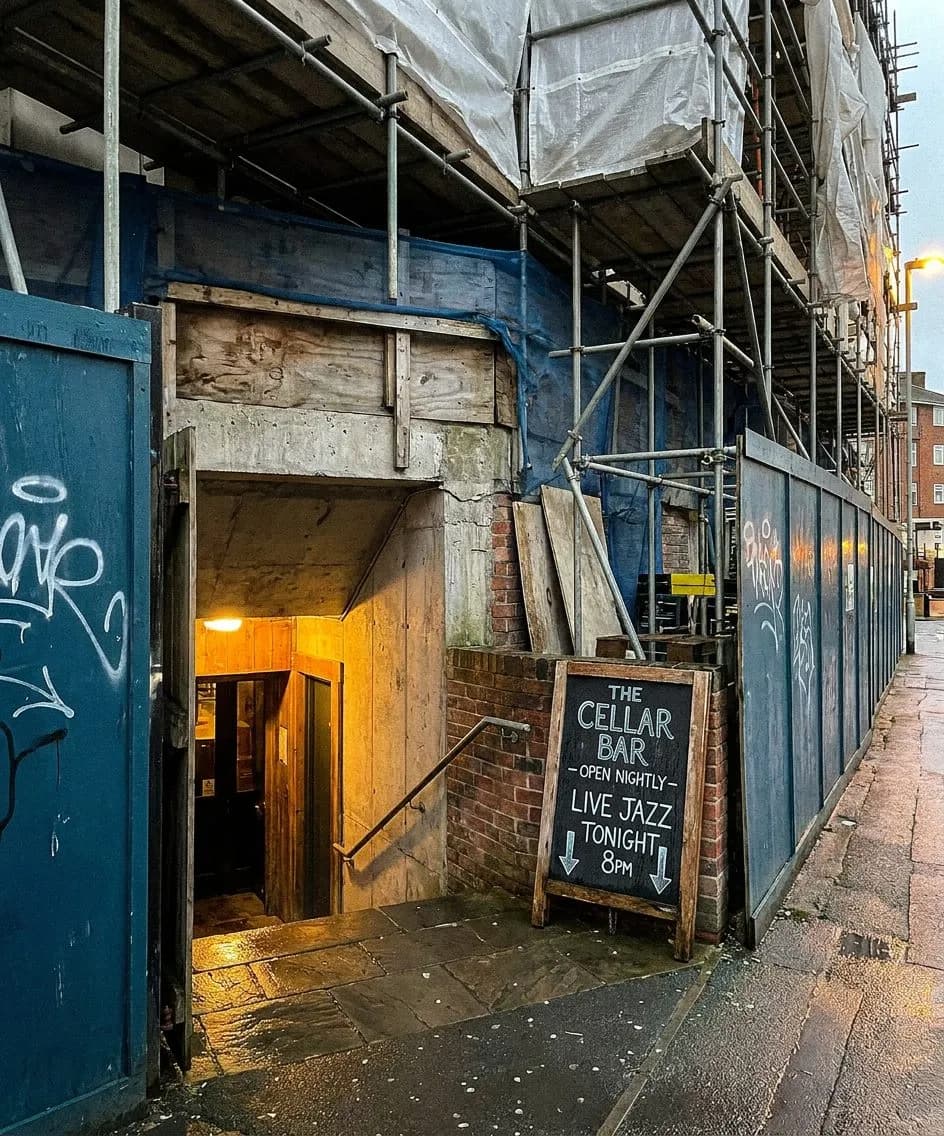
The stairs descend into cooler air and a particular scent—old bone, lacquered wood, the faint mineral tang of stone that hasn't seen daylight in sixty million years. This is not a shop that announces itself with neon or window displays engineered for Instagram. Evolution Store occupies a Lower Manhattan basement where natural history lives on open shelves, behind glass, and in shallow drawers that slide out to reveal trilobites, ammonites, and the occasional dire wolf tooth. The owner, a former museum preparator, has spent two decades sourcing specimens from ethical suppliers across six continents, building a collection that splits the difference between Wunderkammer and research lab.
The Geography of Wonder
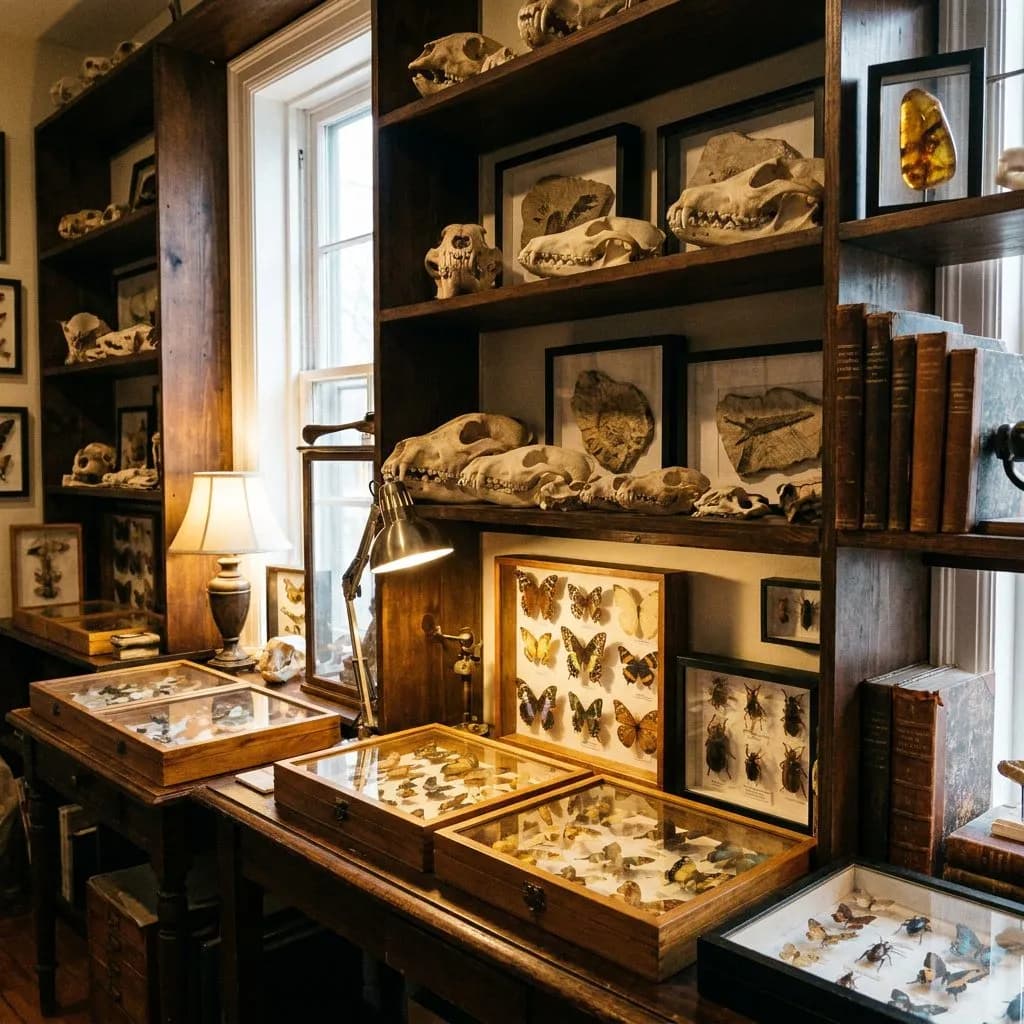
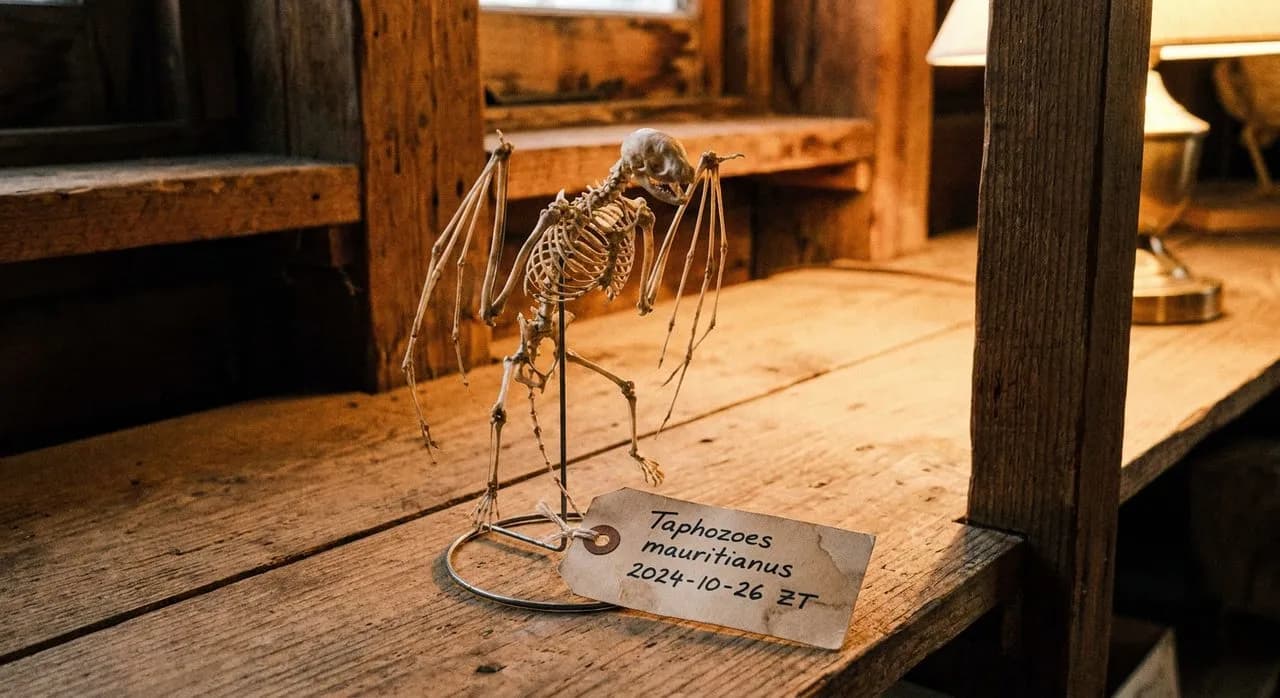
The space unfolds in layers. Near the entrance, articulated skeletons hang from ceiling mounts—a fruit bat, wings spread in permanent flight; a small crocodile, jaw hinged open. Further in, glass cabinets hold butterflies and beetles pinned against white backing, their iridescence shifting as you move. The back wall is floor-to-ceiling specimen jars: wet-preserved octopi, juvenile sharks, a two-headed calf that draws every visitor's stare. Winter light from the sidewalk grates filters down in narrow bands, catching dust motes and the occasional glint of pyrite.
The deeper you venture, the more the shop reveals its double life as a kind of working laboratory. Magnifying lenses sit beside bone fragments mid-identification. A workbench in the corner holds articulation tools—wire, glue, calipers—evidence that some skeletons arrive here in pieces and leave gallery-ready. This curiosity shop in NYC operates less like retail and more like a temple to the taxonomic, where every object carries a story of deep time or evolutionary ingenuity.
Sourcing the Sublime
The owner's background in museum preparation shapes the inventory philosophy. Nothing here comes from poaching or black-market fossil raids; suppliers provide documentation, and certain categories—ivory, coral, anything endangered—simply don't appear on the shelves. Skulls arrive from farms that process livestock humanely. Insects come from breeders in Southeast Asia who work with conservation programs. Fossils are sourced from private landowners in Montana, Morocco, and Wyoming, often with detailed provenance notes tucked into the display case.
Recently, the shop has seen more clients commissioning bespoke pieces for home libraries or private collections. A lawyer wanted a wall-mounted stingray skeleton for his study. An architect requested a vitrine of Mesozoic ferns. The shop now offers custom framing and mounting services, a natural extension of the preparator's craft.
The Thursday Ritual
If you want first look at the newest arrivals, timing matters. On some Thursdays in the afternoon, the owner unpacks shipments from suppliers and lets a handful of regulars browse before anything gets priced or shelved. It's a quiet hour—no crowds, no hurry—and you might find yourself holding a perfectly intact sand dollar or a polished slice of petrified wood while the owner recounts where it came from and why it matters. There's no formal invitation list; show up a few times, ask good questions, and you'll earn the nod.
This isn't a secret so much as a rhythm, the kind of insider knowledge that circulates among collectors and design professionals who've made Evolution a regular stop. The vibe during that hour is collegial, almost meditative—a reminder that the best shops still operate on relationships, not algorithms.
Hidden Inventory for Educators
Not everything in the shop sits on display. Ask to see the educator drawer tucked under the counter, and you'll find a trove of affordable fossil fragments, insect specimens, and mineral samples specifically set aside for teachers. Trilobite pieces that would cost fifty dollars framed might go for eight here. Beetle specimens that didn't quite make the cut for retail displays—legs slightly askew, wings a bit faded—are perfectly suitable for a seventh-grade science class. The drawer isn't advertised, but the owner believes natural history education shouldn't require a collector's budget.
This quiet generosity extends to the shop's broader ethos. Conversations here tend toward the pedagogical: How did this organism adapt? What does this bone structure tell us? Why does this mineral form in hexagonal columns? Even casual browsers leave knowing a little more about evolutionary biology or geological deep time than they did on the way in.
The Mascot That Never Leaves
On the top shelf near the back, a juvenile alligator skull presides over the room. It's labeled simply 'Gator #3,' and it's been the shop mascot since 2008, back when the owner was still setting up the basement and deciding what kind of space this would become in the late 2000s. Customers have offered to buy it more times than anyone can count. The answer is always no. Some objects anchor a place, and Gator #3 is one of them—a talisman, a through-line, a reminder that not everything is for sale even in a shop devoted to the buyable strange.
It's a small detail, but it tells you something about how Evolution operates. This isn't a venture optimizing for maximum turnover. It's a carefully curated environment where wonder is the point and commerce is simply the mechanism that keeps the lights on and the shipments arriving.
Who Comes Here
The clientele runs the gamut. Set designers hunting for props that convey erudition or menace. Taxidermists looking for reference specimens. Parents steering curious kids toward the mineral bins—geodes, agates, chunks of raw quartz that fit in small hands and spark lifelong fascinations. Collectors building natural history cabinets in brownstone parlors. Artists seeking forms that blur the line between beautiful and unsettling. And then the wanderers, the ones who stumbled down the stairs on a cold afternoon and found themselves standing in front of a glass case full of Victorian-era pinned beetles, marveling that such a place exists below the sidewalks of Lower Manhattan.
Winter brings its own crowd—tourists fewer, locals more inclined to linger. The shop becomes a refuge from wind and slush, a place where time moves at the pace of fossilization and extinction events rather than subway schedules.
Practical Notes
Evolution Store is located in Lower Manhattan; verify the current address and hours directly, as small independent shops occasionally adjust schedules seasonally. The nearest subway stops are within a few blocks—check real-time transit apps for service changes typical in late 2026. Street parking is scarce; public transit is strongly advised. The shop is not wheelchair accessible due to basement entry via stairs. Bring cash or card; both accepted. If you're shopping for a specific specimen or custom project, call ahead to discuss availability. And if you teach, mention it—you never know what might be waiting under the counter.
Tags: #the_odd_edit #CabinetOfCuriosities #EvolutionStore #LowerManhattanOddities #NaturalHistory #CuriosityShopNYC #FossilsAndBones #NYCHiddenGems #SubterraneanShops #WinterInNYC #EthicalSpecimens #MuseumQuality #UrbanExplorers #NYCWinter2026 #KarposFinds
Sources consulted: Cabinet of Curiosities · Natural History · NY Times - New York · Time Out New York Shopping · NYC Official Guide
All trademarks are the property of their respective owners.