A Shop the Size of a Walk-In Closet
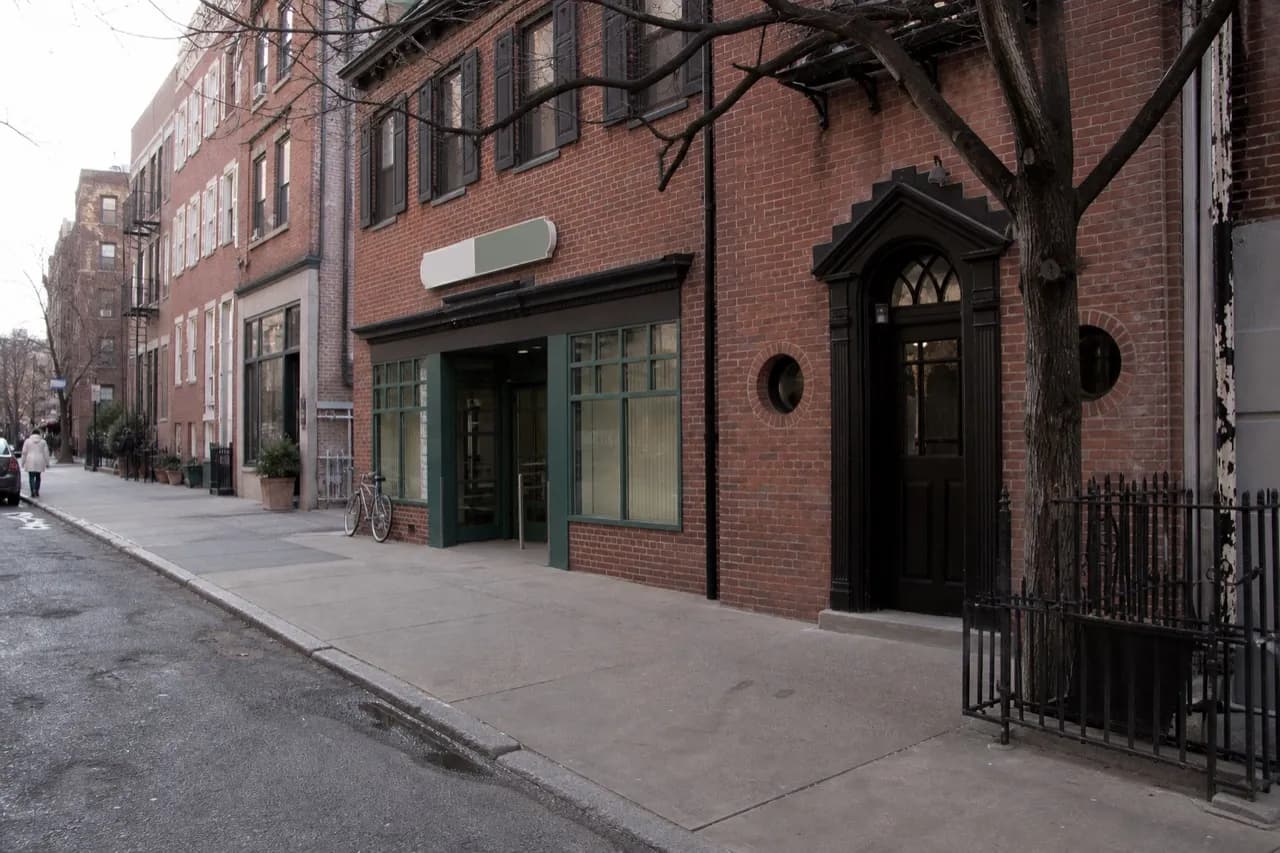
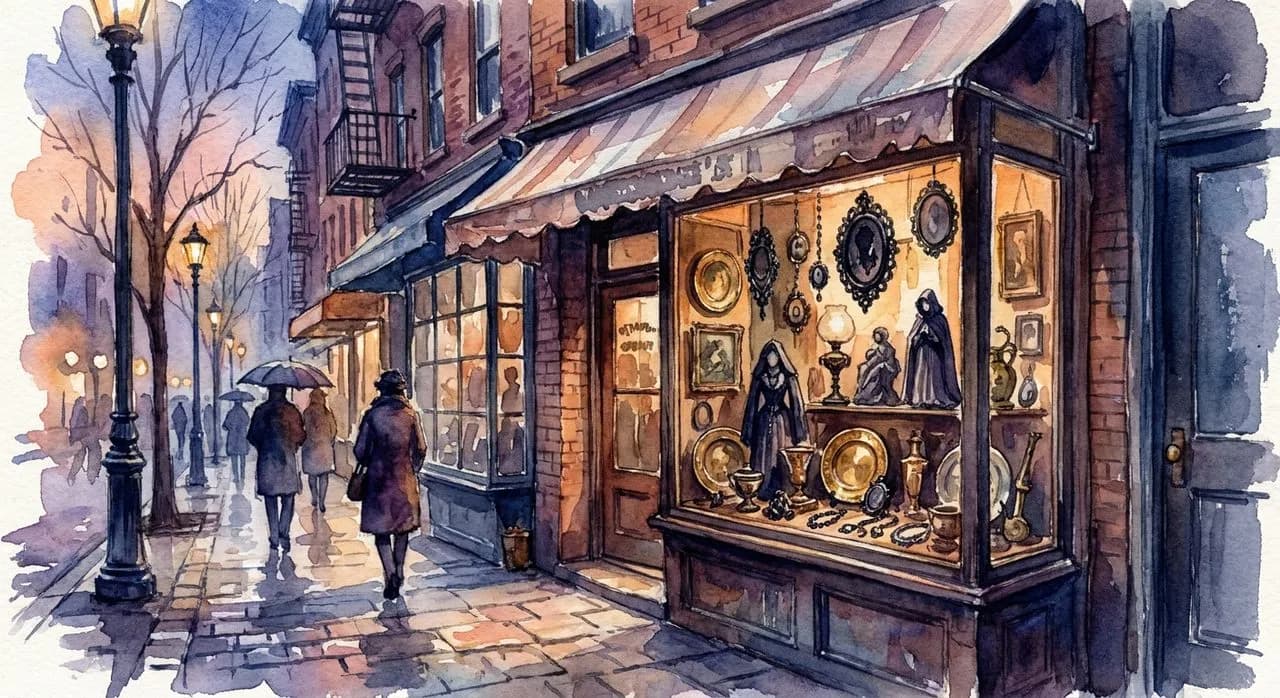
Obscura sits at 207 Avenue A, on the corner of East 13th Street, in a tenant slot the width of a generous hallway. Front window: a Victorian brass casket plate, a glass eye in a velvet box, a stuffed two-headed snake. Inside, the room runs deep and narrow. Wood shelves to the ceiling. Glass cases with brass corners. A counter at the back where the owner is usually sketching prices on small white tags.
The space is small enough that a serious shopper has to wait their turn to look at one cabinet. The store's reputation is bigger than the room can hold, but the room is the point — Obscura has been here since 1996 and has resisted every offer to relocate.
Mike and Evan Started It With $300
The owners, Mike Zohn and Evan Michelson, met in the early 1990s on the East Village antiques circuit and decided they could run a shop together if they pooled $300 and committed to a year. Their first inventory was bought at estate sales in upstate New York and at the long-gone 26th Street flea market on weekends. The first month they sold a single piece — a Victorian medical bag — for $40.
Their thesis was that the macabre, the medical, and the Victorian funerary trade were undervalued antiques categories. They were right. The same hairwork mourning brooches that nobody wanted in 1996 now sell for $200 to $600. The 19th-century apothecary cabinets that Mike used to find in farmhouse barns now sell for $4,000.
What's Actually for Sale
The categories haven't changed in 28 years. Memento mori jewelry — rings and brooches woven from the hair of the deceased, often with sepia portraits set under glass. Veterinary and medical instruments from the 1880s onward, including a complete trepanning kit in its original mahogany case. Victorian funerary photography. A small selection of taxidermy that leans toward the educational — Indonesian songbirds, a complete badger skeleton, a fawn in repose under a glass dome.
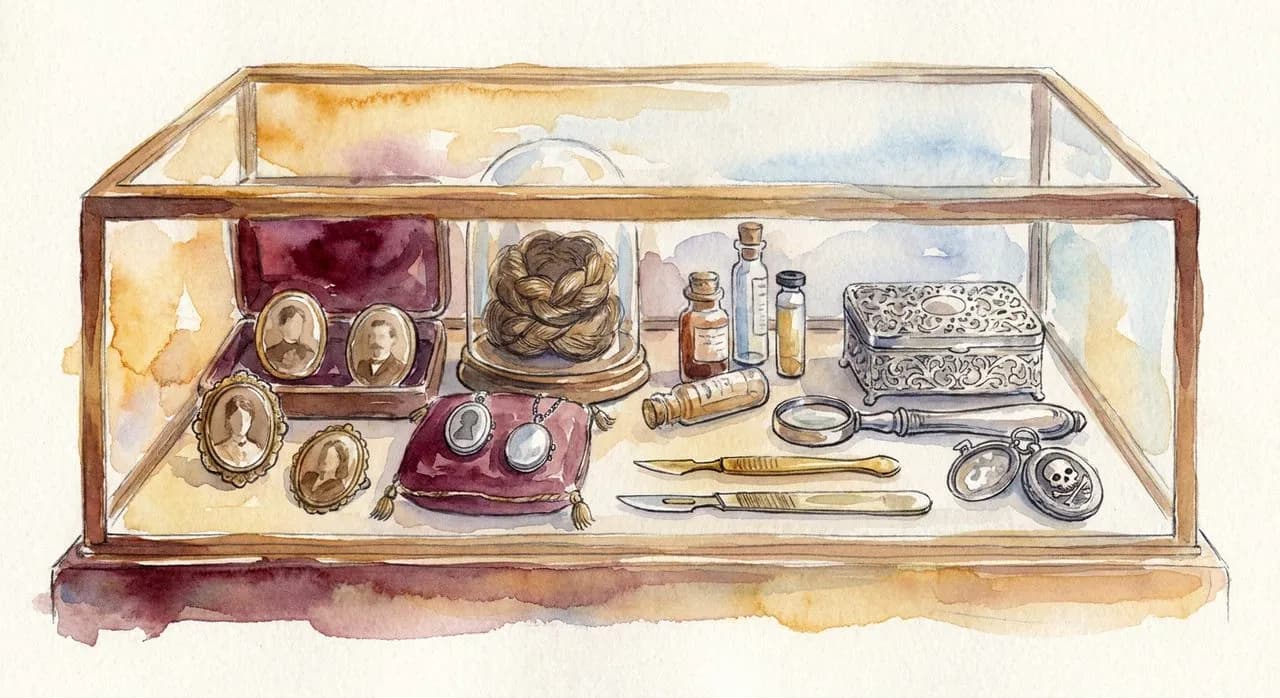
There's also a steady supply of more accessible pieces. A Bakelite medical thermometer in its original case, $35. A small framed daguerreotype, $80. A glass-domed wedding bouquet from the 1890s, $220. The store works for someone with $40 in their pocket as well as someone with $4,000.
How Discovery Found Them
A producer named Mary-Ellis Bunim's team was scouting for a show about niche antiques in 2009 and walked in on a Tuesday afternoon. They watched Mike negotiate with a customer over a 1920s prosthetic glass eye for 25 minutes. By the end of the meeting they had pitched the show. Oddities premiered on Discovery in November 2010, ran for five seasons through 2014, and made Obscura the second-most-Googled antiques shop in the United States for two years running.
The TV show didn't change the shop's stock. It changed the foot traffic — for two seasons there were lines down 10th Street on weekends. By season three, fans had moved on, and the regulars came back. The owners say the only lasting effect was a small bump in international shipping orders.
Why It Survived the East Village
The neighborhood around Obscura has flipped twice since 1996. The bodegas became wine bars. The wine bars became matcha cafés. The shop survived two reasons: long-term lease at below-market rent, and a niche customer base that doesn't depend on walk-ins. About 60 percent of Obscura's sales now happen online or through trade shows, which means the rent is paid even on slow weeks.
But the storefront matters. The owners are clear that they don't want to become an online-only operation. The retail floor is where they meet the customers who matter — designers, set dressers from the same TV industry that put them on air, museum curators, art collectors. The store's social currency is the room, not the stock.
A 30-Minute Browse Done Right
Start with the front window. Most of the show pieces — the glass eye, the casket plate, the locks of bridal hair — rotate through there first. Then walk slowly along the left wall: medical and veterinary tools arranged chronologically. The right wall is jewelry and personal effects. The back counter holds the most expensive pieces and is also where the owners are happy to talk if the shop is slow.
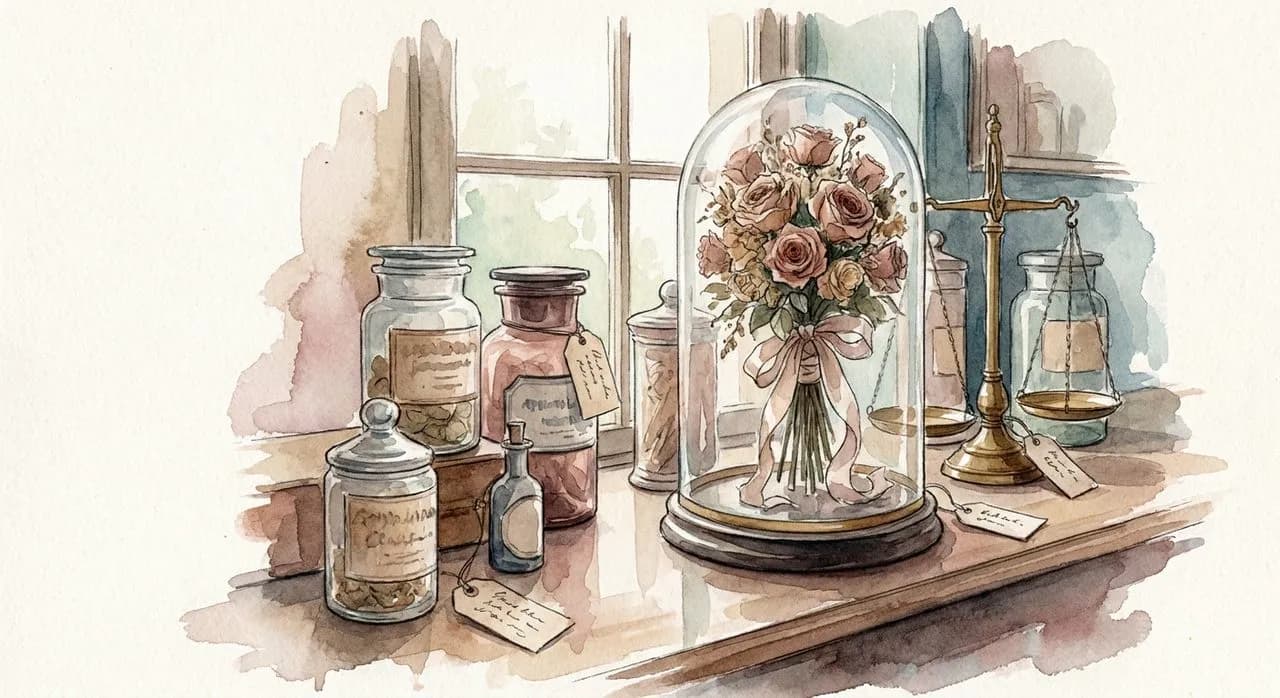
If something catches you, ask its provenance. Mike and Evan keep records on every piece — where it came from, what they paid, why they bought it. That conversation is half the value of a visit.
Practical notes
- Address: 207 Avenue A at East 13th Street, East Village
- Getting there: L to First Avenue; 6 to Astor Place
- Go for: The mourning jewelry case, the Victorian medical instruments, the taxidermy under glass domes
- Size / timing: One narrow room, about 400 square feet. 20–40 minutes. Open Tuesday–Saturday 1–8 p.m., Sunday 1–6 p.m.
- Photograph it, but know this: Staff prefer no photographs of pieces that aren't yet priced. Front window is fair game. Always ask before shooting an interior cabinet.
Obscura is one of the East Village stores that didn't follow the neighborhood into the 2020s. It stayed in its lane — Victorian death culture, medical antiquarian, the ephemera of mourning. That stubbornness is why it still has a customer base 28 years later, and why the back counter is still where the owners spend most of their afternoons writing tags by hand.
#obscuraantiques #oddities #victorianmourning #mementomori #eastvillagenyc #avenueA #manhattanantiques #hiddenshops #curiosityshop #darkacademia #oddedit #adaptivereuse #nycculture #vintagenyc #specialtyretail
Sources consulted: Obscura Antiques · Discovery Channel · The New York Times · Atlas Obscura · Vice
All trademarks are the property of their respective owners.
Drink responsibly. Must be of legal drinking age.