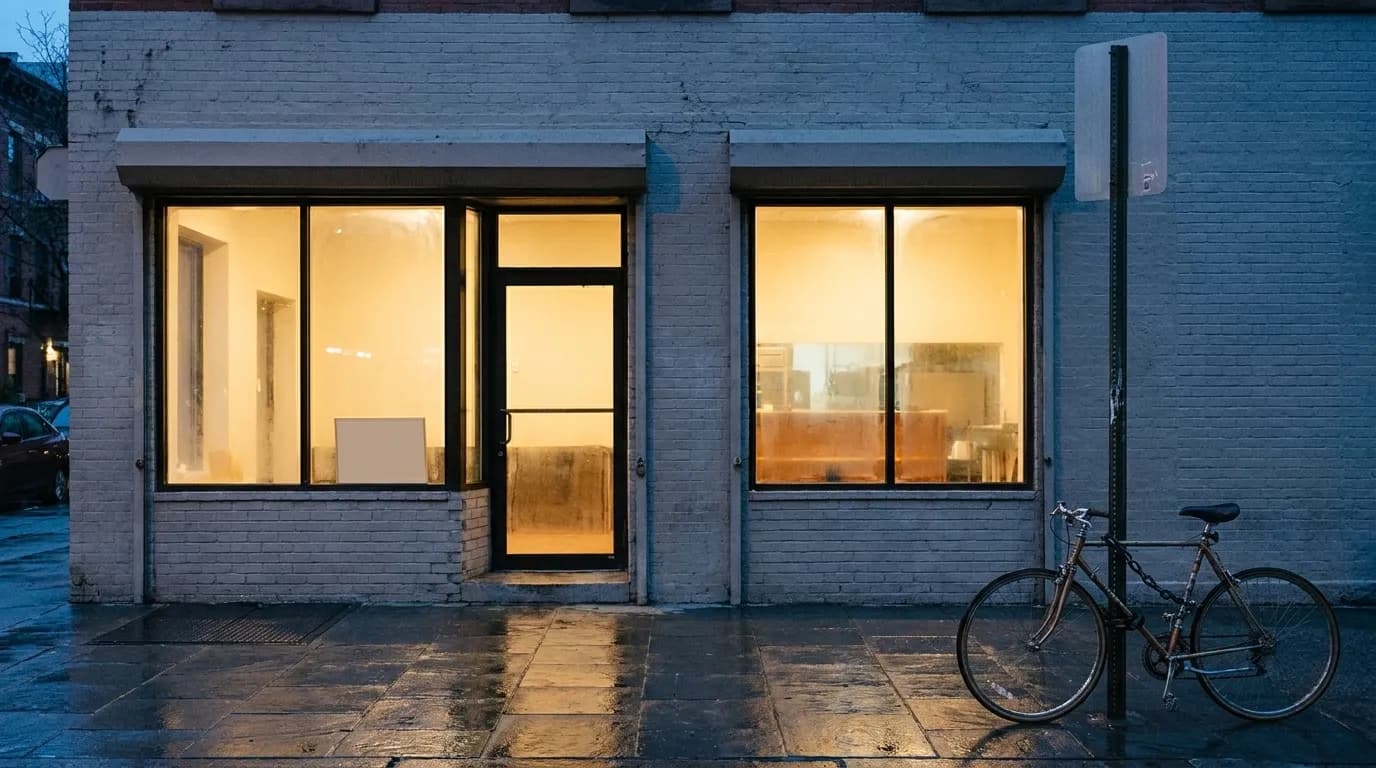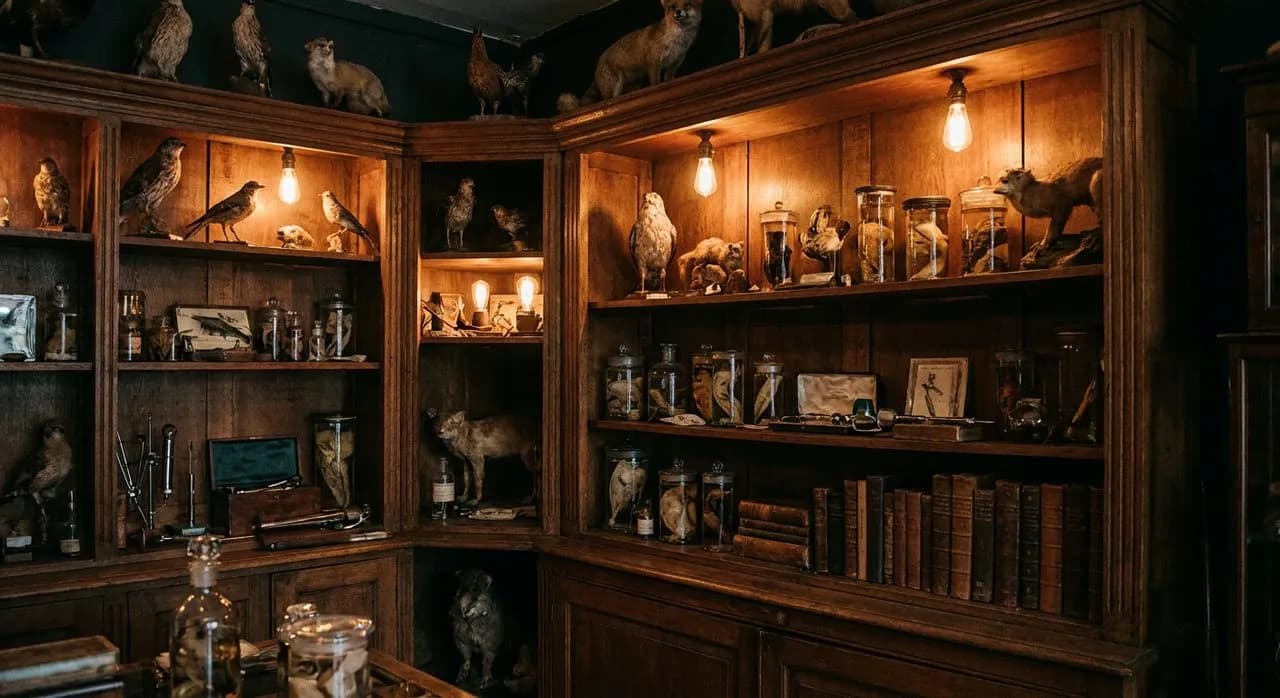
The narrow storefront on East 10th Street offers plenty to browsers—antique surgical kits in glass cases, articulated skeletons, taxidermy mice arranged in Victorian parlor scenes. But the real inventory at Obscura Antiques lives behind a locked cabinet in the back room, accessible only by appointment and reserved for collectors who know what they want and why. Owner Mike Zohn has spent decades sourcing medical instruments, mourning jewelry, and preservation specimens that command both higher price tags and more careful vetting. The back cabinet viewing isn't a casual upsell. It's a ritual with protocol, and winter remains one of the quieter seasons to request access before the spring estate-sale circuit heats up.
The appointment request protocol
Back cabinet appointments are scheduled Tuesday and Thursday afternoons; request via Instagram DM at least one week ahead. Zohn or his team will ask about your collecting interests—whether you lean toward phrenology busts, Civil War-era amputation saws, or memento mori hairwork—so they can pull relevant pieces. This isn't a place for casual browsing or weekend plans that can shift on a whim. The advance notice ensures the shop has time to retrieve items from off-site storage or verify provenance details you might ask about during the session.
The 30-minute session format
Viewing sessions last exactly 30 minutes and Mike pulls eight to twelve items based on collector interest areas discussed in advance. The back room smells faintly of old wood and formaldehyde-tinged ethanol, even in pieces stored dry. Lighting is LED now, cool and clinical, which helps when examining the fine engraving on a nineteenth-century trephine or checking a taxidermy mount for pest damage. Zohn sets each piece on a felt-lined table, offers provenance, and gives you space to ask questions or handle items with gloves when appropriate.
The half-hour constraint is deliberate. It keeps the session focused and ensures the shop can accommodate other appointments or walk-in traffic without losing an entire afternoon. Collectors accustomed to auction previews or estate walkthroughs will recognize the rhythm: look, assess, ask, decide. If you need more time with a particular item—say, a complete set of blown-glass anatomical eyes—Zohn will note that and schedule a follow-up.
What lives in back storage
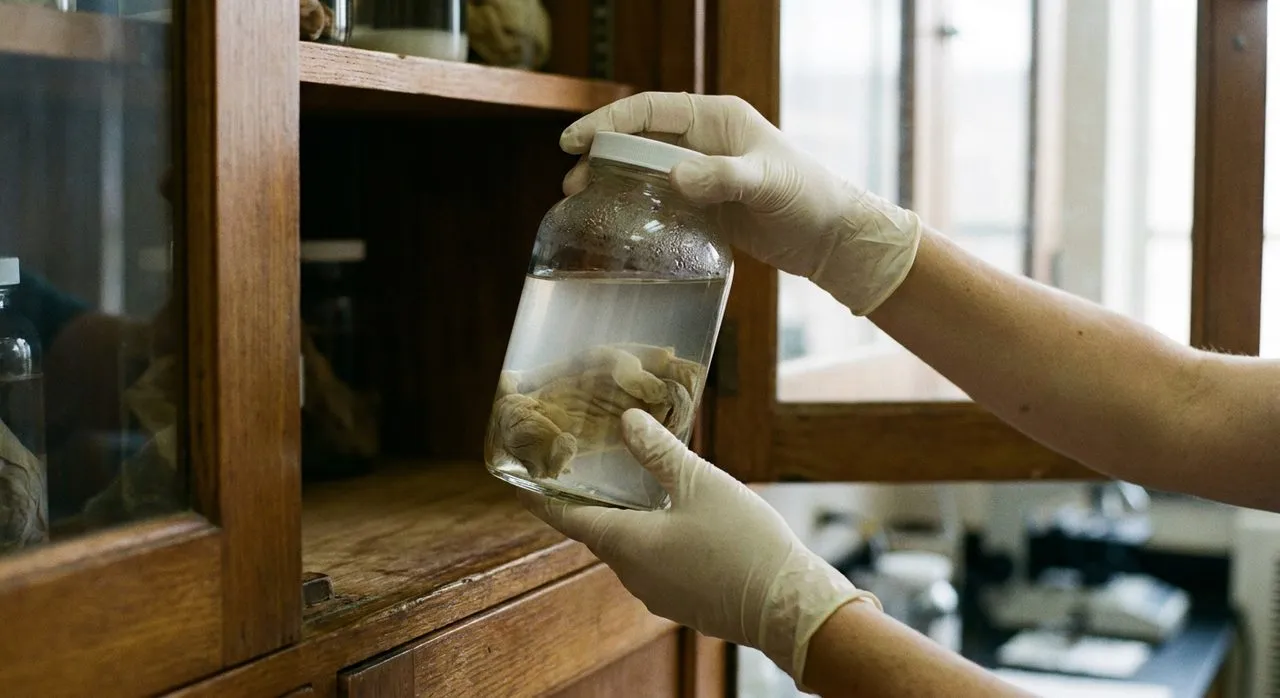
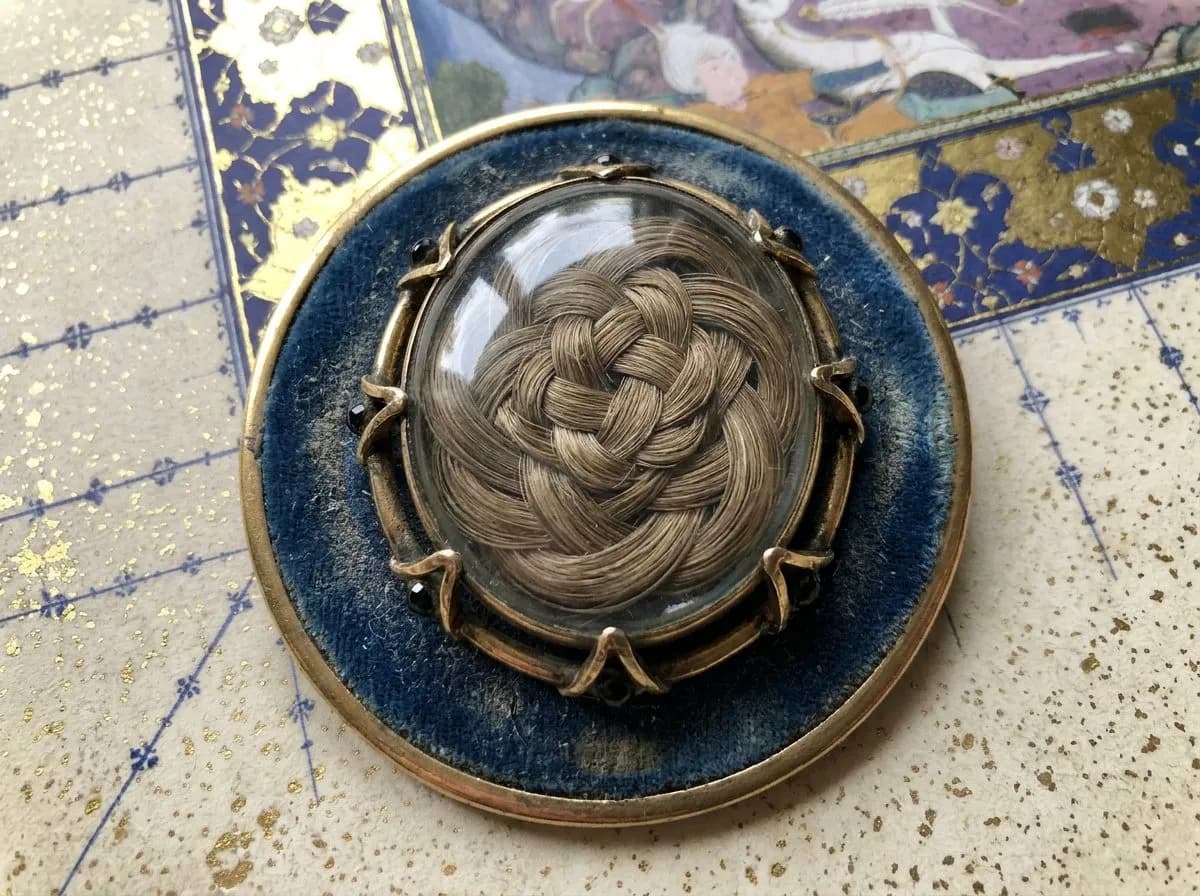
Items in back storage range from four hundred to eight thousand dollars and are not listed online; serious purchase intent is expected for appointment access. The inventory rotates as pieces sell or new acquisitions arrive from European dealers, American estates, or medical university deaccessions. Recent winters have brought in more wet specimens—organs, embryos, parasitic cysts sealed in century-old apothecary jars with hand-lettered labels. Victorian mourning jewelry appears less frequently now, but when it does, the pieces tend toward the elaborate: lockets with woven hair under beveled glass, jet brooches carved with weeping willows, rings inscribed with death dates in micro-script.
Medical instruments dominate the higher end of the price spectrum. A complete trepanation kit in its original mahogany case, velvet inserts intact, might sit at seventy-five hundred. A Civil War field surgeon's bone saw with a carved ebony handle and legible maker's mark could land near five thousand, depending on condition and documentation. Taxidermy runs the gamut: a two-headed duckling under a Victorian dome, a raven with spread wings mounted on driftwood, an anthropomorphic tableau of ermine in Edwardian dress.
The collector demographic
The back cabinet draws a narrow but committed audience. Some are physicians or medical historians building teaching collections. Others are artists mining Victorian visual culture for sculptural inspiration or set-design research. A third cohort collects for private cabinets of curiosity—home libraries where a fetal pig in a jar sits alongside first-edition Darwin and framed nineteenth-century anatomical charts. Zohn can usually read the room within the first five minutes: who's here to buy, who's window-shopping with a vague future intent, and who underestimated the appointment's transactional undertone.
Repeat clients get first word on new arrivals, sometimes via text before an item is even logged. That insider track matters in a market where the best pieces move quickly and provenance can make or break a sale.
Why the private format persists
Public display laws around human remains and certain preserved specimens vary by jurisdiction, and some of Obscura's higher-value items require more context than a floor label can provide. The private appointment model also filters out the morbidly curious from the genuinely committed. Zohn has no interest in shock value for its own sake; he's built a reputation on scholarship, transparency, and respect for the objects' origins.
The format also protects the shop's competitive advantage. High-end oddities dealers operate in a small, interconnected world where inventory intel travels fast. Keeping reserve pieces off Instagram and out of the display cases means Obscura can negotiate directly with collectors rather than fielding lowball offers from resellers who saw a post. It's a quieter, slower mode of commerce, but it aligns with the material culture itself—objects that demand patience, context, and a tolerance for the strange.
Late-2026 context and access
As of late 2026, the back cabinet remains one of the East Village's best-kept insider channels, even as oddities and taxidermy have edged closer to mainstream design. The broader cultural fascination with memento mori aesthetics hasn't diluted the seriousness of Obscura's collector base; if anything, it's made the appointment-only model more necessary. Demand for private sessions has ticked up, so the one-week advance notice is less suggestion than requirement. Expect longer lead times around estate-sale season in spring and early fall, when Zohn's acquisition schedule is heaviest.
The shop itself continues to evolve, but the back cabinet protocol has held steady for years. It's the kind of access that rewards preparation, respect for the material, and a clear sense of what you're willing to spend. For collectors who meet those criteria, the half-hour in that back room offers a rare window into inventory that most passersby will never see—and that's precisely the point.
Practical notes
Obscura Antiques is located at 207 Avenue A (at East 13th Street) in the East Village; the nearest subway is the L at First Avenue or the 6 at Astor Place. Street parking is scarce; plan to walk from the train or use a bike. The shop is open to walk-in traffic most afternoons, but back cabinet appointments are by DM request only via Instagram, scheduled for Tuesday and Thursday afternoons. Verify current hours and appointment availability directly before traveling. The back room is not wheelchair-accessible; the space is narrow and requires navigating a step. Bring gloves if you intend to handle delicate items, though the shop provides them when needed. No photography during private sessions without permission.
Tags: #ObscuraAntiques #TheOddEdit #EastVillageNYC #CabinetOfCuriosities #MedicalAntiques #VictorianMourning #TaxidermyCollectors #MementoMori #PrivateViewing #NYCInsider #CollectorCulture #Winter2026 #CuriosityCollectors #NYCHiddenGems #AntiqueOddities
Sources consulted: Medical Oddities · Victorian Mourning · East Village NYC · MTA Trip Planning · Wet Specimens
All trademarks are the property of their respective owners.