 SoHo Stationery Shop Gift Picker for a New Job Desk
Hidden Gems & Odd Finds
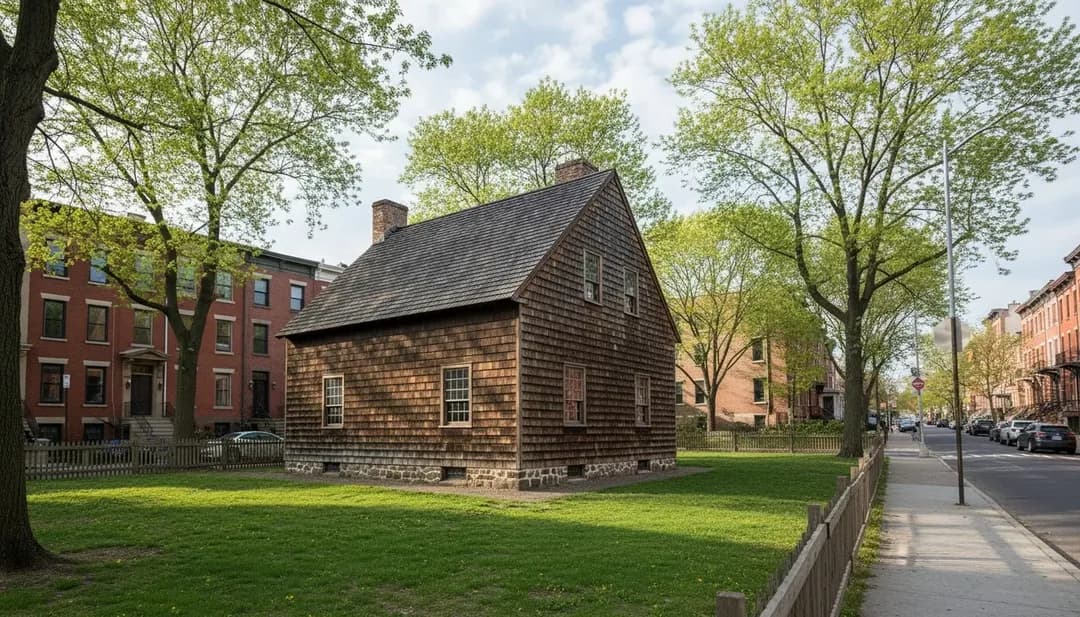
Wyckoff House Museum: Dutch Colonial Heritage Hidden Within Brooklyn’s East Flatbush Street Grid
Discover the Wyckoff House Museum, NYC’s oldest home, a Dutch colonial farmhouse quietly preserved amid Brooklyn’s East Flatbush neighborhood.
Tucked into the bustling street grid of East Flatbush, Brooklyn, the Wyckoff House Museum is a striking historical anomaly. Built around 1652, it is the oldest surviving structure in New York City and State, a tangible remnant of the Dutch colonial era that predates the surrounding urban fabric by centuries.
This wooden farmhouse, with its steeply pitched roof and shingled walls, offers visitors a unique contrast to the modern cityscape. It serves as a living museum that preserves and interprets early colonial life, agriculture, and architecture, making it a hidden gem for those interested in New York’s layered history.
A Dutch Colonial Time Capsule in Modern Brooklyn
The Wyckoff House Museum’s origins date back to circa 1652 when Pieter Claesen Wyckoff, an early Dutch settler, built the original farmhouse. The structure embodies the Flemish Medieval Survival style and Dutch Colonial architectural elements, such as the distinctive steep roof and split Dutch doors. This style is rare in the urban context of Brooklyn today, making the house a remarkable survivor amid the grid of streets and rowhouses that define East Flatbush.
The house remained in the Wyckoff family until 1901, after which it passed through various owners until Wyckoff descendants formed the Wyckoff House & Association in 1937. They repurchased the property in 1961 and donated it to the New York City Department of Parks and Recreation in 1970. The museum opened to the public in 1982 following extensive restoration.
Historic Landmark Status and Preservation
The Wyckoff House was the first structure designated as an individual New York City Landmark in 1965 and was declared a National Historic Landmark in 1967. These designations underscore its significance as the oldest standing building in the city and state, as well as its architectural and historical importance.
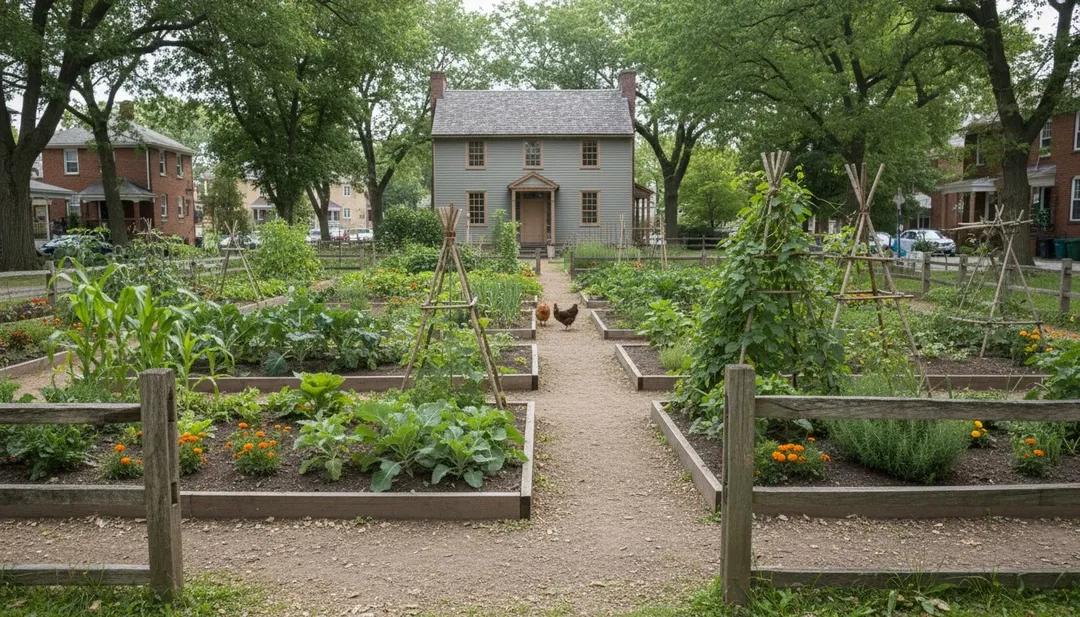
Operated by the Wyckoff House & Association in partnership with the NYC Department of Parks & Recreation, the museum is committed to preserving not only the building but also the surrounding 1.5-acre park. The grounds include a colonial-style kitchen garden that reflects the agricultural practices of the era.
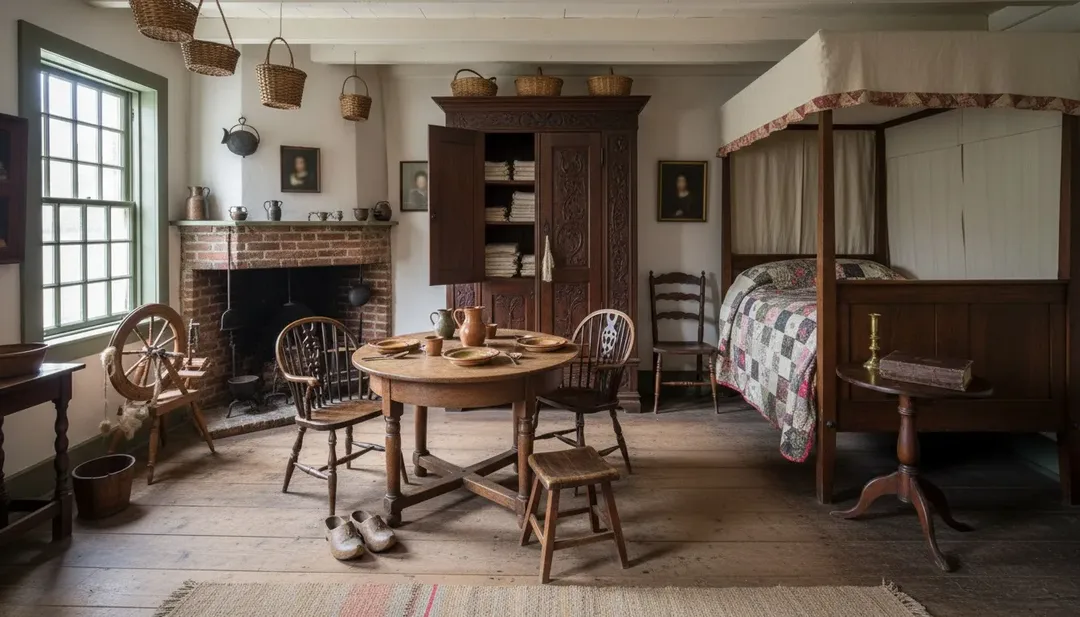
Experiencing Dutch Colonial Life Today
Visitors to the Wyckoff House Museum can explore three furnished period rooms that evoke daily life during the Dutch Colonial era. Guided tours are offered hourly on Saturdays at 11 AM, 12 PM, and 1 PM, providing rich context about the Wyckoff family, architectural evolution, and colonial farming practices.
The museum also hosts farm-based and educational programs that emphasize themes of immigration, family, food, and community, connecting Brooklyn’s diverse present to its colonial past. These programs are designed to engage visitors of all ages and foster a deeper appreciation of the city’s hidden histories.
A Hidden History Amidst the Urban Grid
The Wyckoff House Museum’s location in East Flatbush is particularly striking because it contrasts sharply with the surrounding urban environment. The neighborhood’s dense street grid and modern housing developments make the 17th-century farmhouse appear like a historical island, a tangible reminder of Brooklyn’s rural origins before the city’s explosive growth.
This juxtaposition offers a compelling narrative about the layers of history embedded in New York City’s neighborhoods. The Wyckoff House stands as a quiet testament to the Dutch colonial roots beneath the city’s contemporary streets, inviting visitors to reflect on the passage of time and the evolution of place.
Planning Your Visit
The Wyckoff House Museum is open to the public on Saturdays from 12 PM to 2 PM, with guided tours available hourly during these hours. Visits on Thursdays and Fridays are by appointment only, which can be arranged by contacting the museum via email.
The museum is located at 5816 Clarendon Road, within the Fidler-Wyckoff House Park in Brooklyn. Public transit options include local buses serving East Flatbush, with the nearest subway stations a short bus ride away. Visitors should check the museum’s official website for the latest information on hours, tours, and special events before planning their trip.
Practical notes
- Hours: Saturdays 12 PM - 2 PM; appointments available Thursdays and Fridays by email request
- Admission: Adults $5, Seniors and Students $3, Youth (10-18) $3, Children under 10 free
- Location: 5816 Clarendon Road, Brooklyn, NY 11203, inside Fidler-Wyckoff House Park
- Access: Public transit accessible; nearest subway requires a short bus connection
- Reservations: Recommended for weekday visits; Saturday tours run hourly during open hours
- Official info: https://wyckoffmuseum.org
Tags: #colonial_history_sites #NYC #secret_NYC #local_knowledge #Wyckoff_House_Museum #hidden_gems #things_to_do_in_NYC #New_York_City #Dutch_Colonial_architecture_NYC #oldest_house_in_New_York #Brooklyn_colonial_history #East_Flatbush_historic_sites #New_York_City_landmarks #Dutch_colonial_farmhouse #historic_museums_Brooklyn
All trademarks are the property of their respective owners.
Ask Karpo first
Want to know whether Wyckoff House Museum fits your day, route, and timing? Ask Karpo first for a current NYC plan built around you.
Ask Karpo for more information.
Keep reading
- SoHo Stationery Shop Gift Picker for a New Job Desk
 SoHo Consignment Shop Crawl Planner: Designer Handbag Checks
 Williamsburg Stationery Shop Gift Picker for Office Swaps