 Brooklyn Paints Pottery Painting: Saturday Bed-Stuy Plans
Weekend Plans
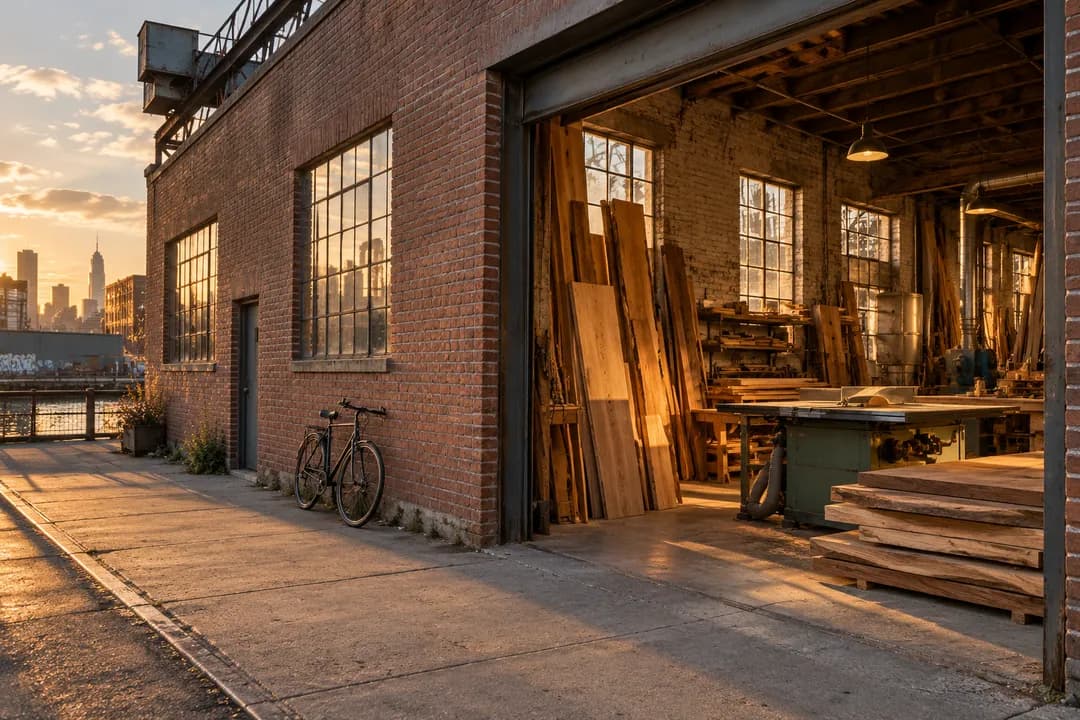
Makeville Woodworking Workshop in Gowanus: Start for $175
Makeville Studio at 125 8th St in Gowanus teaches a Sunday serving board class for $175, tools and materials included. It has been teaching since 2008.
Makeville Studio's cheapest way in is the Wood Shop Basics: Serving Board class, $175 for one Sunday afternoon from 2 to 5 pm, and it is the quickest answer to what a woodworking workshop in Brooklyn costs for a true beginner. The studio is at 125 8th Street in Gowanus, Brooklyn 11215. Tuition is $140 plus a $35 material and equipment fee, and all tools, materials and safety equipment are included. The November Sundays listed are 11/15 and 11/22.
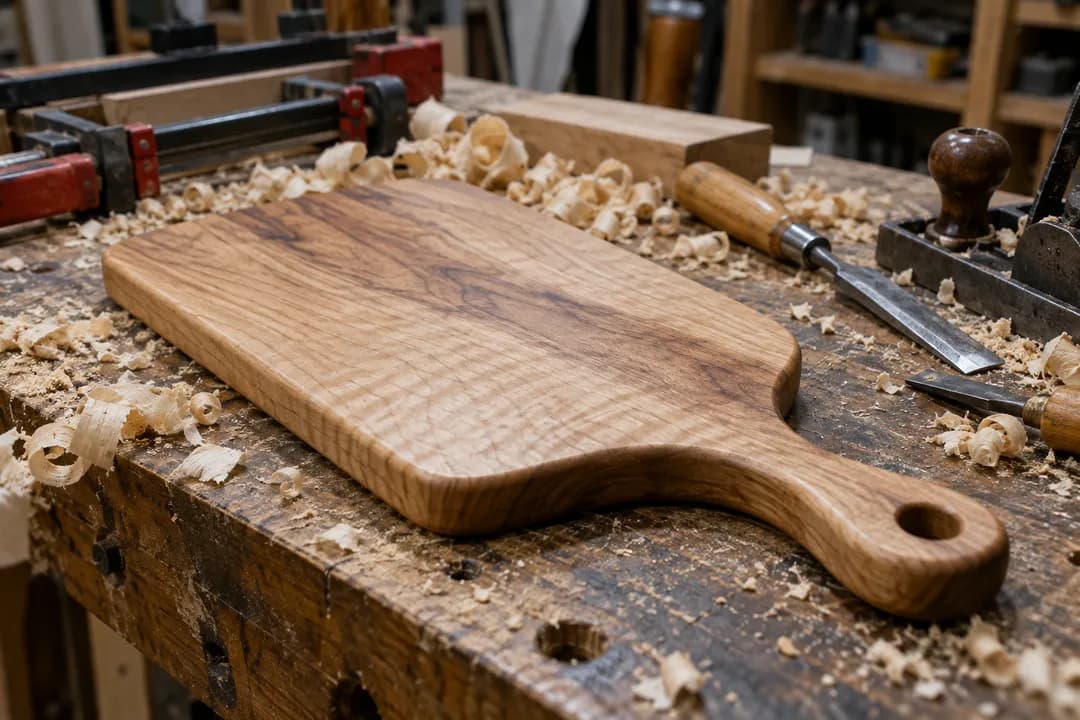
Makeville has been running since 2008 and calls itself NYC's top venue to learn woodworking. What sets it apart from a one-off craft night is that it is a real working shop: a community woodshop with a certification system, shop monitors on duty and lockers by the month, with classes layered on top. You can take a single afternoon or build toward joining as a member who books bench time by the hour.
Start with the serving board or the three-session beginner course
The Serving Board class teaches the miter saw, drill press, band saw and sanders, plus food-safe finishing techniques and how to choose wood for serving pieces. You leave with a personalized hardwood board. It is the right pick if you want a single afternoon and a concrete object, and the studio notes that when it sells out you can take the same class as a private lesson instead.
If you want more depth, Start Woodworking! is $430 as $360 tuition plus a $70 materials and equipment fee. It is three 3-hour sessions designed for complete beginners, covering shop safety, wood physics, material selection and basic joinery. You work on the planer, jointer, table saw and band saw and finish with a cutting board. The November sections are Saturdays 2 to 5 pm from 11/7 to 11/21, or Tuesday through Thursday evenings 7 to 10 pm from 11/10 to 11/12.
The step stool course is the next rung up. Intro to Woodworking: Step Stool is $560, which is $440 tuition and $120 for materials and equipment, over four Saturday sessions from 10 am to 1 pm between 11/7 and 11/28. You build a Shaker-style step stool and learn housed dado joints on the planer, jointer, table saw, router and band saw.
The rest of the class menu
The class list runs well beyond beginner projects. Plant Stand Workshop is $435, Furniture Making: Table is $560 and there is a Women+ version of the table class at the same price. Dovetails By Hand is $485 and Intro to Hand Tools: Mallet is $495. Woodturners have Lathe 101: Learn to Turn! at $495 and Bowl Turning II at $550. Routers 101 Boot Camp is $550, Pro Picture Frames is $560 and Simple Plywood Storage is $455. A Wood Shop Basics: Coat Hangers class runs $195.
Makeville is woman and queer owned, and says everyone should experience working with their hands, especially people not traditionally encouraged into woodworking. Classes labeled Women+ create space for cis women, trans women and femme people. There is also a scholarship fund that gives a recipient up to $500 toward classes every month. Teens aged 15 and up can take adult classes with a parent or guardian's permission.
Becoming a member and using the community shop
Once you can already work safely, the community shop is where Makeville gets unusual. Everyone, whatever their experience, must pass Workshop Certification before using it. The FAQ says you must be intermediate level or above to get certified, and the exam covers the table saw, band saw, miter saw, planer, jointer, drill press, handheld routers, router table and stationary sanders. Out-of-practice makers can brush up with private lessons first.
After certification you reserve time online. Studio time is $15 an hour, with 30-day discounted packages, and the minimum booking is half an hour. Capacity is capped at five people in the main workshop and two in the lathe room, which keeps tools free, and the FAQ says a typical hour has 3 to 5 people in the workshop. You can cancel up to 8 hours ahead for credit. Helpers and friends are not allowed in the shop, and spray finishes are prohibited because the ventilation is limited.
Lathe turning has its own Lathe Certification, and certified turners must bring their own set of lathe tools. Oils, shellac, Danish oil blends and water-based finishes are fine, while lacquer, varnish and large amounts of polyurethane are not. Reclaimed lumber is allowed on a limited selection of tools because hidden nails and staples damage blades. Bring a respirator, since the studio lends eye and ear protection but recommends your own breathing gear.
Hours, getting there and visiting
The community shop is open Tuesday, Wednesday, Friday, Saturday and Sunday from 10 am to 6 pm and Thursday from 10 am to 10 pm. It is closed Monday. Makeville says it is happy to have visitors, as long as you email hello@makeville.com or call (917) 873-5542 beforehand so someone expects you. Holiday closures include New Year's Day, Independence Day, Labor Day, Memorial Day, Thanksgiving and Christmas.
By subway, take the D, F, G, M, N or R train to the 9th St and 4th Ave station, noting that not every train stops there at every time of day. From there the studio is a short walk along 8th Street, between 2nd and 3rd Avenues, in the Gowanus neighborhood beside the canal. Payment is due at registration and the studio takes major cards, checks and cash. Classes fill first come, first served.
The judgment call and the neighborhood
Choose the $175 serving board if you want to find out whether you like the work. Skip the step stool unless you want a full month of Saturday mornings and a $560 commitment. If a class you want is sold out, join the waitlist on the class page, because the studio emails automatically when a seat opens and takes it first come, first served. Missed a session? Makeup lessons are billed at the instructor's private rate, between $55 and $65 an hour.
Gowanus is a quick after-class wander. The canal runs a few blocks away, and Park Slope sits uphill toward Prospect Park, where you can carry your finished piece for a walk before heading home. The studio is a place where sawdust and conversation mix, and members describe a friendly, collaborative community that keeps coming back after the first class.
Ask Karpo for more information.
Keep reading
- Brooklyn Paints Pottery Painting: Saturday Bed-Stuy Plans
 Little Shop Pottery Painting: Upper West Side Walk-Ins
 Color Studio NYC Pottery Painting: $15 Chelsea Tables