 Chelsea Consignment Shop Crawl Planner for Your First Studio
Hidden Gems & Odd Finds
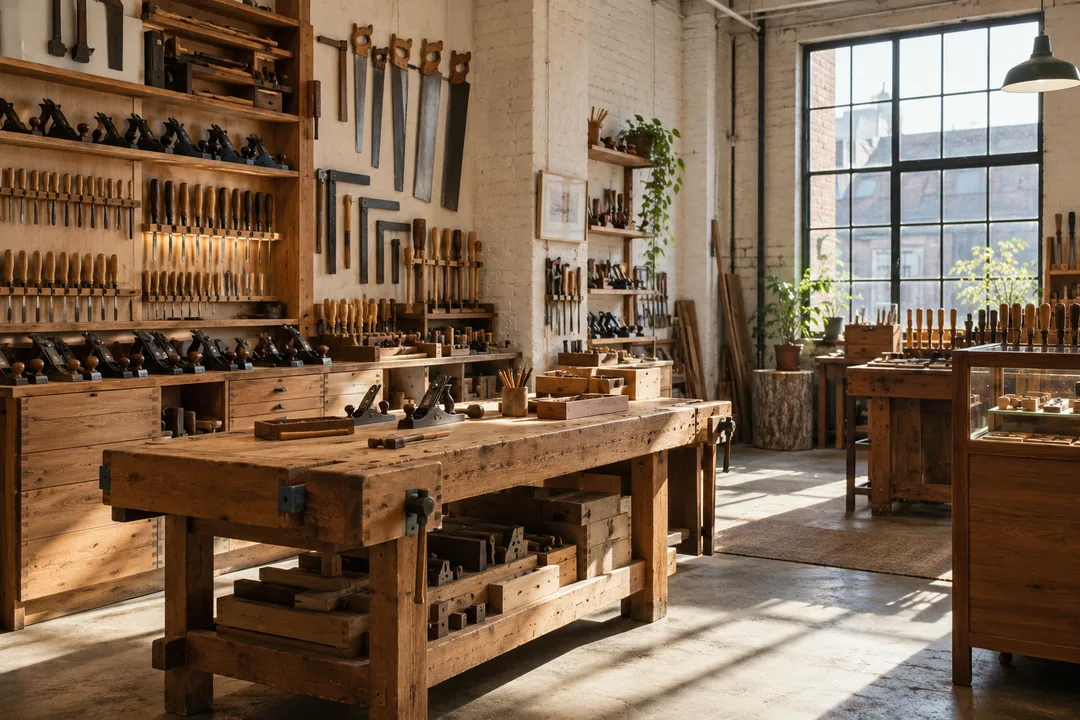
Woodworking Tool Shop Sunset Park: Weekday Hand Tools
Tools for Working Wood at 112 26th Street has a weekday showroom, a workbench for trying tools, and specialist advice for choosing hand tools.
Tools for Working Wood is at 112 26th Street in Sunset Park, and its official contact page describes a small informal showroom inside the Brooklyn warehouse. The useful detail is the workbench: visitors can try most tools instead of judging a plane, saw, or chisel from a product photograph. The contact page lists Monday through Friday from 9:00 am to 5:00 pm and closed weekends.
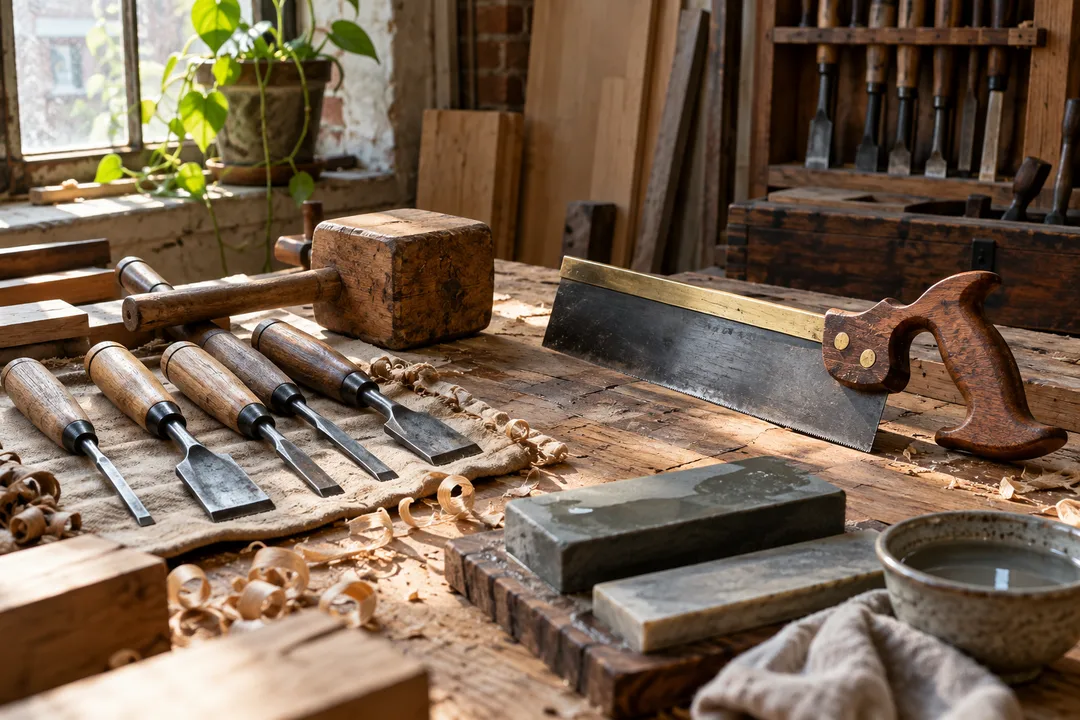
Why this is a woodworking destination
The shop makes sense when your question is not simply which tool is cheapest but which tool will feel right for this cut, edge, or joint. Its catalog is tightly focused on woodworking, with Japanese chisels, hand saws, drill bits, sharpening equipment, Gramercy Tools products, and finishing supplies. The site also publishes practical product notes, so a visit can begin with a short list and end with a better understanding of why two similar tools behave differently.
Start with the workbench
Bring the dimensions and material for the job you actually have. A beginner choosing a chisel can compare handle balance, blade width, and the feel of a mallet strike. Someone replacing a backsaw can think about tooth geometry and the cut required rather than buying a generic fine saw. The workbench turns a specialist shopping trip into a short lesson in fit, pressure, and control. That is more useful than wandering through a large aisle without a project in mind.
The Japanese chisel conversation
Tools for Working Wood explains that many Japanese chisels use a hard steel blade forge-welded to a softer wrought-iron core, while the hollow-ground back helps maintain a flat reference surface during honing. You do not need to memorize steel grades before walking in. The practical questions are what wood you are cutting, how often you sharpen, and whether the tool is for joinery, paring, or general bench work. Those answers point toward a useful size and construction.
What repeat customers are solving
A serious tool shop is often a repair to a workflow, not a shopping spree. One woodworker may need a better way to hold a saw during filing. Another may be rebuilding a sharpening station after a move. A third may want one reliable marking tool instead of a drawer full of nearly-right substitutes. Describe the failure you are seeing: tear-out, a drifting cut, a bruised edge, or a blade that never feels stable. The staff can respond to the problem rather than a vague wish.
A rule for buying less
Do not treat the showroom like a place where every attractive hand tool deserves a home. Buy the tool that removes a specific bottleneck, and leave a second choice for later. The company’s return policy says it guarantees what it sells and allows returns up to six months in many cases, with exceptions for consumables and certain categories. That is helpful, but the better habit is still to leave with a clear task, chosen size, and reason for the purchase.
Timing the visit
The weekday schedule changes the character of the trip. A morning visit gives you time to ask questions before a workday gets crowded; late afternoon works if you already know the product and only need to compare one or two options. Because the showroom is attached to a warehouse rather than presented as a large retail floor, call before a special cross-borough trip if your list depends on one exact item. The official page is clear about weekday hours and weekend closure.
Sunset Park after the tools
The neighborhood makes the visit easy to turn into a half-day. Walk toward Sunset Park for the elevated Manhattan and harbor view, then continue along the industrial edge toward Industry City for a change of scale from tool benches to large Brooklyn warehouse buildings. The contrast is part of the appeal: you start with small decisions about grain and edge geometry, then step outside into a neighborhood shaped by shipping, fabrication, and working infrastructure.
Who should skip it
Skip this stop if you want a big-box aisle, instant Saturday pickup, or a general household fix with no interest in woodworking technique. The showroom is small and specialist by design. It is a better match for someone comparing hand tools, learning how a chisel is made, selecting sharpening equipment, or looking for equipment that will be used repeatedly. The experience rewards preparation and patience more than a rushed request for something vaguely described as a wood tool.
Plan a first list
Write down the operation before the product: chopping a mortise, trimming a shoulder, marking a line, drilling a clean hole, flattening a board, or sharpening an existing edge. Add the wood species and the tools already owned. That list gives the staff something concrete to respond to and stops the visit becoming a vague tour of premium objects. If you are buying for a class or a small apartment bench, say so; the right answer may be a compact setup.
Practical notes
Tools for Working Wood is at 112 26th Street, Brooklyn, NY 11232. The official contact page lists Monday through Friday, 9:00 am to 5:00 pm, and closed weekends. The store’s directions place the showroom near the 25th Street R train stop. Bring a short project brief, not just a brand name, and remember that a small specialist showroom is easier to use when you know the operation you need to perform.
A better question at the counter
Ask what the tool changes in your hand position, not only what material it cuts. That answer often reveals whether you need more control, a sharper edge, a different width, or simply more practice. The showroom is valuable because those distinctions can be discussed beside the actual tools, with the project still fresh in your mind.
The honest verdict
For a New Yorker searching for a woodworking tool shop, this is the specialist stop that makes the most sense when touch and explanation matter. The workbench, Japanese-tool knowledge, Gramercy line, and focused product documentation give the trip a purpose beyond browsing. Go on a weekday, keep the list narrow, and use the showroom to test the decision you are about to make. Sunset Park then supplies the slower walk that a careful tool choice deserves.
Ask Karpo for more information.
Keep reading
- Chelsea Consignment Shop Crawl Planner for Your First Studio
 East Village Consignment Shop Crawl Planner: Leather Jackets
 Harlem Consignment Shop Crawl Planner for a Jazz Night Look