 Chelsea Consignment Shop Crawl Planner for Your First Studio
Hidden Gems & Odd Finds
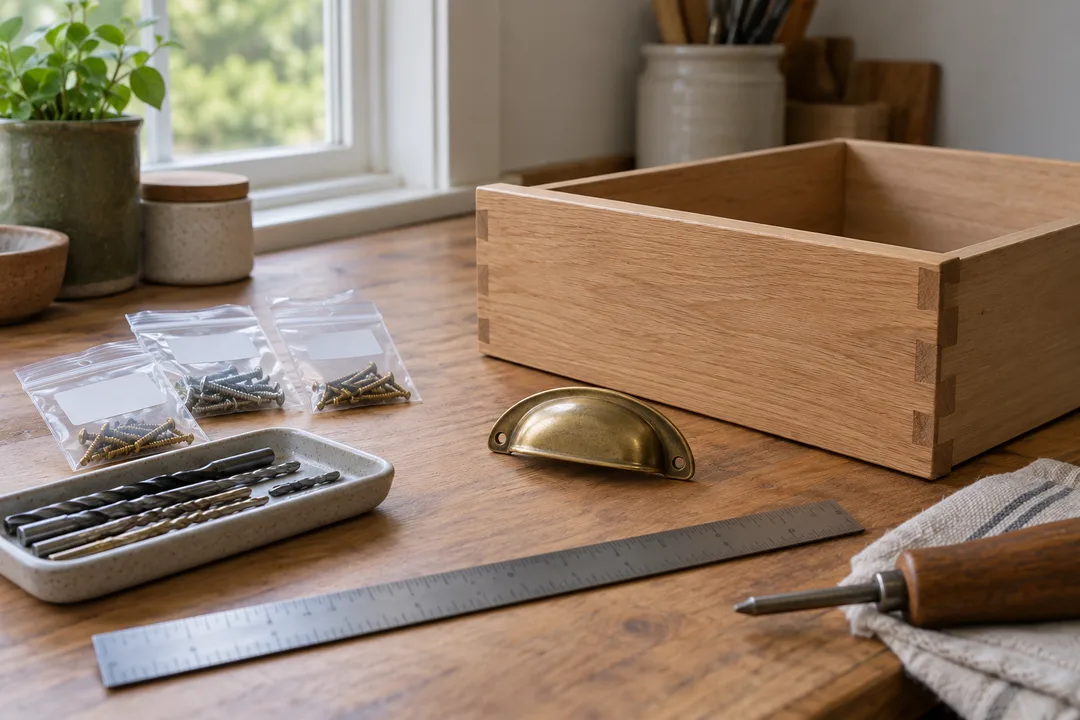
NYC Woodworking Tool Shop: 4 Lists for Missing Parts
Sort a NYC woodworking tool shop errand into four lists for equipment, replacement parts, consumables and services so one repair stays focused.
For an unfinished NYC woodworking project, the most useful tool shop list separates four things: reusable tools, replacement parts, consumables and services. A missing hinge screw should not trigger the same shopping trip as a board that needs cutting. Sort the problem before choosing a destination. You can ask the Karpo APP for nearby shopping suggestions from your starting neighborhood, then compare those suggestions against the specific gap in your build. The aim is to finish one repair without bringing home a second project.
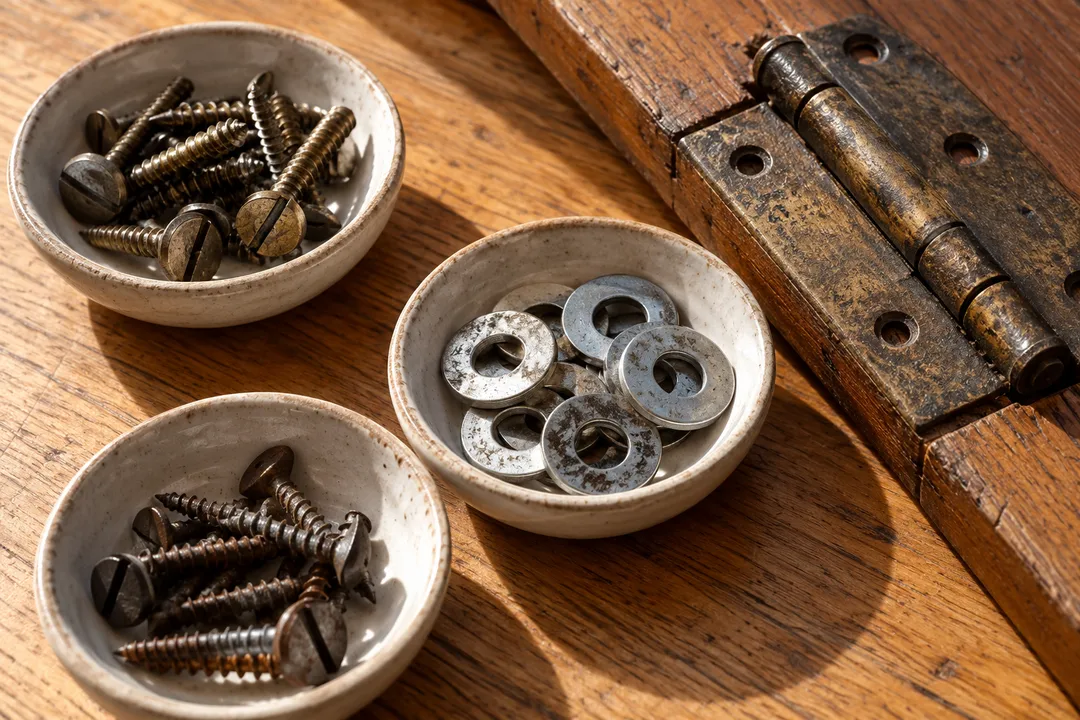
First list: equipment that stays after the job
Reusable equipment includes the items that will remain useful when this repair is complete. Identify the operation rather than guessing the product category from the appearance of the damaged piece. A drawer that sticks might need an adjustment, a replacement fitting or a change to the wood. Those possibilities lead to different purchases. Write down what moves, what catches and what changed before the problem began. That description gives a retailer more to work with than a request for a stronger tool.
Keep what you already own visible on the sheet. Include the attachment or bit as well as the main tool, because compatibility often sits in that smaller detail. A drill without a suitable bit does not solve the same problem as a complete setup. When a product is recommended, record its exact model and the specification relevant to your task. Do not buy a second version merely because its packaging looks more professional. A purchase earns its place by solving an identified problem your present equipment cannot handle.
Second list: parts that must fit something existing
Replacement hardware needs a description of its relationship to the furniture. Record the location, the material it connects and the important dimensions. A drawer pull involves mounting points and clearance. A hinge involves how the door moves as well as how it attaches. Photograph the installed part before removing anything, then take several views of the loose piece if removal is appropriate. Keep matching pieces together so the comparison does not become a memory exercise at the counter.
Do not assume that a similar-looking fastener is interchangeable. Thread, length, head shape and the material being joined can all matter. Carry a labeled sample when practical, protected so it does not damage a bag or injure someone reaching inside. Describe any uncertainty to the person helping you instead of turning a guessed measurement into a firm specification. For a structural or otherwise consequential repair, obtain qualified advice appropriate to the object. A visual match alone is a poor basis for deciding whether a replacement is suitable.
Third list: supplies that get used up
Consumables can quietly create repeat trips because they seem less important than the tool. List the abrasive, adhesive, finish or other supply required by the planned operation. Record the product already used on the object when you know it. If you do not know, explain that uncertainty rather than naming the first finish that comes to mind. Product instructions matter here: suitability, preparation, application and storage belong to the specific material and manufacturer, not to a universal shortcut from a shopping article.
Think about the smallest complete quantity for the project. A larger container is not automatically better value if you cannot store it correctly or use it within the manufacturer's stated conditions. Keep incompatible alternatives separate in your notes until you have a reason to choose one. Do not combine a shopping recommendation with an improvised mixing experiment. For a small apartment repair, reducing the number of products can make cleanup and storage simpler as well as make the receipt easier to understand.
Fourth list: work that you may need someone else to do
Some gaps are services rather than objects. Cutting material, preparing an edge or carrying out a specialist repair can call for different facilities and skills. Write the service as a question, with the material, dimensions and intended result attached. Do not treat every hardware listing as evidence that the shop performs that work. A retailer's published service description is more relevant than a broad category label, and any specific agreement belongs between you and the provider.
Ask what information the provider needs before you carry a large object across NYC. If the job requires a drawing, a sample or disassembly, those requirements change the errand. Keep the planned service separate from the replacement-parts list so you can decide whether the same destination actually makes sense. Sometimes the more efficient choice is to obtain the service first and buy the fitting afterward, once the final dimensions are settled. The order should follow the repair rather than the order in which search results appear.
Build an errand around the unresolved item
Choose the item most likely to stop progress and make it the anchor of the trip. A generic supply can often wait until the unusual fitting has been identified. Start a Karpo request with your neighborhood and describe the type of shopping help you need. Then use your four lists to assess the suggested places. Specialist equipment, common hardware and a cutting service are separate requirements. A destination is useful when it addresses your requirement, even if another store looks closer on a map.
Plan a fallback that preserves the project rather than forcing a substitute. If the correct part remains unresolved, leave that line unfinished and complete an independent preparation task instead. Skip the nearly matching hinge when its movement or mounting pattern is uncertain. The extra purchase can create new holes, new damage and another return errand. A productive trip can consist of identifying the specification and buying only the consumables whose suitability is already established. Progress does not have to mean carrying a full bag home.
Practical Notes: make the return trip optional
Pack the sample, photos, measurements and written questions in a way that makes them easy to show together. Keep the sample separate from newly purchased pieces until you have recorded which is which. Save the receipt and the product's packaging information. Write down any selection advice in the context of the actual material and task. Back at the project, compare the purchase against the list before beginning work, and follow the relevant instructions for using the item safely.
Your finished shopping note should contain four short lists with clear statuses: already owned, selected, still unresolved or a service to discuss. These are your own planning categories, not an inventory feed. Karpo supplies a conversational starting point for finding places around the city, while the specification work keeps the errand connected to the repair. When the uncertain part has a precise description, the next shop conversation becomes shorter and the chance of buying an unrelated tool becomes smaller.
Ask Karpo for more information.
Keep reading
- Chelsea Consignment Shop Crawl Planner for Your First Studio
 East Village Consignment Shop Crawl Planner: Leather Jackets
 Harlem Consignment Shop Crawl Planner for a Jazz Night Look