 Chelsea Consignment Shop Crawl Planner for Your First Studio
Hidden Gems & Odd Finds
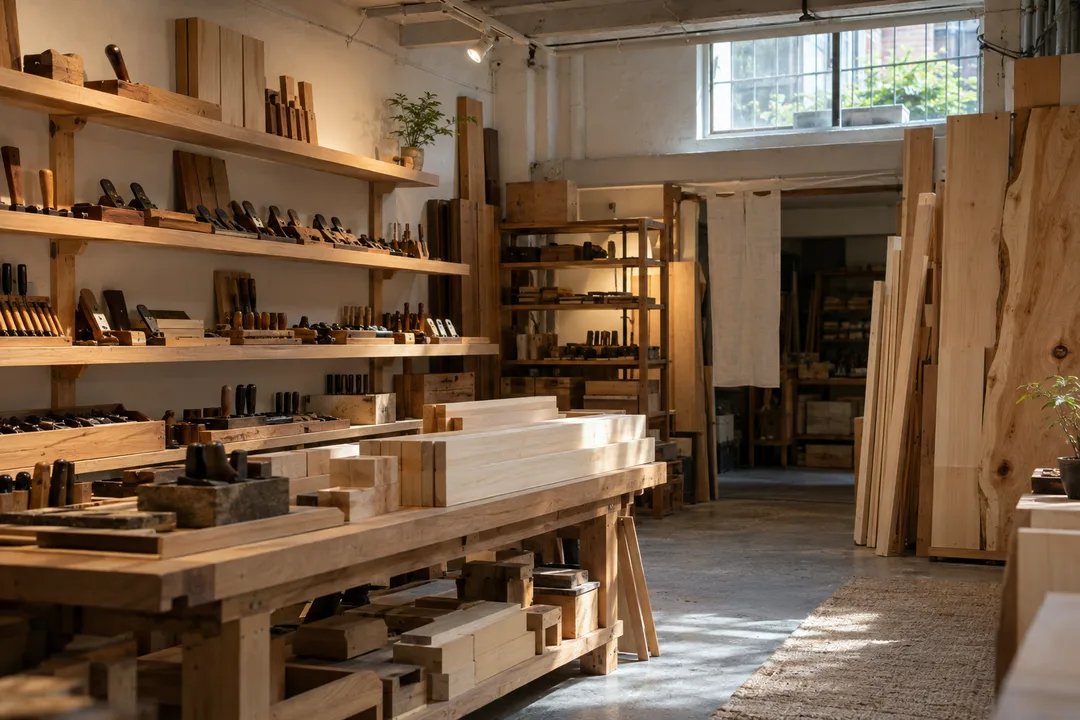
Nihonsan Woodworking Tool Shop: Sunday Japanese Hand Tools
Nihonsan at 300 Seventh Street sells Japanese woodworking hand tools and hardware, with Sunday hours and a small community built around learning.
Nihonsan is at Brooklyn Beauty Fashion Labo, Lower Level, 300 Seventh Street between Fourth and Fifth Avenues in Brooklyn, NY 11215. Its official about page describes one of the few brick-and-mortar shops in the United States focused solely on Japanese woodworking hand tools and hardware. Posted hours are Sunday 12:00 pm to 5:00 pm, Tuesday through Thursday 12:00 pm to 5:00 pm, Friday 11:00 am to 6:00 pm, Saturday 12:00 pm to 5:00 pm, and closed Monday, with Saturday appointments also available.
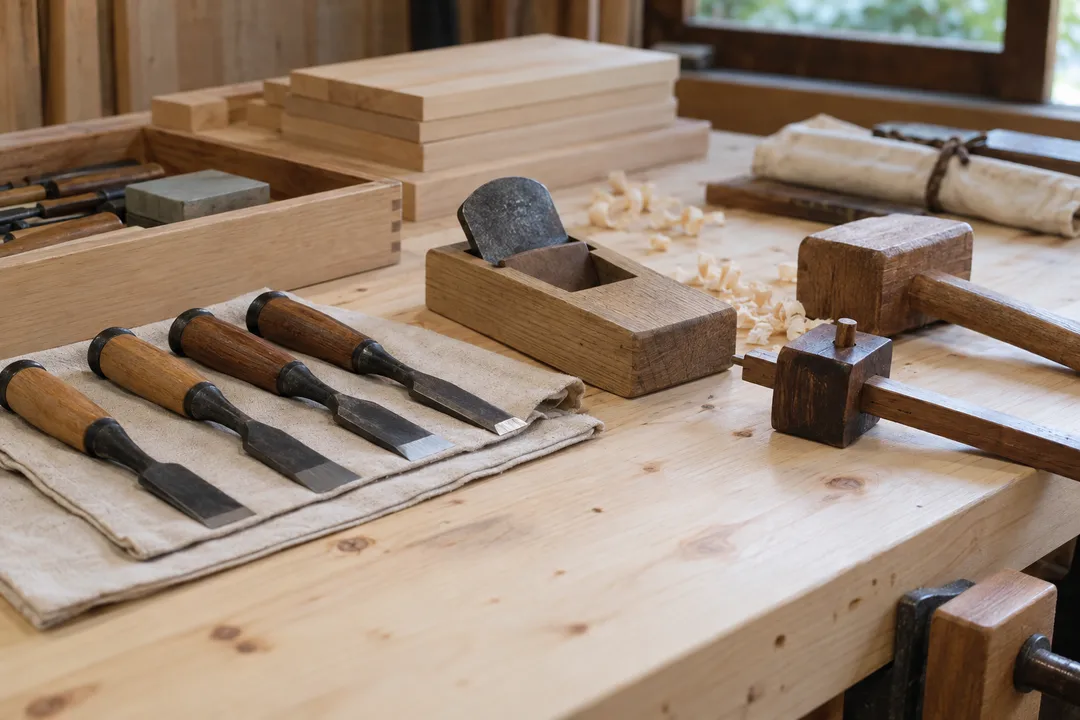
What makes Nihonsan different
The store is not trying to be a general hardware counter. Its offer is Japanese woodworking hand tools, beginner kits, Hinoki lumber from Japan, classes, and the knowledge to help a visitor understand how the tools fit together. The official description also says that if the shop does not have what you want, the team can probably point you in the right direction. That makes the visit valuable for a beginner who needs a starting system, not just a single beautiful object.
The Joe Samalin connection
Nihonsan says it was conceived by Joe Samalin with help from Shuya Iida of Hachi Collections, and it presents a community of makers and partners around the shop. The story matters because the store is more than a retail shelf. It grew from people who practice, teach, and discuss Japanese woodworking traditions. A visitor can feel the difference in the questions the shop invites: how will the tool be used, what kind of work are you learning, and what level of maintenance are you ready to take on?
Begin with the kit logic
If you are new to Japanese tools, do not begin by chasing the most exotic blade. Begin with operations you want to learn: marking, sawing, paring, chopping, and smoothing. Nihonsan’s beginner kits give the conversation a useful frame because they treat tools as a small working language rather than an unconnected collection. Ask how the pieces relate, what needs sharpening, and which tool is forgiving enough to learn with. The best first purchase makes practice easier, not the bench intimidating.
Why Hinoki belongs in the story
Hinoki is not merely decorative here. The official description specifically mentions Hinoki lumber from Japan, giving visitors a chance to think about the relationship between a tool and the wood it meets. A softer aromatic board can make a first exercise feel different from a dense hardwood project. Even if you do not buy lumber, handling it helps explain why Japanese woodworking instruction pays attention to grain direction, edge geometry, body position, and the pace of a cut.
Compare tools patiently
Hold one tool, then another, and ask what changes: balance, handle shape, blade width, projection, and control. A Japanese hand tool is not automatically easier because it is beautifully made. It rewards technique, sharpening, and a willingness to slow down. The staff and community around Nihonsan are most helpful when you arrive ready to learn a process. Bring a question about a joint or cut, not only a screenshot of a product seen online.
The hours shape the experience
Friday is the longest regular opening, from 11:00 am to 6:00 pm, while Sunday gives the weekend visitor a 12:00 pm to 5:00 pm window. Monday is closed. Saturday appointments are also listed, which matters if your visit is built around a specific lesson or detailed tool conversation. The store is small and community-oriented, so planning the time is part of the etiquette. A quiet visit is better than rushing in with a dozen unrelated questions.
A Park Slope walk after the bench
From Seventh Street, walk through the brownstone blocks toward Prospect Park or continue along neighborhood shops and cafés. The route is a natural extension because Park Slope makes craft feel domestic: wood doors, stoops, built-ins, shelves, and repairs are close to eye level. You do not need a formal attraction list. A slow block-by-block walk gives the tools somewhere to land in your imagination, from a new joint to a better way to maintain an old piece of furniture.
What to skip
Skip Nihonsan if you need a generic box of screws, a large power tool, or a same-day building-supply run. A general hardware store will be faster. Choose it when Japanese woodworking is the point: hand tools, traditional methods, beginner guidance, Hinoki, or the relationship between classes and practice. The distinction is helpful because the shop’s value is depth and community, not the widest possible inventory. It is a destination for learning, not every hardware errand.
A first-visit conversation
Tell the staff whether you are a beginner, furniture maker, repairer, or someone returning to a tool tradition after years away. Explain project scale and where you work. An apartment bench, shared studio, and full shop have different constraints. Then ask what maintenance the tool expects. Japanese woodworking rewards care, and the right purchase includes the sharpening habit, storage plan, and practice material that will keep it useful after the first impressive day.
Practical notes
Nihonsan is at Brooklyn Beauty Fashion Labo, Lower Level, 300 Seventh Street, Brooklyn, NY 11215. Regular hours are Sunday 12:00 pm to 5:00 pm, Tuesday through Thursday 12:00 pm to 5:00 pm, Friday 11:00 am to 6:00 pm, Saturday 12:00 pm to 5:00 pm plus appointments, and Monday closed. The shop focuses on Japanese woodworking hand tools, hardware, beginner kits, classes, and Hinoki lumber.
Leave with a practice plan
A new hand tool should leave the store with a first exercise attached to it. Choose a small piece of softwood, one joint, and a short sharpening routine. That plan makes the purchase useful immediately and gives you a way to notice what needs adjustment. Nihonsan’s community focus makes this kind of practical follow-through feel more natural than buying a tool and leaving it boxed.
The honest verdict
Nihonsan is the most focused answer in this NYC woodworking tool shop group. Its small Park Slope setting, Japanese hand-tool specialization, beginner kits, Hinoki lumber, classes, and community story give the visit a clear purpose. Go when you want to learn why a tool works, not merely buy a tool that looks beautiful. Leave room for practice, a neighborhood walk, and the slower attention that good hand-tool work requires.
Ask Karpo for more information.
Keep reading
- Chelsea Consignment Shop Crawl Planner for Your First Studio
 East Village Consignment Shop Crawl Planner: Leather Jackets
 Harlem Consignment Shop Crawl Planner for a Jazz Night Look