 Chelsea Consignment Shop Crawl Planner for Your First Studio
Hidden Gems & Odd Finds
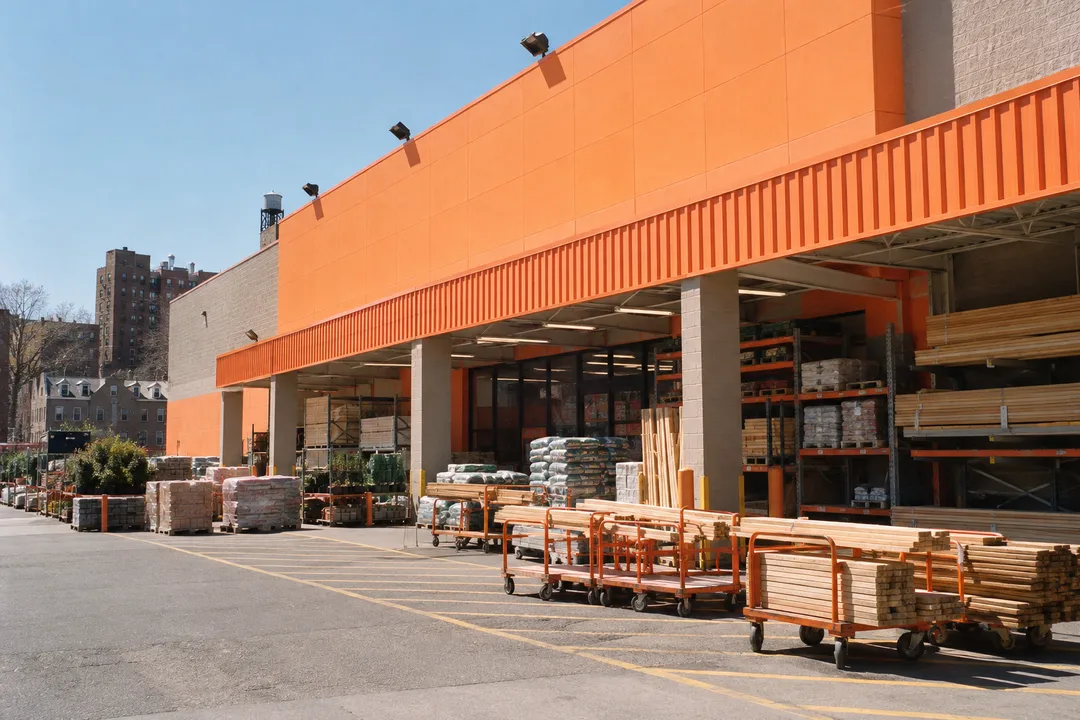
Woodworking Tool Shop in Brooklyn: Court Street Tools
Home Depot at 579 Court Street in Brooklyn is a practical woodworking tool shop stop for saws, drills, fasteners, clamps, and workshop basics.
When a woodworking project needs several categories at once, the Home Depot at 579 Court Street, Brooklyn, NY 11231, is a practical woodworking tool shop stop. It is suited to the broad middle of a project: a saw or drill, clamps, fasteners, sandpaper, storage, and the workshop basics that disappear from a checklist once the cutting begins. The value is range and convenience, especially when your job is moving from a sketch to a functional repair.
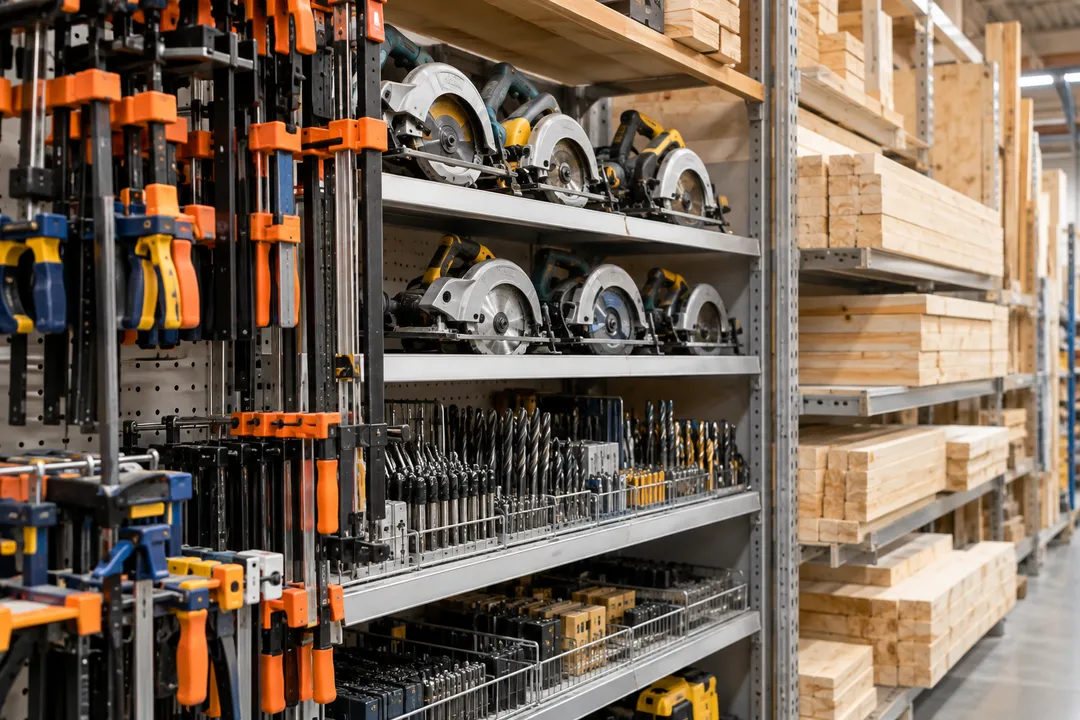
A useful big-box tool stop
This is not the place to approach like a quiet hand-tool showroom. Think of it as a project-routing stop where you can compare tool families and gather the consumables around them. A cabinet repair may need a drill bit, screws, a level, shims, and a sanding block; a small bench may need clamps, a circular saw setup, and protective gear. Group the list before you walk in so the large store feels manageable.
Finding the Court Street location
The Court Street address puts the store into a dense Brooklyn walking and transit area, close to the Carroll Gardens and Cobble Hill edge. Use 579 Court Street as the map anchor and plan for an in-and-out trip if you are carrying a tool. The surrounding blocks are good for a short materials-minded walk, with old row houses, small storefronts, and the kind of repair details that often inspire the next project.
Build the visit around a short project sequence: locate the cutting tool first, then collect measuring tools, fasteners, abrasives, and safety supplies in the same pass. That order keeps a broad Court Street aisle useful for a real build instead of a loose browse. The store suits a complete materials run; specialist hand planes and sharpening questions belong at a dedicated woodworking retailer.
How to build a woodworking cart
Start with the cut. Decide whether the job calls for a handsaw, circular saw, jigsaw, or another tool family, then choose the blade or accessory that matches the material. Add measuring and marking tools next, because a good cut begins with a clear line. Clamps and a stable work surface follow; they are often the difference between a controlled cut and a frustrating one.
Finish with the small items that keep the project moving: screws, anchors, sandpaper, replacement blades, dust masks, and a way to store the tool. A general home-improvement aisle makes these connections visible, but only if you shop from a written list. If a tool is new to you, compare the grip, adjustment, cord or battery system, and the accessory ecosystem before choosing the package that looks cheapest.
Timing, lines, and store manners
Big-box shopping is easiest when you separate research from pickup. Use a first pass to compare tool families and read the package details, then make a second pass for the consumables. If the service desk is busy, keep a photo of the product label and ask a concise question rather than holding a place in line while you rethink the entire project. A clear list helps other shoppers and makes the trip faster.
For a weekend project, go before the day’s repair rush if possible. Bring the old fastener or a measured sample, not just a verbal description. Ask about compatibility—blade size, shank type, battery platform, screw length—before you leave. The most useful woodworking tool shop visit is one that gets you home with a complete, compatible set rather than a single impressive tool and three missing accessories.
A Court Street materials detour
The store’s Brooklyn setting makes a short neighborhood loop easy. Walk along Court Street and the nearby residential blocks to look at old trim, doors, stoops, and repair details. Those observations can turn a generic hardware run into a more specific project idea. If you have bought only light supplies, continue toward Carroll Gardens for coffee or a meal; if you have a long tool box, keep the walk short and head home while the hardware is organized.
The practical neighborhood lesson is that woodworking connects to ordinary maintenance. A loose cabinet hinge, a damaged shelf, or a sticky door often needs the same combination of measurement, cutting, fastening, and finishing that a larger build does. That is why a broad store can belong in a woodworking tool shop guide: it supports the small, unglamorous steps that keep a project alive between bigger workshop sessions.
Practical notes
Home Depot’s Brooklyn location for this guide is 579 Court Street, Brooklyn, NY 11231. Use the address to plan the visit and keep the trip centered on confirmed categories: saws, drills, clamps, fasteners, sanding supplies, storage, and workshop basics. This guide does not add unverified store hours, phone numbers, or prices.
Bring a written cut list, dimensions, and a sample fastener if you are replacing hardware. Shop from the tool outward, then add the blade, bit, clamp, abrasive, and safety item that make the tool usable. The Court Street store works best when you need a complete project basket in one Brooklyn stop; for specialized hand planes or sharpening advice, pair the errand with a specialist visit elsewhere rather than expecting a big-box aisle to answer every question. A broad store also rewards a second check before checkout. Compare the tool’s size with the workbench, confirm that the blade or bit fits, and choose eye and hearing protection with the same care as the saw or drill. If the project is large, split the pickup into manageable loads so the Court Street errand stays practical on the trip home.
A dependable shopping rhythm is to buy consumables in pairs when a project has a deadline: one active pack and one backup of the blade, bit, abrasive, or fastener you know will run out. Keep the receipt and package details together until the tool has completed its first real job. That small habit makes a broad store easier to use for repeat repairs.
If you are starting from zero, do not confuse a long aisle with a complete workshop. A square, tape, clamps, stable support, and safe eye protection may matter before a second power tool. Building in that order keeps the Court Street trip focused and helps a beginner learn which equipment is worth upgrading later.
Ask Karpo for more information.
Keep reading
- Chelsea Consignment Shop Crawl Planner for Your First Studio
 East Village Consignment Shop Crawl Planner: Leather Jackets
 Harlem Consignment Shop Crawl Planner for a Jazz Night Look