 Chelsea Consignment Shop Crawl Planner for Your First Studio
Hidden Gems & Odd Finds
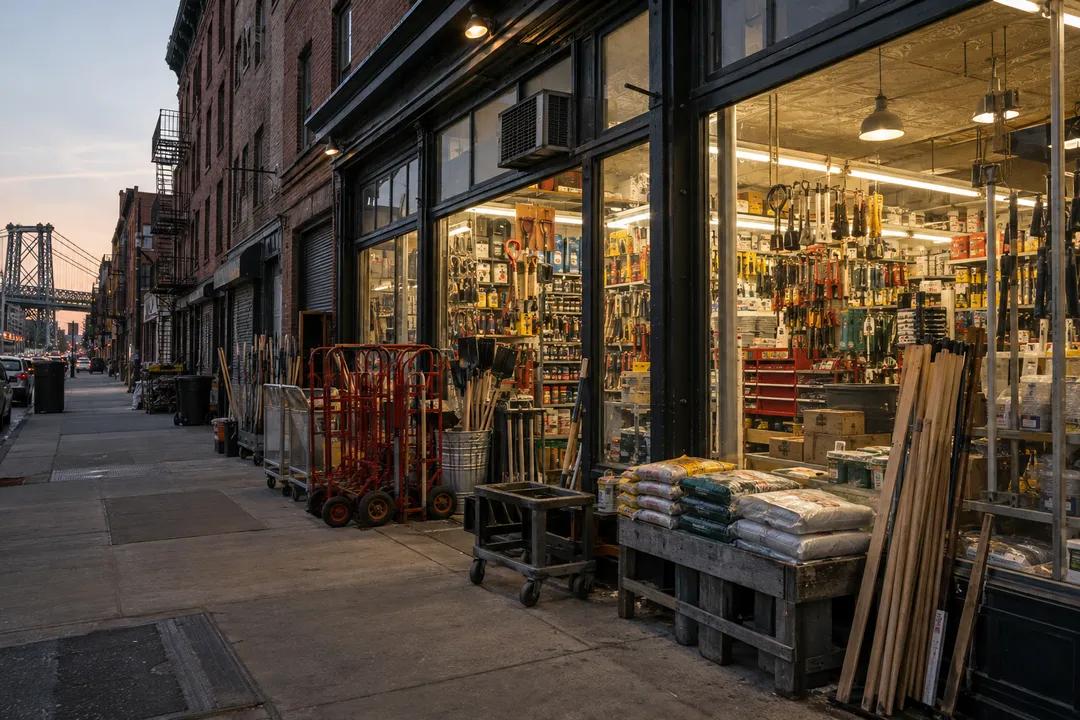
Woodworking Tool Shop in Brooklyn: Hamilton Avenue Tools
Harbor Freight Tools at 435 Hamilton Avenue in Brooklyn is a practical woodworking tool shop stop for clamps, hand tools, power tools, and shop supplies.
Harbor Freight Tools at 435 Hamilton Avenue, Brooklyn, NY 11232, fits a woodworking tool shop search when the project calls for practical equipment and shop supplies in one stop. The store is useful for comparing hand tools, clamps, power-tool accessories, storage, and the everyday items that keep a workshop running. It is a different proposition from a specialist hand-tool showroom: the goal is to assemble a workable setup without making every purchase a museum piece.
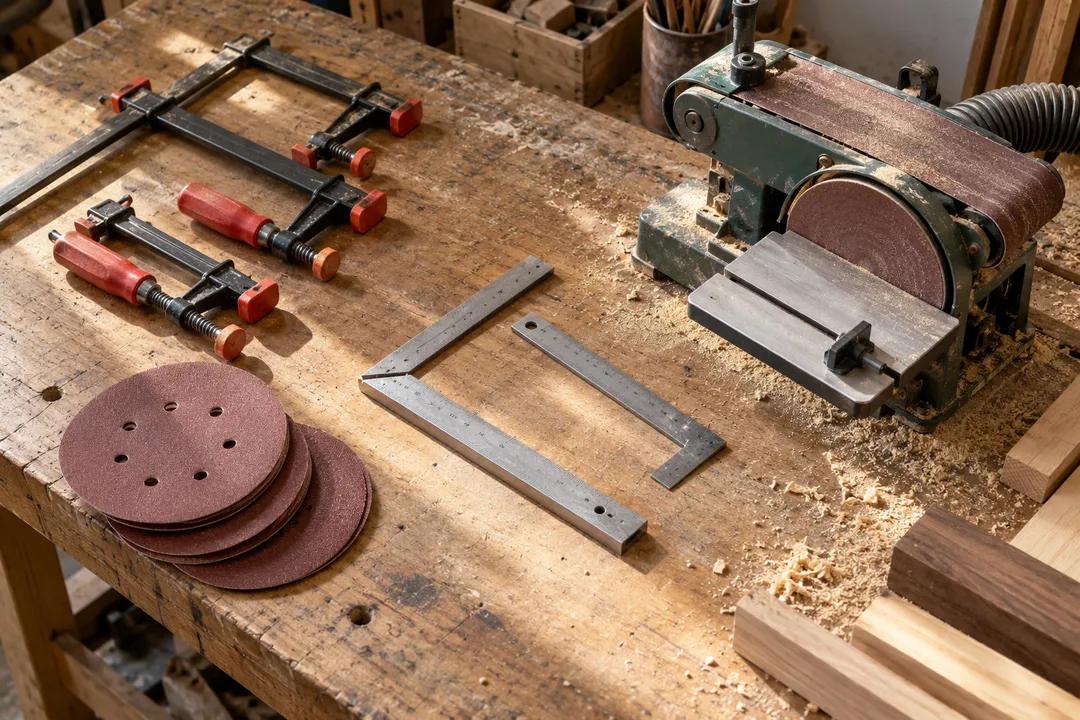
A practical tool comparison stop
Treat the visit as a comparison exercise. Write the job first—holding a panel, drilling a pilot hole, trimming a board, moving a heavy piece—then choose the tool family that answers it. Clamps, sawhorses, measuring tools, and storage often determine whether a project feels controlled. A woodworking tool shop guide should include those supporting pieces because they are where many first-time builds stall.
Using 435 Hamilton Avenue as your anchor
The Hamilton Avenue address places the store in Brooklyn’s industrial waterfront belt, where a car or ride-share can be more convenient than a long walk with a bulky tool. Use 435 Hamilton Avenue, Brooklyn, NY 11232 as the map point, and plan your route before buying anything large. The surrounding streets have a working, warehouse character that makes a short observation loop more interesting than a generic shopping-center detour.
Plan the Hamilton Avenue stop around the job rather than a brand list. Write down the workpiece dimensions, fastener or bit sizes, and whether the tool must cut, hold, drill, or organize. Start with the primary tool, then add its consumables, clamps, storage, and safety gear. That checklist turns a broad Harbor Freight visit into a controlled comparison.
The categories worth comparing
Start with clamps and work-holding. A board that moves during a cut creates more problems than a modest saw ever will, and a small collection of bar clamps, spring clamps, or specialty clamps can transform a temporary setup. Next compare hand tools and power-tool accessories by the task: driver bits for repeated fastening, blades for the material, and measuring tools that make repeatable marks.
Storage is another practical category. Bins, cases, and organizers keep blades, bits, sandpaper, and fasteners from disappearing into a drawer. If you are building a compact Brooklyn workshop, measure the shelf or bench before choosing a case. A broad tool store rewards this kind of preparation because many options look similar until the dimensions, load, and accessory fit are written down together.
How to browse efficiently
The easiest way to avoid a slow line is to arrive with the product family narrowed down. Compare two or three options, read the accessory and safety notes, and move on. If you need help, ask a precise question about compatibility or capacity rather than asking for the single best tool in the aisle. “Will this clamp open wide enough for a 30-inch panel?” produces a useful answer; a vague request usually creates a longer search.
Keep the checkout stage organized. Put the primary tool together with its blade, bit, battery or cord requirement, and the protective equipment it needs. Then add consumables such as sandpaper, screws, and replacement parts. This is especially important when shopping for a weekend build, because returning for one missing accessory can cost more time than the original tool comparison.
A Hamilton Avenue neighborhood loop
Hamilton Avenue is a good place to notice how Brooklyn’s industrial edges are changing. Keep the walk practical and short if you have a heavy box, but look at loading entrances, metalwork, concrete repairs, and shopfront details along the route. Those textures often suggest useful small projects: a wall-mounted rack, a repaired gate, a storage shelf, or a workbench improvement.
If the tool run is light, add a nearby meal or coffee stop and review the project list while the details are fresh. Write down what you bought, what remains, and which cut or fastening step comes first. The neighborhood detour turns a general shopping trip into a planning session, which is often more valuable than browsing every aisle without a clear build sequence.
Practical notes
Harbor Freight Tools’ Brooklyn location for this guide is 435 Hamilton Avenue, Brooklyn, NY 11232. The confirmed focus is practical woodworking equipment and supplies: clamps, hand tools, power-tool accessories, storage, measuring tools, and consumables. This guide does not add unverified hours, phone numbers, or prices.
Before leaving home, measure the workpiece, note the fastener or bit size, and decide whether the tool must cut, hold, drill, or organize. Buy the support item with the main tool so the project can start when you get back. For rare hand planes, specialist sharpening advice, or traditional saw work, use a dedicated woodworking retailer; for a broad Brooklyn tool run, the Hamilton Avenue store is a useful comparison stop. For a first pass, photograph the model label and keep a short list of compatible accessories. That record makes a later replacement easier and prevents buying a battery, blade, or organizer that does not fit the primary tool. The practical win here is a complete, carryable setup assembled in one Brooklyn visit, with the specialist questions saved for a dedicated retailer.
Use a simple test before choosing between similar items: lift the tool, inspect the adjustment points, and imagine storing it in the space you actually have. If the tool is awkward to hold or the case will not fit your shelf, a lower price does not make it a useful purchase. Woodworking rewards tools that are ready when the next cut arrives.
A final pass through the supplies aisle can prevent a second trip. Count clamps, note blade or bit sizes, and add the small consumable that will be hardest to replace mid-project. Then leave with a short next action written down—mark the stock, make the jig, or set up the bench—so the Hamilton Avenue stop turns into progress at home.
Keep heavier purchases together and plan the trip home before checkout. A box of clamps, a compact case, and replacement blades are easier to manage as one organized load than as loose items spread across a backpack. The better the tools arrive at your bench, the sooner the project can move from shopping list to first cut.
Ask Karpo for more information.
Keep reading
- Chelsea Consignment Shop Crawl Planner for Your First Studio
 East Village Consignment Shop Crawl Planner: Leather Jackets
 Harlem Consignment Shop Crawl Planner for a Jazz Night Look