 Crown Heights Rainy Day Kids Activity Finder for Toddlers
Weekend Plans
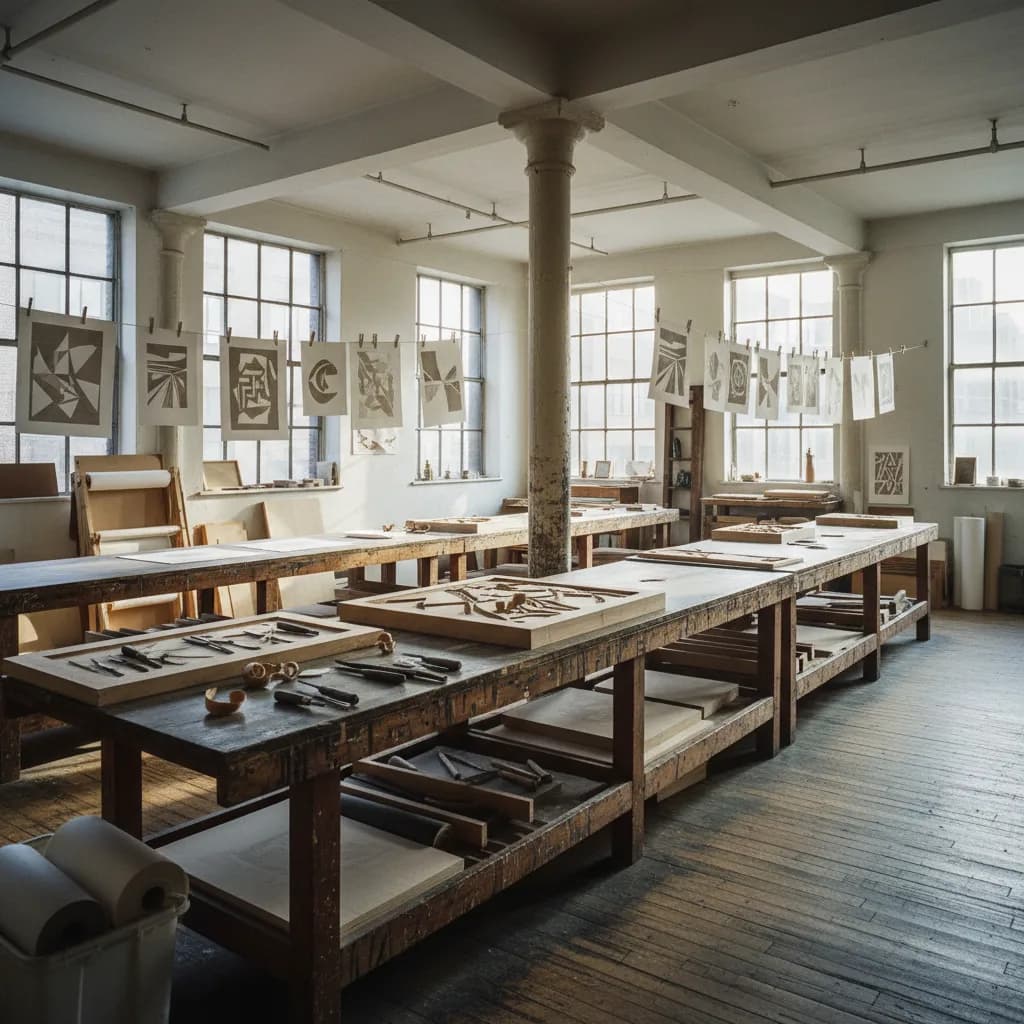
Soho Tribeca Woodblock Print Workshop Loft Studio Route
Learn manual relief block carving and Japanese moku hanga printing methods in historic cast-iron loft studios across lower Manhattan art spaces.
Walking through the historic cast-iron corridors of Soho and Tribeca brings artists into contact with one of Manhattan's most enduring creative habitats. High-ceilinged loft spaces that once housed textile warehouses and industrial lithography presses now host intimate relief printmaking studios. Stepping inside, the vast windows illuminate sturdy worktables arrayed with natural whetstones, Japanese carving knives, and wooden bench hooks. This neighborhood has long championed manual arts, and enrolling in an intensive woodblock print workshop connects students directly with that living heritage of tangible print production.
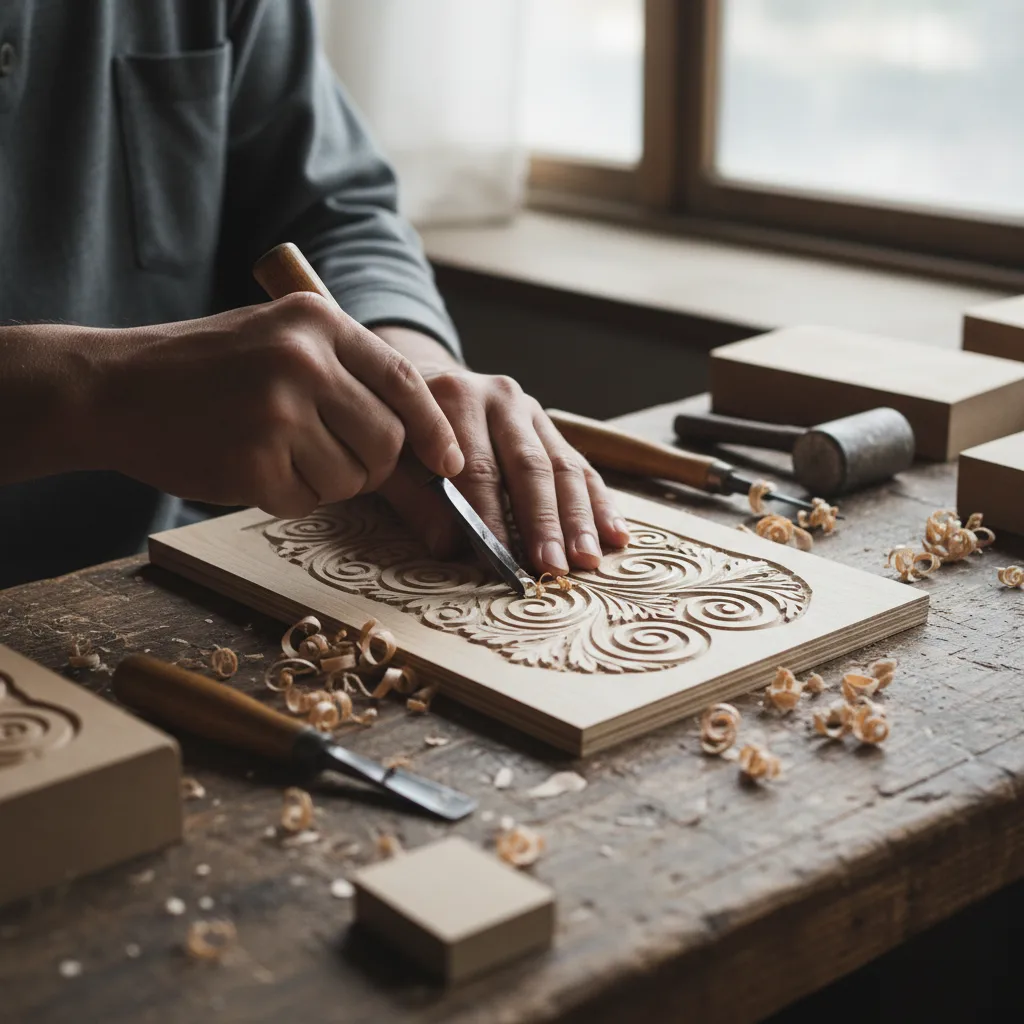
The spacious open-plan layout of downtown lofts provides an ideal working environment for delicate relief carving and multi-stage printing. Generous table spacing allows students to spread out proofing papers, drying racks, and glass ink slabs without overcrowding the room. Morning sunlight reflects softly off vintage hardwood floors, revealing thin shavings of basswood and birch curling from sharp blade tips. Here, instructors guide pupils through the contemplative patience required to sculpt crisp wooden relief plates entirely by hand.
Relief printmaking in this neighborhood emphasizes tactile engagement with physical materials over digital convenience. Participants learn to feel the subtle resistance of wood grain, adjusting their carving angle to prevent tear-out along delicate curves. Unlike chemical etching or photographic screen printing, woodcut printmaking requires minimal heavy machinery, allowing artists to master every stage of the process using portable, non-toxic tools that can easily be adapted for home practice.
Studying the graphic history of Soho reveals how bold black-and-white relief prints influenced generations of poster artists, fine bookbinders, and independent illustrators. Carving a woodblock demands clear compositional hierarchy, encouraging students to distill complex urban scenes into striking arrangements of positive silhouette and negative space. The resulting visual language speaks with visceral directness, celebrated for its raw textural honesty, sharp graphic impact, and artisanal presence.
Precision Wood Carving Tools and Studio Safety
Every productive carving session relies on a dedicated set of specialized Japanese woodcut tools known as to. The angled knife or hanto serves as the foundational contour tool, scoring precise boundary lines that protect fine drawing details from accidental splintering. Accompanying U-gouges of varying widths quickly scoop away wide background fields, while micro V-gouges carve delicate hatch patterns, fine crosshatching, and hair-thin textural lines with astonishing fidelity across the block surface.
Studio instructors emphasize ergonomic hand positioning to ensure effortless control and complete carving safety throughout long studio afternoons. Carvers learn to anchor the wooden block against a raised bench stop, resting the guiding thumb gently along the blade spine while the dominant hand provides forward momentum. Both hands always remain positioned behind the cutting edge, establishing a safe, rhythmic working cadence that eliminates sudden slips and ensures steady wood removal.
Maintaining razor-sharp tool edges is essential for carving clean lines without bruising soft wood fibers. Students practice honing blade bevels across fine waterstones lubricated with clear water, observing how a mirror-polished edge slides effortlessly through dense cherry grain. Recognizing the crisp whispering sound of a keen blade confirms that the gouge is cutting cleanly rather than tearing the underlying wooden surface, allowing effortless execution of curved lines.
Japanese Paper Preparation and Non-Toxic Inking
Selecting the appropriate printing paper dramatically influences how ink settles into the finished impression. Studios stock a wide selection of handmade Japanese washi, including absorbent mulberry sheets, delicate kozo paper, and heavier Western cotton rag papers. Dampening papers evenly inside a plastic humidor pack relaxes the plant fibers, ensuring that the sheet receives water-based pigments smoothly without buckling or blistering under printing friction during the pressing stage.
Traditional moku hanga printing utilizes pure water-based pigments blended with a small dab of cooked rice paste directly on the block. The rice paste, known as nori, acts as a binder that gives watercolor pigments body, gloss, and exceptional adhesion. Printmakers use round horsehair brushes to distribute the pigment in vigorous circular sweeps, creating flawless flat fields or atmospheric bokashi color gradations that transition seamlessly from deep indigo to clear paper tone across the composition.
Modern studios also introduce water-miscible oil inks that clean up easily with vegetable oil and mild soap. Rolled across smooth glass plates with synthetic rubber brayers, these inks produce rich, velvety blacks and crisp graphic punch. Testing ink film thickness on proofing newsprint allows students to gauge proper tack before inking their precious hand-carved blocks, preventing unwanted pooling in fine crevices.
Manual Baren Pressing and Multi-Layer Registration
Transferring ink without a heavy mechanical press is accomplished using the traditional hand baren, a disc-shaped tool wrapped in a natural bamboo leaf. Pressing firmly with the heel of the palm, the printer guides the baren in overlapping spiral patterns across the reverse side of the paper. The coarse ribbed texture of the bamboo leaf focuses downward pressure, driving pigment deeply into the softened paper fibers with exceptional consistency and clarity.
Achieving flawless registration across multiple color layers is made possible through the carved kento registration system. Carvers fashion an L-shaped corner notch and an aligned straight-edge stop directly into the wooden printing block. Sliding the dry paper corners snugly into these wooden notches guarantees that each successive color impression aligns perfectly with the underlying key block illustration, avoiding awkward misalignments between color zones.
The final reveal of a hand-pulled woodblock print represents the culmination of hours of disciplined craftsmanship. Lifting the damp washi sheet slowly reveals the crisp raised lines, subtle paper embossment, and organic wood grain textures that define authentic relief prints. Each pull possesses minor individual variations, giving every editioned print its own unique artisanal character, tactile depth, and visual warmth that machine prints cannot replicate.
Neighborhood Exploration and Creative Preparation
After completing an inspiring printing workshop, stepping back out into the vibrant streets of Soho and Tribeca offers a rewarding urban walk. Strolling past historic cast-iron facades, neighborhood art bookshops, and quiet cobblestone alleys provides fresh creative perspective while prints dry safely between interleaving blotters. The surrounding architectural details, decorative fire escapes, and geometric window grids offer endless visual material for upcoming relief projects in the city.
Preparing for a successful weekend printmaking session involves bringing simple conceptual sketches and wearing comfortable work attire. Arriving with high-contrast graphic ideas scaled to standard block sizes allows carvers to transfer designs smoothly and maximize their studio time. Utilizing the Karpo APP helps design enthusiasts locate upcoming print workshops, discover hidden neighborhood artisan ateliers, and plan enriching weekend creative circuits across Manhattan's most artistic quarters.
Ask Karpo for more information.
Keep reading
- Crown Heights Rainy Day Kids Activity Finder for Toddlers
 Jackson Heights Rainy Day Kids Activity Finder for Siblings
 Lower East Side Rainy Day Kids Activity Finder by Stroller