 Crown Heights Rainy Day Kids Activity Finder for Toddlers
Weekend Plans
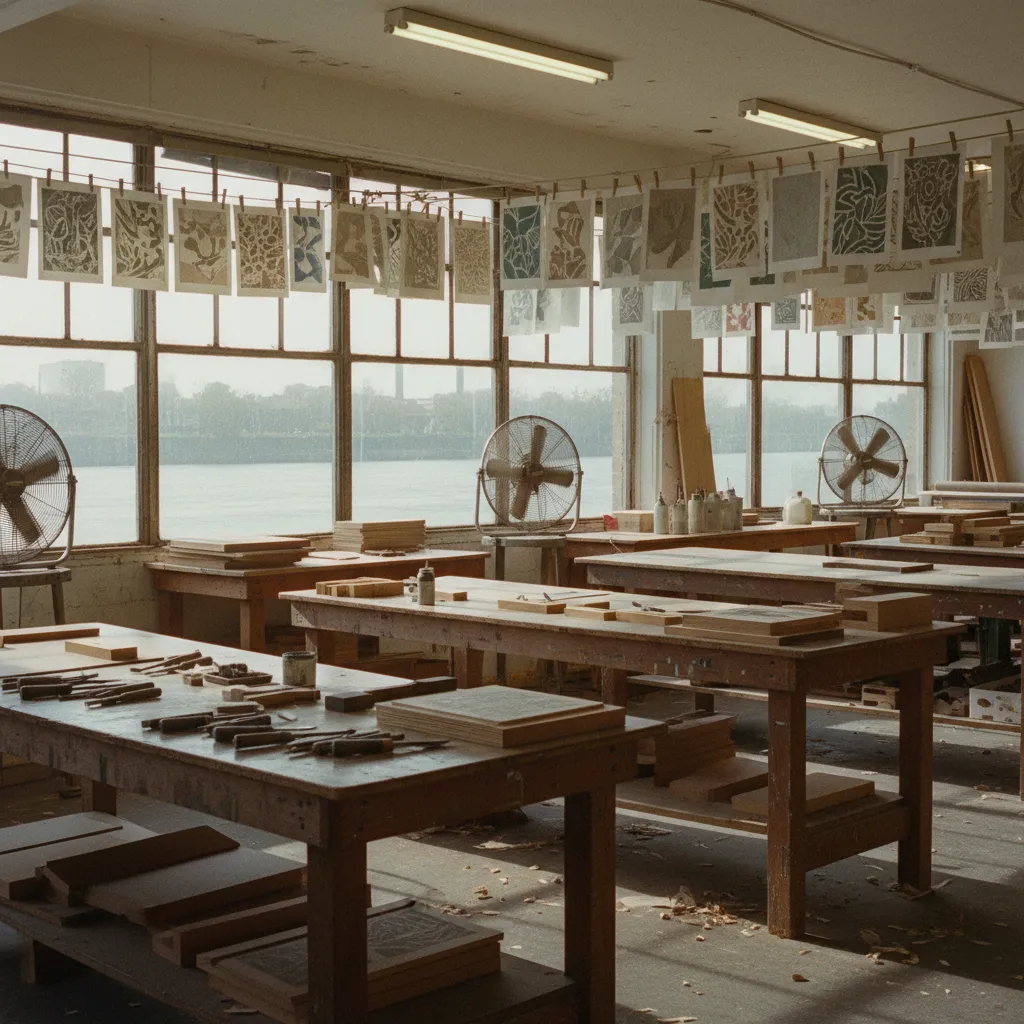
Astoria Waterfront Woodblock Print Workshop Art Studio Loop
Master relief block carving and water-based pigment printing methods across vibrant Queens community craft studios along the breezy East River.
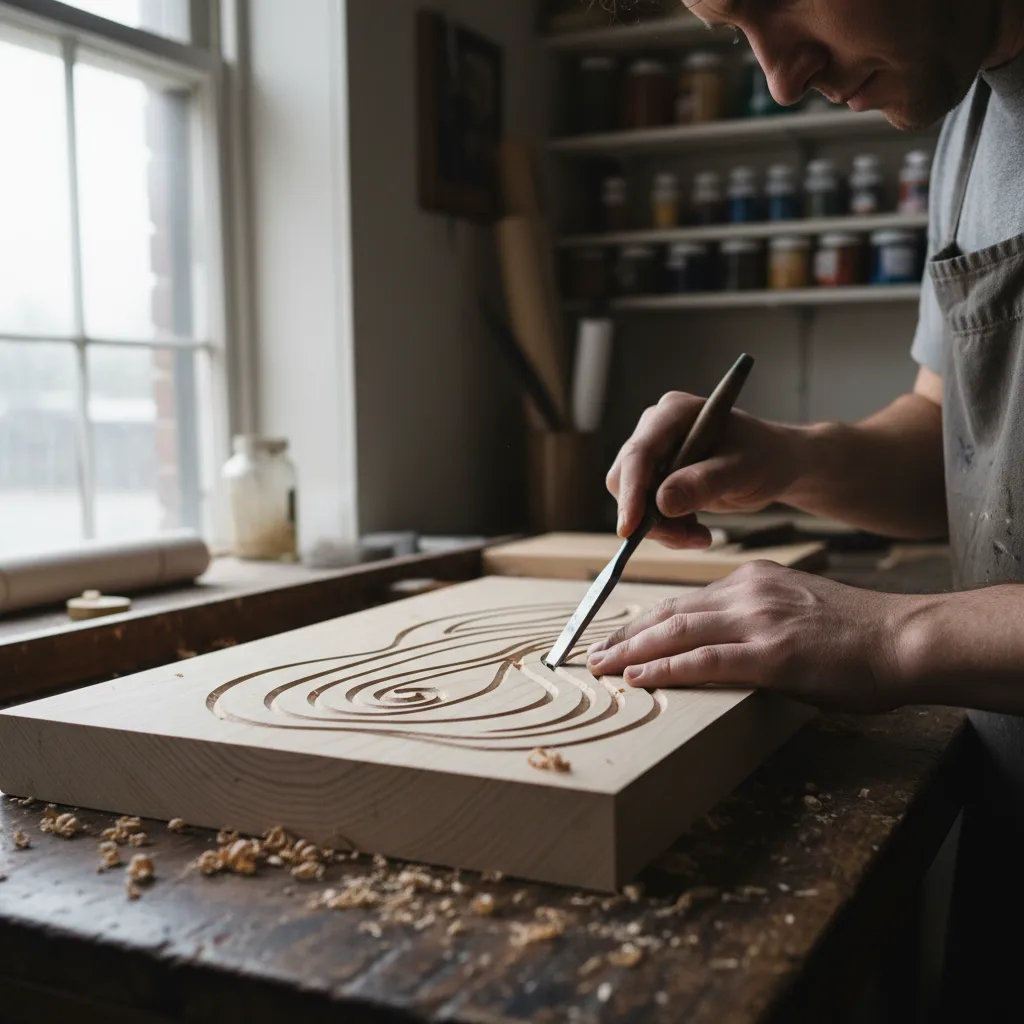
Along the breezy waterfront reaches of Astoria, Queens, independent printmaking collectives foster an inclusive, collaborative creative environment. Converted industrial spaces and community studios near the East River welcome both curious beginners and experienced makers to explore the timeless craft of woodblock printing. The wide open river skies and dynamic neighborhood energy create an inspiring setting for learning traditional relief techniques with contemporary expressive freedom and generous studio camaraderie. The rhythmic sound of carbon steel gouges carving clean shavings from birch wood panels sets a focused, contemplative pace that immediately puts creators at ease.
Astoria's artisan studios are defined by welcoming community spirit and hands-on resource sharing. Large communal worktables encourage lively creative exchange, while expansive windows let in clear northern daylight ideal for precise carving and color mixing. Surrounded by drying racks, paper flat files, and antique book presses, students find an authentic workshop haven dedicated to manual craft, artistic self-discovery, and patient material exploration.
Relief printmaking in Queens connects participants with the borough's rich mosaic of cultural craft traditions. Woodblock printing, practiced across diverse global cultures from East Asia to Europe, finds fertile ground here as students bring personal narratives and contemporary urban motifs to their carved blocks. The tactile nature of the craft makes it universally accessible, intellectually engaging, and deeply rewarding for makers from all artistic backgrounds.
The surrounding neighborhood, with its waterfront sculpture parks, historic industrial brick buildings, and sweeping river views, offers boundless graphic inspiration. Translating riverside silhouettes, industrial textures, and botanical patterns into high-contrast relief compositions helps students discover fresh visual perspectives within familiar urban scenery, turning everyday shapes into striking graphic prints that celebrate Queens waterfront life.
Selecting Substrates and Carving Fundamentals
Choosing the ideal woodblock sets the stage for a rewarding carving experience. Beginners often start with smooth shina plywood, celebrated for its uniform grain and resistance to splintering during multi-directional cuts. More advanced carvers frequently experiment with dense basswood, cherry planks, or reclaimed hardwoods that impart distinctive grain patterns, organic ring textures, and natural warmth to the final printed impression. The organic wood grain introduces surprising textural nuances into every composition, turning natural grain patterns into expressive graphic elements.
Workshop instructors guide students through proper tool selection and blade handling techniques. A standard relief kit includes versatile U-gouges for clearing broad negative areas, precision V-tools for delicate outlines, and flat chisels for cleaning block margins. Honing blades regularly across fine ceramic sharpening stones ensures clean cuts and prevents accidental wood tear-out across delicate compositional details during intricate carving passages.
Practicing safe carving posture is fundamental to building confidence and endurance at the workbench. Students anchor blocks against heavy wooden bench stops, keeping both hands safely behind the cutting bevel at all times. Working with smooth, rhythmic motions guided by shoulder and torso weight prevents hand strain, protects fingers, and yields graceful, continuous carved lines across the plate without sudden slipping.
Developing sensitivity to wood grain direction ensures smooth cutting action across the entire block surface. Carving with the grain requires shallow blade elevation to peel clean wood curls, while cutting across requires firm, decisive strokes to slice through fibers cleanly. Rotating the block on the workbench allows carvers to approach every contour from the most natural and ergonomic cutting angle.
Traditional Inking Approaches and Paper Science
Astoria print workshops introduce students to traditional Japanese moku hanga inking as well as Western oil-based techniques. The water-based moku hanga method combines natural powdered pigments with cooked rice flour paste on the block surface, spread with wide horsehair brushes. This solvent-free technique produces soft, breathable watercolor washes that soak directly into paper fibers without synthetic chemicals or harsh odors.
Oil-based relief inks, rolled out smoothly with soft rubber brayers on glass slabs, offer maximum graphic punch and deep opacity. Students practice rolling ink in even crisscross patterns, listening for the subtle tacky hiss that indicates a thin, uniform film. Proper inking technique ensures rich color transfer without filling delicate carved lines with excess pigment during pressing, preserving line sharpness.
Selecting the right paper substrate elevates the beauty of hand-pulled relief prints. Students work with an assortment of fine Japanese washi, including kozo, mulberry, and Hosho papers. Dampening papers slightly in a humidifying pack before printing softens the fibers, allowing them to draw pigment cleanly from the woodblock under gentle hand pressure without tearing or wrinkling under the baren.
The Manual Baren and Multi-Block Registration
Hand printing without a mechanical press centers on the traditional baren. This lightweight disc tool, crafted from coiled bamboo cord wrapped in a natural bamboo skin, concentrates manual pressure through the back of the print. Moving the baren in firm, smooth spiral paths drives ink into the dampened paper fibers with exceptional consistency, velvety saturation, and nuanced textural depth.
Printing multi-color editions requires precise registration across multiple carved blocks. Students cut traditional kento registration marks directly into each wooden block: an L-shaped corner notch and a straight edge stop. Aligning paper edges into these carved guides ensures that subsequent color layers fall into place with pinpoint graphic accuracy across the entire print run without blurring or misalignment.
Peeling back the paper to reveal the newly printed image is an unforgettable studio highlight. The printed sheet displays crisp relief lines, subtle paper embossment, and the organic grain of the carved block. Each pull captures unique textural subtleties that celebrate the authentic human touch behind manual relief printmaking, personal craftsmanship, and artistic dedication.
East River Waterfront Walks and Studio Planning
After completing a productive print workshop, taking a leisurely walk along the Astoria waterfront provides a peaceful conclusion to the day. Strolling past Socrates Sculpture Park, waterfront gardens, and neighborhood bakeries allows prints to dry flat between protective boards. The open river breezes and skyline views offer quiet reflection on the creative journey and new artistic techniques learned throughout the session.
Preparing for your first woodblock class requires only enthusiasm and a few basic materials. Bringing simple graphic sketches and wearing casual, studio-ready clothes will set you up for a smooth, enjoyable session. The Karpo APP makes it easy to find neighborhood artisan workshops, discover creative spaces, and design inspiring weekend cultural itineraries across Queens and beyond.
Ask Karpo for more information.
Keep reading
- Crown Heights Rainy Day Kids Activity Finder for Toddlers
 Jackson Heights Rainy Day Kids Activity Finder for Siblings
 Lower East Side Rainy Day Kids Activity Finder by Stroller