 Crown Heights Rainy Day Kids Activity Finder for Toddlers
Weekend Plans
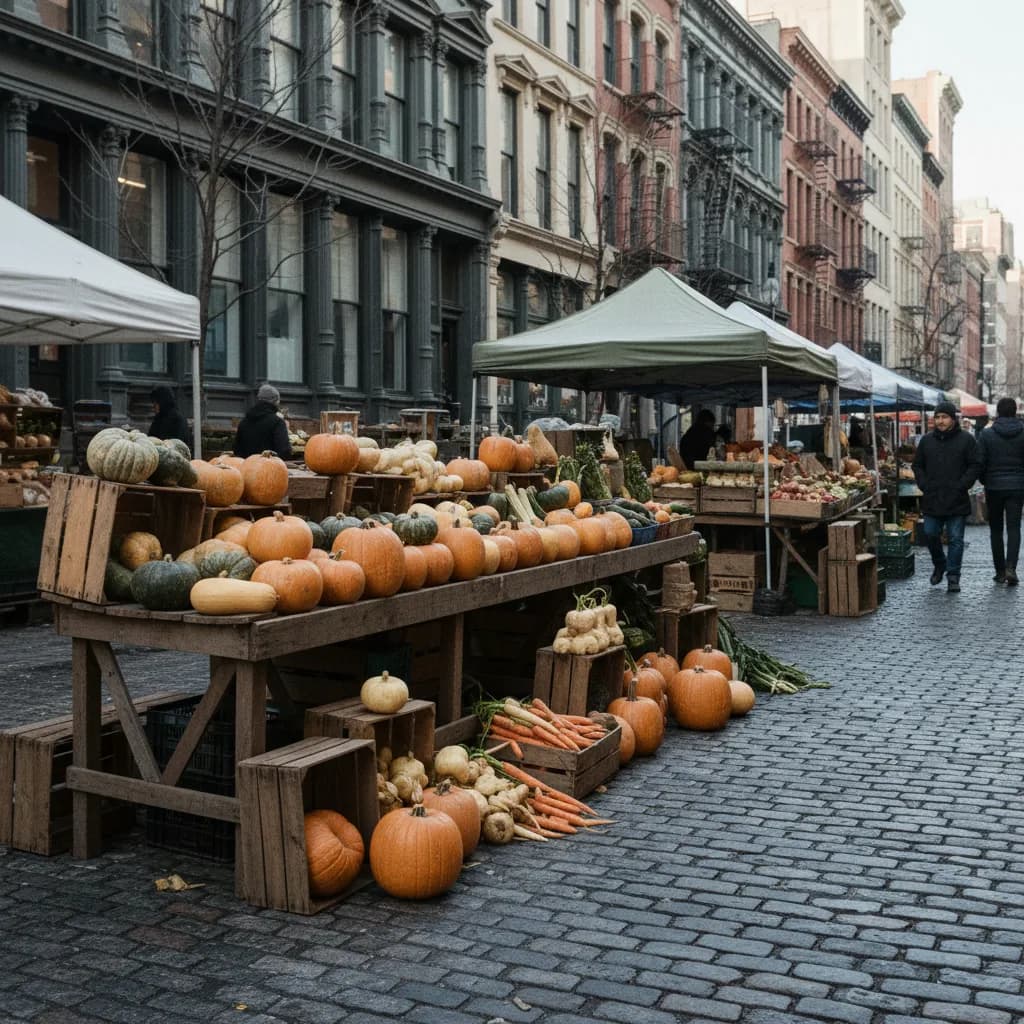
SoHo Winter Farmers Market Picker: Cast Iron Saturday Guide
Filter cold-weather stalls across the SoHo Cast Iron District using Karpo APP. Pick up winter squash and sourdough before cobblestone sidewalks crowd.
Frosty morning air sharpens the architectural lines of Prince Street as neighborhood residents bundle in thick wool coats for Saturday provisioning. Navigating winter food procurement downtown demands a reliable winter farmers market picker to uncover regional growers braving frosty mornings with cold-hardy harvests. From unwashed storage carrots to farmstead ciders, discovering seasonal producers among historic architectural blocks turns routine grocery errands into an invigorating outdoor neighborhood ritual.
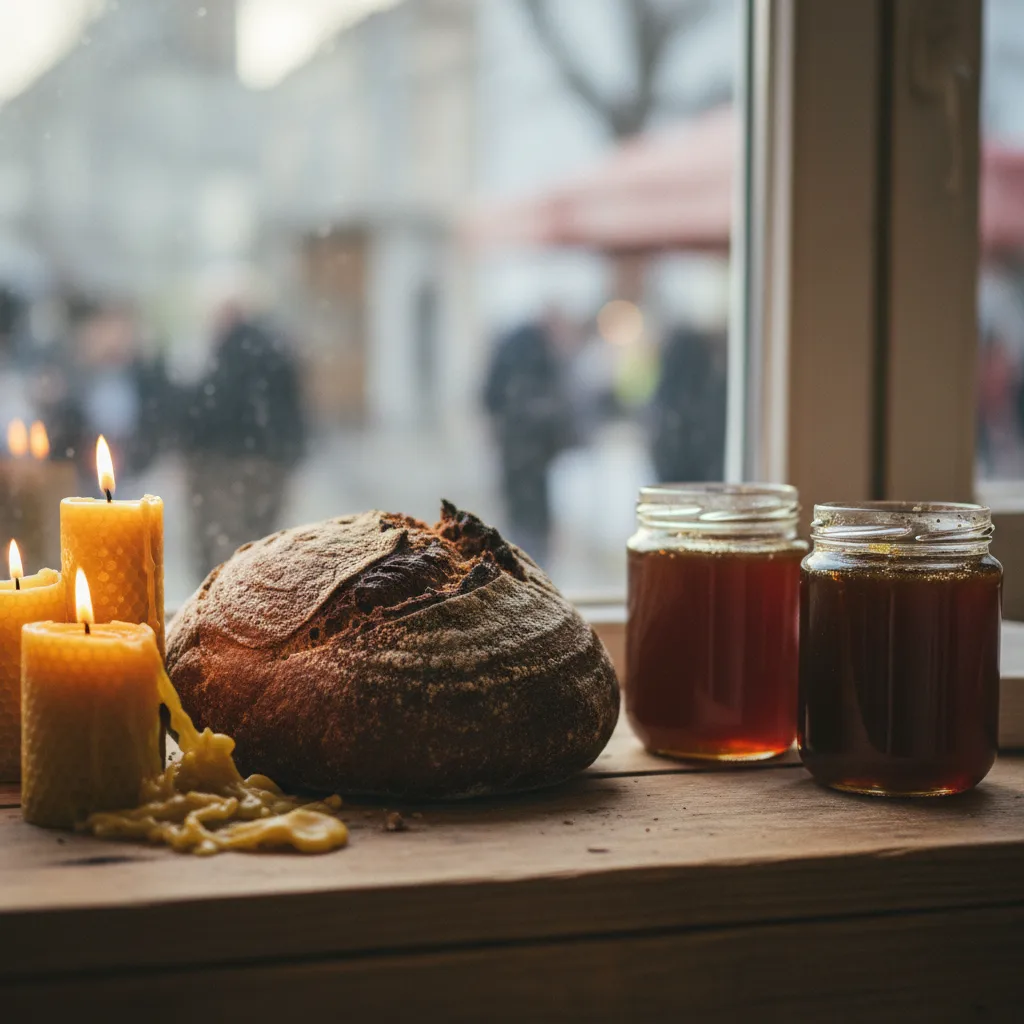
Cold-Hardy Crops and Regional Winter Tubers
Dense root vegetables and hearty winter tubers dominate the wooden display tables when temperatures drop across Lower Manhattan. Regional Hudson Valley growers haul heavy wooden crates filled with purple-top turnips, unwashed rainbow carrots, knobby celeriac, golden beets, and butternut squashes that store exceptionally well throughout freezing months. These cold-sweetened subterranean crops develop rich concentrated sugars as frost prompts starches to convert into natural sweetness in farm soil.
Beyond subterranean tubers, robust brassicas and greenhouse greens provide vibrant winter nutrition against slate-gray city mornings. Crinkled leaves of dark Lacinato kale, frost-touched collards, and hardy winter spinach arrive crisp from sheltered hoop houses upstate. Growers harvest these greens in the early morning dawn before loading delivery trucks, ensuring that delicate cellular structures remain crisp and resilient on market display tables.
Orchard Fruit, Pressed Ciders, and Farmstead Dairy
Heirloom apple varieties stored in temperature-controlled farm cellars retain exceptional firmness and balanced acidity well past the autumn harvest. Growers showcase classic northeastern cultivars such as Northern Spy, Winesap, Black Twig, and Golden Russet whose textured skins protect juicy, aromatic flesh. Alongside fresh fruit sit amber jugs of unpasteurized sweet cider, pressed weekly from heritage orchard blends and kept cold beneath insulated thermal wraps.
Farmstead cheesemakers from the Hudson Highlands present handcrafted raw milk wheels aged through summer and autumn pasturing. Dense alpine-style tommes, crumbly cave-aged cheddars, and rich pasture-fed gouda wheels deliver complex herbal aromas that reflect seasonal forage. Nearby bakers complement these dairy treasures with naturally fermented sourdough loaves, seeded rye boules, and whole grain baguettes baked dark in wood-fired ovens.
Morning Arrival Rhythms and Sidewalk Tactics
Commencing your market walk precisely at eight o'clock in the morning ensures first access to small-batch specialty provisions before popular items sell out. Early arrivals encounter quiet cobblestone cross streets and unhurried producers eager to discuss farm conditions and cooking recommendations. By ten in the morning, foot traffic swells with casual strollers and brunch seekers, narrowing pedestrian lanes between produce canopies.
Brisk winter winds frequently channel through the wide avenue corridors, making windproof outer layers and lined gloves essential equipment for careful handling of cold produce. Bring sturdy canvas totes with reinforced handles and insulated cooler pouches if you plan on picking up fresh cultured butter or vacuum-sealed heritage pork cuts. Having exact cash denominations or quick contactless tap payments speeds up transactions when cold hands fumble with wallets.
Market Priorities and What to Bypass
Direct your attention toward field-cured staples that truly excel during northeastern winter months. Storage alliums such as pungent red shallots, German white garlic, and yellow storage onions offer concentrated sweetness impossible to match in commercial supermarkets. Fermented goods including raw sauerkraut, lacto-fermented pickles, and unfiltered raw buckwheat honey harvested from late summer wildflowers represent standout values that keep indefinitely in your kitchen pantry.
Skip out-of-season warm weather imports such as greenhouse hot-house tomatoes or imported berries that carry high price markups and watery, flavorless flesh. Avoid purchasing pre-cut vegetables sitting on icy trays where biting winds quickly dry out delicate cut surfaces. Selecting whole, unblemished roots and winter squash with tight, dry stems guarantees superior culinary longevity on your kitchen counter.
Connecting Farm Baskets with Cast Iron Promenades
Stepping away from bustling produce canopies with a weighted market tote invites a peaceful walking tour through the surrounding historic landmark district. Stroll westward along paved cobblestones toward Greene and Mercer Streets, where remarkable nineteenth-century architectural ornamentation reveals ornate Corinthian capitals and decorative ironwork painted in muted classic tones. The visual contrast between historic industrial architecture and fresh agricultural bounty captures authentic Manhattan texture.
Warm up frozen fingertips by pausing at an independent neighborhood espresso counter nestled behind tall cast-iron pilasters. Sipping a steaming dark roast while watching delivery vans navigate narrow cross streets offers a satisfying respite after brisk morning shopping. From here, continue your morning walk southward toward Howard Street, linking agricultural errands with quiet design browsing and relaxed neighborhood exploration.
Tote Bag Organization and Home Pantry Storage
Packing market bags methodically protects fragile greens from being crushed beneath heavy subterranean squash and root vegetables. Place heavy winter squashes, potato sacks, and cider flagons securely at the base of flat-bottomed canvas bags to create a stable foundation. Delicate leafy greens, fresh herbs, and soft goat cheeses should rest gently on top, sheltered from sharp winds by a clean linen kitchen towel.
Storing your winter market haul properly at home extends freshness for weeks without quality loss. Keep unwashed carrots, parsnips, and beets inside breathable perforated vegetable bags inside your refrigerator crisper drawer to prevent dehydration. Winter squashes, shallots, and garlic thrive in a cool, dry, dark pantry cupboard away from direct kitchen heating radiators, maintaining firm flesh and rich flavor until cooking.
Hearty Winter Recipes and Cold-Weather Kitchen Ideas
Transforming your farmers market bounty into nourishing winter meals begins with simple, thoughtful roasting techniques. Dice sweet butternut squash, purple-top turnips, and rainbow carrots into uniform chunks, tossing them generously with unrefined cold-pressed sunflower oil, sea salt, and fresh thyme sprigs. Roasting on heavy baking sheets at high heat caramelizes natural plant sugars, creating deep golden crusts and meltingly tender interiors that pair wonderfully with pan-seared pork chops or braised heritage beans.
Crafting a comforting winter root soup provides an effortless way to utilize leftover parsnips, leeks, and celery root. Gently simmer diced aromatics in rich bone broth or golden vegetable stock until fork-tender before puréeing into a velvety, creamy consistency. Finish each steaming bowl with a swirl of farmstead cultured cream, toasted pumpkin seeds, and a drizzle of raw local honey, serving alongside thick slices of toasted sourdough bread.
Transit Access and Winter Market Logistics
Reaching the district is effortless via comprehensive metropolitan public transportation. The Prince Street station directly serves the N, Q, R, and W subway lines, while the Spring Street station provides rapid access via the 6 train along Lexington Avenue. Additional cross-town bus routes along Houston Street drop passengers within two blocks of market walkways, eliminating the headache of scarce neighborhood street parking.
Utilize the Karpo APP on your smartphone to map morning transit routes, bookmark seasonal producer locations, and synchronize cold-weather errands with nearby coffee stops. Planning your morning provisions through curated scenario tools ensures that your winter weekend shopping remains efficient, warm, and thoroughly enjoyable from your first morning step to your return home.
Ask Karpo for more information.
Keep reading
- Crown Heights Rainy Day Kids Activity Finder for Toddlers
 Jackson Heights Rainy Day Kids Activity Finder for Siblings
 Lower East Side Rainy Day Kids Activity Finder by Stroller