Most New Yorkers know you don't need to leave the city for excellent wine. Between natural wine bars stocking bottles from Finger Lakes growers you've never heard of and full-scale urban wineries fermenting grapes in Hudson River Park, the wine tasting scene here rivals anything two hours upstate. You get better variety, sharper curation, and you're home before midnight. The trick is knowing which spots treat wine like the living thing it is, not just inventory to move.
Karpo tracks which wine bars have walk-in space tonight, what's pouring by the glass right now, and which sommeliers are working the floor. Skip the guesswork.

The Ten Bells: where natural wine hit critical mass
This Rivington Street wine bar practically invented New York's natural wine obsession back when most people thought 'natural' meant pesticide-free grapes, not the whole low-intervention, wild-ferment philosophy. The room is narrow, tin-ceilinged, and perpetually packed with people who know to ask what just came in rather than ordering from the chalkboard. The list changes constantly but leans French and slightly funky—expect skin-contact whites from Loire, Beaujolais from producers working single parcels, and staff who'll happily geek out over carbonic maceration if you let them.
Go early on a weeknight if you want a seat at the bar, which is the best vantage point for watching sommeliers work and catching their attention when something new gets opened. Flights aren't a thing here; instead, order a glass of something unfamiliar and a plate of charcuterie or the white anchovies. The food menu is small but considered—this isn't bar snacks, it's what you'd want to eat with wine that tastes like wet stone and orchard fruit. Glasses run around $14 to $20, bottles start in the low forties, and almost nothing here is available at your local wine shop, which is the entire point.
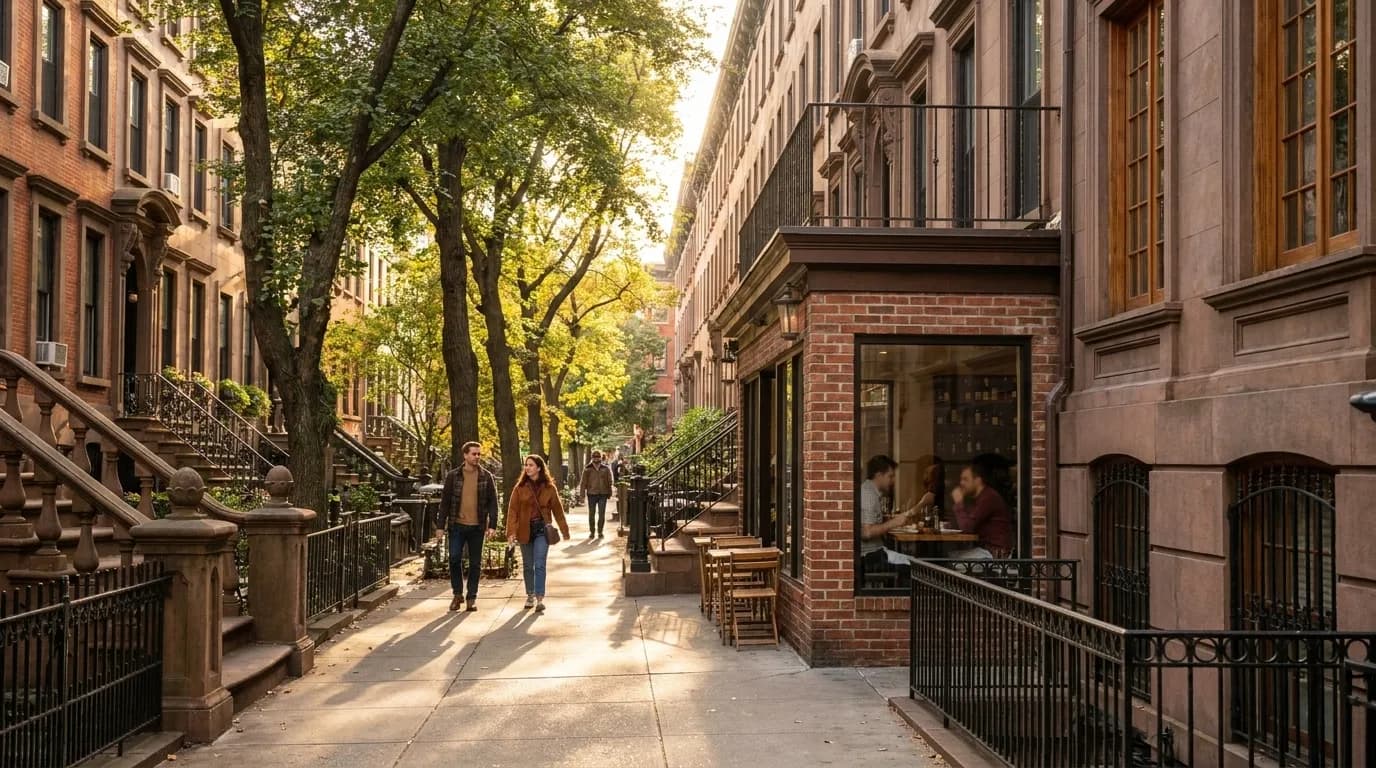
June in Cobble Hill: Brooklyn's grown-up wine bar
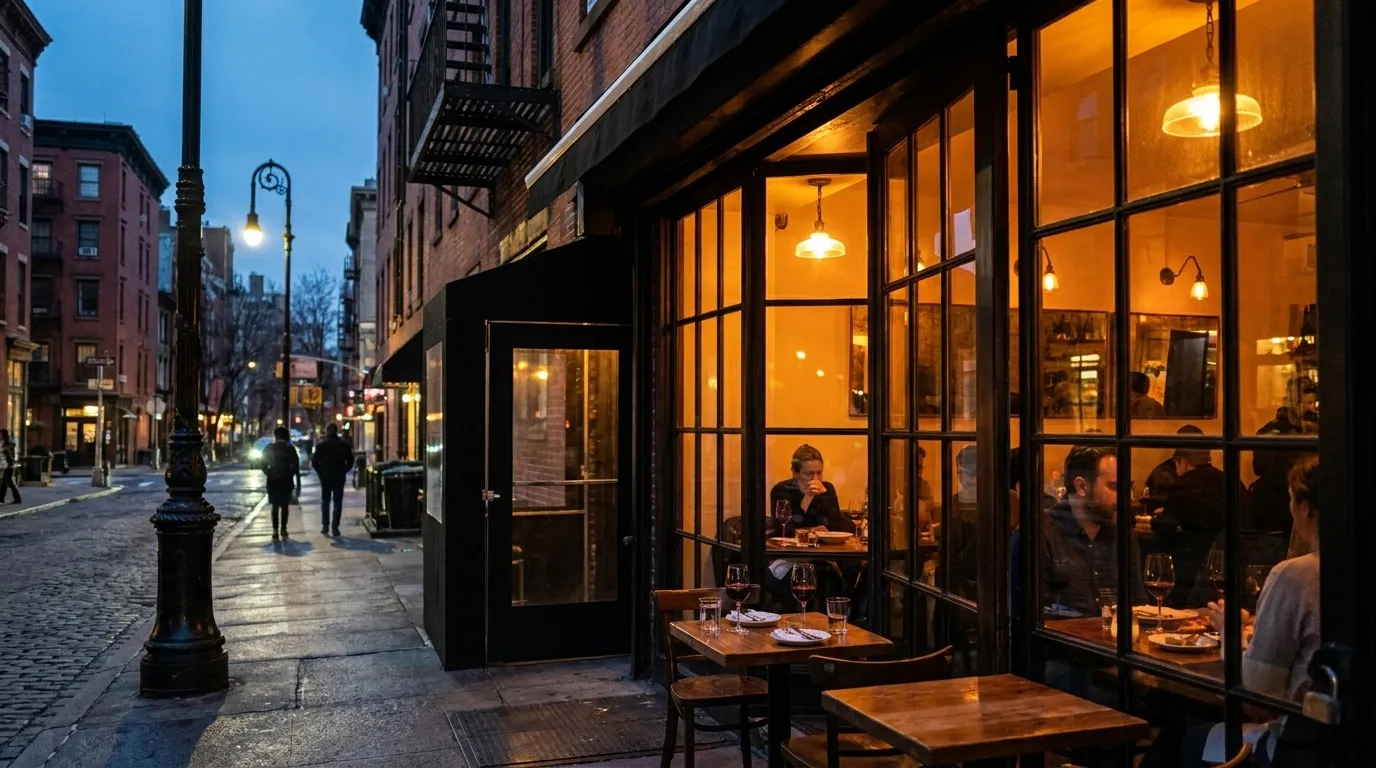
June sits on a quiet stretch of Court Street where Cobble Hill starts to feel residential, the kind of block where you can actually hear yourself think. The space is small, maybe a dozen seats at the bar and a handful of tables, with big windows that open fully in warm weather. The wine list skews natural but isn't dogmatic about it—you'll find clean, classic producers alongside the cloudier stuff, all chosen because they taste good, not because they check ideological boxes. The vibe is neighborhood regulars who nod at each other and couples splitting a bottle before dinner elsewhere.
What sets June apart is the food, which is more ambitious than most wine bars bother with. The menu changes with the season but expect things like crudo with citrus, roasted vegetables that actually have texture, and pasta that's clearly made in-house. Come for the 5 to 7 p.m. window if you want to snag a table without waiting; after eight it's first-come chaos. Bottles are marked up reasonably for New York—expect to spend $60 to $90 for something excellent—and the staff will steer you toward regions you haven't tried rather than upselling the same Sancerre everyone pours.
City Winery: the full production experience
City Winery is a different animal entirely—a working winery and concert venue occupying a massive pier 57 space with Hudson River views and actual fermentation tanks you can see from the bar. They crush grapes trucked in from New York, California, and international vineyards, then age and bottle everything on-site. The tasting room offers flights of their house wines—usually a Chardonnay, a Pinot Noir, a couple of reds—so you can compare vintages or vineyard sources side by side. It's less about natural wine philosophy and more about understanding how winemaking decisions shape what's in your glass.
The main floor can feel corporate when there's a private event, but the bar area stays open and the staff know their product cold. Ask about the current release schedule; they often have library wines or single-barrel experiments available that aren't on the standard menu. Flights run around $25 to $35, glasses $12 to $18, and bottles from their cellar start around $40. If you've never seen wine made in an urban setting, the production tour is worth doing once—it's short, free with a tasting purchase, and you'll leave understanding why timing harvest around truck schedules is its own kind of chaos.
What to expect at a natural wine bar
Natural wine can mean a lot of things, but in practice it usually means wines made with minimal intervention—native yeasts, no or low sulfites, often unfiltered. The result is wine that tastes more alive, sometimes a little funky, occasionally slightly fizzy even when it's not supposed to be sparkling. If you're used to clean, predictable wines, your first glass might taste off. Give it time. Natural wines often open up as they breathe, and what seems sharp or sour at first sip can turn complex and layered by the third.
The other thing to know: these bars don't carry the brands you recognize. That's intentional. The whole point is introducing you to small producers working a few hectares in regions you've never heard of. Trust the staff. Tell them what you normally like and ask them to stretch you slightly. The best wine bar experiences happen when you stop trying to control the outcome and let someone who tastes fifty wines a week guide you toward something you'd never pick yourself.
How to approach wine tasting in the city
Wine bars aren't wineries. You're not getting a formal tasting with a checklist of flavor notes and a tour of the cellar. You're getting a glass or a bottle in a room with other people, which is how wine is actually meant to be enjoyed. Sit at the bar if you want conversation and recommendations. Take a table if you're there with someone and want to linger. But don't treat the staff like Google—they're there to guide, not to perform on command.
If you want to compare styles, order two glasses of the same varietal from different regions or producers. Ask what just got opened; wines by the glass are always freshest on the day the bottle is uncorked. And if you taste something you love, buy a bottle to take home. Most of these places sell retail, and you're supporting the same small importers and growers who make this scene possible.
Practical notes
The Ten Bells is walk-in only and busiest after 8 p.m. on weekends; go early or accept the wait. June in Cobble Hill takes reservations for tables but the bar is first-come—aim for the 5 to 7 window. City Winery takes reservations and is easiest to visit on weekday afternoons before the concert crowd arrives. All three are subway-accessible: F to Delancey for The Ten Bells, F/G to Bergen for June, and 1/2/3 to 34th Street–Hudson Yards for City Winery. Dress codes are nonexistent, but leave the backpack at home—these are small spaces and you'll annoy everyone. Bring cash for The Ten Bells; the others take cards. Expect to spend $40 to $70 per person depending on how many glasses you order and whether you eat.
Tags: #winetastingnyc #naturalwinebars #thetenbells #junecobblehill #citywinery #nycwinescene #lowereastsidewine #brooklynwinebars #urbanwinery #nycnaturalwine #winebarsnyc #nycwineculture #wines #nycdrinks #winetasting
Please drink responsibly. Must be of legal drinking age.
All trademarks are the property of their respective owners.
Ask Karpo first
Karpo knows which wine bars have space right now, which sommeliers are pouring tonight, and what just arrived that isn't on the list yet. Instead of wandering Rivington Street hoping for a seat or showing up to a sold-out tasting, text Karpo and get a real-time route built around what's actually available. Wine tastes better when you're not stressed about where to go next.