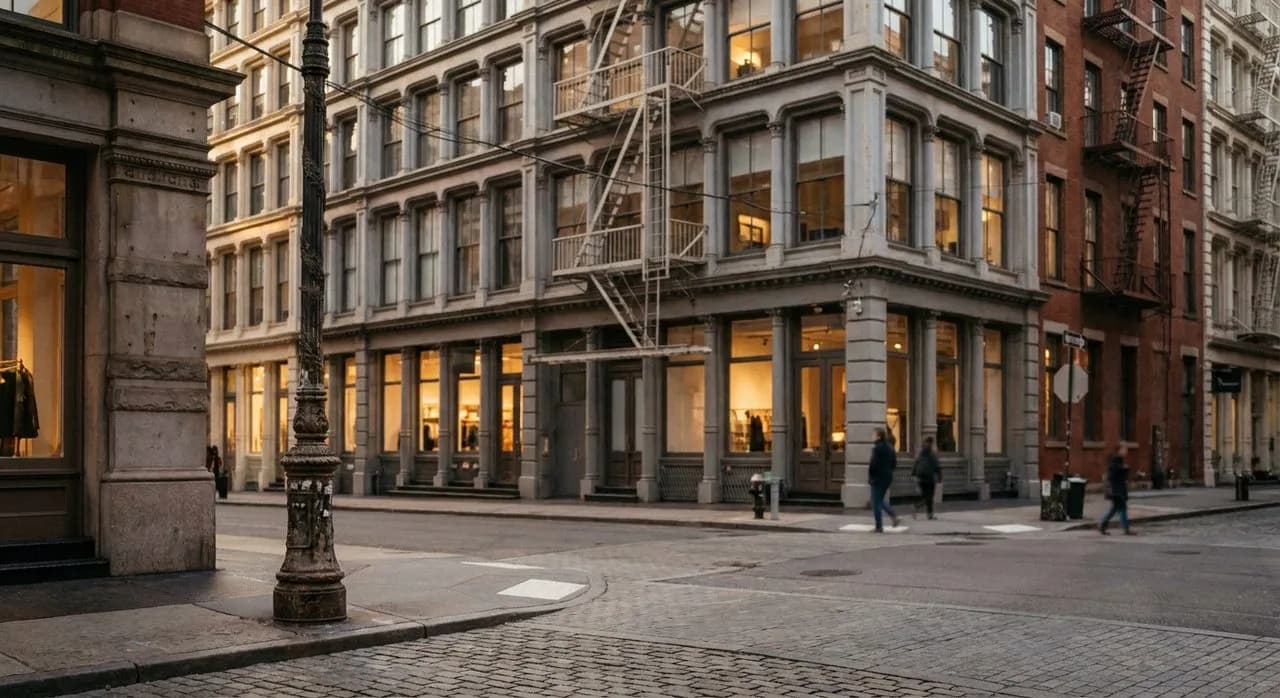
The first real heat of 2026 arrived in late May, and with it the collective exhale that marks early summer in lower Manhattan. By six o'clock the light is still high and honey-colored, glancing off cast-iron façades and pooling on cobblestone side streets. This is the season when wine bars earn their keep—not as winter refuges but as thresholds between the working day and whatever follows, places to sit at a zinc counter or a pavement table and let the city's hum recede just enough. Tribeca and Soho, despite their polished veneers, still harbor a handful of these rooms, each with its own cadence and persuasion.
Why these neighborhoods, why now
Tribeca and Soho have been gentrified to within an inch of their lives, yes, but that process has left them with excellent bones: wide sidewalks, pre-war storefronts with tall windows, enough residential density to support neighborhood spots rather than pure tourist traps. Early summer is when this architecture pays dividends. The thick masonry walls keep the interiors cool. The high ceilings accommodate ceiling fans that actually move air. And the side streets—particularly the stretches west of West Broadway and south of Canal—stay quiet enough after six that you can hear the clink of stemware over the traffic.
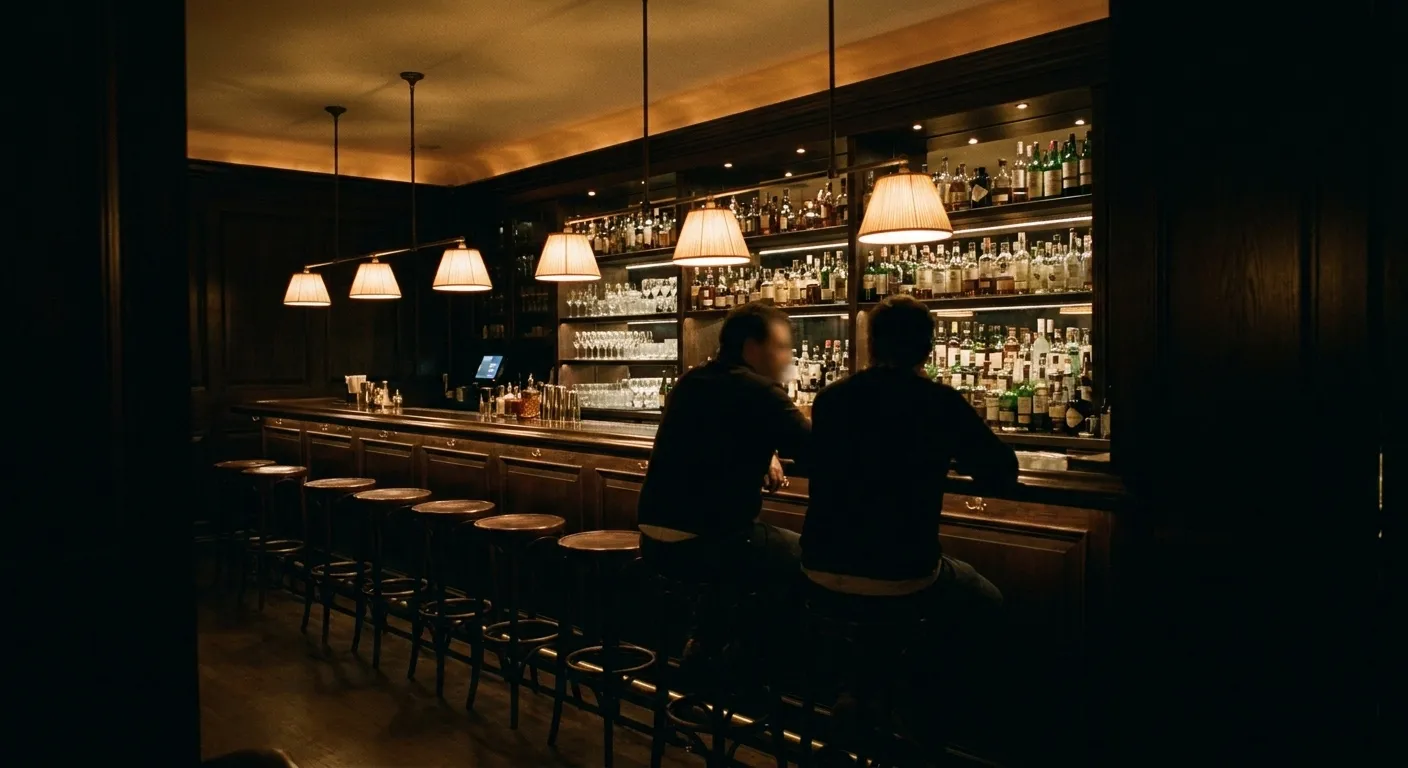
The wine bars here have evolved past the chalkboard-and-reclaimed-wood aesthetic that dominated the 2010s. What you find now are rooms with a lighter touch: pale plaster, marble remnants, bentwood chairs that don't make a statement. The wine lists skew natural but not dogmatic, with enough Burgundy and northern Italy to anchor the eccentrics. Most importantly, these are places designed for conversation, not performance. The music is low. The tables are small. The lighting—soft, amber, often candlelit by eight—flatters without trying.
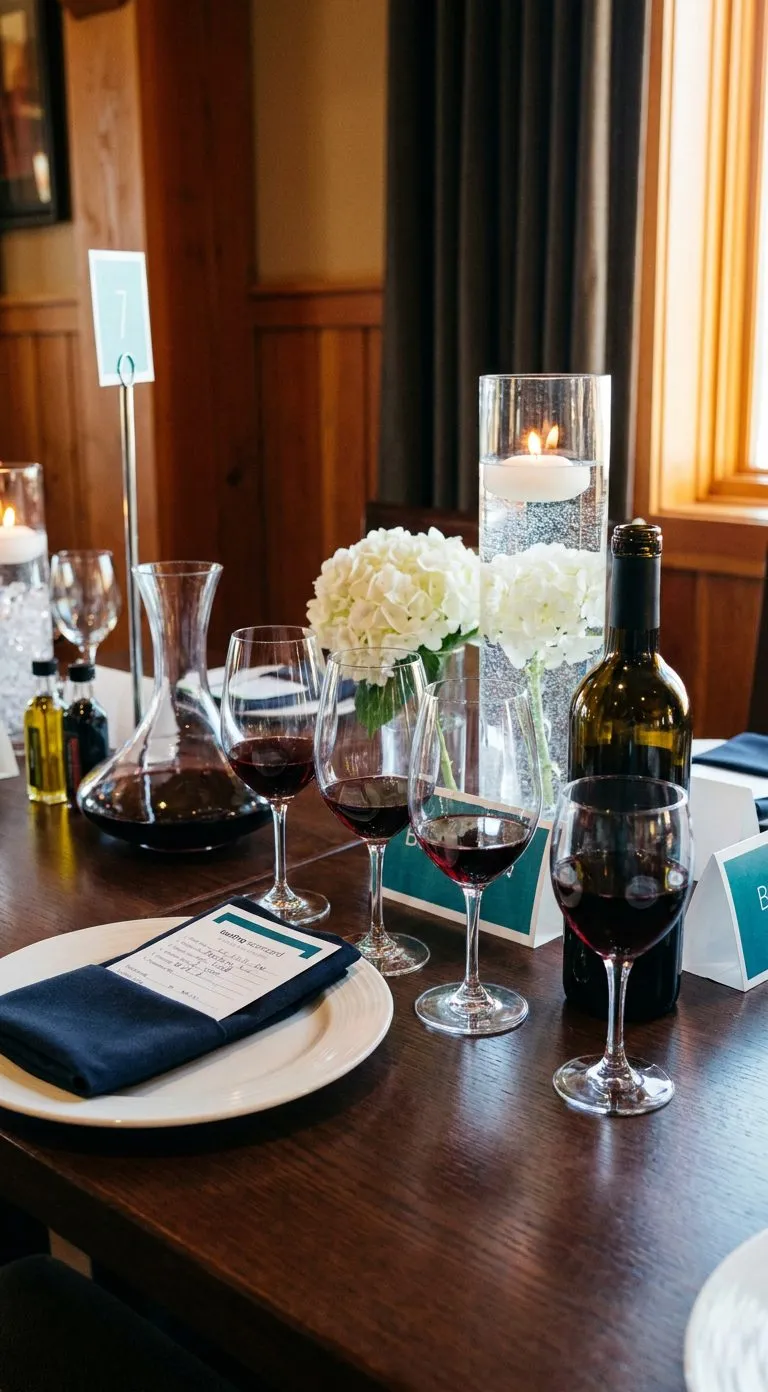
The Tribeca pour
If you're looking for a wine bar in Tribeca proper—say, the triangle bounded by Chambers, West Street, and Canal—you'll find a handful of long-running spots that have weathered the neighborhood's transformation from artist lofts to billionaire zip code. These tend to occupy ground-floor corners with generous window lines and enough space between tables that you're not eavesdropping on the next couple's dissection of their couples therapist. The vibe is low-key in a way that costs a lot of money to engineer: no branding, no Instagram moments, just good glassware and a bartender who knows the difference between a pour and a lecture.
The bottles here run the spectrum from skin-contact Friulano to benchmark Barolo, often with a strong showing from smaller Loire producers and the occasional Greek or Austrian wildcard. Pair them with a short menu of tinned fish, aged cheese, and whatever the kitchen is doing with seasonal vegetables—usually something involving snap peas or early tomatoes in early June. The point is not to make dinner out of it, though you could. The point is to have something to do with your hands while the evening unfolds.
Soho's natural inclinations
Cross Canal into Soho and the energy shifts—slightly younger, slightly louder, with more foot traffic spilling out of boutiques and galleries. The wine bars reflect this. You'll find more natural-wine specialists here, rooms where the list is organized by skin contact and carbonic maceration rather than region, where the staff wear denim and have opinions about Georgian qvevri. This is not a criticism. When it's done well—when the enthusiasm is genuine and the pours are honest—it's a pleasure to be guided through a flight of something orange and faintly funky alongside a plate of marinated anchovies.
Soho NYC wine bars also benefit from the neighborhood's restaurant density. Many are tucked into side streets near Spring or Prince, close enough to Balthazar or Raoul's that they function as pre- or post-dinner stops, though plenty of regulars treat them as destinations. The aesthetic here leans a bit more maximal: tiles, greenery, vintage mirrors, the occasional velvet banquette. The windows stay open in early summer, and by nine o'clock the line between inside and outside blurs into something Mediterranean and surprisingly democratic.
What to drink in early June
Early summer calls for wines that deal gracefully with heat and humidity. Think crisp whites with enough texture to stand up to oily fish or charred vegetables: Vermentino, Albariño, anything from the Jura. Lighter reds—Gamay, Frappato, chilled Pinot—make sense when the temperature's still in the seventies at eight o'clock. If you're feeling adventurous, this is the season to explore pét-nat or skin-contact wines; the slight haze and wild fermentation flavors read as refreshing rather than challenging when the air is warm and you're three glasses in.
Most wine bars in this part of the city offer half-bottles or by-the-glass pours that change frequently, sometimes daily. Don't be shy about asking what came in this week. The good sommeliers—and there are several working these neighborhoods in late May 2026—know how to read a table and will steer you toward something interesting without making you feel like you're taking a quiz. If they're pouring a Grüner Veltliner from the Wachau or a Sicilian Catarratto, say yes. These are wines that perform beautifully in the moment and leave no regrets the next morning.
The rituals and the regulars
What distinguishes a good wine bar from a good bar that happens to serve wine is the accretion of small rituals. The way the bartender rinses the glass before pouring. The arrival of a small dish—olives, almonds, a sliver of something pickled—without prompting. The unspoken understanding that you can nurse a single glass for an hour if you're reading, or order a bottle and settle in for the evening if you're with someone worth talking to. The best spots in Tribeca and Soho have cultivated these rhythms over years, and the regulars—lawyers, gallerists, restaurant workers on their night off—know the value of a place that doesn't ask too much of you.
By late June the rhythm changes; the neighborhood empties as people decamp to the beach or the Berkshires. But in early summer, before the exodus, these wine bars hit a sweet spot. The energy is still urban, still purposeful, but softened by longer days and the creeping permission to leave work a little early. It's a good time to claim a corner table or a seat at the bar and let the evening take its course.
Practical notes
Most wine bars in Tribeca and Soho cluster along the side streets between Canal and Chambers (Tribeca) or Spring and Grand (Soho). Nearest subways: 1 train to Franklin Street or Canal; A/C/E to Canal; N/R/W to Prince or Canal; 6 to Spring Street. Street parking is a myth; if you're driving, aim for a lot on Varick or West Broadway and walk. Hours vary but most open around 5 p.m. on weekdays, earlier on weekends; verify directly before making plans. Accessibility is uneven in these older buildings—many have steps at entry—so call ahead if that's a concern. Bring a light jacket; even in June the air conditioning can be brisk, and if you're sitting outside, the breeze off the Hudson picks up after dark. Reservations are rarely required midweek but smart on Fridays. Cash is useful, though cards are accepted everywhere.
Tags: #WineBarsNYC #TribecaEats #SohoNYC #EarlySummer2026 #NaturalWine #NYCWine #RightOnTime #LowerManhattan #JuneInNYC #WineBarCulture #TribecaDining #SohoWine #NYCNightlife #SeasonalDrinking #CityGuide
Please drink responsibly. Must be of legal drinking age.
Sources consulted: Tribeca · SoHo, Manhattan · Wine Bar · Wine Bars NYC · NYT Dining
All trademarks are the property of their respective owners.