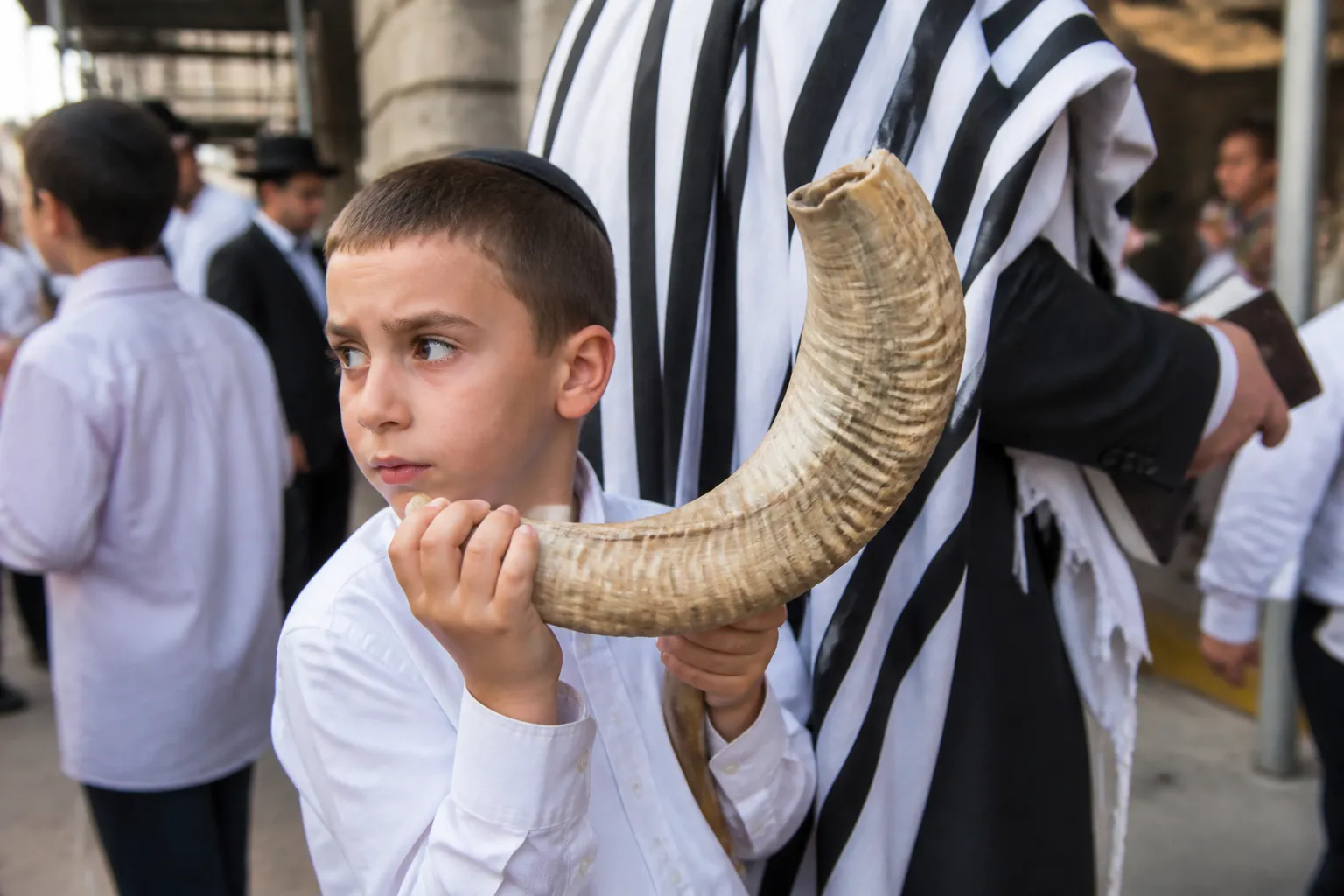
If you're asking what is rosh hashanah in practical terms, think of it as a holiday that can feel very different depending on where you go. In NYC, some people are looking for a traditional service, some want a family-friendly atmosphere, and some just want to hear the shofar and understand the rhythm of the day. Before you start searching, decide whether you want a full service, a shorter holiday program, a community meal, or simply a place where you can observe respectfully and learn as you go.
Build your NYC Rosh Hashanah plan with a backup before you go
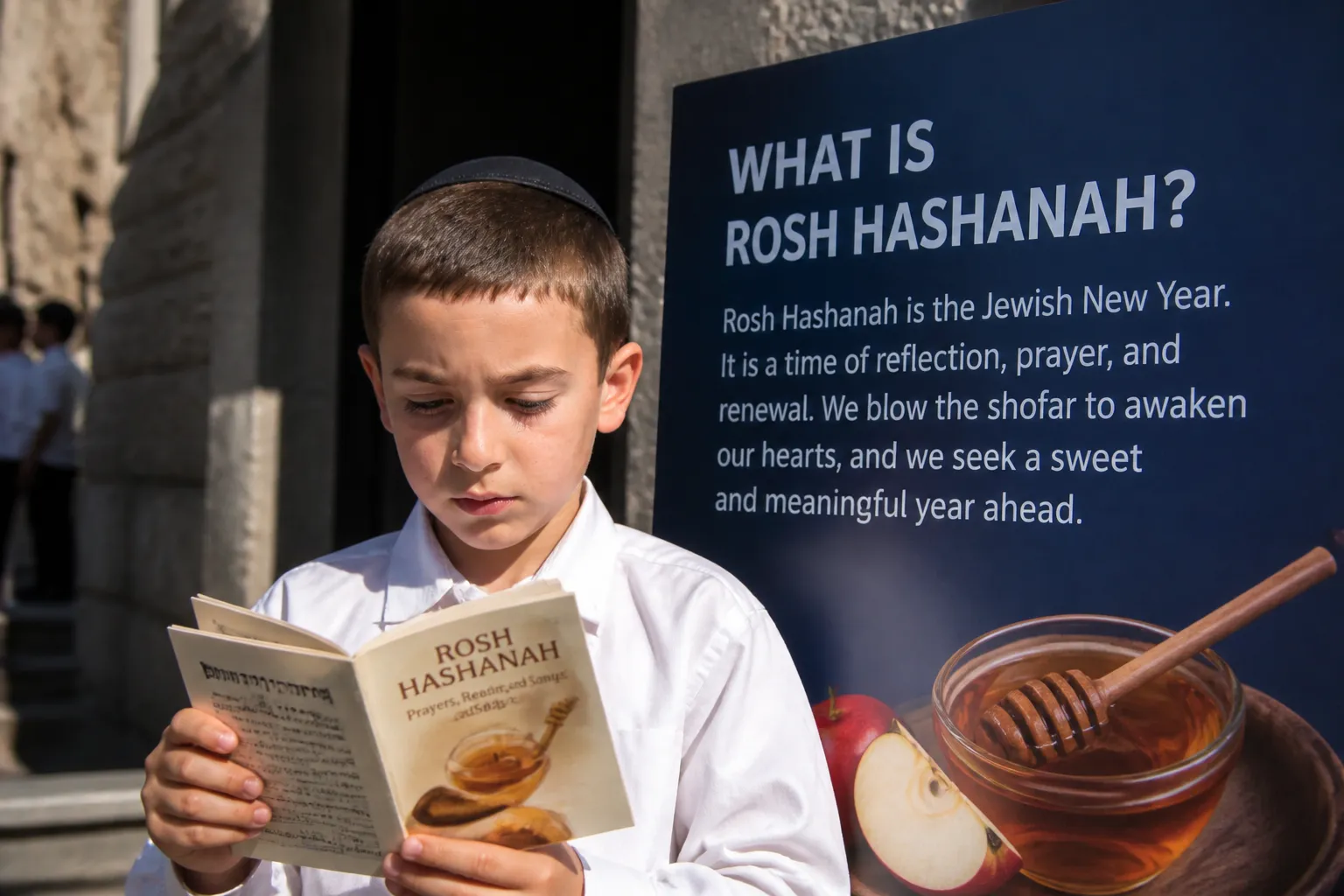
That choice matters because not every congregation or community space handles visitors the same way. Some are comfortable with newcomers, while others may expect advance registration or a clear reason for attending. A good search starts with the exact neighborhood, the type of observance, and the day you plan to go. If you keep those three filters in mind, you will waste less time on broad results and more time finding a place that actually matches your expectations.
Use NYC neighborhood patterns to narrow the search fast
New York City has clear pockets where Jewish life is especially visible, and that helps when you are planning a trip. Areas such as the Upper West Side, Upper East Side, Crown Heights, Borough Park, Williamsburg, Flatbush, Riverdale, Forest Hills, and Kew Gardens often have a higher concentration of synagogues and holiday activity than random map searches suggest. That does not mean every block is useful, but it does mean your odds improve when you focus on neighborhoods with established communities instead of chasing scattered pins across the city.
Think in terms of access, not just density. In some neighborhoods, you may find many options within a short walk, but street parking is difficult and traffic can slow you down. In others, transit is better than driving, especially if you are planning to arrive around prayer times or on a day when sidewalks are crowded. When you search, zoom in to see subway lines, bus routes, and the actual walking distance from the station, because a place that looks easy on a map can feel much farther once you are carrying a bag, stroller, or umbrella.
Check live information before you leave home
For a holiday trip in NYC, live verification matters more than a polished website. Check whether the place you are considering posts holiday service times, visitor instructions, registration requirements, security notes, language options, and accessibility details. If the information is not obvious online, call or email ahead and ask one simple question: whether first-time visitors are welcome and how entry works for the holiday. That one step can save you from arriving at a locked door, a full room, or a security process you were not expecting.
Also check the exact date and time you want, because Rosh Hashanah schedules can vary by congregation and by day of observance. Some locations may have separate programs for evenings, mornings, or family-oriented gatherings. In a city as big as New York, it is worth confirming whether the service is in the main sanctuary, a separate room, or a nearby building entrance. If accessibility matters, ask specifically about elevators, ramps, stairs, seating visibility, and whether there is an easier drop-off point for cabs or ride-hail vehicles.
Plan around transit, weather, and the real pace of the day
NYC travel on a holiday can be slower than expected, especially if your trip includes multiple boroughs or a long transfer. Use transit maps and live service alerts to check for delays before you leave, and add extra time if you are crossing town at peak hours. If you are driving, remember that parking near active community areas can be limited and stressful, so it is often smarter to park once and finish the trip on foot or by train. If you are visiting from outside the city, plan the route first and the destination second.
Weather is part of the plan in early fall. A warm day can turn into rain, wind, or a cooler evening, and that changes what feels convenient once you are standing outside waiting for entry or walking between services and a meal stop. Wear layers, bring comfortable shoes, and assume you may be outside longer than expected. If you are traveling with children, older adults, or anyone who needs a steadier pace, choose a neighborhood where the walk from transit to destination is short and the sidewalks are easy to manage.
Always keep a backup plan that still makes the trip worthwhile
The best Rosh Hashanah plan in NYC is not a single address; it is a small cluster of options. Pick one primary place, one backup within the same neighborhood or along the same transit line, and one third option you could reach without restarting your trip. That way, if the first place is full, hard to access, or not the fit you expected, you still have a realistic path to a meaningful holiday experience instead of an empty afternoon and a long ride home.
Your backup should be practical, not vague. Save the route, note the nearest subway stop, and identify a nearby cafe, deli, or quiet place to regroup if you arrive early or need to wait. If you are learning what is rosh hashanah for the first time, a successful trip may be as simple as hearing the shofar, understanding the service flow, and leaving with a better sense of the holiday than you had before. In NYC, a little preparation usually beats trying to improvise at the curb.
A simple plan before you go
- Search by neighborhood first, then filter by service style and visitor policy.
- Confirm live details before you go: time, entry, accessibility, and transit.
- Assume parking is limited and build your route around subway or bus access.
- Choose one backup option within the same area so the trip still works if plans change.

Tags: #hidden_gems_odd_finds #nyc
Sources consulted: Official city information · Google Maps · Karpo local search
All trademarks are the property of their respective owners.