 Fort Greene Holiday Market Browsing Guide for Young Shoppers
Weekend Plans
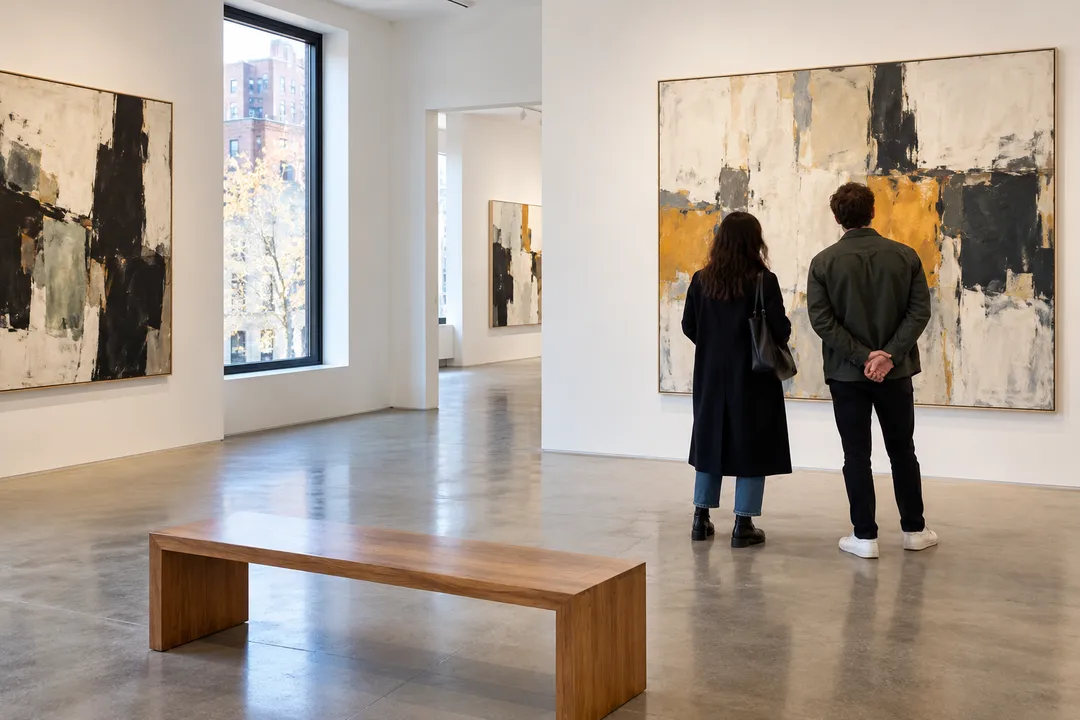
NYC Weekend Plan Builder: Two Gallery Hours Before Dinner
Fit an NYC gallery route into two hours before dinner in the Karpo APP. Compare one longer visit with two shorter stops, preserving a clear arrival buffer.
Work backward from dinner to fit a two-hour NYC gallery outing into the afternoon. A weekend plan builder can help you compare a compact cluster with a slower single-stop version while keeping your reservation as the fixed endpoint. Give the Karpo APP your dinner location, the time you need to arrive, and how much art you want to see. Ask for an outline that leaves room to travel, pause, and finish viewing without rushing.
Protect the arrival before filling the afternoon
Begin with the dinner booking you already hold. Supply the neighborhood and your intended arrival time, then describe where you expect to be two hours earlier. The dinner location is the anchor for this exercise. If you only give a restaurant name, a misunderstanding about its location can distort the whole route. Use the location from your own booking details and make clear that you want planning help around an existing reservation.
Your available two hours need to include more than looking at art. They also contain walking between galleries, crossing streets, finding entrances, and making the final approach to dinner. Set aside a transition at the end before assigning the rest to visits. For example, you might request a twenty-minute arrival buffer as your personal preference. That number is a planning choice, rather than a guarantee about how long a particular journey will take.
Use this prompt: “I have dinner booked in NYC on Saturday evening. Here is the location and arrival time. Build a two-hour gallery outing beforehand, including the final walk to dinner. Compare two nearby gallery visits with one longer visit and a street walk. I enjoy photography and abstract painting. Keep the last part of the schedule light, and explain which stop we should drop if we start late.”
Choose between breadth and attention
The two-gallery version suits someone who wants contrast: different media, different scales, or two distinct curatorial approaches. Ask for the reason to pair the proposed stops, rather than accepting two names that happen to be nearby. Their proximity should support the experience you asked for. If both recommendations sound interchangeable, request a more meaningful comparison or choose the single-stop version and spend longer with the work that interests you.
A one-gallery afternoon can be the stronger choice when dinner matters more than covering ground. You have time to return to a piece, sit with a companion's different interpretation, or walk through the surrounding streets afterward. Ask Karpo to explain what you lose by removing the second visit and what time you gain. The tradeoff should be visible enough that you can decide without feeling you have failed to complete a route.
Keep exhibition-specific claims attached to information you can actually use. If your conversation has not established the current exhibition, do not build the afternoon around a particular artist or installation. You can still compare candidate galleries by location and your interests, then add the exhibition details you have obtained from their official listings. That step gives the planning conversation firmer inputs without pretending every recommendation is a confirmed visit.
Use a closing rule for each visit
A compact route needs a way to leave the first stop. Decide together whether the cue is elapsed viewing time, finishing one room, or reaching the point where both people are ready to move on. Tell the assistant which rule suits you. A suggested schedule becomes less stressful when the decision to leave belongs to you and your companion, instead of an arbitrary timer that interrupts a piece you wanted to study.
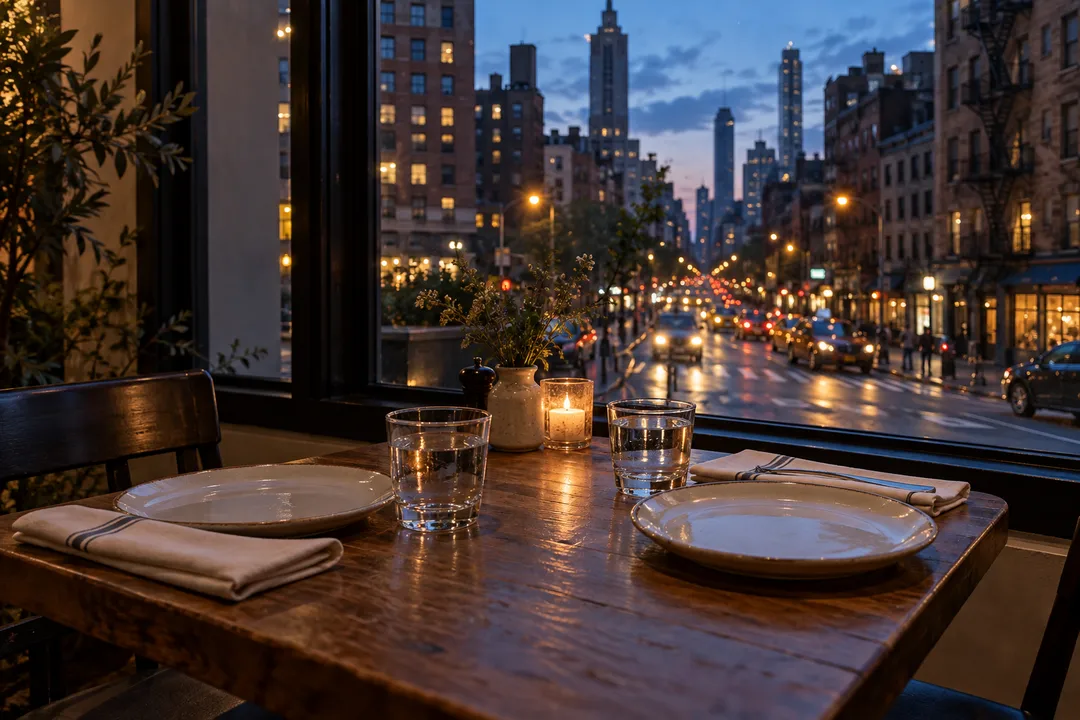
For the second stop, establish the latest point at which entering still makes sense. If the remaining window becomes too short for a worthwhile visit, substitute the surrounding street walk and continue toward dinner. Avoid making the optional gallery the one farthest from the restaurant. A fallback that pulls you away from your fixed endpoint is difficult to use precisely when the afternoon has already become compressed.
Try a revision after reading the first answer: “The first gallery sounds right. Keep it, shorten the second visit, and show the point where we can skip that stop and head directly to dinner. Preserve our arrival buffer.” This instruction carries forward what you liked and changes one part of the route. It is clearer than asking for a completely new afternoon, which can discard the useful work from the first comparison.
Let the walk clear your head before dinner
A short neighborhood walk can separate the gallery experience from the meal. Request an approach that moves generally toward dinner and gives you something simple to notice, such as architecture or changing street activity. You do not need a list of shops to make the interval worthwhile. Keeping the walk unstructured leaves room to discuss what you saw and arrive at the restaurant ready for a different part of the evening.
If Chelsea is the area you supply, ask for a cluster within your chosen part of the neighborhood and a final connection to your actual dinner location. If dinner is elsewhere, treat the cross-neighborhood journey as its own segment. This is a geographic planning example, rather than a promised Chelsea itinerary. Avoid attaching an attractive but distant district simply because the city has many galleries and you have two hours available.
Consider bags, coats, and how much standing you enjoy. Two hours of galleries can feel different from two hours in a park because you spend much of the visit upright and attentive. Tell Karpo if you want a seated pause before dinner or fewer entrances to navigate. A request for step-free access also needs to remain explicit throughout the comparison, so replacing one stop does not silently remove a condition that matters to you.
Practical Notes: a reservation is the finish line
Read the final outline from the bottom upward. It should end at the location and arrival time you supplied, with a visible transition before that. Then inspect the optional stop and the main gallery visit. If the sequence only works when every segment takes its shortest possible duration, remove a visit. A short art outing with a comfortable dinner arrival is more useful than an ambitious plan whose last hour feels like a deadline.
Keep the booking reference and any gallery entry arrangements with the details you received directly from the relevant venue. The conversational plan organizes those inputs but does not establish an admission slot or change a dinner reservation. When either commitment changes, return to the same chat with the new time and ask for the minimum necessary adjustment. This preserves the chosen art interests while rebuilding the practical sequence around the actual evening.
Ask for a final shareable summary containing the main visit, the optional visit, the decision point for skipping it, and the dinner arrival you intend to protect. Save that version or copy it to your companion so you are discussing the same afternoon. In the Karpo APP, a useful closing request is “Give us the compact route and the late-start version side by side.” Choose one before leaving and let dinner remain the easy ending.
Ask Karpo for more information.
Keep reading
- Fort Greene Holiday Market Browsing Guide for Young Shoppers
 DUMBO Holiday Market Browsing Guide for Gifts to Mail Home
 Midtown East Holiday Market Browsing Guide for Commuters