 Crown Heights Rainy Day Kids Activity Finder for Toddlers
Weekend Plans
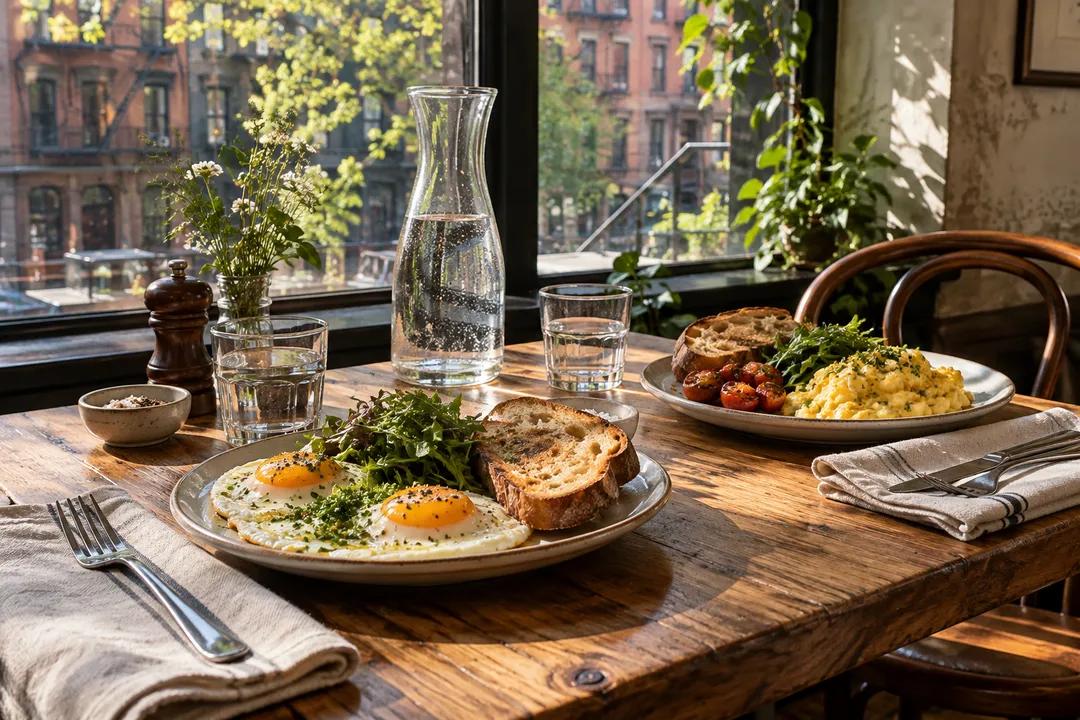
NYC Weekend Plan Builder: Saturday Brunch to River Walks
Connect an NYC Saturday brunch with a gentle riverfront walk in the Karpo APP. Compare two nearby pairings by meal preferences, walking pace, and finish.
A relaxed NYC Saturday works better when brunch and the riverfront walk share one small area. Use a weekend plan builder to connect the meal you want with the distance you actually enjoy walking. Start in the Karpo APP with a late morning window, a starting neighborhood, and a comfortable walking limit. Ask for two meal-and-stroll pairings, then choose the one with the easier transition from the table to the water.
Describe the meal before choosing the view
A sit-down brunch means different things to different people. One friend wants a substantial savory meal, another wants coffee and something light, and someone else needs a clearly stated dietary option. Put those preferences into your opening request together. Also say whether the meal itself is the occasion or simply the start of an afternoon outdoors. That distinction affects how much time and attention you should give the restaurant portion.
Try this opening message: “Help me plan Saturday in NYC, starting around late morning. Two adults want a seated brunch followed by a gentle riverfront stroll. We prefer savory food and a quieter dining room. Keep the walk after the meal under thirty minutes, with somewhere to pause. Show two nearby pairings and explain the tradeoff.” These are your requested conditions, rather than a claim about any particular restaurant or route.
Add the starting point at the level you are comfortable sharing. A neighborhood or subway station can be enough to begin narrowing the search. If you already have a brunch booking, give its location and expected finish instead. Preserve that commitment and ask Karpo to work outward from it. Replacing an existing meal with a more photogenic option can undo the very simplicity you were trying to create for Saturday.
Compare the connecting walk, not just the endpoints
Look at the segment between brunch and the river before judging either option. A waterfront destination can sound close while requiring an awkward approach, a busy crossing, or more walking than your companion wants after eating. Ask the assistant to describe that connecting segment separately from the stroll itself. A useful answer makes three pieces visible: leaving the restaurant, reaching the waterfront, and walking along it toward a natural stopping point.
For the first version, prioritize the shortest connection and a modest stretch beside the water. For the second, allow a longer approach if it offers a more appealing neighborhood walk. Compare them using the same requested limits. You might decide that a side-street approach with a clear finish matters more than the biggest view. Someone who wants to sit after brunch may prefer the version with the least distance before the first pause.
Ask for the reason behind each pairing in ordinary language. “What makes these two stops work together for our pace?” is more useful than requesting another long list of restaurants. The answer should connect food preferences, geography, and how you want to spend the afternoon. If a proposed pair requires a subway ride between the meal and the stroll, decide whether that still meets your idea of a relaxed transition before keeping it.
Give brunch room to run long
Build the outing around a sequence rather than a precise minute-by-minute promise. A meal can take longer because you order another coffee, conversation continues, or service moves slowly. Leave an unassigned interval after the meal and keep the walking portion adjustable. In your request, say which element you are happy to shorten. For this scenario, protecting the sit-down brunch and trimming the stroll usually preserves the original reason for going out.

A helpful follow-up is: “Keep the first pairing, but make the waterfront section optional after a short initial stretch. Give us a clear place to finish without needing to retrace the whole route.” That revision keeps the assistant focused on the connection you selected. It also makes the outing easier to explain to your companion. You have a meal, an approach to the river, and a walk whose length you can choose together.
Skip the extra attraction suggested merely because it sits somewhere along the route. Adding a museum visit, a shopping detour, and another cafe can turn a gentle transition into a checklist. Keep one optional pause only if it supports the day: somewhere to sit, a sheltered break, or a convenient way to head home. Ask Karpo to remove anything that creates a separate journey or a second fixed commitment.
Make the surrounding streets part of the pleasure
The neighborhood between the table and the waterfront deserves its own attention. Request a walk that favors a pleasant approach over collecting landmarks. You can ask for quieter side streets, fewer major crossings, or a direct route when someone wants to reach the water quickly. Treat these as preferences to evaluate against the actual route. A neighborhood name alone does not establish that every block will feel calm or easy to navigate.
Once you have a candidate, ask for a short description of what happens in order. Leave brunch, walk toward the river, take the selected waterfront stretch, and end near your chosen onward connection. Keep the description short enough to remember without repeatedly looking at a screen. If the route includes a branch, label it as optional and say what you gain by taking it, such as a longer view or a slower return.
Weather should change the length of the outdoor segment before it changes the entire day. If you dislike wind or light rain, ask for a version that ends after brunch with a brief neighborhood wander. If you are comfortable outside, keep the riverfront portion and reduce exposed pauses. Neither version needs an invented forecast. Supply the conditions you are planning around and choose how much time you want to spend outdoors under those conditions.
Practical Notes: carry one clear Saturday outline
Before you save the plan, separate your decisions from the suggestions still being considered. Your chosen meal preference, start window, walking limit, and preferred finish belong in the main outline. Unselected restaurants and longer route variants belong below it or can be removed. A compact final message is easier to use than a whole conversation containing several discarded possibilities. Ask Karpo to summarize only the version you intend to follow.
Keep reservation details supplied by the restaurant distinct from the planning conversation. A suggested brunch pairing is a candidate to consider, and an estimated walking duration is a planning aid. When you make a booking yourself, bring the agreed time back into the chat and revise the route around it. You can still use the same meal-to-water structure while making the afternoon reflect the commitment you have actually made.
Save the selected outline or copy its concise summary to share with your companion. Include where you will start, the meal plan, the maximum walk, and the point where either person can call the afternoon complete. Finish your request with “Show the short version we agreed on.” Open the Karpo APP when you are ready to build your own pairing, with your appetite and walking pace guiding the result.
Ask Karpo for more information.
Keep reading
- Crown Heights Rainy Day Kids Activity Finder for Toddlers
 Jackson Heights Rainy Day Kids Activity Finder for Siblings
 Lower East Side Rainy Day Kids Activity Finder by Stroller