 Crown Heights Rainy Day Kids Activity Finder for Toddlers
Weekend Plans
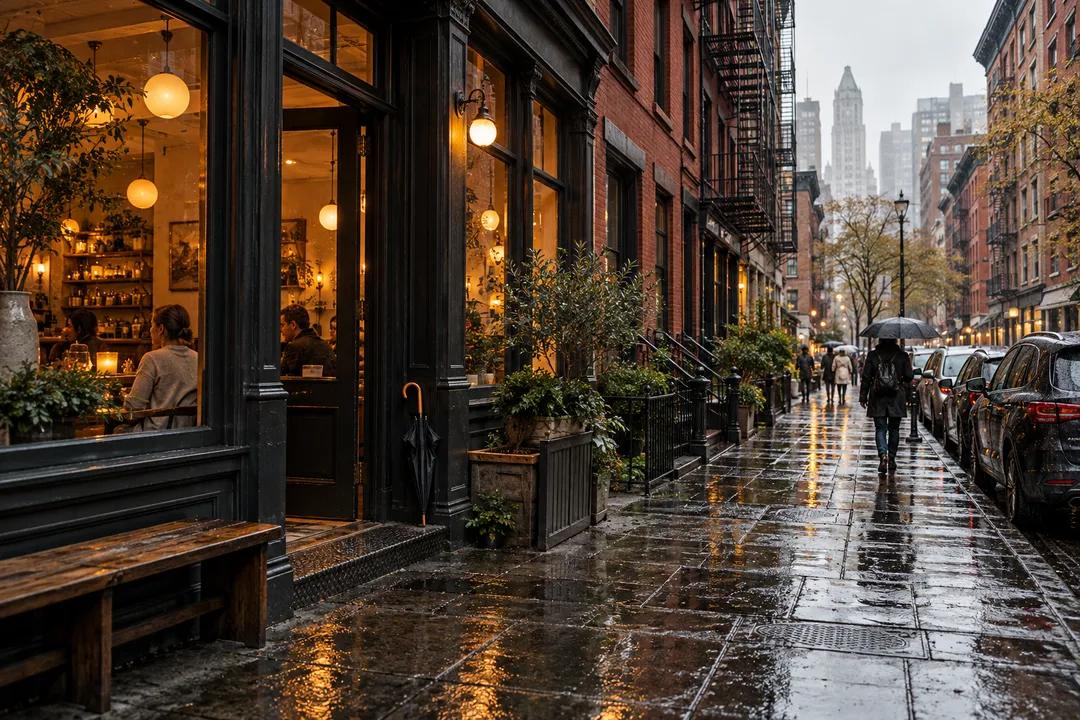
NYC Weekend Plan Builder: Two Stops for Rainy Saturdays
Build a rainy NYC weekend around two indoor stops and a short connection. Use Karpo to compare the order, reduce exposed walks, and keep a nearby backup.
A rainy New York weekend needs two indoor stops and a short connection between them. Use a weekend plan builder to choose the order before choosing five more attractions. In the Karpo APP, begin with your starting neighborhood, the hours you have available, and your tolerance for walking in rain. Ask for a meal paired with one cultural activity, with a second indoor option close to the same route. That gives the afternoon a purpose while leaving the details open for discussion.
Decide how much rain your plan can absorb
A light shower and several hours of heavy rain call for different requests. Describe the condition you want to plan around rather than asking the assistant to guess it. For example, you might accept a short walk under an umbrella but want to avoid outdoor queues. Make that distinction explicit. Your preferred plan can include a brief street connection, while the backup should remove the exposed part instead of merely replacing one outdoor destination with another.
Think about arriving as well as moving between stops. Someone coming from a subway station can tolerate a different first leg from a friend bringing a child in a stroller. Tell Karpo where the outing begins, not just where you hope to spend it. If the starting point is uncertain, describe two possible arrival areas and compare the resulting routes. Choose the one that gives the group an easier first meeting, even if its individual attractions are less famous.
Anchor the afternoon to the activity you care about
Pick either the meal or the cultural visit as your priority. If lunch is the reason for meeting, ask for activities around the dining area. If an exhibition or performance is the attraction, build the meal around that location and its timing. A route becomes difficult when both anchors are treated as immovable but sit far apart. Resolve that conflict before adding coffee, shopping, or an evening extension to the outline.
Indoor does not automatically mean flexible. A performance with a fixed start, a class, and a casual browse impose different commitments. Supply any reservation or ticket time you already hold and ask for the rest of the afternoon to fit around it. Keep an unbooked meal away from the narrow window immediately before a timed entrance. The practical question is whether there is room to finish eating and travel comfortably, rather than whether the map shows a small distance.
Compare the connections before the attractions
Ask for two possible pairings with a short explanation of the journey between them. One could use a short walk, while another requires a subway transfer. Read those explanations alongside the destinations. A slightly less exciting second stop can create a much better afternoon if everyone arrives warm and relaxed. Avoid choosing the strongest individual recommendations and assuming they will combine into a sensible route without further work.
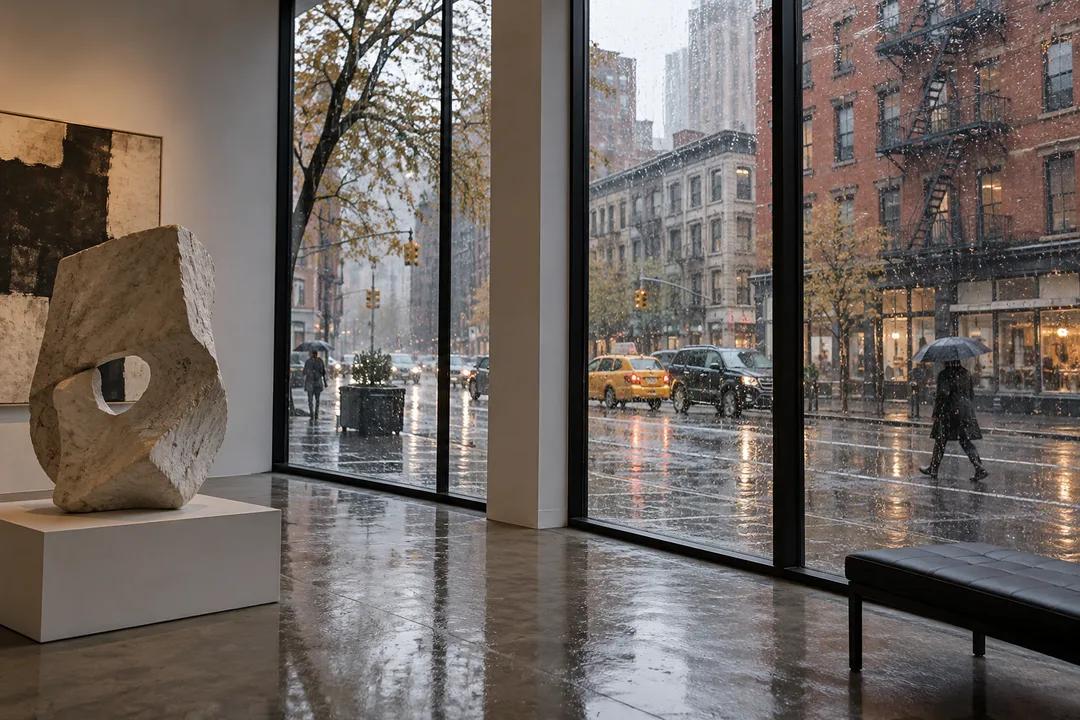
Use your own maximum for an exposed walk. You could request no outdoor leg longer than ten minutes as a planning preference, then assess the actual route and entrances yourself. That number is a limit you set, not a verified travel estimate. Mention stairs, step-free access, or a need to sit down when those affect the decision. A street-level distance alone will not answer whether the connection is appropriate for your group.
Give the weather backup a clear job
A useful fallback replaces the vulnerable part of the plan. If the first activity depends on a pleasant walk, substitute an indoor browse nearby. If the problem is an outdoor wait for lunch, change the meal arrangement while protecting the cultural anchor. Ask Karpo to explain which problem each alternative solves. Two plans with different names but the same exposed journey do not offer much protection from a wet afternoon.
Choose the switch point while you are still comfortable. It might be the moment you leave home or the end of the first activity. Waiting until everyone is wet and hungry makes a minor adjustment feel like a group referendum. Write down a simple decision such as, “If the walk is unpleasant after lunch, use the indoor second stop.” Keep only one fallback in the shared outline so people can understand the choice quickly.
Feed the conversation a complete brief
Try this request: “Plan a rainy Saturday afternoon in lower Manhattan for two adults. We want lunch and one indoor cultural stop, with little walking between them. Begin after our train arrives and finish near transit. Suggest two pairings, explain the order, and include a nearby alternative to the exposed part.” Replace the area, group, and arrival details with your own. These are example instructions, not a claim that a particular business has space or tickets.
Read the first response for missing assumptions. If it suggests an expensive meal without discussing your budget, add a spending ceiling. If it spreads the afternoon across neighborhoods, narrow the search area. If the schedule is crowded, remove the least important stop. A follow-up should change one meaningful condition at a time. You will understand the choices more easily than if you replace the entire request whenever a single recommendation feels unsuitable.
Separate an itinerary idea from a commitment
Keep a distinction between a proposed stop and something you have booked. A recommendation describes what might suit the afternoon. A confirmation from a venue or ticket provider establishes the commitment you can plan around. When you make a purchase, bring its start time and arrival instructions into the conversation. Do not treat a suggested time in the outline as proof that a table, seat, or admission slot has been reserved.
For this kind of outing, the most valuable detail may be a practical one: the correct entrance, somewhere to leave a wet coat, or whether you can arrive early. Use information supplied by the actual provider when those details determine your choice. If a suggestion lacks a necessary detail, choose an alternative you understand better. You can make a confident plan without padding it with unsupported opening hours, prices, or rules.
Practical Notes: keep the wet-day version short
Carry a compact outline containing the first meeting point, the fixed commitment, the second stop, and the indoor alternative. Send it to your companion in the messaging channel you already use. Copying that outline is a manual step; the planning conversation itself does not establish that everyone has received it. Put any booking confirmation beside the relevant stop so nobody confuses a provisional idea with an agreed reservation.
Skip the extra viewpoint or shopping district if reaching it adds another long journey in rain. The afternoon has already succeeded when the meal and cultural visit work together. Return to the Karpo APP if you want to revise the remaining time, giving the location and circumstances you actually have. A strong rainy-day plan ends with an easy departure and a dry second option, rather than a long list that becomes harder to follow with every shower.
Ask Karpo for more information.
Keep reading
- Crown Heights Rainy Day Kids Activity Finder for Toddlers
 Jackson Heights Rainy Day Kids Activity Finder for Siblings
 Lower East Side Rainy Day Kids Activity Finder by Stroller