 Crown Heights Rainy Day Kids Activity Finder for Toddlers
Weekend Plans

Park Slope Weekend Farmers Market Route Planner for Brunch
Down to Earth Park Slope Farmers Market is a smart Sunday stop for hosts: shop by brunch course, cook at home, then lead guests on a Prospect Park walk.
The Down to Earth Park Slope Farmers Market is a neighborhood market made for a very Brooklyn kind of weekend: buying for a home brunch with friends. This weekend farmers market route planner shops by course rather than by stand, so a host can leave with everything for a frittata, a fruit plate, good bread and something sweet in one quick visit, cook at home in a brownstone kitchen, and then lead the whole table into Prospect Park for a slow walk afterward.
Why Park Slope Hosts Shop Here
Park Slope has a long reputation as a neighborhood of home cooks, food co-op members and brunch hosts, and the Down to Earth market fits that culture. Down to Earth Markets is a small operator that runs producer-only markets in New York neighborhoods, so the farmers and bakers behind the tables are usually the people who grew or made what they sell. That makes it easy to ask about a cheese, a green or a jar of preserves before you build a menu around it.
The market is small, which suits hosts. You can see what looks best at a glance, adjust the menu on the spot and be home before your guests leave their apartments. It also has a social feel: neighbors stop to talk, kids hang off stroller handles, and someone is always planning a dinner of their own. You will hear more than one conversation about recipes while you wait.
Plan the Menu as Four Courses
Brunch for six is easiest when you think in four parts: something savory and hot, something fresh, bread with spreads, and something sweet. A frittata or a big egg bake covers the savory part and can absorb whatever vegetables look best. Fresh means a fruit plate or a bright salad. Bread with butter, honey or jam fills the table, and a pastry or a simple fruit crumble ends the meal.
Write those four headings on a note and fill them at the market rather than before. If the kale is great, it goes in the frittata; if the pears are perfect, they become the fruit plate. Thinking in courses keeps you from buying ten things that do not fit together and helps guests feel like the meal was planned, even when it was decided at the stall twenty minutes earlier.
Shopping by Course in One Loop
Start with eggs, since they are the base of the savory course and you will want them carefully packed at the bottom of a sturdy bag. Add greens, onions, a squash or mushrooms for the frittata, and a little cheese if a dairy farm is selling that day. Then move to fruit for the fresh course, and choose what you can serve raw without fuss, such as apples, pears or grapes in autumn.
Finish with bread and something sweet. A dense country loaf slices well for a crowd and stays good if brunch runs late. A jar of local honey or fruit butter turns plain toast into something guests will ask about. If you have a sweet tooth in the group, a baker stand may have a pie, cookies or a cake that saves you from making dessert yourself.

Cooking at Home Without Stress
Back in the kitchen, start the frittata first because it needs time in the oven and can rest while you prepare everything else. Slice fruit just before guests arrive so it stays fresh, and warm the bread briefly in the oven once the frittata comes out. Set honey, jam and butter in small bowls so people can help themselves without passing jars around the table.
Keep the menu simple enough that you can sit down with your friends. Brownstone kitchens are often narrow, and a host stuck at the stove misses the best part of brunch. If someone offers to help, give them the fruit plate or the coffee. The farmers market did the hard work by supplying great ingredients; your job is just not to overcomplicate them.
The After-Brunch Walk Into Prospect Park
Once the plates are cleared, walk everyone up the slope toward Prospect Park. The park was designed by the same team behind Central Park, and many New Yorkers think it is the better of the two. The Long Meadow is a vast stretch of open lawn perfect for an easy stroll, and on weekends it fills with dogs, ball games and families lying in the sun.
For a slightly longer walk, follow the paths toward the lake or the wooded ravine, where the city noise fades. Guests who want something more structured can loop part of the park drive, shared by runners and cyclists. A walk after brunch turns a meal into an afternoon and gives everyone a reason to stay together a little longer before heading home.
Seasonal Notes and a Rainy Day Backup
Like many neighborhood markets, the Park Slope market changes with the seasons. In late autumn, look for apples, squash, roots, greens from cooler fields, eggs, cheese and baked goods, and plan the menu around those. Some farms rotate out in winter, so build the menu on reliable staples and treat anything special as a bonus.
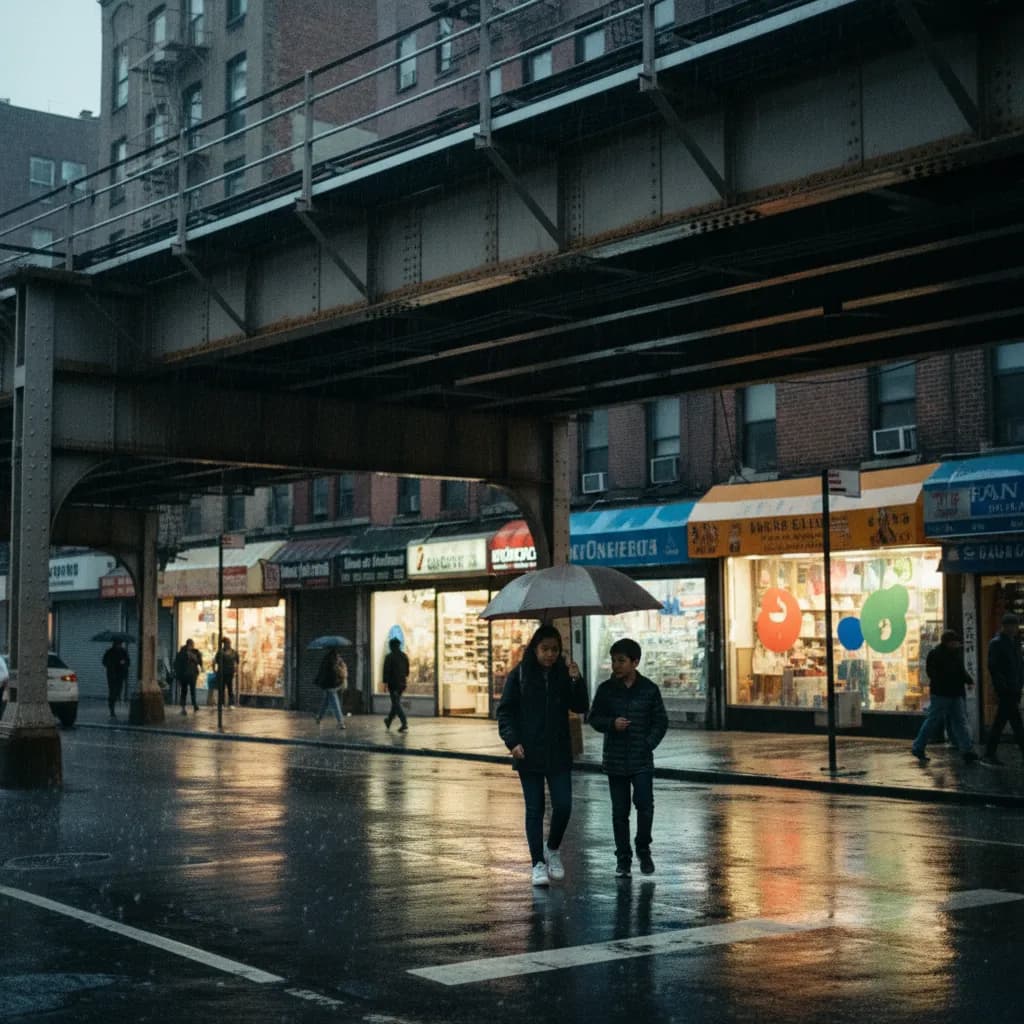
If rain cancels the park walk, extend brunch instead. Bake an apple crumble with leftover fruit, put on a second pot of coffee, and let the afternoon run long indoors. A good host plan has a wet weather version that feels just as relaxed as the sunny one, and the market haul makes both possible.
Using the Karpo APP to Line Up Your Sunday
The Karpo APP can help you find farmers markets near you and add ideas for the rest of the day, like a coffee shop for guests who arrive early or a bakery for extra pastries. Ask a day ahead, so you have a plan before you shop. Karpo suggests places and helps you shape a route; it does not reserve anything or check stall stock for you.
After one Sunday, you will have a template for every future brunch: shop by course, cook simply, walk the park. Change the menu with the season, invite different friends and let the Park Slope market supply the details. That rhythm is what makes neighborhood markets so valuable to the people who live around them.
Ask Karpo for more information.
Keep reading
- Crown Heights Rainy Day Kids Activity Finder for Toddlers
 Jackson Heights Rainy Day Kids Activity Finder for Siblings
 Lower East Side Rainy Day Kids Activity Finder by Stroller