 Crown Heights Rainy Day Kids Activity Finder for Toddlers
Weekend Plans
SoHo Weekend Craft Fair Finder: Free Saturday Artisan Walk
Explore SoHo weekend craft fairs along Prince and Broadway with free Saturday entry. Discover local ceramics and custom jewelry without the crowds.
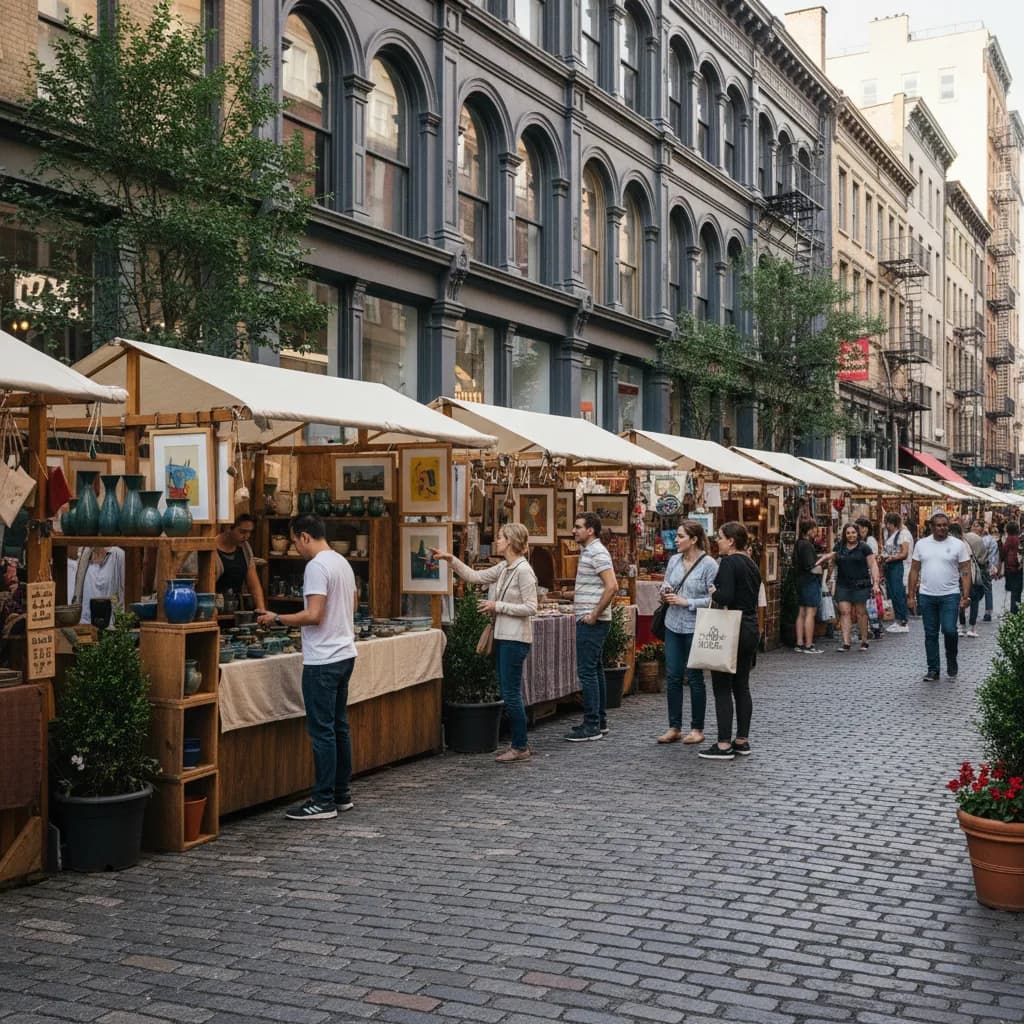
Morning sunlight cuts across Prince Street as independent artisans set up wooden display trestles beneath soaring nineteenth-century cast-iron facades. Wandering through SoHo during a weekend morning offers a remarkably intimate glimpse into New York's creative design community before commercial shopping crowds flood the sidewalks. From hand-thrown speckled ceramic cups to bench-crafted recycled silver rings, the neighborhood's weekend craft pop-ups showcase studio pieces produced directly across the five boroughs.
Historic Cast-Iron Streets and Sidewalk Artisan Booths
Cobblestone side streets branching off West Broadway provide atmospheric staging grounds where regional ceramicists and printmakers gather. Ornate architectural details and wide sidewalks along Greene and Wooster Streets shield early browsers from vehicular traffic. Makers arrange tactile wares on clean linen tablecloths, letting the natural daylight illuminate rich glaze finishes and hand-carved textures. Strolling along these historic blocks feels relaxed and personal, turning weekend craft hunting into an unhurried visual excursion.
Local illustrators showcase limited risograph prints depicting iconic Lower Manhattan water towers, fire escapes, and neighborhood streetscapes. Browsers can speak directly with the printmakers regarding paper weights, non-toxic soy inks, and historic letterpress printing methods. Many illustrators also bring hand-bound notebooks stitched with waxed linen thread and filled with recycled sketch paper. These compact paper goods make thoughtful gifts and functional keepsakes celebrating New York's enduring printmaking heritage.
Woodworkers from Hudson Valley studios frequently transport sculptural walnut cutting boards, turned salad bowls, and hand-carved coffee scoops. Each wooden piece preserves distinct natural grain patterns, finished with food-safe organic beeswax and mineral oil. Makers gladly explain proper wood care, recommending occasional oiling to maintain moisture balance across seasonal indoor humidity shifts. Holding a smoothly hand-planed cherry utensil highlights the substantial difference between mass manufacturing and dedicated timber craft.
Textile designers present naturally dyed linen napkins, canvas market totes, and hand-woven merino wool scarves arranged by color gradient. Artisans utilize plant-derived pigments such as indigo, madder root, and marigold petals to achieve earthy, nuanced color palettes. Shoppers appreciate the breathable drape and durable construction of double-stitched cotton aprons built for studio work and cooking. Conversations at these textile booths often explore sustainable slow-fashion techniques and botanical dye extraction.
Glassblowers display delicate borosilicate bud vases, colorful ribbed drinking tumblers, and sculpted glass stirring rods. The morning light reflecting through transparent amber and seafoam glass vessels catches the attention of passing neighborhood residents. Makers share technical stories regarding annealing oven temperatures, color rods, and the demanding timing required during hot shop manipulation. Selecting a pair of handmade cocktail glasses adds genuine character and artistic weight to home bar setups.
Independent candle pourers curate small-batch soy and coconut wax candles housed in reusable matte ceramic containers. Fragrance blends avoid synthetic additives, featuring complex scent profiles like smoked cedarwood, damp moss, bergamot, and ripe black fig. Makers trim cotton wicks by hand and provide straightforward advice on burn memory to ensure an even wax melt pool. These calming botanical scents evoke peaceful forest trails and quiet morning studio sessions.
Studio Ceramicists and Bench-Crafted Jewelry
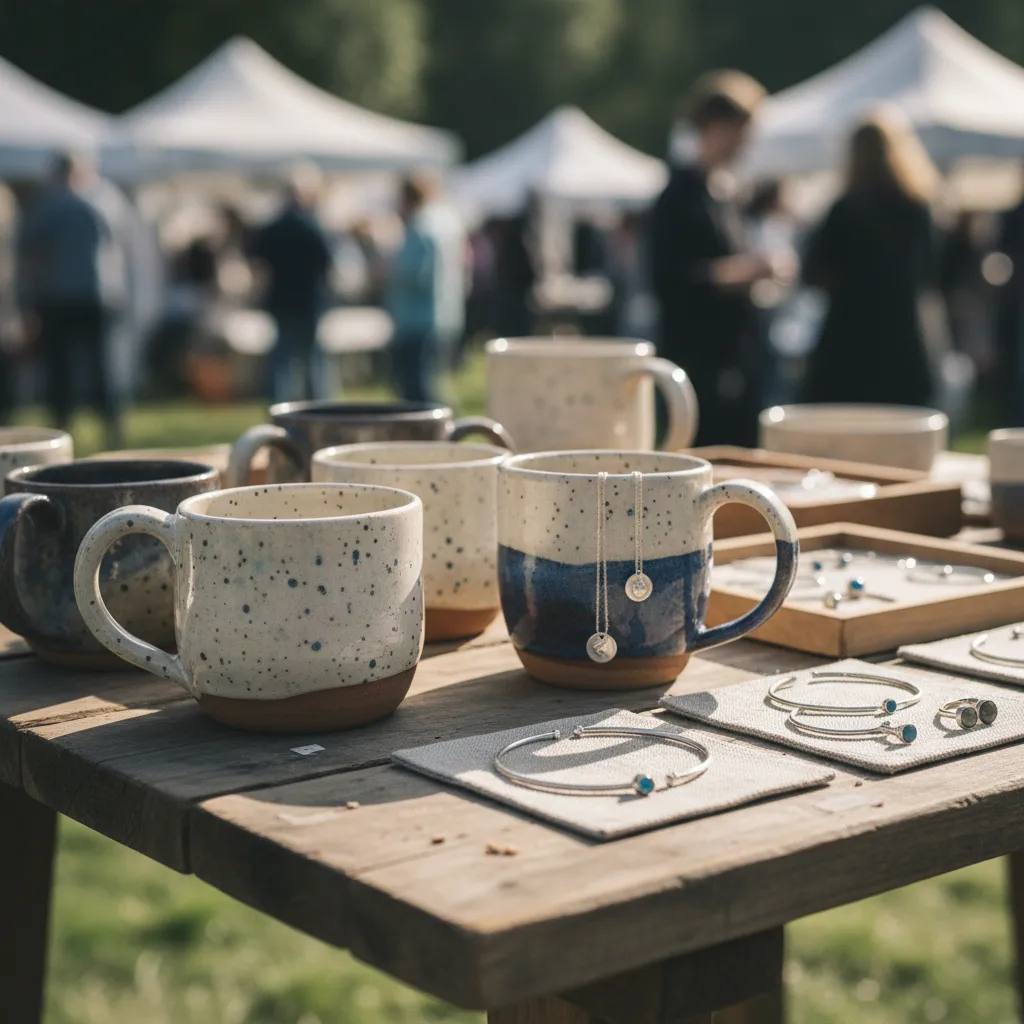
Pottery tables anchored along Spring and Mercer Streets highlight functional tableware crafted on neighborhood pottery wheels. Ceramic artists display generously sized coffee mugs featuring ergonomic pulled handles that rest comfortably against the fingers. Glaze combinations range from understated matte charcoal and chalk white to reactive celadon pooling around carved base trims. Customers often test mug balance and rim thickness to find the exact vessel that fits their daily morning routine.
Slip-cast porcelain planters with integrated drainage saucers draw urban gardeners looking to repot trailing pothos and hardy succulents. The clean geometry of geometric faceted planters complements SoHo's industrial loft interiors and minimalist apartment shelves. Potters point out subtle clay body variations, demonstrating how dark grog creates warm iron specks beneath satin white glaze coats. These durable vessels withstand daily watering while lending refined architectural elegance to sunny windowsill displays.
Jewelry designers display velvet-lined cases filled with hand-fabricated earrings, signet rings, and delicate gemstone necklaces. Metalsmiths shape recycled sterling silver and fourteen-karat gold wire using miniature anvils, chasing hammers, and jeweler's saws. Raw baroque pearls and bezel-set tourmaline slices celebrate natural geological asymmetry rather than rigid commercial uniformity. Shoppers can request immediate on-site sizing adjustments or ring sizing measurements directly from the jeweler.
Minimalist brass cuffs and hammered bangles offer timeless, durable adornments that develop an appealing natural patina over months of wear. Designers demonstrate how to clean oxidized metal with polishing cloths or embrace the deepening golden hues created by skin contact. Earrings feature hypoallergenic titanium and gold-fill posts, ensuring comfortable day-long wear for sensitive skin. Purchasing directly from the maker guarantees transparent provenance and thoughtful craftsmanship behind every clasp.
Enamel artists introduce vibrant miniature wearable art through kiln-fired glass powders fused onto copper and fine silver backings. Pendant necklaces capture miniature landscape horizons, abstract brushstrokes, and vivid geometric color blocks. Artists describe the multi-stage firing cycles inside tabletop kilns where enamel layers fuse at temperatures exceeding fourteen hundred degrees. The finished glass surfaces remain permanently scratch-resistant and radiantly colorful across decades of enjoyment.
Apothecary Goods, Leather Craft, and Small-Batch Finds
Boutique leatherworkers arrange hand-stitched vegetable-tanned wallets, brass-buckled belts, and passport covers along rugged canvas runners. Craftspeople employ traditional two-needle saddle stitching using waxed linen thread that will never unravel even if a single stitch breaks. Edges are hand-beveled and burnished with natural beeswax, producing glass-smooth borders that slip effortlessly into denim pockets. The rich aroma of full-grain cowhide draws discerning visitors who value heirloom durability over disposable accessories.
Herbal apothecary makers assemble organic botanical body balms, cold-pressed beard oils, and soothing mineral bath salts. Formulations feature certified organic plant oils like jojoba, rosehip seed, and calendula infused over slow lunar cycles. Makers package creams in recyclable amber glass jars to protect delicate botanical extracts from ultraviolet light degradation. Sampling a tester of whipped shea butter leaves hands nourished and lightly scented with wild lavender and frankincense.
Artisan stationers present hand-marbled wrapping papers, greeting cards printed on vintage Heidelberg presses, and wax seal accessories. The mesmerizing swirling pigments of marbled paper sheets demonstrate centuries-old ebru techniques adapted with modern palettes. Writers select heavyweight cotton envelopes and brass dip pen nibs to elevate personal correspondence and letter writing. Stationery booths provide quiet respite where paper enthusiasts can admire deckled edges and watermarked cotton fiber.
Small-batch gourmet producers offer raw wildflower honey jars harvested from rooftop apiaries across Brooklyn and Queens. Beekeepers explain how seasonal blossoms like basswood, clover, and autumn goldenrod yield distinctly different flavor profiles and hues. Tasting spoons reveal floral top notes followed by rich caramel undertones completely distinct from supermarket pasteurized honey. Pairing neighborhood honey with local market finds forms a delicious connection to regional urban biodiversity.
Handmade linen tea towels printed with water-based inks depict botanical botanical sketches and culinary herb diagrams. Flax fibers grow softer and increasingly absorbent with each wash cycle, outlasting conventional synthetic kitchen textiles. Textile makers sew durable hanging twill loops onto corners, allowing towels to air-dry conveniently beside kitchen sinks. These practical domestic wares introduce artistic warmth and daily functionality into kitchen work spaces.
Connecting Market Browsing with Neighborhood Strolls
After browsing through the morning stalls, stepping into the quiet cobblestone corridor of Crosby Street reveals independent coffee houses. Grab a balanced flat white or Ethiopian pour-over to sip while inspecting your newly acquired ceramics and paper goods. The contrast between SoHo's bustling retail avenues and its tranquil interior mews creates a rewarding rhythm for weekend exploration. Brick stoops along Howard and Mercer Streets provide inviting perches to rest feet and review craft fair finds.
Design enthusiasts can extend their walking route eastward toward the Lower East Side to visit artist-run project spaces. The neighborhood's seamless architectural continuity transitions from cast-iron industrial lofts into historic tenement brick facades. Browsing contemporary art galleries provides cultural context that parallels the innovative spirit seen at independent maker booths. This gentle cross-neighborhood connection turns a simple market stop into a rich afternoon of visual inspiration.
Culinary options nearby include historic Italian bakeries serving espresso and cannoli alongside contemporary sourdough sandwich counters. Sharing an artisan focaccia sandwich on a shaded park bench at nearby Duarte Square caps off a successful morning stroll. Carrying a lightweight canvas market bag ensures purchases remain protected without encumbering leisurely pedestrian exploration. SoHo's compact walkability allows visitors to navigate between maker booths, historic architecture, and dining without taking transit.
Late afternoon light reflects warmly off western cast-iron facades, signaling the gradual close of outdoor artisan pop-ups. Makers begin wrapping remaining delicate ceramics in protective kraft paper, packing inventory into sturdy road trunks. Catching artisans during these final hours occasionally yields pleasant conversations about upcoming holiday market dates. Walking toward the subway with handcrafted goods creates lasting sensory memories of New York's grassroots maker culture.
Practical Planning and Seamless Weekend Navigation
Planning an optimal visit to SoHo's weekend craft fairs begins with timing your arrival between ten and eleven in the morning. Early hours offer uncrowded browsing, the fullest selection of one-of-a-kind wares, and ample time to chat with individual artists. Nearly all vendors accept contactless credit cards, debit taps, and mobile payments, though keeping small cash bills proves helpful. Carrying a reusable canvas tote bag protects delicate ceramic pieces and eliminates unnecessary single-use plastic packaging.
Public transit access into the cast-iron district is straightforward via multiple subway lines converging on Prince and Spring Streets. Subway riders can disembark at the Prince Street station along the N, R, and W lines, or the Spring Street C and E station. Approaching from the east via the B, D, F, or M trains at Broadway-Lafayette puts you directly at the northern gate of SoHo's craft corridor. Walking between subway portals and maker market booths rarely exceeds three short city blocks.
Dress in comfortable flat walking shoes designed for navigating historic granite cobblestones and uneven sidewalk curb cuts. Check daily morning weather forecasts, as outdoor artisan booths operate primarily during clear skies and mild ambient conditions. Many makers maintain active studio email newsletters, allowing satisfied buyers to commission custom work or order replacement tableware later. Documenting maker business cards ensures you can track artist collections as their creative practices evolve.
To discover freshly scheduled artisan pop-ups and map effortless walking connections across SoHo, turn to the Karpo APP. The Karpo APP serves as your proactive AI city assistant, suggesting neighborhood coffee stops, scenic pedestrian routes, and weekend market dates. Rather than sifting through outdated online directories, use the Karpo APP to curate a personalized weekend itinerary tailored to your artistic taste. It helps you uncover hidden maker tables and architectural gems across New York with genuine local confidence.
Ask Karpo for more information.
Keep reading
- Crown Heights Rainy Day Kids Activity Finder for Toddlers
 Jackson Heights Rainy Day Kids Activity Finder for Siblings
 Lower East Side Rainy Day Kids Activity Finder by Stroller