 Fort Greene Holiday Market Browsing Guide for Young Shoppers
Weekend Plans

NYC Weekend Activity Comparator: Museum or Park to Pick
Choose an NYC museum or park walk by comparing weather exposure, attention, walking effort and total outing time before shaping your Saturday plan.
A museum visit suits a Saturday when sustained attention and shelter matter most. A Central Park walk suits a day when movement, conversation and the freedom to leave early matter more. Use a weekend activity comparator to judge those outcomes against your actual afternoon, rather than treating the two outings as interchangeable things to tick off in New York. In the Karpo APP, describe your starting neighborhood, available time and appetite for walking, then ask for the choices to be compared on those terms.
Decide what would make the afternoon worthwhile
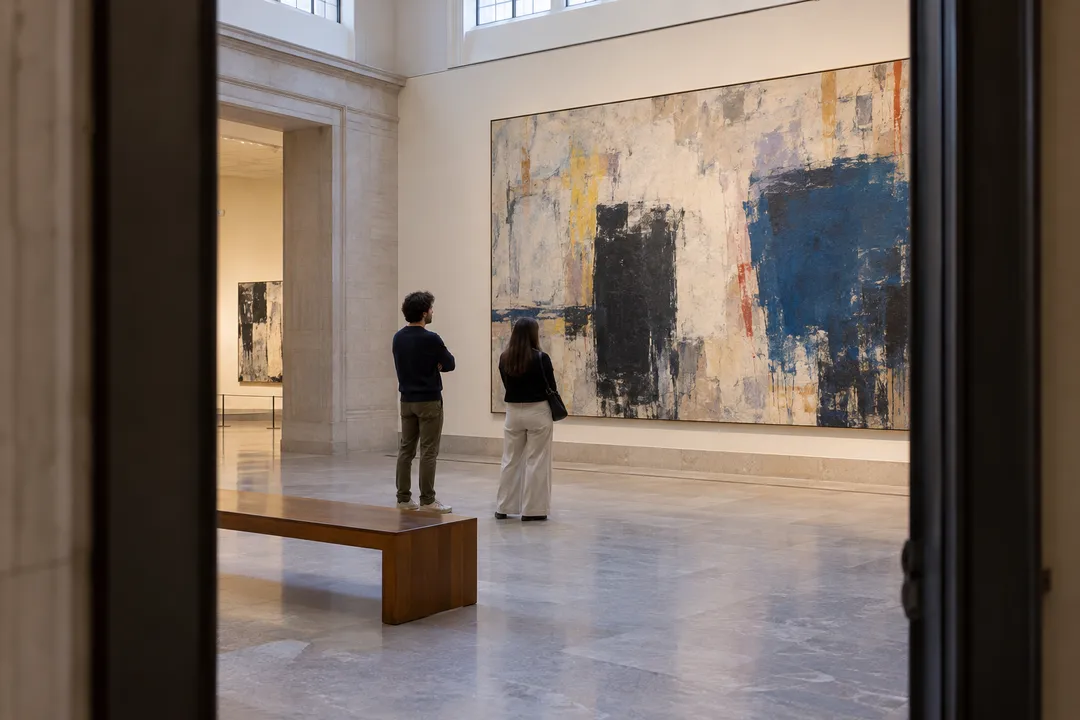
Begin with the experience you want to remember. Looking closely at a small selection of artworks is a different ambition from getting outside after a desk-bound week. A museum can provide a subject for conversation, but reading labels together can also interrupt it. A park loop leaves conversation open, while requiring you to supply more of the afternoon's structure. Neither result is automatically more cultured or more relaxing. Give each person one sentence to describe a successful Saturday before discussing destinations.
Separate a wish from a requirement. Someone might prefer sunshine yet be perfectly happy with an indoor afternoon. Someone else might need regular seating, making an uninterrupted walking loop unsuitable. Record those as different kinds of constraint. Requirements eliminate an option when it cannot meet them. Wishes help rank the remaining choices. This prevents a visually exciting exhibition from winning a comparison that quietly ignores the person who cannot comfortably stand for long periods.
Count the whole outing rather than the central activity
Write down a departure time and a time by which everyone must be home. Between those boundaries, allow for getting to the entrance, joining any entry process, leaving bags where required, taking a break and returning. For a museum, choose a limited viewing goal, such as one collection area, instead of assuming the entire building belongs in the plan. For a park visit, pick an entry point and a turnaround rule. A loop with no agreed end can grow beyond the time people intended to spend.
Here is a planning example, not a promise about a particular museum or route. Suppose the group has three hours from door to door. If travel consumes an hour and a pause takes another twenty minutes, the activity has roughly one hundred minutes left. That may support a focused exhibition visit or a compact walk. It does not support both at full length. Ask Karpo to make this time allocation visible, using the travel estimates and starting point supplied in your conversation.
Treat weather tolerance as a personal input
A forecast matters differently to different people. Light rain may be acceptable to walkers who have suitable coats and an easy way home, but enough to spoil an afternoon for someone carrying a camera or managing wet clothing with children. Wind and temperature deserve separate attention from the rain symbol. State the conditions you are willing to experience outdoors. Ask for the park option to be evaluated against the forecast you provide, rather than interpreting an attractive route as evidence that the weather will cooperate.
Indoor time also has an outdoor edge. Reaching a museum still involves the journey and the entrance, and leaving it may mean walking to another connection. Compare the exposed portions of each outing. If the forecast is uncertain, decide in advance what would trigger the indoor choice and when you will make that decision. A useful fallback is close to the original travel corridor and serves the same people. An unrelated destination across town adds another planning problem at precisely the wrong moment.
Compare spending without inventing admission prices
Use the amounts you have actually found for the specific options under consideration. Keep admission, transport, food and optional purchases on separate lines. If an exhibition has a separate ticket from general entry, that distinction belongs in the comparison. A park walk can still lead to paid transport and a meal, so an empty admission line is not a complete cost estimate. Equally, a museum afternoon need not include a shop purchase or a restaurant stop simply because those are available.
An undecided budget is easier to discuss as a ceiling. Tell Karpo the maximum each person wants to spend and which costs that limit includes. Ask it to identify the cost that could change the recommendation, rather than smoothing unknown amounts into an apparently precise total. For example, a paid exhibit may be attractive only if the group can eat beforehand. A walk may fit the same ceiling only if the route finishes near the transport people already intend to use.
Give attention and physical effort different scores
Museum fatigue is often about standing, concentration and repeated small decisions. Walking fatigue is about distance, pace, terrain and exposure. Putting both under a single label such as easy hides the reason one person enjoys an option and another does not. Describe the relevant limits in plain terms: how long someone wants to stand, how much walking feels pleasant, whether stairs matter, and whether quiet pauses are part of the appeal. Avoid assuming that an indoor attraction is physically effortless.
For a mixed group, compare participation rather than endurance alone. A keen walker may happily shorten a loop if it creates a better conversation. An art enthusiast may prefer fewer rooms with engaged companions to a long visit with a reluctant group. Ask for an itinerary that preserves the main pleasure of each option after these adjustments. If shortening the museum visit removes the very exhibit someone wanted, that is a material loss. If shortening the walk still delivers an outdoor reset, the compromise is less costly.
Turn the comparison into one answer and one fallback
A useful prompt could read: We are two adults starting on the Upper West Side on Saturday afternoon. Compare a focused museum visit with a short Central Park walk. We have three hours including travel, want a seated pause, and prefer conversation over covering lots of ground. Use the forecast and ticket information I give you. Explain which plan fits better, what we give up, and how the recommendation changes if rain becomes the deciding factor. This supplies a decision problem without claiming any particular exhibition is available.
Read the response for the reason behind its choice. A recommendation should connect your priorities to the proposed outing and expose the assumption most likely to reverse it. Then choose the primary plan, the weather alternative and the latest departure that still makes the afternoon work. Complete any ticket purchase through the relevant provider as a separate action. The value of this comparison is a Saturday that fits the people attending, with enough slack to enjoy it instead of spending the entire afternoon trying to catch up.
Ask Karpo for more information.
Keep reading
- Fort Greene Holiday Market Browsing Guide for Young Shoppers
 DUMBO Holiday Market Browsing Guide for Gifts to Mail Home
 Midtown East Holiday Market Browsing Guide for Commuters