 Fort Greene Holiday Market Browsing Guide for Young Shoppers
Weekend Plans
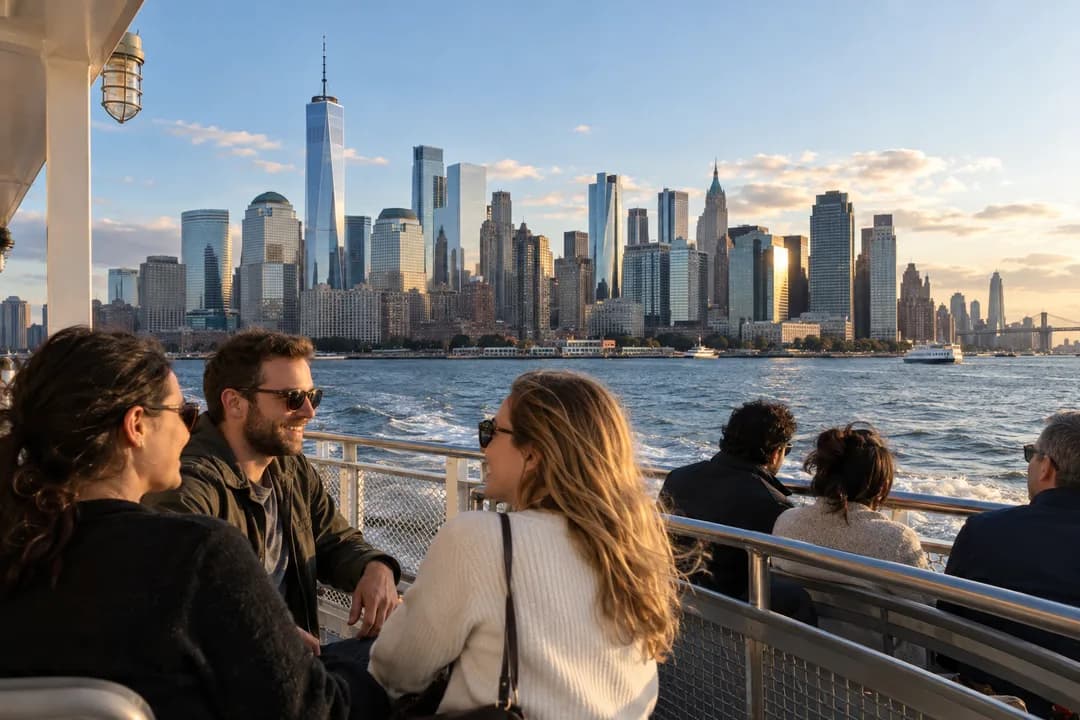
NYC Weekend Activity Comparator: Ferry or Subway for You
Compare an NYC ferry outing with a subway food crawl using full travel time, shared meals, crowd tolerance and the return trip that suits your group.
Choose an East River ferry outing when being on the water is part of the point. Choose a subway food crawl when the dishes and neighborhoods matter more than the ride between them. A weekend activity comparator helps distinguish those priorities before a casual New York afternoon becomes a series of connections. Tell the Karpo APP where your group starts, how many food stops you really want and how much waiting feels reasonable, then ask it to weigh the two routes against the same finish time.
Is the journey an attraction or an interruption?
Imagine removing every food stop from the ferry plan. If the group would still enjoy the water, skyline and time together on deck, the journey has independent value. Now remove the subway ride from the food crawl. If nobody misses it, transport is serving the destinations rather than supplying the entertainment. This distinction changes how to judge delays. Waiting for a sailing may feel acceptable during a deliberately unhurried waterfront afternoon and frustrating when everyone is already hungry and focused on lunch.
Ask each participant to choose one nonnegotiable pleasure: a particular type of food, an outdoor view, an unfamiliar neighborhood or an easy conversation. Keep the answers visible while drawing the route. Otherwise the planner can become attached to an elegant sequence of transfers that does not deliver what anyone wanted. A ferry excursion with one good meal may beat a complicated crawl for the sightseeing group. Three well-chosen food stops connected by a simple rail journey may better suit the food-focused group.
Build the route around the slowest transition
The relevant ferry travel time starts before boarding and ends after reaching the next destination on foot. Include the approach to the landing, any wait, the crossing and the walk away from the water. For the subway alternative, count the walk to the station, transfers, platform time and the final approach to each food stop. Use route-specific estimates as planning inputs. Do not compare only the time a vehicle is moving, because that makes the more complicated outing look artificially efficient.
A practical exercise is to add a missed connection to each version. Ask what happens if the group cannot take the intended sailing or train. Does the next step remain enjoyable, or does lunch slide into an uncomfortable time? This is a stress test, not a prediction of transit trouble. A route with one flexible food destination can absorb the delay better than a chain of tightly timed stops. Let the consequence of one missed transition help decide how many neighborhoods belong in the afternoon.
Predict the kind of crowd you can tolerate
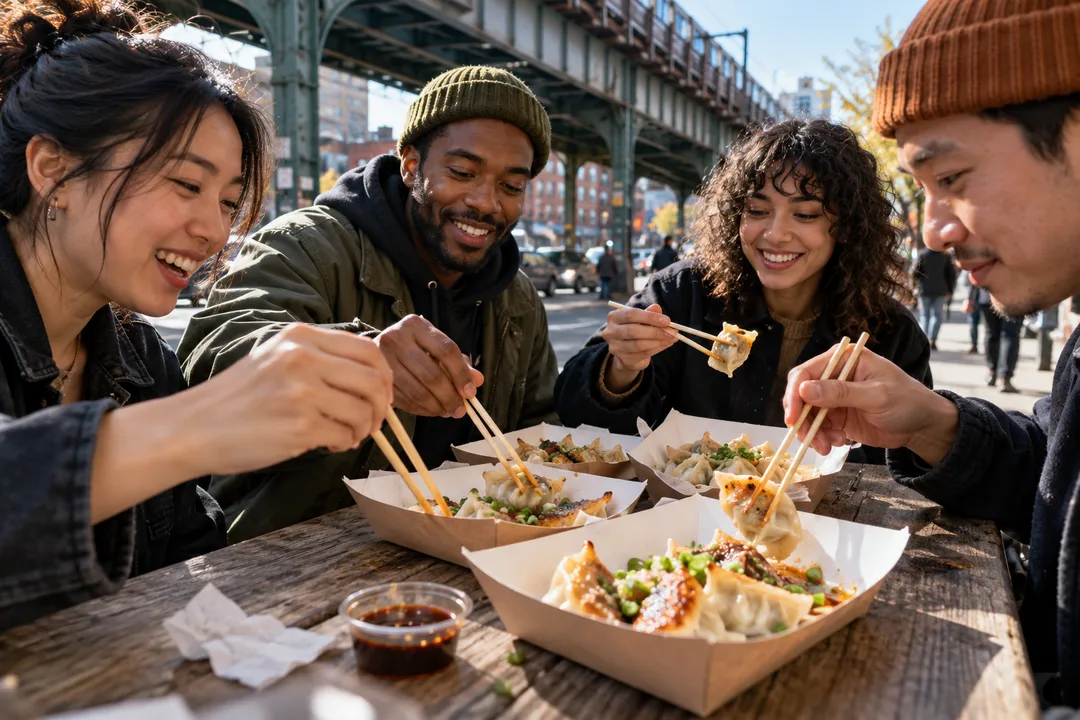
Crowding is not one uniform experience. A busy landing may mean standing together in a queue. A full train may make conversation difficult and split people across doors. A popular food counter may involve a line, a narrow ordering area and limited space to eat. Describe which of those situations bothers your group most. Someone who dislikes packed interiors may prefer an outdoor wait, while a person who needs seating may find both options demanding without a deliberately placed break.
Ask Karpo to compare the crowd exposure built into each route rather than present a live crowd score. You can supply observations, operator notices or known event information when you have them. The planning question remains useful without a crowd prediction: how many times does the group enter a constrained space, and where can it pause without blocking others? Fewer transfers and fewer must-visit counters generally mean fewer opportunities for the group to lose its rhythm, even when exact attendance is unknown.
Budget for bites, fares and the walk away
A food crawl encourages repeated small purchases. That can be enjoyable, but a low price per item does not tell you the total cost of an afternoon. Set a number of tasting stops and agree whether dishes are shared or bought individually. Include drinks and transport in the same budget conversation. The ferry option may involve fewer meals and more sightseeing, or it may accumulate several fares if the route is built around repeated boarding. Use the actual fare rules for the service you select.
Avoid designing a return trip that depends on everyone being willing to pay for an unplanned ride. End near a connection the group is comfortable using, and consider how far each person still has to travel afterward. In the comparison, a slightly more expensive main route can be worthwhile if it avoids a costly or exhausting final leg. Conversely, an exciting waterfront finish may lose its appeal when it leaves one participant with a much longer journey home than everyone else.
Food timing deserves its own plan
Hungry people are less flexible about a scenic detour. Decide whether the first substantial bite comes before the first journey or after it. If the ferry ride is the attraction, eating beforehand can protect the crossing from becoming a countdown to lunch. If tasting several dishes is the attraction, make the first stop easy to reach and modest enough that later stops still feel appealing. A crawl needs an appetite plan as much as a transport plan, especially when children or dietary restrictions are involved.
Dietary fit should be tested at every proposed stop, not averaged across the whole route. A person who can only eat at the final destination spends the earlier part of the afternoon watching others. Ask for substitutes close to the same path, with the relevant food requirements stated explicitly. Keep those substitutes optional until a venue and its offerings have been selected. A generic promise of something for everyone is less useful than identifying the stop where the group would otherwise have to split.
Weather can change what the ferry contributes
A clear view and comfortable outdoor conditions can make time on the river the highlight. Rain, wind or a preference for shelter can reduce that advantage. Evaluate the actual forecast you intend to use and the exposed portions of the route, including landings and waterfront walks. The subway version is not entirely indoors either: walking between stations and food counters still matters. A fair comparison measures the exposure of the full route rather than assigning one plan the label weatherproof.
If weather becomes the deciding factor, preserve the afternoon's purpose while simplifying its geography. A food-focused plan can stay within one neighborhood instead of turning into a cross-borough challenge. A sightseeing plan can be postponed if the water experience is the only reason to go. It is reasonable for the comparison to recommend a smaller outing. Filling every available hour is not a requirement, and avoiding a long recovery journey can leave the group happier with what it actually did.
Ask for a route you can explain to the group
Try this in the Karpo APP: Compare an East River ferry excursion with a subway food crawl for four friends starting in Lower Manhattan. We want two shared food stops, an outdoor view and a relaxed finish before dinner. We dislike repeated transfers. Use the weather and fare details I supply, show the full journey time, and identify what to drop if one connection takes longer. Ask for the stronger option first, followed by the tradeoff that makes the other option worth considering.
Once the group agrees, write down the starting meeting point, first food decision, route endpoint and return plan. Obtain tickets or make any venue arrangements through the appropriate provider. Treat the conversation as help choosing a workable sequence, with each booking handled separately. A successful ferry afternoon does not need to sample every borough, and a successful food crawl does not need to win a mileage contest. The right route gives the group enough of its chosen pleasure without making transport the main thing it remembers.
Ask Karpo for more information.
Keep reading
- Fort Greene Holiday Market Browsing Guide for Young Shoppers
 DUMBO Holiday Market Browsing Guide for Gifts to Mail Home
 Midtown East Holiday Market Browsing Guide for Commuters