 Fort Greene Holiday Market Browsing Guide for Young Shoppers
Weekend Plans
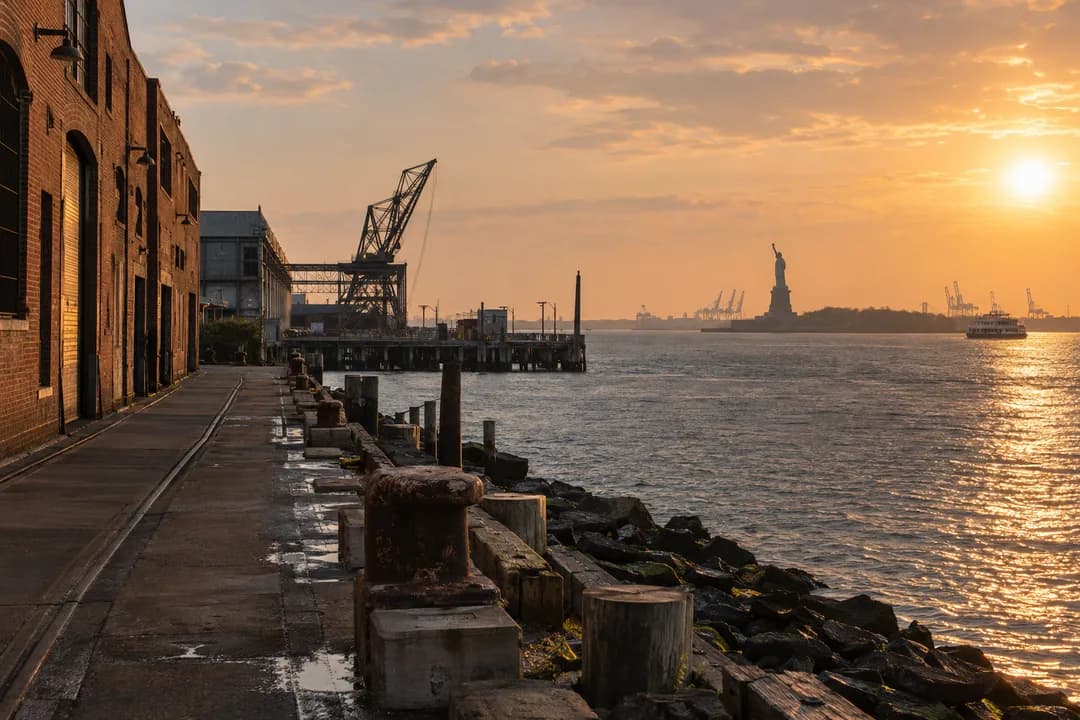
Waterfront Esplanade Walk: Red Hook Harbor Route
Shape a Red Hook waterfront esplanade walk around harbor silence, working edges, Valentino Park, and a flexible route that respects wind and distance.
A Red Hook waterfront esplanade walk has a different emotional register from the polished riverfronts: working piers, brick edges, open harbor, and long views that ask for patience. In Karpo APP, say whether the group wants industrial atmosphere, a quiet harbor reset, or a route built around the Statue of Liberty horizon. Add a comfortable walking time and whether the return should be direct. The planner can then connect one strong waterfront line to Valentino Park, keep the long edge optional, and make the ending feel intentional rather than remote.
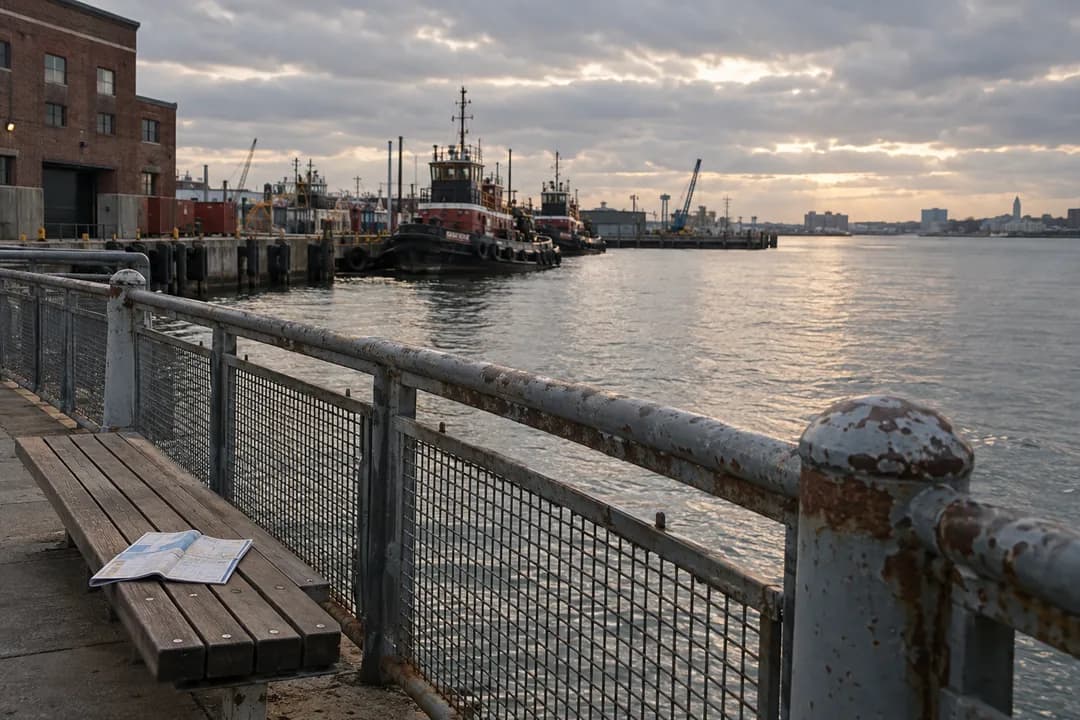
Begin With Working Harbor Texture
Start with the working harbor texture because it gives Red Hook its identity. Ask for a first segment that notices piers, ropes, warehouses, and the water’s movement without turning each object into a separate stop. The group can walk, talk, and let the surroundings supply the detail. A route that begins with texture also sets expectations: this is a slower, more observational outing than a landmark sprint. Keep the opening straightforward so everyone understands the mood before the path widens toward the harbor.
Use Valentino Park as the Turn
Louis Valentino Jr. Park makes a natural turn because it concentrates the harbor view and gives the group a clear decision point. Put it in the brief as the place to pause, photograph, or turn back—not as a promise that everyone must continue. If the wind is strong, the park can be the moment to shorten. If the light is good and the group is comfortable, it can become the midpoint before a longer return. A named turn saves the walk from drifting into an accidental endurance test.
Let the Water Stay Quiet
Let the water stay quiet. Red Hook rewards a route that leaves gaps between observations, so ask for fewer anchors and more continuous walking. The planner can alternate a working edge with a broad harbor glance, then place the more social pause after the first long stretch. This gives friends space to talk without feeling they are missing a landmark. The best route is not the one with the most facts; It is the one that lets the harbor’s scale become noticeable.
Treat the Route as a Conversation
Treat the walk as a conversation with the neighborhood rather than a transfer between attractions. A route brief can ask for industrial edges, a quiet park, and one strong horizon, then let the planner decide the order. If the group wants more history, add a request for architecture and working waterfront context without forcing a lecture. If the group wants photographs, place the wide harbor view after everyone has settled into the pace. The same path can feel different when the intention is named clearly.
Keep the Long Edge Optional
Keep the longer edge optional because Red Hook’s openness can be exhilarating or tiring depending on wind and energy. Build a complete base route that reaches the main harbor pause and returns through the most comfortable connection. Then add an extension for groups that still want water. This structure helps visitors who underestimate the distance and friends who want to linger. The extension should earn its time with a new view, not simply add more pavement.
Plan Around Wind and Waiting
Plan around wind and waiting. Exposed harbor segments can change the comfort of the walk quickly, so ask for a sheltered alternative and a place to pause without blocking the path. If the group is meeting a ferry or another timed plan, put that constraint in the request before choosing the route. A waterfront esplanade walk should support the day, not make everyone watch the clock. A small amount of planning keeps the harbor calm instead of stressful.
Give the Group a Simple Branch
Give the group one simple branch: continue toward another open view, or turn back after Valentino Park. Avoid a decision tree with five possible detours. The route stays social when everyone knows the base plan and the one reason to extend it. If someone needs to leave early, a direct return should be obvious. If the weather improves, the group can add the branch without re-planning the entire neighborhood from scratch.
End Before the Walk Feels Remote
End before the walk feels remote. Red Hook is most memorable when the group still has attention for the harbor, not when everyone is counting the remaining blocks. Ask Karpo APP for a finish that reconnects with the next practical step—transit, a meeting point, or another neighborhood plan—without adding unsupported venue claims. A good ending preserves the working-waterfront mood and gives the group a clear handoff. The last view should feel chosen, not simply where the route ended.
Save the Practical Version
Practical notes: wear shoes with reliable grip, bring a light layer, and state whether anyone needs step-free movement or frequent pauses. The honest judgment is that Red Hook is stronger as a focused harbor walk than as an overstuffed day itinerary. Use the working edge, Valentino Park, and one optional extension as the backbone. Save a wind version with a shorter return. When the group leaves while the water still feels expansive, the route has done its job. Leave room for the harbor to surprise you. A gull cutting across the water, a tug easing past a pier, or a sudden change in cloud can become the most memorable part of the outing. The route should make those moments possible by resisting a packed schedule. Keep the next decision simple and let the group look up from the map. This Red Hook route can end with a pause, a shorter return, or a clean handoff to the harbor’s next chapter; That flexibility keeps the outing human. Use the closing stretch to let the harbor recede slowly. Working edges, open water, and the park turn will have built a different New York rhythm, one that does not need a crowded finale. Ask the planner to keep the final transition uncomplicated and to preserve one last sightline before leaving. That final glance helps the route feel held together. It also gives the group a shared reference when they talk about the outing later: not a list of stops, but a gradual change from industrial texture to wide harbor space and back toward the city. Keep the last decision visible and kind: continue only if the group still wants the water, otherwise take the clean return while everyone is still enjoying it.
Ask Karpo for more information.
Keep reading
- Fort Greene Holiday Market Browsing Guide for Young Shoppers
 DUMBO Holiday Market Browsing Guide for Gifts to Mail Home
 Midtown East Holiday Market Browsing Guide for Commuters