 Crown Heights Rainy Day Kids Activity Finder for Toddlers
Weekend Plans
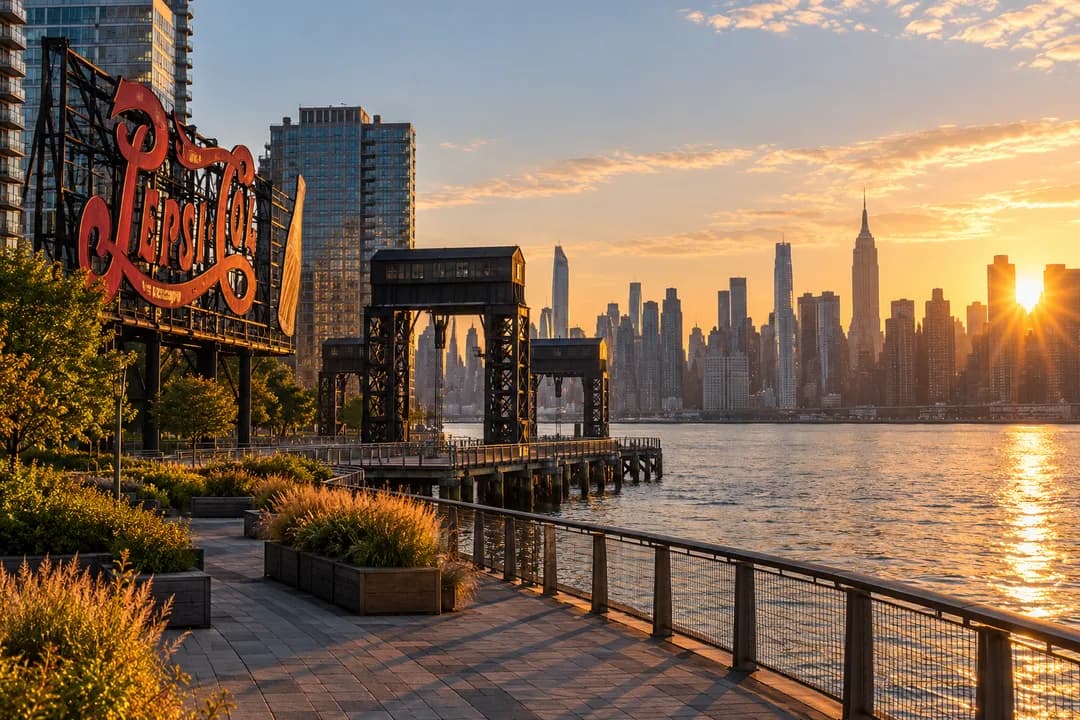
Waterfront Esplanade Walk: Gantry Plaza LIC Loop
Plan a Long Island City waterfront esplanade walk with Gantry views, skyline pauses, a flexible Hunters Point branch, and an exit that suits the group.
A Long Island City waterfront esplanade walk near me should begin with a visual promise the group can understand: Gantry Plaza’s industrial frames, the East River, and Manhattan spread across the water. In Karpo APP, describe whether the outing is for skyline photographs, a calm after-work reset, or a family loop with room to stop. Add the preferred pace and a shorter finish. The planner can then arrange a route that uses the gantries as orientation, gives the water enough uninterrupted time, and keeps an optional extension ready without making the outing feel like a march.
Lead With the Gantry Silhouette
Lead with the gantry silhouette so the walk has a recognizable first chapter. The old industrial structures create a strong visual marker, and they make it easier for a group to regroup without complicated directions. Ask for a route that lets everyone see the frame before branching into the more open sections. Visitors can take photographs, while regulars can simply use the view to reset after work. The key is to make the gantries an anchor, not a backdrop that disappears beneath too many extra points.
Use the River as a Compass
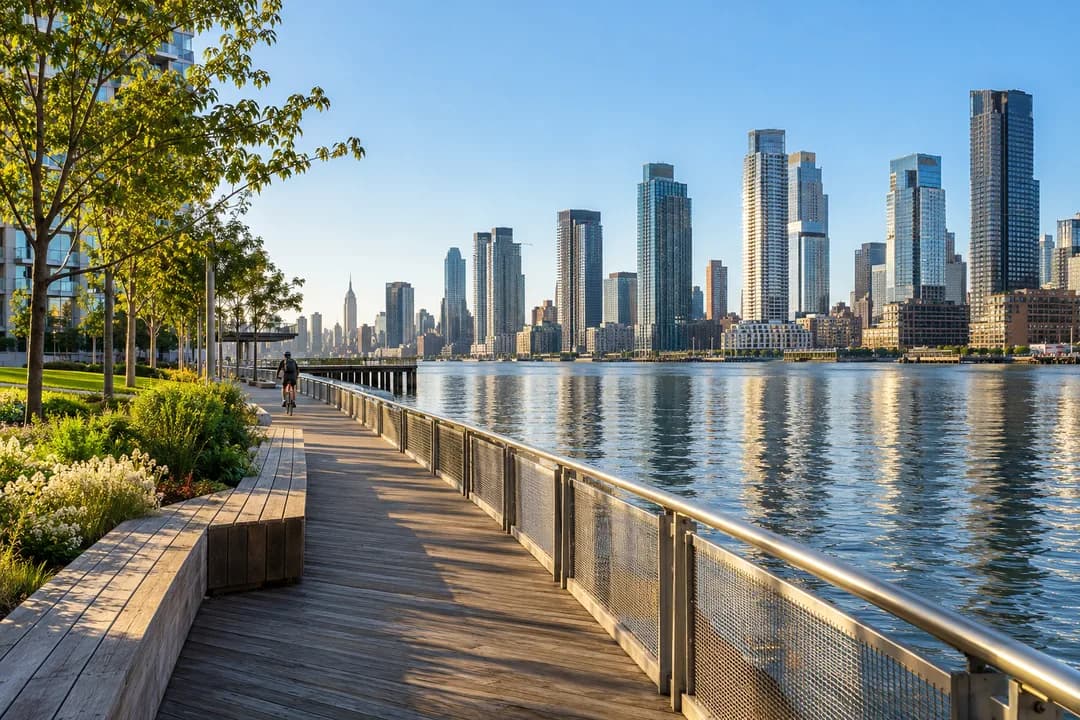
The East River is the compass for the middle of the route. Rather than jumping between every named lawn and pier, ask the planner to keep the water on one side for a sustained stretch. That continuity gives the group a shared reference and reduces the need to check a phone at every turn. A good brief can specify water-facing walking, periodic benches, and one place to look back at Midtown. The route feels calmer when the river decides the order and the attractions support it.
Give Hunters Point a Clear Role
Hunters Point South Park should have a clear role in the request. It can be the quieter branch for a conversation walk, the family-friendly reset, or the place where a longer route turns around. Name the purpose so the planner does not treat it as a compulsory detour. If the group wants skyline drama, keep the branch brief and return to the open river. If everyone wants grass and breathing room, let the park hold the midpoint. One role makes the route easier to follow.
Balance Skyline and Open Lawn
Balance skyline and open lawn instead of choosing only one. Long Island City is strongest when the hard edges of gantries and towers give way to softer planting and broad sky. Ask for an alternating rhythm: industrial frame, water pause, planted stretch, then another view toward Manhattan. This sequence supports different kinds of walkers. The photographer gets clear compositions, the conversational pair gets less visual pressure, and the child has a place to move without being told to hurry. The landscape itself supplies the route’s punctuation.
Build a Route for Different Speeds
Mixed-speed groups need a base loop that feels complete before any extension begins. Put one visible regroup point after the first sustained river segment and another before the optional branch. That structure lets a fast walker look ahead without leaving the group behind. If someone needs a bench or a slower turn, the plan already contains the space. A route should not make people negotiate every few minutes; it should make the next decision obvious enough that conversation can continue.
Keep the Queensboro View Optional
Keep the Queensboro Bridge view optional because it can dominate the outing if the group is not in the mood for a long visual stop. Ask for a branch that adds the bridge only when architecture matters more than quiet. If selected, use it as a single strong frame and then return to the river rather than piling on more landmarks. If skipped, the gantries and Manhattan skyline still provide a full story. Optional means purposeful, not incomplete.
Make Sunset a Timing Choice
Sunset is a timing choice, not a promise. If the group wants changing light, tell Karpo APP to place the most open river-facing segment late in the route and keep the approach simple. If the outing begins earlier, ask for a daytime version that uses shade and planting before the golden-hour branch. This prevents everyone from standing around waiting for a moment that may not arrive. A flexible route can hold the same landmarks while changing their order around the light.
Protect the Quiet Moments
Protect the quiet moments by resisting too many stops. A waterfront esplanade walk near me is valuable because the group can notice water, steel, and skyline without constant narration. Choose three or four anchors, then leave breathing room between them. Put the practical details—water, layers, comfortable shoes, stroller needs—inside the first request so the route can accommodate them. The planner should reduce decisions, not add a second itinerary to manage while walking.
Leave Through the Easiest Exit
Practical notes: bring a light layer for the river, allow time for skyline photos, and state accessibility preferences before the route is shaped. The honest judgment is that LIC works best as a connected waterfront sequence, not as a scavenger hunt for every park name. Keep Gantry Plaza as the opening anchor, use Hunters Point as a purposeful branch, and let the group choose whether the Queensboro view earns the extra time. Leave through the easiest transit-facing direction once the water story feels complete. Leave a small margin for the details that make the shoreline feel lived in: a changing reflection, a boat wake, or the sound shifting between lawn and pier. The group does not need a lecture for those details to matter. Name the mood, then let the route leave enough space for each person to notice something different while still moving together. This LIC route can end with a pause, a shorter return, or a clean handoff toward transit; that flexibility protects the skyline mood. Use the final segment to notice how the skyline reads after the group has walked beside the river for a while. Gantry Plaza may feel graphic at the start and softer later; Hunters Point may shift from destination to breathing room. That change is the payoff of a connected route. Leave enough time for people to compare photographs, talk about the view, or simply watch the water before heading out. The best finish is not an extra landmark. It is the sense that the group has crossed a small emotional distance together.
Ask Karpo for more information.
Keep reading
- Crown Heights Rainy Day Kids Activity Finder for Toddlers
 Jackson Heights Rainy Day Kids Activity Finder for Siblings
 Lower East Side Rainy Day Kids Activity Finder by Stroller