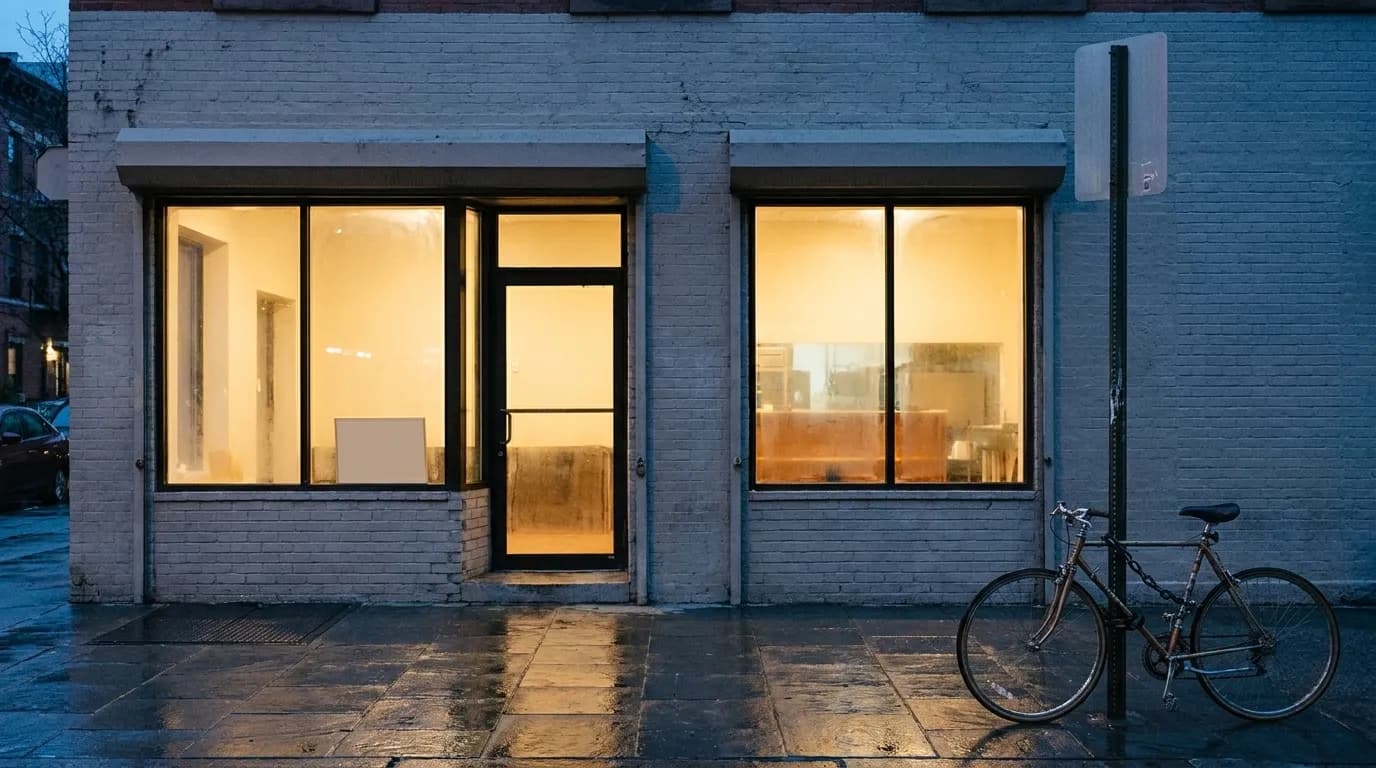
By late May 2026, Bushwick's industrial corridors host something stranger than another wave of galleries or coffee roasters. Tucked into former garment lofts and machine shops along the blocks radiating from the Jefferson L, you'll find a small constellation of shops dealing in mounted specimens, anatomical charts, century-old apothecary bottles, and the sort of objects that once filled natural-history museums before anyone worried about provenance paperwork. It's not quite a scene—more an accidental alignment of dealers who realized the neighborhood's cheap square footage and laissez-faire aesthetic made room for inventory most landlords elsewhere would politely decline.
The taxonomy of Bushwick oddities
The shops fall loosely into three camps. First, the taxidermy parlors proper: small storefronts where Victorian-era mounts—glassy-eyed foxes, British corvids under domes, the occasional fallow deer head—share space with newer ethical work sourced from wildlife rehab centers. These places smell faintly of naphthalene and old wood, and the proprietors tend to know whether a specimen is German or French by the glass-eye style and the way the pelt was stitched.
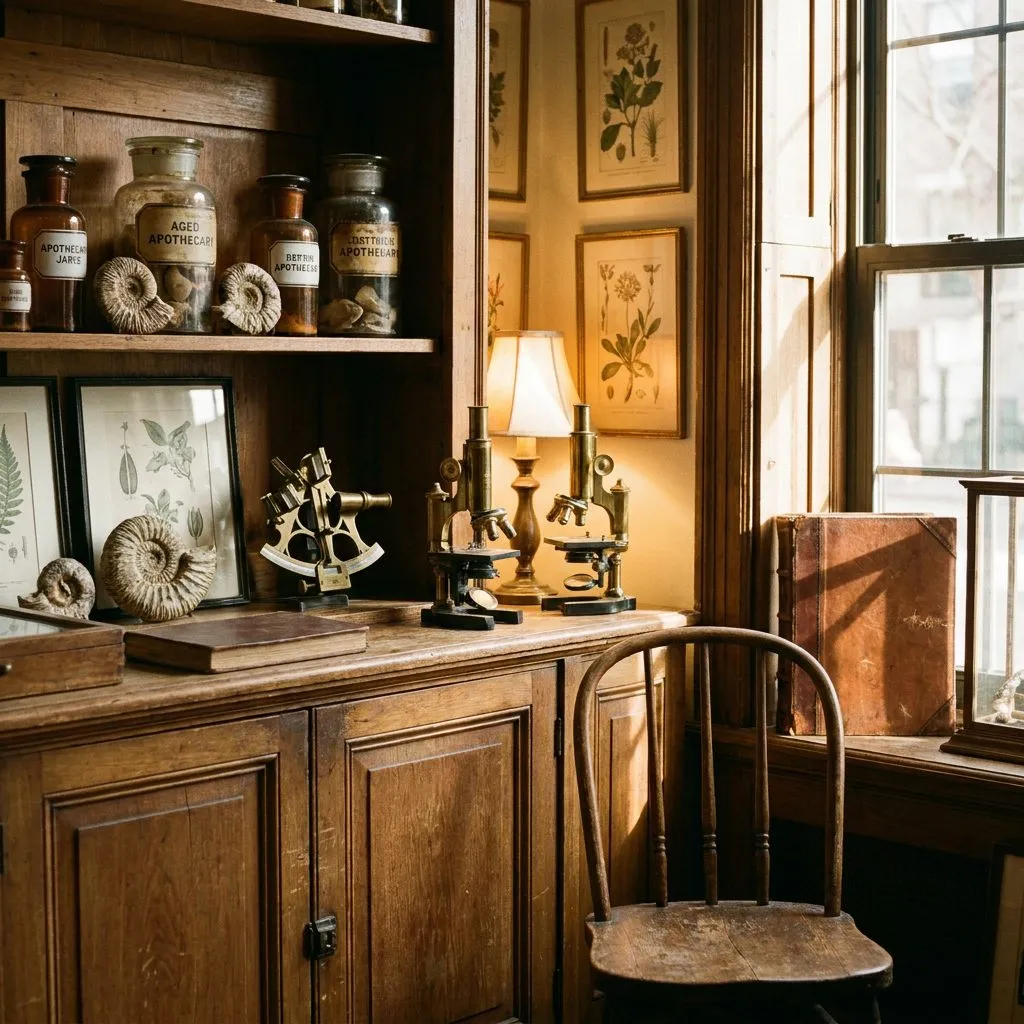
Second, the fossil and mineral dealers, who stock ammonites the size of dinner plates, orthoceras slabs, chunks of Moroccan geodes, and—if you ask—the odd trilobite or shark tooth in a small velvet-lined case. The third category is harder to pin: curiosity shops that traffic in medical ephemera, apothecary jars, antique optical instruments, phrenology busts, and the miscellaneous flotsam of pre-digital science. One shop near Troutman keeps a brass orrery in the window that catches the afternoon light and casts geometric shadows across the floorboards.
Why Bushwick became the odd-object capital
The migration started around 2022, when a few dealers priced out of Williamsburg and the East Village realized Bushwick's zoning and rent structure allowed for businesses that don't move much inventory daily. Taxidermy and fossils are slow retail—collectors drop in monthly, designers source props for film sets, and the occasional tourist wanders through on a Saturday afternoon more out of morbid curiosity than intent to purchase. You need space to display a twelve-point stag mount and patience to wait for the buyer who wants exactly that.
The neighborhood's industrial bones help. High ceilings accommodate tall vitrines; loading docks make it easy to bring in estate-sale hauls or European container shipments. And Bushwick's general aesthetic—part post-punk, part artisan revival—means a shop window featuring a stuffed barn owl and a tray of Victorian surgical tools doesn't feel jarringly out of place next to a screen-printing studio or a Oaxacan mezcal bar.
The cabinet-of-wonders gallery you can actually browse
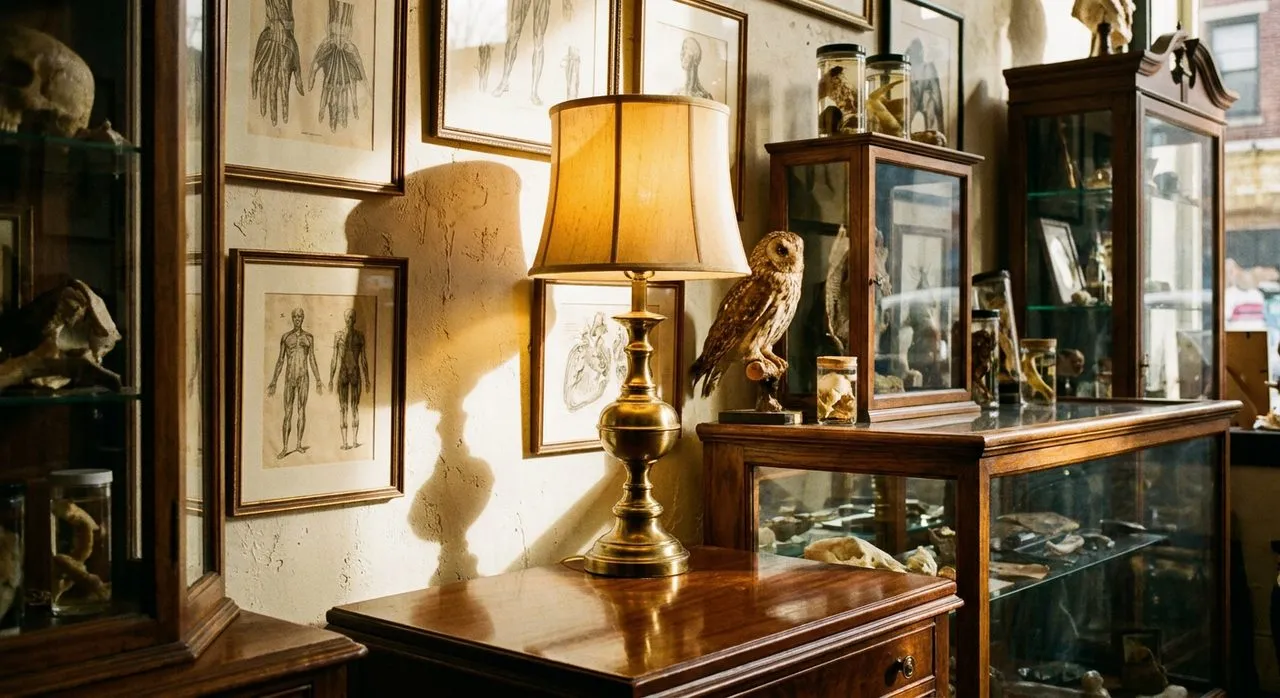
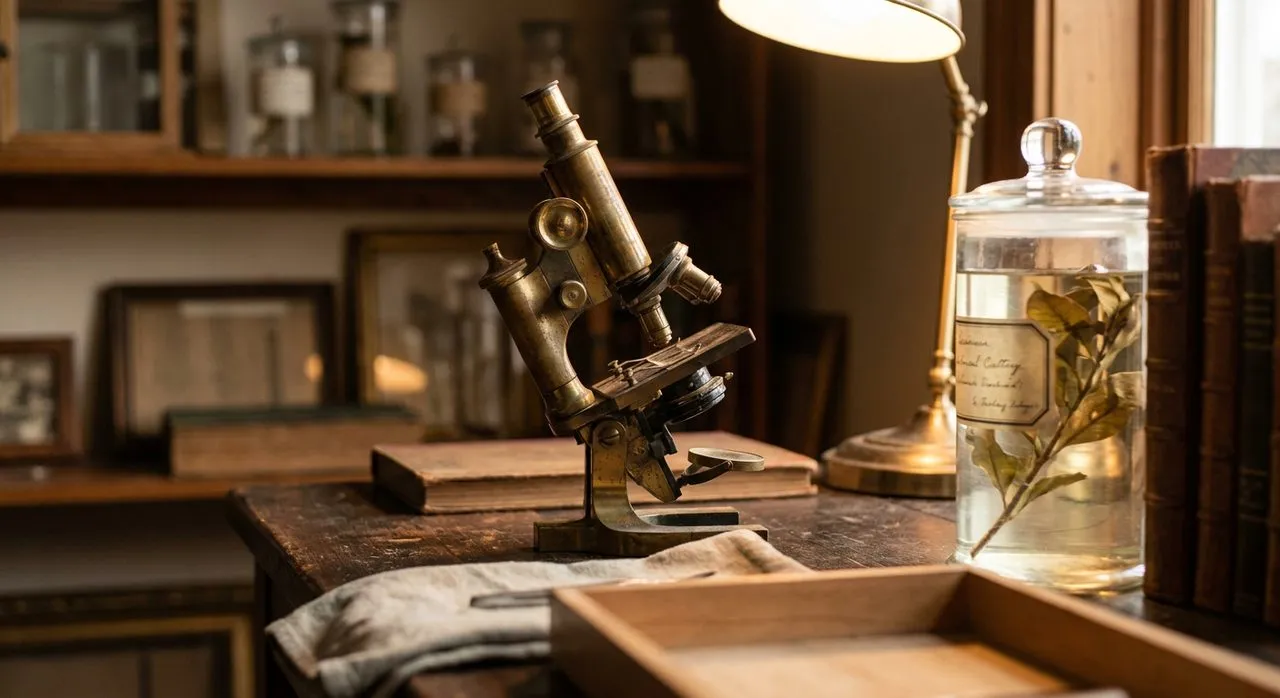
One standout space near the Montrose L has taken the wunderkammer concept and made it shoppable. Walk in on a Saturday in late May and you'll find floor-to-ceiling shelves organized not by taxonomy but by visual rhythm: a human skull (replica, they assure you) next to a jar of antique marbles, a tray of butterflies beside a stack of leather-bound French pharmaceutical ledgers. The light is deliberately dim—Edison bulbs, dusty transoms—and the whole room has the atmosphere of a Victorian gentleman-scientist's study, if that gentleman had recently died intestate and his heirs had priced everything to move.
The gallery operates on appointment during weekdays but opens to walk-ins weekend afternoons. Most objects have small hand-lettered cards noting provenance when known; others are labeled simply "Europe, early 20th c." It's equal parts museum, stage set, and store, and the staff are prepared to discuss both the ethics of sourcing and the best methods for cleaning antique glass without damaging period labels.
What sells, what lingers
Smaller taxidermy moves steadily—mice under cloches, single butterflies, anything that fits on a Brooklyn apartment shelf. Large mounts can languish for years. One shop has had the same mounted peacock, tail fully fanned, occupying a back corner since 2024; the owner refers to it by name now and seems in no rush to let it go. Fossils sell across the size spectrum, especially if they're affordable and visually dramatic. A polished ammonite cross-section at sixty dollars will leave the shop faster than a rare trilobite at six hundred.
Medical ephemera has found a niche market among set designers and a certain Brooklyn homeowner who wants a conversation piece. Apothecary bottles, especially cobalt-blue poison bottles with original labels, disappear quickly. Phrenology heads have become almost cliché, but they still sell. What lingers: anything too specific (veterinary dentistry tools), too fragile (unmounted insect specimens that require climate control), or too expensive without clear visual punch.
The ethics conversation, quietly ongoing
Most of the Bushwick dealers will, if you ask, explain their sourcing guidelines. Vintage taxidermy—anything pre-1980—is generally considered acceptable in the trade, especially European specimens that predate modern wildlife-protection statutes. Newer work comes from licensed taxidermists using animals that died naturally or were culled as part of wildlife management. No shop I visited stocks ivory, and most have policies against selling anything that would require CITES paperwork.
The fossil trade is murkier. Moroccan material floods the market, much of it legally exported but some dug under conditions that make archaeologists wince. Reputable dealers keep export documentation; others shrug and price accordingly. If you're buying something significant, ask. The good shops appreciate the question and will walk you through what they know. The ones that bristle are telling you something.
Visiting in late spring
Late May is ideal—warm enough that the walk between shops is pleasant, but before the summer heat makes Bushwick's treeless blocks feel punitive. Most of these stores have minimal or no air conditioning, and browsing a room full of wool-bodied Victorian mounts in July is its own particular kind of endurance test. The light in late afternoon, when the sun slants low through factory windows, is particularly good for photography if the staff permits it. Weekends see the most foot traffic but also the longest hours; several shops keep erratic weekday schedules or operate by appointment only.
Practical notes
The densest cluster of oddities shops runs along a six-block stretch between the Jefferson Street and Montrose Avenue L stops, roughly along Troutman and Flushing Avenues. Street parking is challenging on weekends; the Jefferson stop offers the most direct access. Some shops keep weekend hours from around noon to six or seven, but verify directly before making the trip—this is not a category of retail that updates its Google listings religiously. Some spaces are ground-level, but accessibility varies, though aisles can be narrow and crowded with inventory. Bring cash for smaller purchases; several dealers prefer it and will offer a modest discount. If you're serious about buying larger pieces—anything over two hundred dollars—bring measurements and photos of your space. The staff appreciate a buyer who has thought through the logistics of getting a four-foot taxidermy heron onto the L train.
Tags: #BushwickFinds #TheOddEdit #VintageTaxidermy #CuriosityShops #CabinetOfCuriosities #NYCVintage #BushwickBrooklyn #OdditiesAndCuriosities #NaturalHistory #VictorianScience #BrooklynShopping #NYCSpring2026 #BushwickGuide #UnusualNYC #TaxidermyCollecting
Sources consulted: Taxidermy · Bushwick, Brooklyn · Brooklyn Parks · Time Out New York Shopping · NY Times New York · MTA Transit Info
All trademarks are the property of their respective owners.